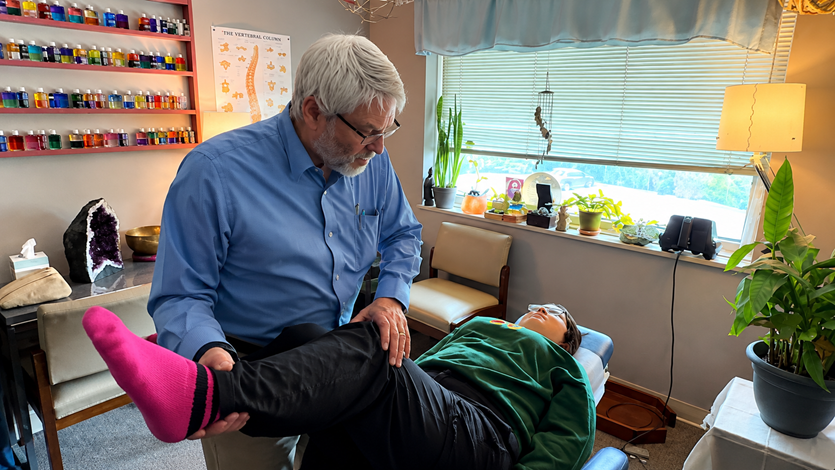
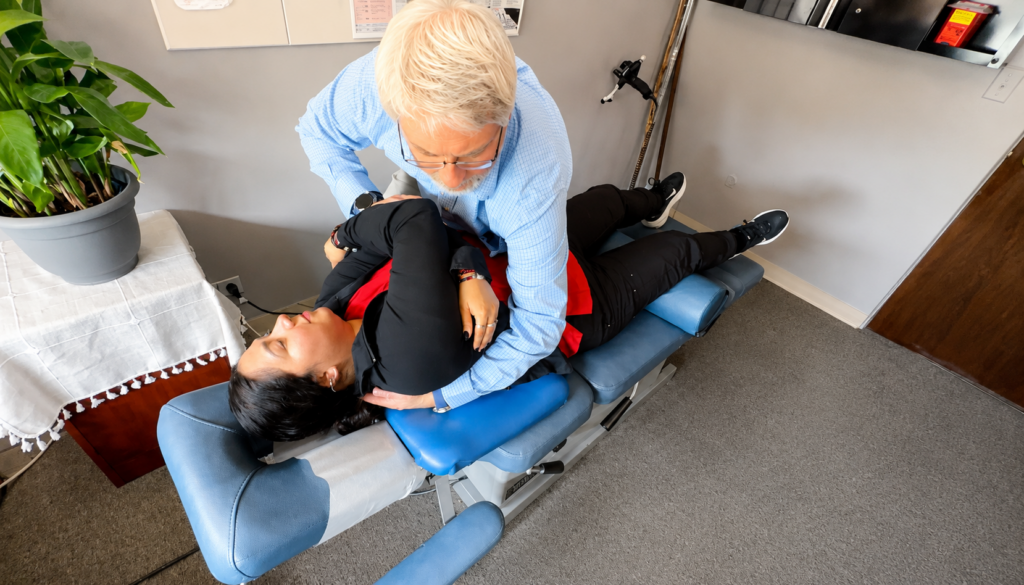

Shoulder pain can be incredibly frustrating. Whether it’s a dull ache that won’t go away, sharp pain when you reach overhead, or stiffness that limits your daily activities, shoulder discomfort affects everything from work performance to sleep quality. If you’re dealing with persistent shoulder pain, you’re not alone. Here in Lisle, IL, many patients come to Northstar Integrated Health & Physical Medicine Center seeking relief from shoulder issues that have interrupted their lives. The good news is that physical therapy and rehabilitation offer effective, non-invasive solutions that address the root causes of shoulder pain rather than just masking symptoms. This comprehensive guide will help you understand your shoulder pain, explore how physical therapy can help, and discover what rehabilitation looks like at our practice.
What is shoulder pain treatment through physical therapy and rehabilitation? Physical therapy for shoulder pain is a conservative, evidence-based approach that uses targeted exercises, manual therapy techniques, and specialized rehabilitation protocols to restore normal shoulder function, reduce pain, and prevent future injuries. Rather than relying on medications or surgery, this approach strengthens the supporting structures around your shoulder joint and corrects movement patterns that may be contributing to your discomfort.
Table of Contents
- Understanding Shoulder Anatomy and Why Pain Develops
- Common Causes of Shoulder Pain
- Signs and Symptoms That Need Attention
- How Physical Therapy and Rehabilitation Help Shoulder Pain
- What Treatment Looks Like at Northstar Integrated Health
- Practical Tips for Protecting Your Shoulders
- When to Seek Professional Care
- Treatment Approaches Comparison
- Myths vs. Facts About Shoulder Pain Treatment
- Final Thoughts
Understanding Shoulder Anatomy and Why Pain Develops
Your shoulder is one of the most complex and mobile joints in your entire body. Unlike your hip, which is designed primarily for stability, your shoulder sacrifices some stability in exchange for remarkable range of motion. This design allows you to reach in virtually any direction, but it also makes your shoulder vulnerable to injury and dysfunction.
The shoulder joint itself is actually made up of several interconnected structures. The glenohumeral joint is where your upper arm bone meets your shoulder blade. This ball-and-socket connection is surrounded by a group of four muscles and their tendons known as the rotator cuff. These muscles work together to keep your arm bone centered in the socket while allowing smooth, controlled movement.
Beyond the rotator cuff, your shoulder relies on proper function of your shoulder blade, collarbone, and the muscles that connect these bones to your ribcage and spine. When any part of this system isn’t working correctly, pain and dysfunction often follow. Poor posture, repetitive movements, previous injuries, and muscle imbalances can all disrupt the delicate coordination your shoulder requires.
Understanding this complexity helps explain why shoulder pain rarely has a single, simple cause. It also highlights why comprehensive rehabilitation that addresses the entire shoulder system tends to produce better long-term results than approaches that focus only on the site of pain.
Common Causes of Shoulder Pain
Shoulder pain develops for many reasons, and identifying the underlying cause is essential for effective treatment. At Northstar Integrated Health & Physical Medicine Center, we see patients with a wide variety of shoulder conditions.
Rotator cuff injuries are among the most common shoulder problems. These can range from inflammation and tendinitis to partial or complete tears of the rotator cuff tendons. These injuries often develop gradually from repetitive overhead activities, or they can occur suddenly from a fall or lifting injury. Workers who frequently reach overhead, athletes in throwing sports, and anyone who performs repetitive shoulder movements are particularly susceptible.
Shoulder impingement syndrome occurs when the tendons of your rotator cuff become compressed or pinched during shoulder movements. This often happens when the space between your arm bone and the top of your shoulder blade narrows. Poor posture, muscle weakness, and bone spurs can all contribute to impingement. Patients typically describe pain when reaching overhead or behind their back.
Frozen shoulder, medically known as adhesive capsulitis, involves progressive stiffness and pain that can severely limit shoulder movement. This condition often develops gradually and can persist for months or even years without proper treatment. While the exact cause isn’t always clear, frozen shoulder is more common in people with diabetes, thyroid disorders, or those who’ve had prolonged shoulder immobilization.
Shoulder instability happens when the structures that hold your shoulder joint together become loose or damaged. Some people are born with naturally loose joints, while others develop instability after dislocations or repeated minor injuries. Instability can cause pain, a sense that the shoulder might “give out,” and difficulty with certain movements.
Arthritis in the shoulder joint causes pain, stiffness, and reduced range of motion. Both osteoarthritis and inflammatory arthritis can affect the shoulder, though it’s less common than arthritis in weight-bearing joints. Symptoms typically worsen gradually and may be accompanied by grinding or clicking sensations.
Poor posture and muscle imbalances are increasingly common contributors to shoulder pain, especially in our modern lifestyle. Rounded shoulders, forward head posture, and prolonged computer work can alter shoulder mechanics and create chronic stress on shoulder tissues. Many patients here in Lisle come in with shoulder pain that’s directly related to their desk setup or daily postural habits.
Signs and Symptoms That Need Attention
Recognizing the signs of shoulder problems early can make a significant difference in your recovery. Shoulder pain manifests differently depending on the underlying cause, but certain symptoms warrant professional evaluation.
Pain location provides important clues. Pain on the top or outside of your shoulder, especially with overhead reaching, often suggests rotator cuff involvement or impingement. Pain in the front of your shoulder may indicate biceps tendon issues or problems with the acromioclavicular joint. Deep, aching pain that’s hard to pinpoint might suggest joint arthritis or capsular problems.
Movement limitations are often as troubling as pain itself. Difficulty reaching behind your back to tuck in your shirt or fasten a bra strap is a common complaint. Trouble reaching overhead to get items from high shelves or wash your hair may indicate rotator cuff weakness or impingement. Progressive loss of motion, where you find your shoulder getting stiffer over time, should never be ignored.
Weakness in your shoulder can manifest as difficulty lifting objects, instability when carrying groceries, or fatigue with repetitive activities. Sometimes weakness is due to pain inhibiting muscle function, while other times it reflects actual muscle or tendon damage. Either way, weakness deserves professional assessment.
Night pain is particularly significant. Shoulder pain that wakes you from sleep or prevents you from sleeping on the affected side often indicates more significant tissue involvement. Rotator cuff problems and frozen shoulder commonly cause night pain that can significantly impact your quality of life.
Clicking, popping, or grinding sensations aren’t always concerning, but when accompanied by pain or instability, they may indicate cartilage damage, labral tears, or joint instability. A sensation that your shoulder might “slip out” or give way suggests instability that requires rehabilitation.
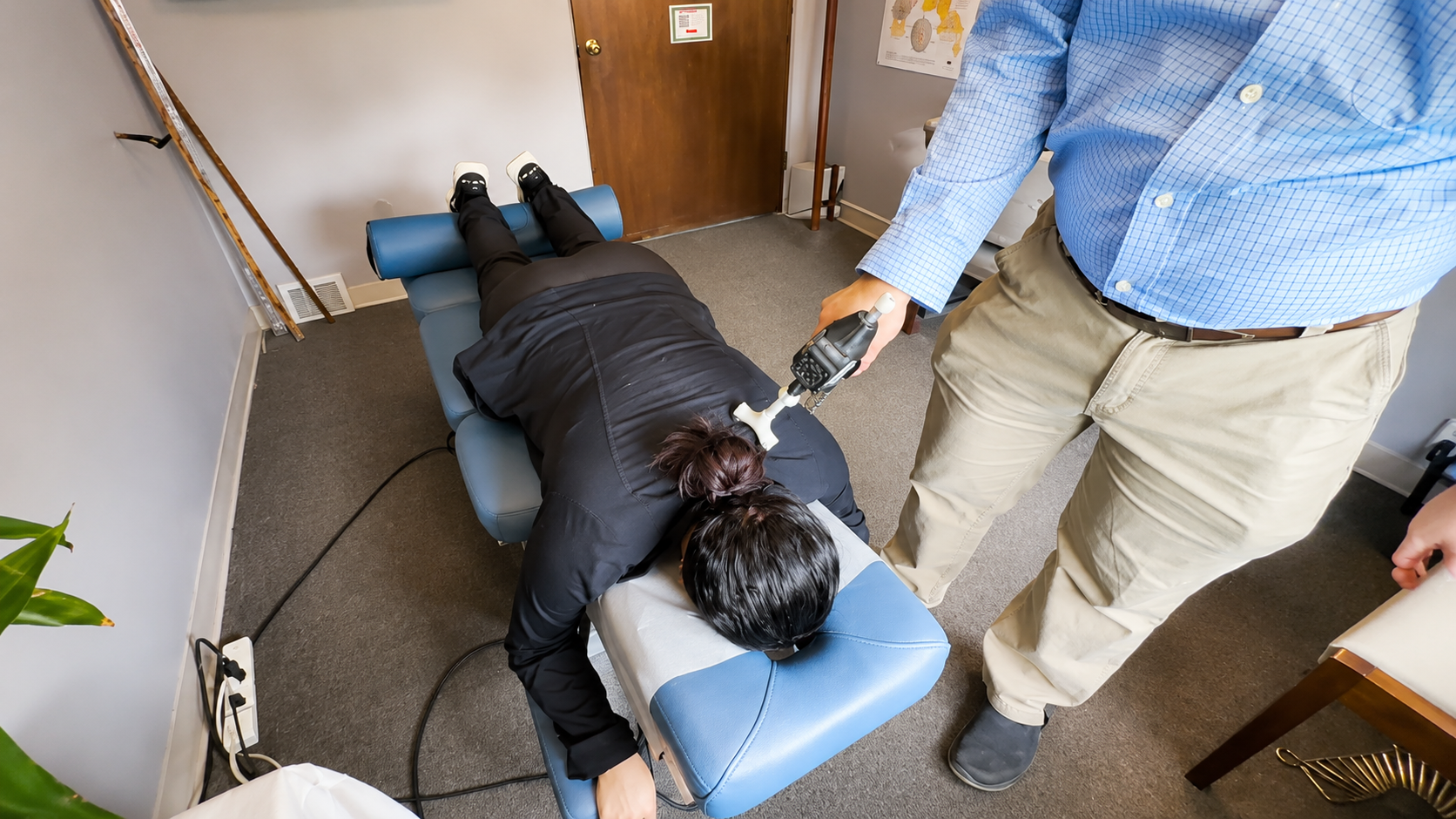
How Physical Therapy and Rehabilitation Help Shoulder Pain
Physical therapy and rehabilitation offer powerful, evidence-based solutions for most shoulder conditions. Research consistently shows that conservative care approaches can effectively treat many shoulder problems without surgery or long-term medication use. The key is addressing not just the symptoms but the underlying movement dysfunctions and tissue problems causing your pain.
Manual therapy techniques form an important foundation of shoulder rehabilitation. Skilled practitioners use hands-on approaches to restore normal joint mobility, reduce muscle tension, and improve tissue quality. Joint mobilization techniques can help restore normal gliding movements within the shoulder complex. Soft tissue work addresses tight, restricted muscles and fascia that may be limiting movement or altering shoulder mechanics.
Therapeutic exercises are the cornerstone of shoulder rehabilitation. Unlike generic shoulder exercises you might find online, rehabilitation exercises are specifically tailored to your condition, current function level, and goals. Early-stage exercises focus on restoring pain-free range of motion and activating muscles that may have become inhibited. As you progress, exercises advance to build strength, improve coordination, and prepare you for the demands of your daily activities or sports.
Postural correction addresses one of the most common underlying causes of shoulder pain. Many shoulder problems develop or persist because of poor posture that alters shoulder blade position and changes how forces are distributed through the shoulder joint. Rehabilitation includes education about proper posture and exercises to strengthen the muscles that support good alignment.
Movement pattern training helps you relearn proper shoulder mechanics. Over time, pain and injury can cause you to develop compensatory movement patterns that feel normal but actually perpetuate your problem. Rehabilitation includes careful analysis of how you move and specific training to restore optimal movement patterns.
Education and self-management strategies empower you to take an active role in your recovery. Understanding what activities to modify, how to perform exercises correctly, and what warning signs to watch for helps ensure long-term success. The goal is not just to help you feel better temporarily but to give you the knowledge and tools to maintain healthy shoulder function.
At Northstar Integrated Health & Physical Medicine Center, we recognize that comprehensive shoulder care often requires a multidisciplinary approach. Dr. Paul Rieselman and our team work together to provide coordinated care that may include chiropractic adjustments to address related spinal issues, physical therapy for targeted rehabilitation, and guidance on lifestyle modifications that support healing.
What Treatment Looks Like at Northstar Integrated Health
When you come to Northstar Integrated Health & Physical Medicine Center in Lisle for shoulder pain, your journey begins with a thorough evaluation. Understanding the complete picture of your shoulder problem is essential for developing an effective treatment plan.
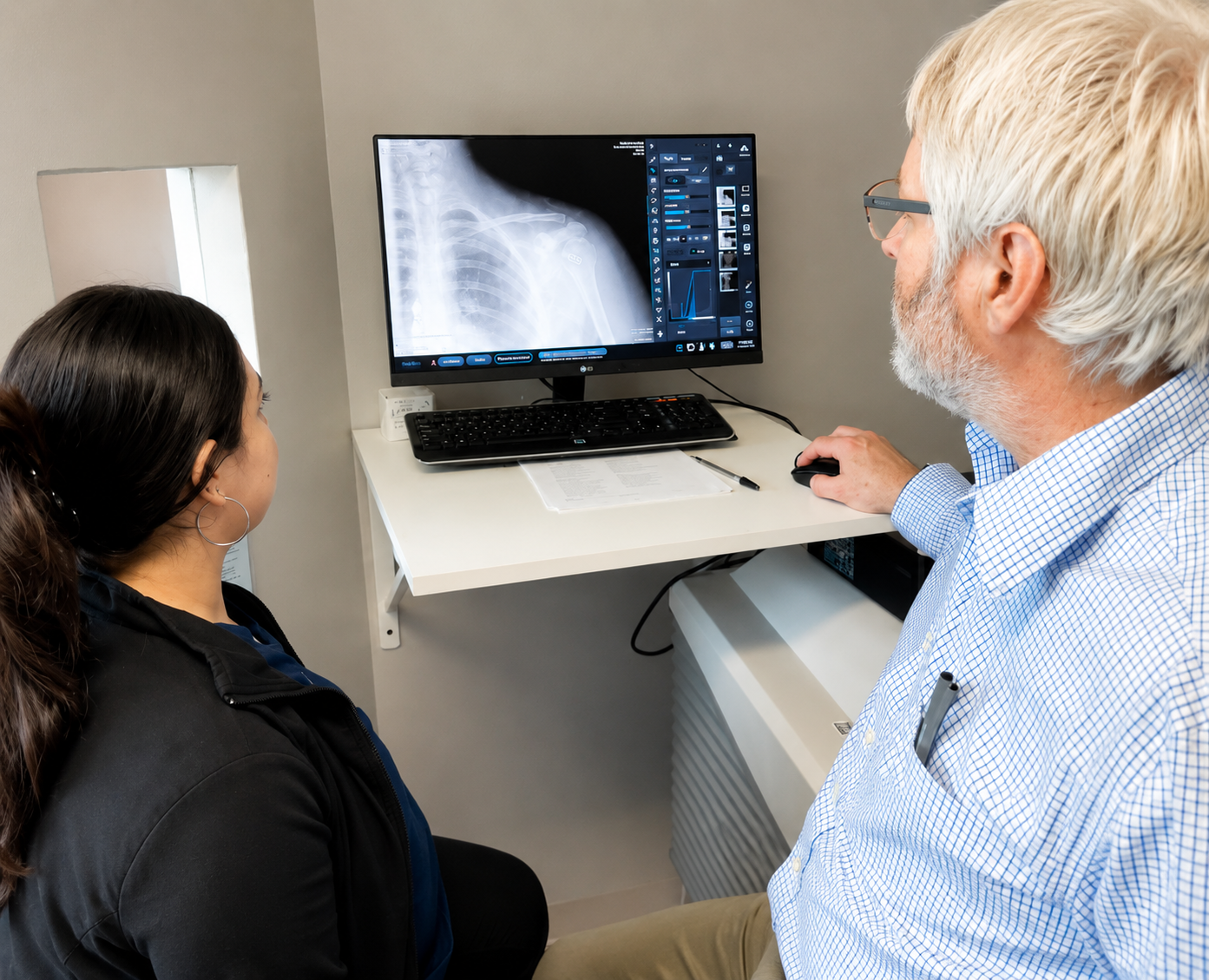
Your initial assessment includes a detailed discussion of your symptoms, how they developed, what makes them better or worse, and how they’re affecting your daily life. This conversation provides crucial context that helps guide the physical examination. The physical exam evaluates your shoulder range of motion, strength, stability, and functional movement patterns. Special tests help identify specific structures that may be injured or dysfunctional.
Based on this comprehensive evaluation, a personalized treatment plan is developed. Unlike one-size-fits-all approaches, your plan is tailored to your specific condition, goals, and lifestyle. A construction worker with a rotator cuff injury needs different rehabilitation than an office worker with the same diagnosis, and treatment plans reflect these individual differences.
Treatment sessions typically include a combination of manual therapy, guided exercise, and education. Early sessions often focus on pain reduction and restoring basic movement. As you improve, the emphasis shifts toward building strength, improving endurance, and preparing you for your specific functional demands.
The integration of chiropractic care can be particularly beneficial for shoulder problems. Restrictions in your mid-back and neck can significantly impact shoulder function, and many patients find that addressing these related areas accelerates their shoulder recovery. Dr. Paul Rieselman takes a whole-body approach, recognizing that your shoulder doesn’t function in isolation.
Treatment frequency and duration vary based on your condition. Acute injuries often respond well to frequent initial visits that gradually decrease as you improve. Chronic conditions may require a longer, more gradual progression. Throughout your care, progress is regularly assessed and your treatment plan adjusted to ensure you’re moving toward your goals.
Home exercise programs are an integral part of successful rehabilitation. The exercises and activities you do between visits often matter as much as what happens during treatment sessions. Your home program is designed to be realistic and manageable within your schedule while still challenging enough to drive improvement.
Practical Tips for Protecting Your Shoulders
While professional treatment is important for existing shoulder problems, there’s much you can do to protect your shoulders and support your recovery. These evidence-based strategies can help reduce shoulder stress and promote healing.
Mind your posture throughout the day. Rounded shoulders and forward head posture place chronic stress on shoulder structures. When sitting, keep your shoulder blades gently drawn back and down, your chest open, and your head balanced over your spine. Set reminders to check your posture every hour, especially if you work at a computer.
Optimize your workspace ergonomics. Your computer monitor should be at eye level to prevent you from jutting your head forward. Armrests should support your elbows at a height that allows your shoulders to remain relaxed. Your keyboard and mouse should be close enough that you don’t have to reach forward repeatedly. These adjustments may seem minor, but they can significantly reduce daily shoulder stress.
Modify sleeping positions if shoulder pain wakes you at night. Avoid sleeping directly on a painful shoulder. If you sleep on your side, place a pillow under your arm to keep your shoulder from collapsing forward. Some patients find relief sleeping in a slightly elevated position with pillows supporting their arm.
Incorporate regular shoulder mobility work. Gentle movement throughout the day helps maintain shoulder health. Simple exercises like shoulder rolls, arm circles, and gentle stretches can prevent stiffness from developing. These don’t need to be time-consuming—even a few minutes several times daily can make a difference.
Avoid prolonged static positions. Holding your arms in one position for extended periods, whether it’s typing, holding a phone, or reaching overhead, creates sustained stress on shoulder tissues. Take frequent breaks to move your shoulders through their full range of motion.
Respect your pain signals. While some discomfort during rehabilitation exercises is normal, sharp pain or pain that persists after activity is your body telling you something isn’t right. Modify activities that provoke significant pain and discuss persistent symptoms with your healthcare provider.
Strengthen your shoulder blade stabilizers. Many shoulder problems stem from weak or poorly coordinated shoulder blade muscles. Exercises that target these muscles, such as rows and shoulder blade squeezes, can help maintain healthy shoulder mechanics. Your physical therapist can teach you appropriate exercises for your situation.
Gradually progress activity levels. Whether you’re returning to sports, work activities, or exercise after a shoulder injury, gradual progression is key. Doing too much too soon is a common reason for setbacks. Follow the rehabilitation plan provided by your care team and resist the temptation to advance faster than recommended.
When to Seek Professional Care
Knowing when to seek professional help for shoulder pain can prevent minor problems from becoming chronic conditions. While not all shoulder pain requires immediate attention, certain situations warrant evaluation.
Seek care if you experience sudden, severe shoulder pain, especially if it follows an injury or fall. Acute injuries to the rotator cuff, shoulder dislocation, or fractures require prompt assessment. Severe pain accompanied by obvious deformity, inability to move your shoulder, or numbness and tingling down your arm should be evaluated urgently.
Persistent pain that lasts more than a week or two despite rest and home care deserves professional attention. While minor shoulder strain often improves with a few days of modified activity, pain that continues or worsens suggests a problem that needs treatment. Early intervention typically leads to faster, more complete recovery.
Progressive loss of motion is a red flag that shouldn’t be ignored. If you notice your shoulder is gradually becoming stiffer or you’re losing the ability to perform normal activities, professional evaluation can identify the cause and initiate treatment before the condition advances further. Frozen shoulder, in particular, responds better when treatment begins in the earlier stages.
Weakness that interferes with daily activities suggests possible muscle or tendon damage. Difficulty lifting your arm, carrying groceries, or performing work tasks because of weakness rather than just pain indicates the need for assessment. Rehabilitation can help restore strength and prevent compensatory problems from developing.
Night pain that disrupts your sleep is both a quality of life concern and an indicator of potentially significant shoulder pathology. If you’re regularly waking because of shoulder pain or unable to find a comfortable sleeping position, professional care can help identify the cause and provide relief.
However, certain red flags suggest the need for immediate medical evaluation rather than starting with conservative care. Severe pain with fever might indicate infection. Shoulder pain accompanied by chest pain, shortness of breath, or jaw pain could indicate a cardiac event and requires emergency care. Shoulder pain following significant trauma, especially with an inability to move your arm, may indicate fracture or complete tendon rupture.
Here in Lisle, Northstar Integrated Health & Physical Medicine Center provides comprehensive evaluation to determine the best course of care. Our team can identify when conservative treatment is appropriate and when additional imaging or specialist referral is needed.
Treatment Approaches Comparison
| Treatment Approach | How It Works | Best For | Typical Timeline |
|---|---|---|---|
| Physical Therapy & Rehabilitation | Restores function through exercise, manual therapy, and movement retraining | Most shoulder conditions, especially rotator cuff issues, impingement, and frozen shoulder | 6-12 weeks for significant improvement |
| Chiropractic Care | Addresses joint dysfunction in shoulder, spine, and ribs that affect shoulder mechanics | Shoulder pain with postural components or related neck/mid-back issues | 4-8 weeks for noticeable changes |
| Rest & Activity Modification | Reduces tissue stress by limiting aggravating activities | Mild, acute shoulder strain; temporary measure for more serious conditions | Days to weeks for minor issues |
| Medication Management | Reduces pain and inflammation with NSAIDs or other medications | Short-term symptom relief; doesn’t address underlying cause | Hours to days for symptom relief |
| Corticosteroid Injections | Reduces inflammation directly at the site of injury | Severe inflammation not responding to conservative care | Days to weeks for relief; often temporary |
| Surgical Intervention | Repairs damaged structures that cannot heal on their own | Complete rotator cuff tears, severe instability, advanced arthritis | Months for full recovery with post-surgical rehabilitation |
Myths vs. Facts About Shoulder Pain Treatment
Myth: Rest is the best treatment for shoulder pain
Fact: While avoiding activities that cause severe pain is important, complete rest often worsens shoulder problems rather than helping them. Prolonged immobility can lead to stiffness, muscle weakness, and adhesions that make recovery harder. Appropriate, graduated movement and exercise are essential for most shoulder conditions. The key is finding the right balance between rest and activity, which is where professional guidance becomes valuable.
Myth: If you can still move your shoulder, nothing serious is wrong
Fact: Significant shoulder injuries, including partial rotator cuff tears, can still allow considerable movement, especially in the early stages. Pain-free range of motion isn’t a reliable indicator of injury severity. Weakness, compensatory movement patterns, and activity-related pain are often more important indicators of underlying problems. Conversely, severe pain doesn’t always mean severe injury. Professional evaluation is the only reliable way to determine what’s actually happening in your shoulder.
Myth: Shoulder pain always requires surgery to fix
Fact: The majority of shoulder problems respond well to conservative treatment including physical therapy, rehabilitation, and chiropractic care. Research indicates that conditions like rotator cuff tendinitis, impingement syndrome, and even some rotator cuff tears can improve significantly without surgery. Guidelines from organizations like the American College of Physicians recommend trying conservative approaches first for most musculoskeletal conditions. Surgery is typically reserved for situations where conservative care hasn’t helped or when there’s structural damage that cannot heal without surgical repair.
Myth: Strengthening exercises will make shoulder pain worse
Fact: Properly prescribed strengthening exercises are one of the most effective treatments for shoulder pain. The key word is “properly prescribed.” Exercises need to be appropriate for your current condition and gradually progressed as you improve. Your rotator cuff and shoulder blade muscles need adequate strength to support proper shoulder mechanics. Weakness in these areas is a primary contributor to many shoulder problems. When exercises are correctly chosen and performed, they reduce pain rather than increasing it.
Myth: Once your shoulder feels better, you’re fully recovered
Fact: Pain reduction is an important milestone, but it doesn’t mean your shoulder has fully healed or that underlying dysfunctions have been corrected. Strength, endurance, movement patterns, and functional capacity all need to be restored to normal levels to prevent re-injury. Many people who stop rehabilitation as soon as their pain improves find themselves dealing with recurring problems. Completing your full rehabilitation program, even after symptoms resolve, significantly reduces the risk of future shoulder issues.
Final Thoughts
Shoulder pain doesn’t have to be something you just live with or manage with medications alone. Physical therapy and rehabilitation offer effective, research-supported approaches that address the root causes of shoulder problems rather than just masking symptoms. Whether you’re dealing with a recent injury, a chronic condition, or declining shoulder function that’s gradually gotten worse, comprehensive rehabilitation can help you regain comfort and function.
Here at Northstar Integrated Health & Physical Medicine Center in Lisle, IL, Dr. Paul Rieselman and our entire care team are committed to helping you understand your shoulder problem and providing the personalized treatment you need to recover. We take the time to listen to your concerns, thoroughly evaluate your condition, and develop a treatment plan tailored to your specific situation and goals.
Your shoulders allow you to work, play, care for yourself and others, and engage fully in life. When shoulder pain interferes with these activities, professional care can make all the difference. If you’re struggling with shoulder pain, reach out to our team here in Lisle. We’re here to help you get back to doing what you love, without pain holding you back.
Frequently Asked Questions
How long does it typically take to recover from shoulder pain with physical therapy?
Recovery timelines vary significantly based on your specific condition, how long you’ve had the problem, and how consistently you follow your treatment plan. Minor shoulder strains may improve within a few weeks, while chronic rotator cuff problems or frozen shoulder might require several months of rehabilitation. Most patients notice meaningful improvements within 4-6 weeks of starting treatment, but complete recovery often takes longer.
Can I continue working out while receiving treatment for shoulder pain?
In most cases, you can continue some form of exercise, but modifications are usually necessary. Your care team can guide you on which activities are safe to continue and which should be temporarily avoided or modified. Lower body exercises and core work typically remain fine, while overhead pressing or heavy pulling movements may need to be reduced or eliminated initially. As your shoulder improves, you’ll gradually return to your full workout routine.
Will I need surgery if physical therapy doesn’t completely eliminate my shoulder pain?
Not necessarily. Even when conservative care doesn’t completely eliminate symptoms, surgery isn’t always the next step. Many people achieve functional improvement that allows them to return to their activities with minimal limitations, even if they occasionally experience minor discomfort. Surgery is typically considered when conservative treatment has been thoroughly tried without adequate improvement and when imaging confirms structural damage that’s amenable to surgical repair. Your healthcare team will help you understand all your options.
Is shoulder pain ever related to neck problems?
Absolutely. The nerves that control shoulder muscles originate in your neck, and problems in the cervical spine can cause referred pain into the shoulder region. Additionally, neck and mid-back stiffness can alter shoulder blade position and movement, contributing to shoulder dysfunction. This is one reason why comprehensive evaluation of the entire shoulder complex, including the spine, is important. At Northstar Integrated Health & Physical Medicine Center, we assess these related areas to ensure all contributing factors are addressed.
How often will I need treatment sessions?
Treatment frequency depends on your condition and how you’re responding to care. In the early stages of treatment, you might be seen two to three times per week to make efficient progress. As you improve, visits typically become less frequent, perhaps once or twice weekly, and eventually transition to periodic check-ins. Your specific schedule will be determined based on your individual needs and goals.
Can shoulder problems cause pain in other areas of my body?
Yes, shoulder problems can cause compensatory issues throughout your body. When your shoulder isn’t functioning properly, you may unconsciously alter your posture and movement patterns, which can lead to neck pain, mid-back discomfort, or even low back problems over time. Additionally, some shoulder conditions can cause referred pain down your arm or into your upper back and neck region. Addressing shoulder dysfunction early helps prevent these secondary problems from developing.
TL;DR – Key Takeaways
- Physical therapy and rehabilitation are highly effective, evidence-based treatments for most shoulder conditions, including rotator cuff injuries, impingement syndrome, frozen shoulder, and instability, without requiring surgery or long-term medication use.
- Shoulder pain often develops from a combination of factors including poor posture, muscle imbalances, repetitive movements, and previous injuries, which is why comprehensive treatment addressing the entire shoulder system produces better long-term results than symptom-focused approaches.
- Treatment at Northstar Integrated Health & Physical Medicine Center in Lisle combines manual therapy, therapeutic exercise, movement retraining, and education, with Dr. Paul Rieselman taking an integrated approach that addresses related spinal issues affecting shoulder function.
- Home exercises, postural awareness, ergonomic modifications, and gradual activity progression are essential components of successful shoulder rehabilitation and long-term shoulder health maintenance.
- Seek professional evaluation for shoulder pain that persists beyond a week or two, progressively worsens, limits your daily activities, causes night pain, or is accompanied by significant weakness, as early intervention typically leads to faster and more complete recovery.