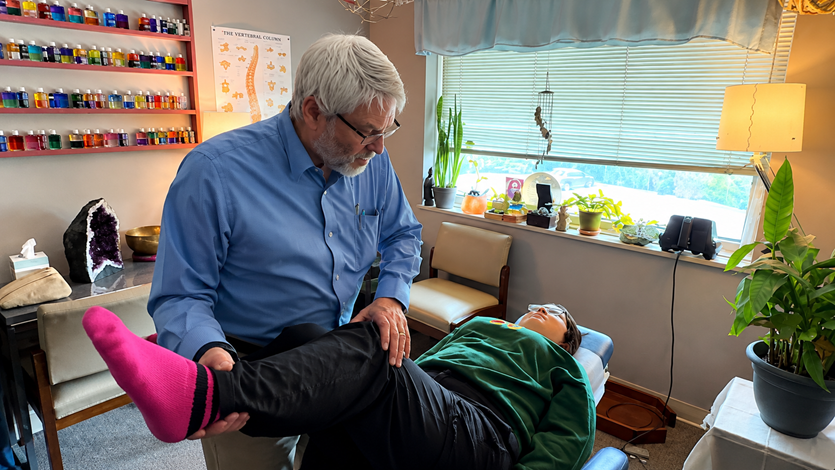


Many parents are surprised to learn that chiropractic care isn’t just for adults dealing with back pain or sports injuries. In fact, benefits of chiropractic care for children have become increasingly recognized as more families seek natural, non-invasive approaches to support their children’s health and development. Here at Northstar Integrated Health & Physical Medicine Center in Lisle, IL, we understand that parents want the best for their children, and we’re here to help you understand how gentle chiropractic care might benefit your growing child. This article will explore the science-backed reasons why families are choosing chiropractic care for their kids, what to expect during visits, and how this conservative approach fits into a comprehensive wellness strategy.
What is pediatric chiropractic care? Pediatric chiropractic care involves gentle, age-appropriate adjustments and techniques designed to assess and support proper spinal alignment and nervous system function in infants, children, and adolescents. These techniques use significantly less force than adult adjustments—often no more pressure than you’d use to test the ripeness of a tomato.
Table of Contents
- Why Children May Benefit from Chiropractic Care
- Common Childhood Conditions That May Respond to Chiropractic Care
- Supporting Growth and Development
- What Pediatric Chiropractic Care Looks Like
- Safety and Gentleness in Pediatric Adjustments
- What Research Suggests About Pediatric Chiropractic Care
- Supporting Your Child’s Spinal Health at Home
- When to Consider Chiropractic Care for Your Child
- Pediatric vs. Adult Chiropractic Techniques
- Myths vs. Facts About Chiropractic Care for Children
- Final Thoughts from Northstar Integrated Health
Why Children May Benefit from Chiropractic Care
Children are constantly growing, developing, and learning new physical skills. From the moment they’re born through their teenage years, their bodies undergo tremendous changes. The birth process itself can be physically demanding, and research suggests that even uncomplicated deliveries can create stress on an infant’s delicate spine and nervous system.
As children grow, they experience countless tumbles, falls, and impacts. Think about how many times a toddler falls while learning to walk, or how rough playground activity can be. These seemingly minor incidents can create small misalignments in the spine that may affect how the nervous system functions. The nervous system controls every function in the body, so maintaining proper spinal alignment during these crucial developmental years makes sense from a wellness perspective.
Modern childhood also presents unique challenges. Children today spend more time sitting than ever before—hunched over tablets, smartphones, and laptops for schoolwork and entertainment. Heavy backpacks, poor posture habits, and decreased outdoor activity all contribute to spinal stress that wasn’t as prevalent in previous generations. Here in Lisle, IL, we see children from surrounding communities dealing with these modern lifestyle challenges regularly.
The benefits of chiropractic care for children center around supporting the body’s natural ability to function optimally. By ensuring proper spinal alignment, we aim to support nervous system function, which can have positive effects throughout the body. Many parents report that their children seem more comfortable, sleep better, and maintain better overall wellness after receiving chiropractic care.
Common Childhood Conditions That May Respond to Chiropractic Care
While chiropractors don’t treat specific diseases, research and clinical experience suggest that certain common childhood complaints may respond well to chiropractic care as part of a comprehensive wellness approach. Parents bring their children to Northstar Integrated Health & Physical Medicine Center for various reasons.
Musculoskeletal complaints are perhaps the most obvious reason families seek chiropractic care. Growing pains, sports-related discomfort, and postural issues affect many children. Evidence indicates that chiropractic care can be effective for pediatric musculoskeletal complaints. A systematic review published in the journal Chiropractic & Manual Therapies found that chiropractic care showed promise for musculoskeletal conditions in children.
Ear discomfort is another common childhood concern. While chiropractic doesn’t treat ear infections directly, some parents and practitioners report that addressing spinal alignment—particularly in the upper cervical region—may support the body’s natural drainage mechanisms. The theory involves improving nerve function and reducing muscle tension that might affect the eustachian tubes. Research in this area shows mixed results, but many parents report positive experiences.
Sleep difficulties affect many families. When children don’t sleep well, neither do parents. Some evidence suggests that addressing spinal discomfort and tension through gentle chiropractic adjustments may help some children achieve more restful sleep. This makes sense when you consider how physical discomfort can interfere with sleep quality.
Digestive concerns like colic and constipation sometimes bring infants and young children to chiropractic offices. The vagus nerve, which plays a significant role in digestive function, exits the spine in the upper neck region. Some practitioners theorize that gentle adjustments in this area may support better nerve function and digestive comfort, though more research is needed in this area.
Supporting Growth and Development
One of the most compelling reasons families choose chiropractic care is to support optimal development during crucial growth periods. Children’s bodies are incredibly resilient and adaptive, but they’re also vulnerable to establishing compensatory movement patterns that can persist into adulthood.
During infancy, proper spinal alignment may support important developmental milestones like holding up the head, rolling over, crawling, and eventually walking. Each of these milestones requires coordinated movement and proper nervous system function. While chiropractic care doesn’t cause these milestones to happen, maintaining proper alignment may help ensure the body functions optimally during these critical periods.
School-age children face different challenges. The transition to sitting at desks for extended periods can create postural habits that last a lifetime. Teaching children about proper posture while also ensuring their spines are properly aligned gives them the best foundation for healthy habits. Many chiropractors, including our team at Northstar Integrated Health & Physical Medicine Center, incorporate education about posture and body mechanics into pediatric visits.
Adolescence brings another growth spurt, and with it, unique challenges. Teenagers may experience rapid skeletal growth that sometimes outpaces soft tissue adaptation, leading to discomfort and coordination challenges. Athletes in particular may benefit from chiropractic care during this period, as their bodies are under both developmental and performance stress.
The benefits of chiropractic care for children during these developmental windows isn’t about “fixing” anything that’s broken—it’s about supporting the body’s natural processes and helping establish healthy patterns that can last a lifetime. Prevention and wellness are at the heart of pediatric chiropractic philosophy.

What Pediatric Chiropractic Care Looks Like
Parents often worry about what will happen during their child’s chiropractic visit. Understanding the process can help ease these concerns and set appropriate expectations.
The initial visit typically begins with a thorough consultation. Your chiropractor will ask detailed questions about your child’s health history, including birth history, developmental milestones, any injuries or traumas, and current concerns. This conversation helps identify areas that need attention and ensures chiropractic care is appropriate for your child’s situation.
The examination for children differs significantly from adult examinations. It’s gentle, often playful, and designed to put children at ease. The chiropractor will observe how your child moves, stands, and holds their body. They may perform gentle palpation to feel for areas of tension or restriction. For infants, much of the examination happens while they’re being held by a parent or lying on a comfortable surface.
Pediatric adjustments bear little resemblance to what most people imagine when they think of chiropractic care. There’s typically no “cracking” or “popping” sounds with infant and young child adjustments. Instead, chiropractors use their fingertips to apply very light pressure—often just a few ounces of force—to specific areas. For older children and teenagers, techniques may involve slightly more pressure but are still modified significantly from adult adjustments.
The adjustment itself usually takes only a few minutes. Many infants sleep through their adjustments, and young children often find the experience soothing rather than uncomfortable. Creating a positive, comfortable experience is essential, so pediatric chiropractors work at the child’s pace and never force treatment.
Safety and Gentleness in Pediatric Adjustments
Safety is paramount when it comes to caring for children. Parents rightfully want assurance that any treatment their child receives is both safe and appropriate.
Research consistently demonstrates that chiropractic care for children, when performed by trained professionals, has an excellent safety record. A systematic review examining adverse events following pediatric chiropractic care found that serious adverse events were extremely rare, with minor, temporary responses like fussiness or soreness being the most commonly reported reactions.
The force used in pediatric adjustments is drastically different from that used with adults. For newborns, chiropractors may use no more pressure than you would to check the ripeness of a tomato. As children grow, force is gradually increased but remains appropriate for their size, age, and development. Chiropractors who work with children receive specialized training in pediatric assessment and techniques.
Professional organizations including the International Chiropractic Pediatric Association (ICPA) provide additional education and certification for chiropractors who wish to specialize in pediatric care. These programs emphasize safety, appropriate technique modification, and recognizing when conditions require referral to other healthcare providers.
At Northstar Integrated Health & Physical Medicine Center in Lisle, we prioritize communication with parents throughout the care process. We explain exactly what we’re doing and why, and we always respect a parent’s concerns or questions. Your comfort and confidence in the care your child receives matters tremendously.
What Research Suggests About Pediatric Chiropractic Care
The evidence base for pediatric chiropractic care continues to grow, though more research is certainly needed in many areas. What we do know is encouraging for families seeking conservative, non-invasive approaches to supporting their children’s health.
A 2019 systematic review published in Complementary Therapies in Medicine examined chiropractic care for pediatric musculoskeletal conditions and found promising results, particularly for back pain and neck pain in older children and adolescents. The review noted that chiropractic care appeared safe and potentially beneficial for these complaints.
Research published in the Journal of Manipulative and Physiological Therapeutics has examined various aspects of pediatric chiropractic care, from safety profiles to outcomes for specific complaints. While researchers consistently call for larger, more rigorous studies, the existing evidence suggests that chiropractic care is both safe and potentially helpful for many common childhood complaints.
It’s important to note what the research doesn’t say. Studies do not support claims that chiropractic care cures diseases like asthma, ADHD, or autism. Chiropractors should never make such claims. What evidence does suggest is that addressing spinal alignment and nervous system function may support overall wellness and help with specific musculoskeletal complaints.
The World Health Organization (WHO) and other international health bodies recognize chiropractic as a legitimate healthcare profession when practiced within its appropriate scope. The benefits of chiropractic care for children lie in providing drug-free, non-invasive support for musculoskeletal health and overall wellness, not in treating or curing specific diseases.
Supporting Your Child’s Spinal Health at Home
Chiropractic care works best when combined with healthy habits at home. Here are practical ways parents can support their children’s spinal health and overall wellness between visits.
Backpack safety is crucial for school-age children. Ensure your child’s backpack weighs no more than ten to fifteen percent of their body weight. The backpack should have wide, padded straps worn over both shoulders, never just one. The bottom of the pack should rest in the curve of the lower back, not sag toward the buttocks. Encourage your child to use school lockers throughout the day rather than carrying everything all day.
Screen time posture deserves attention in our digital age. Whether using tablets for homework or gaming on phones, children tend to slouch and crane their necks forward. Create a designated homework station with proper ergonomics—screen at eye level, feet flat on the floor, back supported. Implement regular “tech breaks” where children stand, stretch, and move every twenty to thirty minutes.
Encourage varied movement and play. Children’s bodies are designed to move in many different ways. Climbing, running, jumping, rolling, and crawling all support healthy development. Limit sedentary activities and promote active play outdoors when possible. Here in Lisle and the surrounding areas, we’re fortunate to have great parks and recreational facilities that support active lifestyles.
Sleep positioning and mattress quality matter more than many parents realize. Young children should sleep on a supportive mattress appropriate for their size and weight. Side sleeping with proper pillow support is generally recommended for older children. Ensure pillows aren’t too thick or too flat—the goal is neutral spinal alignment.
Model good habits yourself. Children learn by watching their parents. If you practice good posture, take breaks from sitting, and prioritize wellness activities, your children are more likely to adopt these habits. Make spinal health a family value rather than just a rule for kids.
When to Consider Chiropractic Care for Your Child
Many parents wonder when chiropractic care might be appropriate for their child. While every situation is unique, certain signs and symptoms suggest that an evaluation could be beneficial.
Consider chiropractic consultation if your child experiences persistent or recurrent musculoskeletal discomfort. This includes neck pain, back pain, growing pains that seem excessive, or discomfort related to sports activities. If over-the-counter measures and rest haven’t resolved the issue within a reasonable timeframe, conservative chiropractic care may be appropriate.
Postural concerns warrant attention, especially in today’s technology-driven world. If you notice your child consistently slouching, sitting with their head forward, or complaining of tension in their neck and shoulders, an evaluation can help determine if spinal alignment issues exist and provide strategies for improvement.
After significant falls or injuries, even if no immediate symptoms appear, some parents choose to have their children checked. While most childhood falls are minor and require no intervention, occasionally a tumble can create subtle misalignments that might benefit from gentle correction.
Some parents bring newborns or young infants for wellness checks, particularly after difficult births involving intervention, long labor, or assisted delivery methods. While this practice isn’t universally recommended by all healthcare providers, many parents report peace of mind from having their infant’s spine gently assessed.
Red flags that require immediate medical attention rather than chiropractic care include severe pain, pain accompanied by fever, loss of bladder or bowel control, progressive weakness or numbness, pain following significant trauma, or any symptom that seems serious or life-threatening. Chiropractors are trained to recognize these situations and will refer appropriately.
If you’re in the Lisle area and wondering whether chiropractic care might benefit your child, a consultation can help answer your questions. At Northstar Integrated Health & Physical Medicine Center, we’re happy to discuss your child’s specific situation and provide honest guidance about whether our services are appropriate.

Pediatric vs. Adult Chiropractic Techniques
| Aspect | Pediatric Chiropractic | Adult Chiropractic |
|---|---|---|
| Force Applied | Very light pressure (ounces of force), especially for infants; gradually increases with age | Moderate to firm pressure depending on technique and patient needs |
| Adjustment Speed | Slow, sustained pressure or very gentle quick impulses | Quick, precise thrusts or sustained pressure depending on technique |
| Audible Releases | Rarely occur, especially with infants and young children; not a goal of treatment | May occur depending on technique; sometimes expected by patients |
| Treatment Duration | Very brief, often just a few minutes; adapted to child’s attention span | Typically longer sessions with multiple areas addressed |
| Positioning | Often performed while infant is held by parent or child is sitting/standing comfortably | Usually on specialized chiropractic table in various positions |
| Assessment Methods | Observation of movement, gentle palpation, developmental milestone assessment | Detailed orthopedic and neurological testing, range of motion assessment, imaging when indicated |
Myths vs. Facts About Chiropractic Care for Children
Myth: Chiropractic Adjustments for Children Involve the Same Force as Adult Adjustments
Fact: Pediatric adjustments use dramatically less force than adult adjustments. For infants, chiropractors use fingertip pressure equivalent to what you’d use to test a tomato’s ripeness—just a few ounces of force. Techniques are specifically modified for children’s size, age, and developmental stage, making them extremely gentle and safe when performed by trained professionals.
Myth: Children Don’t Need Chiropractic Care Because They’re Too Young to Have Spinal Problems
Fact: While children are resilient, they can develop spinal misalignments from the birth process, learning to walk, playground tumbles, sports activities, and modern lifestyle factors like heavy backpacks and excessive screen time. Early intervention with gentle chiropractic care may help establish healthy patterns and address minor issues before they become ingrained compensatory patterns that persist into adulthood.
Myth: Chiropractic Care Can Cure Childhood Diseases Like Asthma, Ear Infections, or ADHD
Fact: Chiropractors do not treat or cure diseases. The benefits of chiropractic care for children involve supporting proper spinal alignment and nervous system function, which may contribute to overall wellness and help with specific musculoskeletal complaints. While some parents report improvements in various health aspects, these observations should not be interpreted as chiropractors treating medical conditions. Any chiropractor making disease-cure claims is acting outside professional standards.
Myth: Pediatric Chiropractic Care Is Dangerous and Has Many Adverse Events
Fact: Research consistently shows that pediatric chiropractic care has an excellent safety record when performed by trained professionals. Serious adverse events are extremely rare. The most commonly reported responses are minor and temporary, such as brief fussiness in infants or mild soreness that resolves quickly. Multiple systematic reviews have confirmed the safety profile of pediatric chiropractic care when practiced within appropriate scope.
Myth: If a Child Starts Chiropractic Care, They’ll Need It Forever
Fact: Treatment frequency and duration depend on the individual situation. Some families bring children for periodic wellness checks, while others seek care for specific complaints that resolve after a few visits. There’s no evidence that chiropractic adjustments create dependency. The decision about ongoing care should be based on the child’s needs, the family’s preferences, and the chiropractor’s recommendations, always with the option to discontinue at any time.
Final Thoughts from Northstar Integrated Health
The benefits of chiropractic care for children extend beyond simply addressing discomfort. By supporting proper spinal alignment during crucial developmental years, gentle chiropractic care may help children establish healthy movement patterns, maintain optimal nervous system function, and develop body awareness that serves them throughout life. As parents increasingly seek natural, conservative approaches to supporting their children’s health, pediatric chiropractic care continues to grow in recognition and acceptance.
Here at Northstar Integrated Health & Physical Medicine Center in Lisle, IL, we understand that every child is unique, and so is every family’s approach to health and wellness. We’re committed to providing safe, gentle, evidence-informed care that respects your child’s individual needs and your family’s values. Whether you’re dealing with specific concerns or simply interested in supporting your child’s optimal development, we’re here to answer your questions and provide guidance.
If you’re considering chiropractic care for your child, we encourage you to schedule a consultation where we can discuss your specific situation, answer all your questions, and determine together whether our services are appropriate. Your child’s health and your confidence in their care are our highest priorities. We look forward to serving families throughout Lisle and the surrounding communities with compassionate, professional pediatric chiropractic care.
Frequently Asked Questions
At what age can a child start receiving chiropractic care?
Children can receive chiropractic care from birth onward when performed by a chiropractor trained in pediatric techniques. Some parents bring newborns within days of delivery for gentle wellness checks, while others seek care as their children grow and encounter different physical challenges. The techniques used are always age-appropriate and specifically modified for the child’s developmental stage.
How often does a child typically need chiropractic adjustments?
Treatment frequency varies based on the individual child’s needs, the nature of their concern, and how they respond to care. Some children benefit from a short series of visits addressing a specific issue, while others come periodically for wellness checks. Unlike adults who may have longstanding compensatory patterns, children often respond quickly to gentle adjustments because their bodies are more adaptable.
Will chiropractic adjustments hurt my child?
Pediatric chiropractic adjustments are designed to be comfortable and non-painful. Most children find the experience soothing, and many infants sleep through their adjustments. The extremely light pressure used means there should be no discomfort during the treatment itself. Occasionally, a child might experience mild, temporary soreness similar to what one might feel after trying a new physical activity, but this is uncommon and resolves quickly.
Can chiropractic care help with my child’s sports performance?
While chiropractic care doesn’t directly improve athletic ability, maintaining proper spinal alignment and addressing minor musculoskeletal issues can support optimal biomechanics and movement patterns. Many young athletes receive chiropractic care as part of their overall wellness routine. By ensuring their bodies move efficiently and recovering from minor training-related strains, young athletes may be better positioned to perform at their best.
Does my child’s pediatrician need to approve chiropractic care?
While it’s not typically required to have your pediatrician’s approval to see a chiropractor, open communication between all healthcare providers serves your child’s best interests. Many families find it helpful to inform their pediatrician about any complementary care their child receives. Chiropractors recognize the importance of collaborative care and will communicate with other providers when appropriate and with your permission.
Are there conditions where chiropractic care isn’t appropriate for children?
Yes, certain conditions require medical care rather than chiropractic intervention. These include acute infections, fractures, dislocations, serious traumas, progressive neurological symptoms, and various medical emergencies. Chiropractors are trained to recognize these situations and will refer to appropriate medical providers when necessary. A thorough consultation and examination help determine whether chiropractic care is suitable for your child’s specific situation.
TL;DR – Key Takeaways
- Pediatric chiropractic care uses extremely gentle techniques specifically modified for children’s age and developmental stage, with adjustments for infants using only a few ounces of pressure.
- Research indicates that chiropractic care for children has an excellent safety record when performed by trained professionals, with serious adverse events being extremely rare.
- Benefits may include support for musculoskeletal health, proper developmental patterns, and overall wellness, though chiropractic does not treat or cure diseases.
- Modern childhood challenges like heavy backpacks, excessive screen time, and reduced physical activity create unique spinal stresses that gentle chiropractic care may help address.
- Parents can support their children’s spinal health at home through proper backpack use, ergonomic screen positioning, encouraging varied movement, and modeling good postural habits.