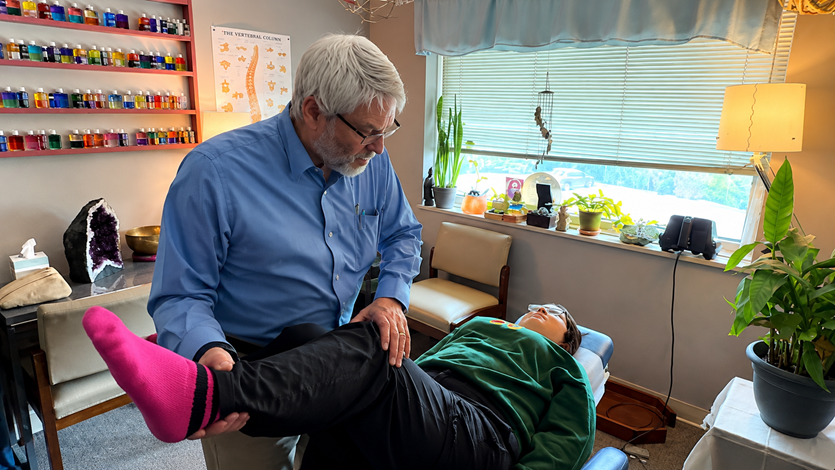


If you’re an athlete dealing with arm pain, you already know how frustrating it can be. Whether it shows up during a throwing motion, a lift, a swing, or a swim stroke, arm pain has a way of stopping you in your tracks — and keeping you there longer than you’d like. Here at Northstar Integrated Health & Physical Medicine Center in Lisle, IL, we work with athletes of all levels who come in looking for answers and, more importantly, a clear path back to doing what they love. Arm pain in athletes isn’t something you should simply push through or ignore. Understanding what’s driving that discomfort is the first step toward a real recovery.
What Is Arm Pain in Athletes?
Arm pain in athletes refers to any discomfort, aching, weakness, or sharp sensation felt anywhere along the arm — from the shoulder and upper arm down through the elbow, forearm, wrist, and hand. It can stem from overuse injuries, structural problems in the joints, nerve irritation, muscle strain, or even issues originating in the neck or upper spine. Because the arm is involved in nearly every athletic activity, pain in this region can significantly impact performance and quality of life.
Common Causes of Arm Pain in Athletes
Arm pain rarely comes from just one place. In athletes, the cause is usually multifactorial — meaning several contributing factors are working together to create a problem. Understanding the most common culprits can help you have a more informed conversation with your care team and avoid making the injury worse.
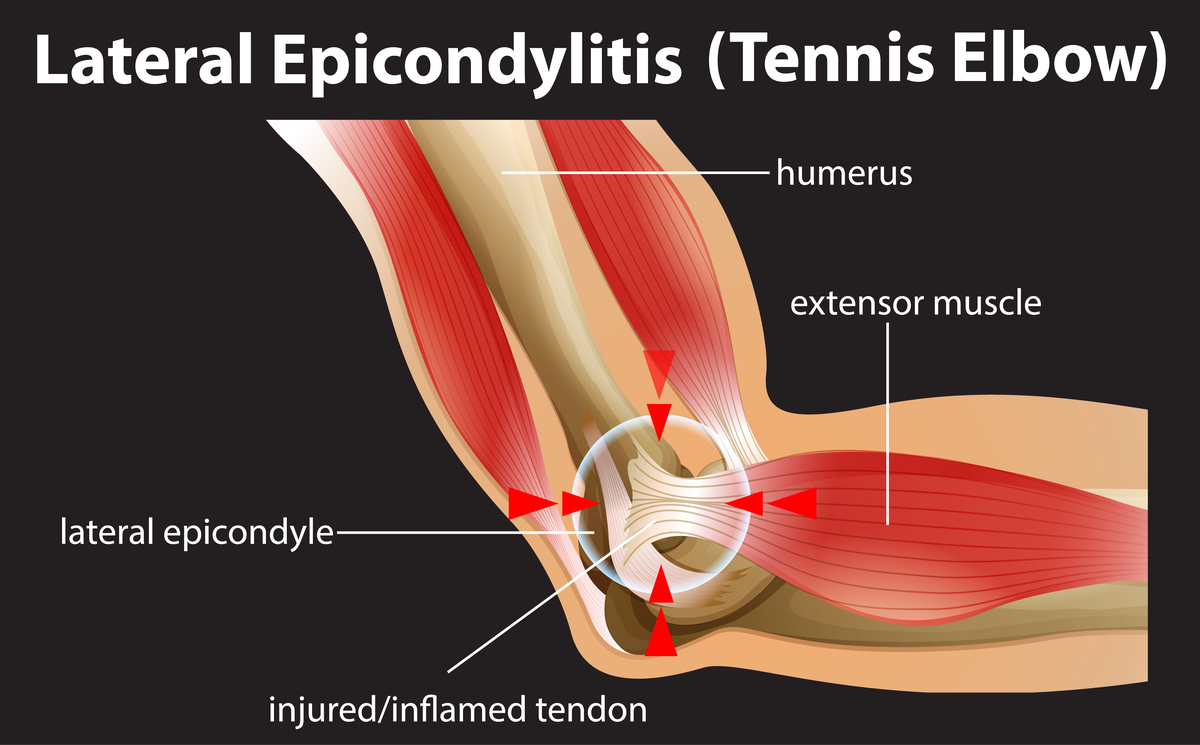
Overuse injuries are among the most frequent causes of arm pain in athletes. When the same motions are repeated day after day — a pitcher’s windup, a tennis backhand, a swimmer’s freestyle stroke — tissues break down faster than they can repair themselves. Tendons are especially vulnerable to this kind of stress, leading to conditions like lateral epicondylitis (often called tennis elbow) or medial epicondylitis (golfer’s elbow).
Rotator cuff injuries are another major contributor, particularly in overhead athletes like baseball players, volleyball players, and swimmers. The rotator cuff is a group of four muscles and their tendons that stabilize the shoulder joint. When one or more of these structures becomes irritated, partially torn, or impinged, pain can radiate down the arm and interfere with even basic movements.
Nerve-related causes are also worth discussing. The nerves that travel down the arm originate from the cervical spine — your neck. When spinal segments in the neck become restricted, misaligned, or irritated, they can compress or irritate those nerve roots, creating symptoms that feel like they’re coming from the arm itself. This is called cervical radiculopathy, and it’s something that chiropractors like Dr. Paul Rieselman at Northstar Integrated Health & Physical Medicine Center are specifically trained to identify and address.
Thoracic outlet syndrome, bicep tendon issues, wrist sprains, and stress fractures in the forearm bones are additional possibilities. Each of these causes has its own pattern of symptoms, which is why a thorough evaluation matters so much.
Signs and Symptoms You Shouldn’t Ignore
Not all arm pain looks the same. Some athletes describe a dull, nagging ache that shows up after practice. Others experience sharp, shooting pain during a specific movement. Some notice tingling or numbness in the fingers — a sign that nerves may be involved. Recognizing the full picture of your symptoms helps your chiropractor develop a more targeted, effective care plan.
Pain that worsens with specific activities — like throwing, gripping, or lifting — often points to a structural issue in the elbow, shoulder, or wrist. If you notice swelling, warmth, or significant bruising around a joint, that’s a signal that tissue damage may be more serious and warrants prompt evaluation.
Weakness in the arm or hand — especially if it’s new or progressive — should never be dismissed. Weakness can indicate nerve compression or muscle involvement that needs attention sooner rather than later. The same goes for pain that wakes you up at night, pain that doesn’t respond to rest, or symptoms that seem to be spreading rather than improving.
At Northstar Integrated Health & Physical Medicine Center in Lisle, IL, Dr. Paul Rieselman takes the time to listen carefully to each athlete’s full symptom picture. The location, quality, timing, and triggers of your pain are all important diagnostic clues that guide the evaluation process.
How Chiropractic Care Fits Into Your Recovery
There’s a common misconception that chiropractic care is only for back pain. The reality is that chiropractic assessment and care extends well into the upper extremities and the structures that support them. For athletes with arm pain, chiropractic offers a non-invasive, drug-free approach that looks at the whole kinetic chain — not just the spot where it hurts.
The kinetic chain is a concept that describes how different parts of the body are linked together in movement. When you throw a ball, swing a racket, or perform a clean and jerk, the force starts from the ground up, travels through your hips and core, into your shoulders and arms, and finally through your hands. A breakdown anywhere along that chain — including in the spine — can alter mechanics and place abnormal stress on the arm.
Chiropractic adjustments to the cervical spine, thoracic spine, and shoulder girdle can help restore proper joint mechanics, reduce nerve irritation, and improve range of motion. Research published in peer-reviewed journals suggests that spinal manipulation combined with soft tissue therapies can be beneficial for musculoskeletal pain, particularly in athletes whose pain has a biomechanical component.
At Northstar Integrated Health & Physical Medicine Center, the approach is integrated and individualized. Dr. Paul Rieselman doesn’t just work on the area that hurts — he evaluates posture, movement patterns, joint mobility, and spinal alignment to understand the full picture. Depending on your specific situation, care may include chiropractic adjustments, soft tissue work, rehabilitative exercises, and movement coaching to help you return to your sport with better mechanics and reduced risk of re-injury.
The goal is never just to get you out of pain. It’s to help you move better, train smarter, and stay healthier for the long term.
Practical Tips for Athletes Managing Arm Pain
While professional evaluation is always the recommended starting point, there are several evidence-informed habits that athletes can adopt to support recovery and reduce the likelihood of arm pain becoming a chronic issue.
First, respect the role of rest and active recovery. Pushing through significant arm pain almost always makes injuries worse. A day or two of relative rest — meaning you reduce intensity and avoid aggravating movements rather than stopping all activity — can make a meaningful difference in how quickly tissues heal.
Warm up properly before every training session. Cold, stiff muscles and tendons are more vulnerable to strain. A dynamic warm-up that includes shoulder circles, arm swings, and controlled wrist and elbow movements gradually increases blood flow and prepares the tissues for more demanding work.
Pay attention to your mechanics. Many overuse injuries in athletes develop not because they trained too much, but because they trained with faulty mechanics over time. A slight flaw in your throwing motion or your swim stroke can place cumulative stress on specific structures. Working with a coach, physical therapist, or chiropractor to evaluate and refine your technique is a worthy investment.
Strengthen what supports the arm. The shoulder girdle, rotator cuff, and scapular stabilizers play a critical role in protecting the arm during athletic activity. Exercises targeting these areas — under appropriate professional guidance — can reduce the load placed on smaller, more vulnerable structures during sport-specific movements.
Stay hydrated and prioritize sleep. These basics have a surprisingly significant impact on soft tissue recovery, inflammation management, and overall resilience. Healing happens during rest, and chronically under-recovered athletes are much more prone to overuse injuries.
When to See a Chiropractor for Arm Pain
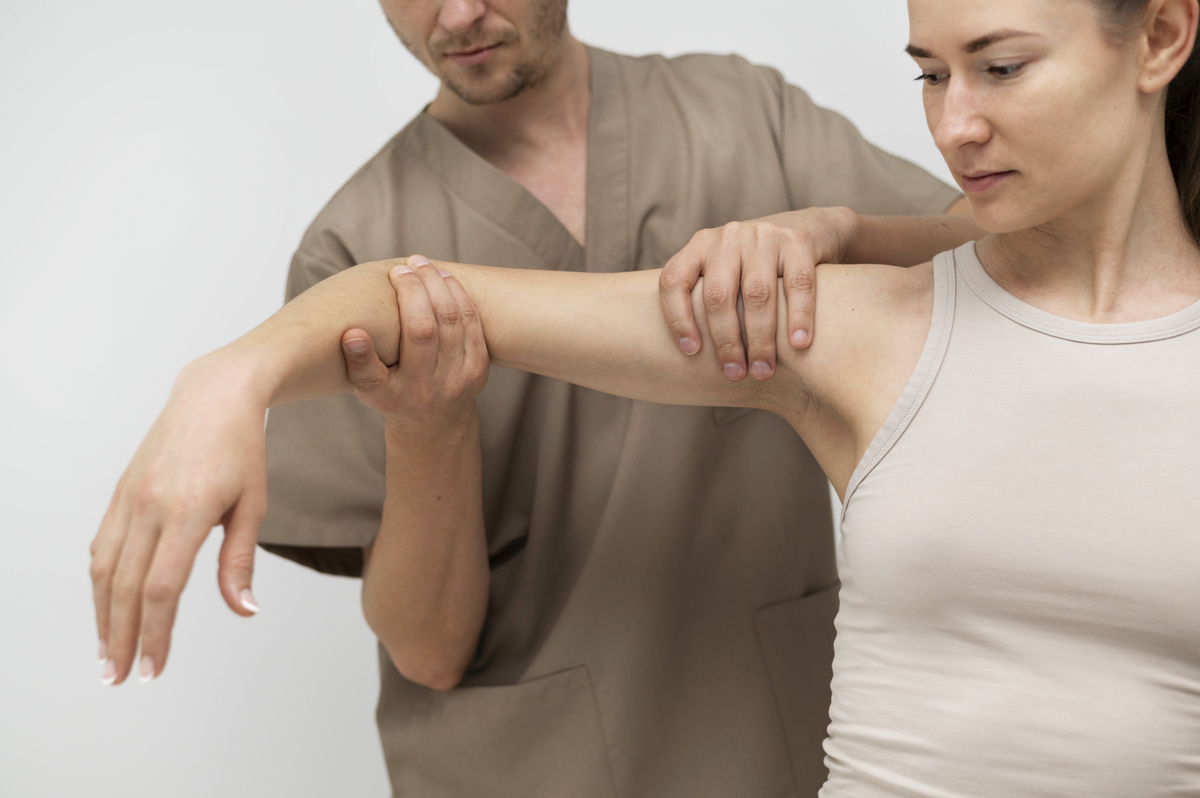
Many athletes wait far too long before seeking care. They hope the pain will resolve on its own, or they’re afraid that seeing a provider means being told to stop training entirely. At Northstar Integrated Health & Physical Medicine Center in Lisle, IL, the approach is to help athletes stay active whenever safely possible — not to bench them unnecessarily.
You should consider scheduling a chiropractic evaluation if your arm pain has lasted more than two weeks without significant improvement, if it’s interfering with training or competition, or if it keeps returning in the same pattern. These are signs that the underlying cause hasn’t been addressed, and continuing to train without intervention increases the risk of turning a manageable issue into a more serious one.
There are also red flags that warrant more urgent medical attention. If your arm pain is accompanied by chest pain, shortness of breath, or pain radiating to the jaw or left shoulder, seek emergency care immediately — these can be signs of cardiac events unrelated to musculoskeletal causes. Sudden severe pain after trauma, visible deformity of a joint, or complete loss of arm function should also be evaluated in an emergency or urgent care setting before chiropractic care begins.
For most athletes with arm pain, though, a chiropractic evaluation is an excellent first step. It’s a safe, thorough, conservative approach that can identify the source of the problem and outline a clear path forward.
Treatment Approaches: A Side-by-Side Look
|
Approach |
Invasiveness |
Addresses Root Cause |
Typical Use Case |
Return to Sport Timing |
|---|---|---|---|---|
|
Chiropractic Care |
Non-invasive |
Yes — focuses on mechanics and spinal alignment |
Overuse injuries, nerve irritation, joint dysfunction |
Varies; often allows modified training during care |
|
Rest Only |
Non-invasive |
Partially — reduces inflammation but may not fix mechanics |
Minor strains, early-stage injuries |
May improve short term; recurrence is common |
|
Over-the-Counter Medication |
Non-invasive (systemic) |
No — manages symptoms only |
Short-term pain and inflammation management |
May allow training but masks pain signals |
|
Corticosteroid Injections |
Minimally invasive |
No — reduces inflammation temporarily |
Significant inflammation, short-term relief |
Can be quick but effects may be temporary |
|
Surgery |
Highly invasive |
Yes — for structural damage |
Severe tears, fractures, failed conservative care |
Extended recovery, months of rehabilitation |
Myths vs. Facts About Arm Pain and Chiropractic Care
Myth: Chiropractic care is only for back and neck problems.
Fact: Chiropractors are trained in the assessment and management of the entire musculoskeletal system, including the shoulders, elbows, wrists, and hands. They also evaluate how spinal function affects the nerves traveling into the arm, making chiropractic a highly relevant option for many types of arm pain in athletes.
Myth: You should wait until the pain is severe before seeing a chiropractor.
Fact: Early intervention almost always leads to better outcomes. Addressing a mild overuse injury or joint restriction before it progresses into a more serious structural problem is far easier and more effective. Waiting typically means longer recovery times and more complex care needs.
Myth: Arm pain in athletes is always caused by a muscle tear and requires surgery.
Fact: The majority of arm pain in athletes is related to overuse, poor mechanics, joint restriction, or nerve irritation — all of which are well within the scope of conservative care. Surgery is generally considered only after conservative approaches have been given a fair trial, except in cases of severe structural damage.
Myth: Chiropractic adjustments to the neck can’t help arm symptoms.
Fact: Because the nerves that control arm sensation and function originate in the cervical spine, restoring proper function to the neck through chiropractic adjustments can meaningfully reduce arm symptoms in cases of cervical radiculopathy or nerve root irritation. This is a well-supported mechanism within chiropractic and neurology.
Myth: Rest alone is enough to fix arm pain.
Fact: Rest addresses inflammation but rarely corrects the underlying mechanical issue that caused the injury. Without addressing faulty movement patterns, joint restrictions, or structural imbalances, many athletes find that their arm pain returns as soon as they resume training at full intensity.
Final Thoughts from Northstar Integrated Health
Arm pain doesn’t have to be the thing that defines your season or derails your athletic goals. Here in Lisle, IL, our team at Northstar Integrated Health & Physical Medicine Center is genuinely committed to helping athletes recover fully, move well, and get back to the activities they love — with a better understanding of their body than before.
Dr. Paul Rieselman brings an integrated, thorough perspective to every athlete who walks through our doors. Rather than treating symptoms in isolation, the focus is always on understanding the whole person — how they move, how they train, and what their body needs to heal and perform optimally. That approach makes a real difference in long-term outcomes.
If you’ve been dealing with arm pain and you’re not sure where to turn, know that chiropractic care is a safe, evidence-informed starting point. You don’t have to push through pain alone, and you don’t have to jump straight to more invasive interventions. Conservative, integrative care is often all it takes — and that’s exactly what we’re here to provide.
We’re proud to serve athletes in Lisle and the surrounding communities. If your arm pain is affecting your training, your competition, or your daily life, we encourage you to reach out to Northstar Integrated Health & Physical Medicine Center and take that first step toward a real recovery plan.
Frequently Asked Questions
Can a chiropractor help with tennis elbow?
Yes. Lateral epicondylitis, commonly known as tennis elbow, is a condition that responds well to conservative care, including chiropractic treatment. Soft tissue therapy, joint mobilization of the elbow, and addressing contributing factors in the wrist, shoulder, and cervical spine are all part of a comprehensive chiropractic approach to this condition.
How long does it take for arm pain to improve with chiropractic care?
The timeline varies depending on the severity and duration of the injury, the underlying cause, and how consistently the athlete engages with their care plan. Many athletes notice meaningful improvement within several visits, while more complex or chronic issues may require a longer course of care. Dr. Paul Rieselman will give you a realistic expectation based on your specific situation.
Is chiropractic care safe for athletes who play contact sports?
Chiropractic care is generally considered very safe for athletes, including those in contact sports. The approach is always tailored to the individual, and Dr. Paul Rieselman takes into account the demands of your sport and the nature of your injury when designing your care plan. Safety and appropriate progression are always the priority.
Can arm pain originate from the neck or spine?
Absolutely. Cervical radiculopathy — nerve irritation or compression at the level of the cervical spine — is a well-documented cause of arm pain, tingling, and weakness. A chiropractic evaluation includes assessment of the cervical spine to determine whether spinal involvement is contributing to your arm symptoms.
Do I need a referral to see Dr. Paul Rieselman at Northstar Integrated Health & Physical Medicine Center?
In most cases, you do not need a referral to see a chiropractor. Chiropractors are primary contact practitioners, meaning you can schedule directly without being sent by another provider. However, it’s always worth checking with your insurance plan if coverage is a concern.
What should I bring or expect at my first visit for arm pain?
At your first visit to Northstar Integrated Health & Physical Medicine Center in Lisle, IL, you can expect a thorough health history, a physical and orthopedic examination, and a discussion of your symptoms and athletic goals. Bringing any relevant imaging, prior records, or notes about when and how your symptoms began will help Dr. Paul Rieselman develop the most accurate assessment possible.
TL;DR Summary
-
Arm pain in athletes often stems from overuse, poor mechanics, joint dysfunction, or nerve irritation originating in the cervical spine — not just local muscle damage.
-
Chiropractic care at Northstar Integrated Health & Physical Medicine Center addresses the full kinetic chain, helping identify and correct the root causes of arm pain rather than just managing symptoms.
-
Dr. Paul Rieselman in Lisle, IL takes an integrated, individualized approach that may include spinal adjustments, soft tissue therapy, and rehabilitative guidance to support a full return to sport.
-
Early intervention leads to better outcomes — athletes shouldn’t wait until pain is severe before seeking evaluation.
-
Most arm pain in athletes can be managed conservatively, without surgery or reliance on medication, when assessed and treated appropriately.