
You’re walking up the stairs, getting up from a chair, or simply going about your day when you notice your knee hurts. Maybe it started as a mild ache and gradually became more noticeable, or perhaps the discomfort seemed to appear out of nowhere. If this sounds familiar, you’re not alone. At Northstar Integrated Health & Physical Medicine Center in Lisle, IL, we see patients with knee pain every day. Whether it’s caused by overuse, arthritis, a previous injury, or changes in the way your body moves, knee pain can make even simple daily activities difficult. The good news? Many cases of knee pain respond well to conservative, non-invasive care that addresses the underlying cause rather than simply masking symptoms.
What does it mean when your knee hurts?
Knee pain isn’t a condition by itself. It’s a symptom that can stem from several different structures within or around the knee joint. Cartilage, ligaments, tendons, muscles, and even the hips or lower back can all contribute to knee discomfort. In some cases, pain develops gradually due to repetitive stress or age-related wear and tear. In others, it may be linked to poor movement patterns, muscle imbalances, or inflammation. Identifying the true source of your knee pain is the first step toward finding effective, long-lasting relief.
Common Causes of Unexplained Leg Pain
Knee pain is one of the most common musculoskeletal complaints, but the knee itself is not always the true source of the problem. Because the knee is a complex joint that depends on healthy muscles, ligaments, cartilage, and proper alignment, pain can develop for many different reasons. Dr. Paul Rieselman and the team at Northstar Integrated Health & Physical Medicine Center frequently evaluate patients from Lisle and the surrounding communities to determine the underlying cause rather than simply treating the symptoms.
Osteoarthritis is one of the leading causes of knee pain, particularly as we age. Over time, the protective cartilage that cushions the joint can gradually wear down, leading to stiffness, swelling, and discomfort during activities like walking, climbing stairs, or standing for extended periods. While arthritis cannot be reversed, many people find that conservative treatments can help improve mobility and reduce discomfort.
Ligament and meniscus injuries are another common source of knee pain. The ACL, MCL, PCL, and meniscus all play important roles in stabilizing and cushioning the knee. Sudden twisting movements, sports injuries, falls, or even awkward steps can strain or tear these structures, resulting in pain, swelling, instability, or difficulty bearing weight.
Overuse conditions can also contribute to persistent knee pain. Tendon irritation, commonly known as patellar tendinitis or “jumper’s knee,” often develops from repetitive running, jumping, or prolonged kneeling. Similarly, iliotibial (IT) band syndrome can cause pain along the outside of the knee, particularly in runners and cyclists, while bursitis may lead to localized swelling and tenderness around the joint.
Muscle weakness and poor movement patterns are frequently overlooked contributors to knee pain. Weakness in the hips, glutes, or core can alter the way forces are distributed through the knee during everyday activities. Tight muscles in the quadriceps, hamstrings, calves, or hip flexors may also place additional stress on the joint, gradually leading to irritation and discomfort.
Inflammatory conditions and systemic health issues can sometimes affect the knees as well. Conditions such as rheumatoid arthritis, gout, or certain autoimmune disorders may cause swelling, warmth, stiffness, and pain that require evaluation by the appropriate healthcare provider. Identifying the underlying cause is essential for developing the most appropriate treatment plan.
The Joint Connection You Might Not Know About
One of the most important things Dr. Paul Rieselman explains to patients at Northstar Integrated Health & Physical Medicine Center is that knee pain is not always caused by damage within the knee itself. The way your hips, pelvis, feet, and lower back function all influence how your knees move with every step you take.
When the joints above or below the knee are not moving properly, extra stress is often transferred directly to the knee. For example, limited hip mobility or muscle weakness can cause the knee to rotate inward during walking or exercise. Likewise, foot and ankle problems such as overpronation can change your body’s alignment and increase pressure on the knee joint over time.
The lower back can also contribute to knee symptoms. Nerves that originate in the lumbar spine provide sensation and muscle control throughout the legs. When these nerves become irritated due to conditions such as a disc injury, spinal stenosis, or joint dysfunction, pain may radiate into the thigh or around the knee. In some cases, patients are surprised to learn that what feels like knee pain may actually be referred pain originating from the spine.
Because so many structures can contribute to knee pain, a thorough evaluation is essential. Examining joint mobility, muscle strength, movement patterns, spinal function, and overall biomechanics allows the team to identify where the problem is truly coming from. Understanding the root cause is the first step toward creating a personalized treatment plan that supports better movement, improved function, and long-term joint health.
Symptoms That Help Identify the Source
Because knee pain can stem from many different structures within and around the joint, paying attention to how your symptoms feel and when they occur can provide valuable clues. Not all knee pain presents the same way, and these patterns help guide an accurate diagnosis.
Pain that develops gradually around the front or behind the kneecap and worsens with activities like climbing stairs, squatting, kneeling, or sitting for long periods may be related to patellofemoral pain syndrome or cartilage irritation. It often feels like a dull ache and may improve with rest or changes in activity.
Pain that is sharp and localized along the inside or outside of the knee, especially after twisting or pivoting, may indicate irritation or injury to the meniscus or supporting ligaments. Some people also notice clicking, catching, or a feeling that the knee wants to give way during movement.
Pain accompanied by stiffness, particularly first thing in the morning or after prolonged inactivity, may be associated with degenerative changes such as osteoarthritis. While the joint may loosen up with gentle movement, symptoms often return after extended activity or weight-bearing.
Significant swelling, redness, warmth, or severe pain following an injury should be evaluated promptly, as these symptoms may indicate a more serious condition such as a fracture, ligament injury, joint infection, or inflammatory process. Likewise, if your knee repeatedly locks, buckles, or cannot fully straighten, it is important to seek a professional evaluation to determine the underlying cause.
How Chiropractic Care Fits Into Knee Pain Relief
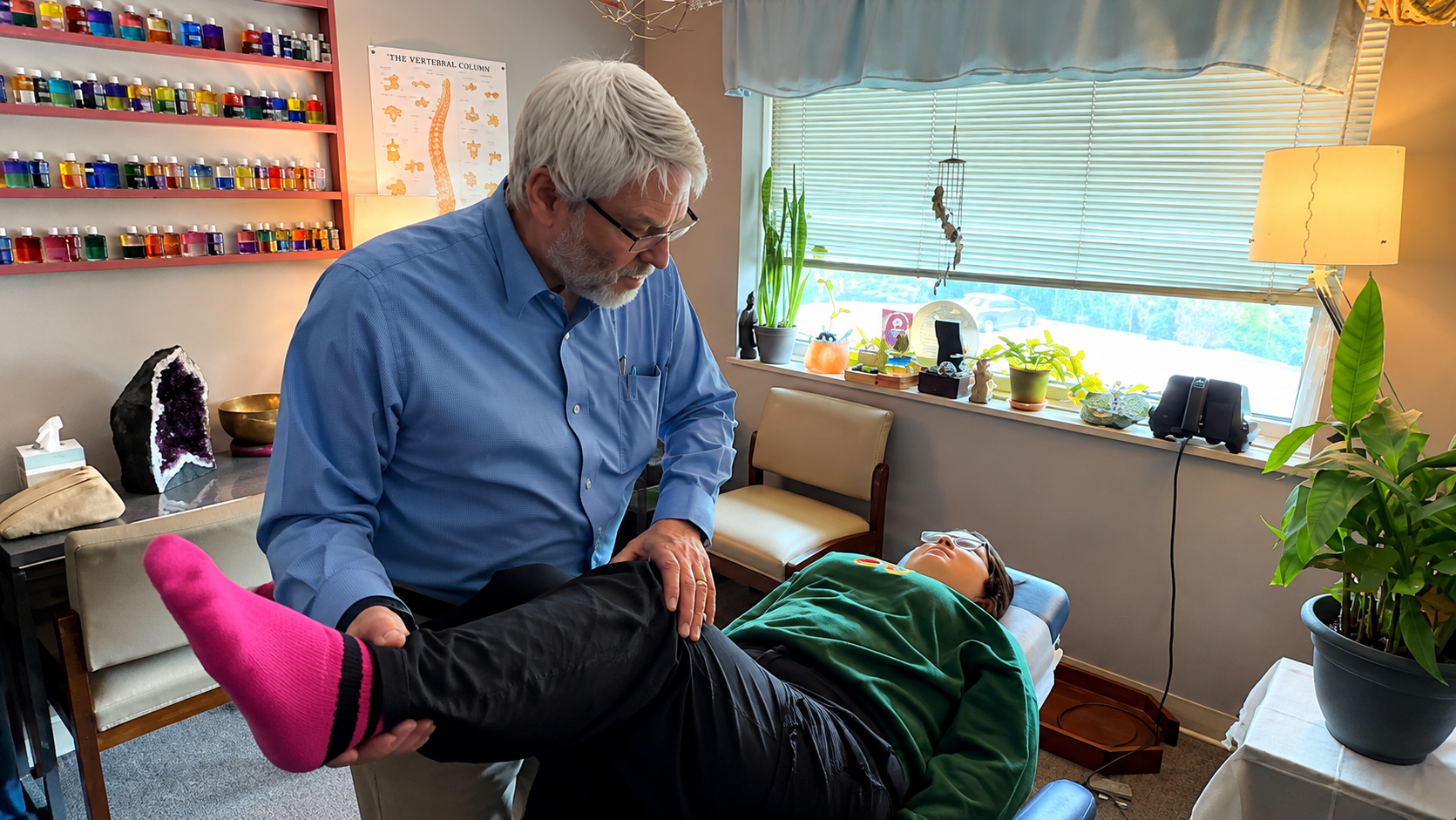
At Northstar Integrated Health & Physical Medicine Center in Lisle, IL, the approach to knee pain begins with identifying the true source of the problem. Dr. Paul Rieselman takes a comprehensive health history, performs a detailed orthopedic and functional examination, and may review diagnostic imaging when appropriate to determine whether your knee pain is caused by joint degeneration, ligament or tendon irritation, biomechanical imbalances, or even issues originating elsewhere in the body.
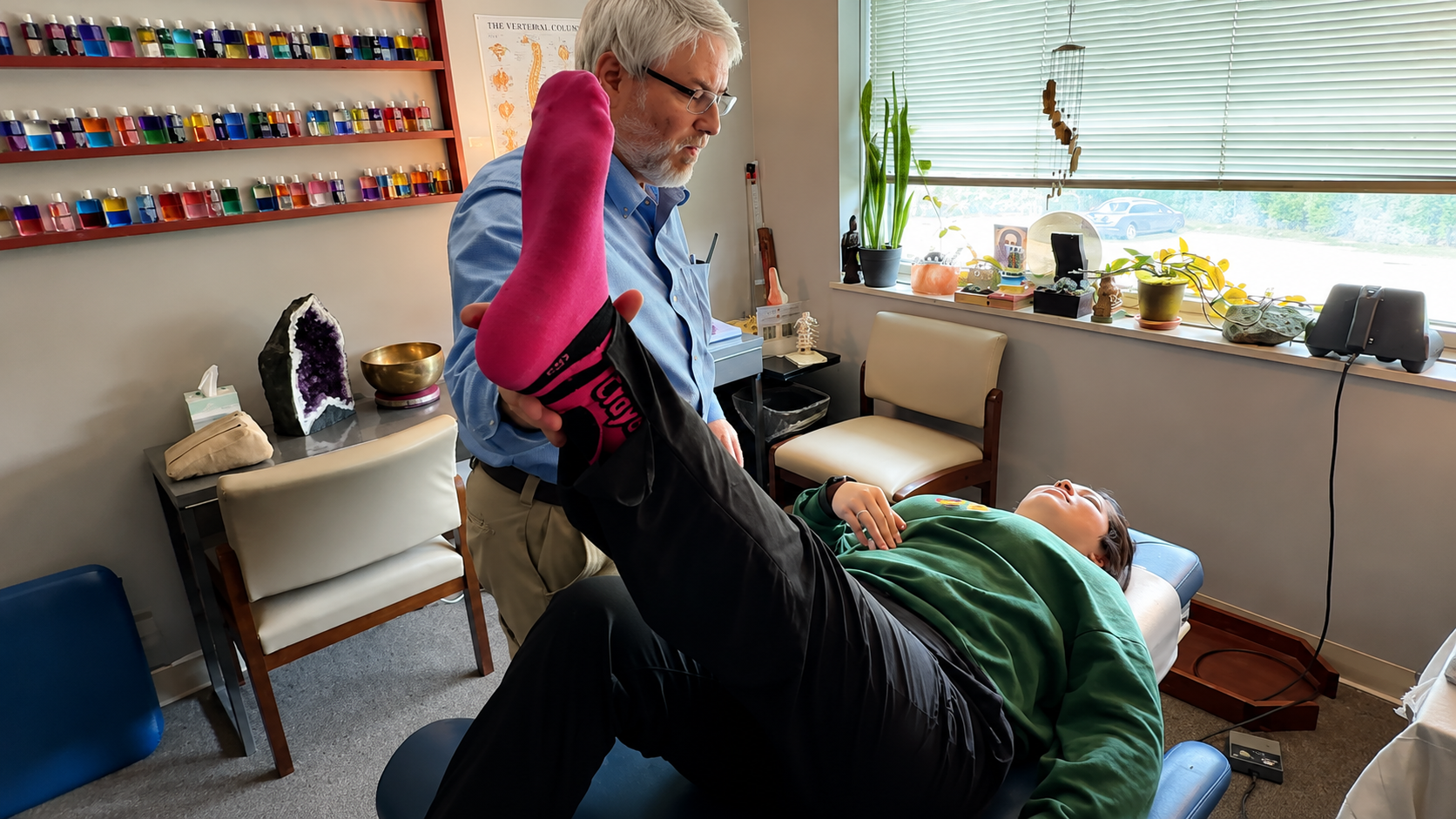
Treatment is based on your specific diagnosis rather than simply masking symptoms. Chiropractic care may include gentle adjustments to improve the alignment and mobility of the knee, hips, pelvis, and spine, helping reduce abnormal stress on the joint and improve movement. Research has shown that manual therapy, when combined with targeted exercise, can be an effective conservative approach for many common causes of knee pain, including osteoarthritis and certain overuse conditions.
As an integrated health center, Northstar Integrated Health & Physical Medicine Center offers far more than chiropractic adjustments alone. Depending on your condition, your care plan may also include rehabilitative exercises to improve strength and stability, soft tissue therapies to address muscle tension and movement restrictions, regenerative medicine options when appropriate, and other evidence-based treatments designed to support healing, reduce pain, and restore function. By addressing both the knee itself and the surrounding structures that influence how it moves, the goal is to provide more lasting results.
One of the greatest benefits of seeking care for knee pain is receiving an accurate diagnosis and a personalized treatment plan. Not all knee pain has the same cause, and effective treatment depends on understanding what’s driving your symptoms. Dr. Paul Rieselman is committed to helping every patient understand their condition, explore the most appropriate treatment options, and, when necessary, coordinate referrals to ensure they receive the care that’s right for them.
Practical Tips to Support Your Recovery
Whether you’re already working with a chiropractor or just beginning to explore your options, there are practical steps you can take each day to help support your knee health. Small, consistent habits can reduce unnecessary stress on the joints, improve mobility, and help you stay active.
One of the most important things you can do is keep moving. Long periods of sitting can cause the muscles surrounding the knees to become stiff and weak, making it more difficult to move comfortably. If you spend much of your day at a desk or in the car, make it a habit to stand up and walk around every 30 to 45 minutes. Even a few minutes of gentle movement can help keep your joints flexible.
Wear supportive footwear whenever possible. Shoes that provide good arch support and cushioning can help improve your body’s alignment and reduce unnecessary strain on your knees. If your shoes are worn out or no longer provide adequate support, replacing them may make a noticeable difference in your comfort.
Strengthening the muscles that support the knee is also important. Gentle exercises that target the quadriceps, hamstrings, glutes, and core can improve stability and reduce stress on the knee joint. Low-impact activities such as walking, swimming, or cycling are often well tolerated, but always work within a comfortable range and consult your healthcare provider before beginning a new exercise program.
Finally, maintain a healthy body weight whenever possible. Even modest weight loss can significantly reduce the amount of pressure placed on the knees during everyday activities such as walking, climbing stairs, and standing. Combined with regular movement and proper joint care, these healthy habits can go a long way toward supporting long-term knee function and comfort.
When to See a Chiropractor for Knee Pain
If your knee pain has been present for more than a few days without a clear cause, it’s worth getting evaluated. You don’t need to wait until the pain becomes severe or starts limiting your daily activities. Early evaluation can often lead to faster improvement and may help prevent a minor problem from becoming a chronic condition.
Chiropractic care may be a good option when your knee pain is accompanied by hip, ankle, or low back discomfort, when it worsens with walking, climbing stairs, squatting, or prolonged sitting, or when it developed after increased physical activity or repetitive movements. These patterns can indicate joint dysfunction, muscular imbalances, or biomechanical issues that often respond well to conservative chiropractic care.
There are certain situations where you should seek immediate medical attention rather than waiting for a chiropractic appointment. These include severe knee pain following a significant injury, an obvious deformity, inability to bear weight, rapid swelling after trauma, signs of infection such as redness, warmth, and fever, or sudden swelling and pain in the calf that could indicate a blood clot. These are important warning signs that require prompt medical evaluation, and any responsible chiropractor will refer you to the appropriate healthcare provider when necessary.
Knee Pain at a Glance: Common Causes Compared
|
Cause |
Common Symptoms |
Typical Triggers |
Chiropractic Relevant? |
|---|---|---|---|
Patellofemoral Pain Syndrome (Runner’s Knee) |
Pain around or behind the kneecap, especially with stairs, squatting, or prolonged sitting |
Overuse, poor tracking of the kneecap, muscle imbalances |
Yes — addressing biomechanics and lower extremity alignment may help |
Knee Osteoarthritis |
Aching pain, stiffness, swelling, reduced range of motion |
Age-related joint wear, previous injury, excess joint loading |
Yes — conservative care may help improve mobility and reduce mechanical stress |
Meniscus Injury |
Joint line pain, clicking, catching, swelling, limited motion |
Twisting injuries, deep squatting, degeneration |
Partial — evaluation is important; conservative care may help in some cases |
Ligament Sprain (ACL, MCL, LCL, PCL) |
Pain, swelling, instability, difficulty bearing weight |
Sports injuries, sudden twisting, direct impact |
Partial — rehabilitation support after appropriate medical evaluation |
Patellar Tendinitis (Jumper’s Knee) |
Pain below the kneecap, tenderness with activity |
Repetitive jumping, running, overuse |
Yes — movement assessment and conservative care may support recovery |
Bursitis |
Localized swelling, tenderness, warmth around the knee |
Repetitive kneeling, prolonged pressure, overuse |
Partial — conservative care may help once serious causes are ruled out |
IT Band Syndrome |
Pain on the outside of the knee, especially during running |
Repetitive knee bending, training errors, muscle imbalance |
Yes — addressing movement patterns and soft tissue dysfunction may help |
Referred Pain from the Hip or Lower Back |
Knee pain without significant knee findings, sometimes accompanied by hip or back discomfort |
Lumbar dysfunction, hip joint problems, altered gait |
Yes — identifying and addressing the source of referred pain is often appropriate |
Myths vs. Facts About Knee Pain
Myth: If my knee hurts, the problem must be in my knee.
Fact: This is one of the most common misconceptions Dr. Paul Rieselman discusses with patients. While the knee is often the source of pain, symptoms can also be related to issues in the hips, feet, or even the lower back that change how the knee moves and functions. A comprehensive evaluation helps identify the true source of the problem rather than simply treating the area that hurts.
Myth: Knee pain that comes and goes is nothing to worry about.
Fact: Intermittent knee pain can still indicate an underlying joint, muscle, tendon, or movement issue that may worsen over time if left unaddressed. Symptoms that flare up during certain activities or return repeatedly deserve attention. Identifying the cause early can often lead to a faster and more effective recovery.
Myth: Rest is always the best treatment for knee pain.
Fact: While brief rest may be appropriate after an acute injury, prolonged inactivity can contribute to joint stiffness, muscle weakness, and reduced mobility. For many musculoskeletal causes of knee pain, gentle movement and a guided rehabilitation plan can support healing and improve function. Staying appropriately active is often an important part of recovery.
Myth: Chiropractic care only helps with back pain, not knee pain.
Fact: Chiropractic care can play an important role in managing many types of knee pain by improving joint mobility, addressing movement dysfunction, and supporting healthy biomechanics throughout the lower body. Because the way the hips, ankles, and spine function can influence the knee, care is designed to address the underlying factors contributing to discomfort rather than focusing only on the painful area.
Myth: You need an MRI or X-ray before a chiropractor can help your knee pain.
Fact: Although imaging is valuable in some situations, it is not always necessary as the first step. A thorough clinical examination, including orthopedic testing, movement assessment, and a review of your health history, often provides enough information to begin an appropriate course of care. If imaging is clinically indicated, it can be recommended as part of the evaluation process.
Final Thoughts from Northstar Integrated Health
Knee pain can make even the simplest daily activities feel frustrating, but it almost always has an underlying cause. Whether your discomfort is related to joint dysfunction, arthritis, an old injury, muscle imbalances, ligament strain, or another issue entirely, the first step is getting a thorough evaluation to identify what’s really causing your symptoms.
Here at Northstar Integrated Health & Physical Medicine Center, we are proud to serve the Lisle, IL community and the surrounding area with compassionate, patient-centered, and evidence-informed care. Dr. Paul Rieselman and our team take the time to listen to your concerns, perform a comprehensive evaluation, and explain your findings clearly so you can make informed decisions about your care. Our goal is to help you address the root cause of your knee pain rather than simply masking the symptoms.
If knee pain has been limiting your ability to walk, exercise, climb stairs, or enjoy your everyday activities, don’t ignore it or assume it’s something you just have to live with. Schedule an evaluation with our team today, and let’s work together to help you move more comfortably and confidently.
Frequently Asked Questions About Knee Pain
Can knee pain come from somewhere other than the knee?
Yes. While many cases of knee pain originate in the joint itself, pain can also be referred from the hips, lower back, or surrounding muscles. Problems with movement patterns, posture, or nerve irritation may contribute to knee discomfort, which is why a thorough evaluation is important.
How long should I wait before seeing someone about knee pain?
If your knee pain lasts more than a few days without improving, keeps returning, or makes it difficult to walk, climb stairs, or perform everyday activities, it’s a good idea to have it evaluated. Early assessment can help identify the cause and may prevent the condition from becoming more persistent.
Can sitting too much cause knee pain?
Yes. Prolonged sitting can lead to stiffness in the knees and surrounding muscles, especially if your knees remain bent for long periods. Tight hips, weak leg muscles, and reduced circulation from a sedentary lifestyle can all contribute to knee discomfort. Regular movement throughout the day can help reduce stiffness and support healthy joint function.
Is knee pain at night something to be concerned about?
Occasional nighttime knee discomfort can result from overuse, arthritis, or inflammation. However, severe pain that wakes you consistently, significant swelling, redness, warmth, fever, or pain following a serious injury should be evaluated promptly by a healthcare professional to rule out more serious conditions.
What does a chiropractor actually do for knee pain?
For knee pain related to joint mechanics or musculoskeletal dysfunction, a chiropractor performs a thorough evaluation to identify contributing factors. Treatment may include gentle joint adjustments, soft tissue therapy, mobility exercises, and personalized rehabilitation strategies designed to improve movement, reduce discomfort, and support the body’s natural healing process.
When is knee pain a medical emergency?
Seek immediate medical care if your knee pain follows significant trauma that prevents you from bearing weight, if the knee appears severely deformed, or if you develop sudden swelling accompanied by redness, warmth, fever, or severe pain. These symptoms may indicate a fracture, joint infection, or another condition requiring urgent medical attention. Any responsible chiropractor will refer you to the appropriate provider when emergency care is needed.
TL;DR — Key Takeaways
-
Knee pain that seems to have no cause is rarely random — it commonly traces back to spinal nerve irritation, muscle imbalances, SI joint dysfunction, or vascular issues.
-
The spine and legs are deeply connected through nerve pathways; a problem in the lower back can produce significant leg pain even when the back itself feels fine.
-
Chiropractic care at Northstar Integrated Health & Physical Medicine Center in Lisle, IL addresses many common causes of leg pain through spinal adjustments, soft tissue therapy, and individualized rehabilitation.
-
Simple daily habits — like breaking up prolonged sitting, staying hydrated, and sleeping in a spine-friendly position — can meaningfully support leg health.
-
Don’t wait for severe pain to seek evaluation. Early care from Dr. Paul Rieselman and the Northstar team can help identify the cause and get you on the path to feeling better sooner.