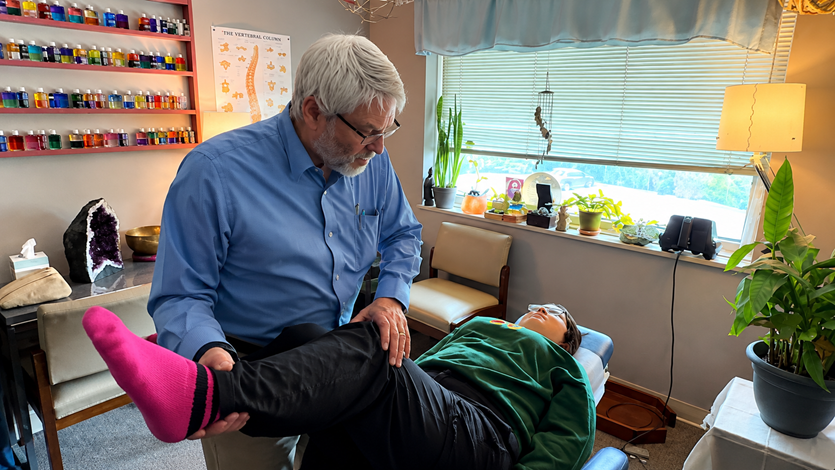


You’re going about your day, and suddenly your leg starts aching — no injury, no obvious cause, no clear explanation. It’s one of the most puzzling and frustrating experiences a person can have. Leg pain that seems to come out of nowhere is actually one of the most common reasons people in Lisle, IL visit our office at Northstar Integrated Health & Physical Medicine Center. The good news? That mysterious leg pain almost always has a cause — and often, it’s something that responds very well to conservative, non-invasive care. Understanding what’s behind your symptoms is the first step toward feeling better.
What Does It Mean When Your Leg Hurts for No Reason?
Leg pain that appears without an obvious injury or trauma is sometimes called idiopathic leg pain — meaning its origin isn’t immediately clear. In most cases, however, the pain does have an underlying cause rooted in the musculoskeletal or nervous system. The pain may feel like aching, burning, sharp stabbing, tingling, or heaviness. It can affect the thigh, knee, calf, shin, or the entire leg from hip to foot.
- Common Causes of Unexplained Leg Pain
- When the Spine Is the Real Culprit
- How Chiropractic Care Fits In
- Practical Tips to Support Leg Health at Home
- When to See a Chiropractor — and When to Go to the ER
- Leg Pain Causes at a Glance
- Myths vs. Facts About Leg Pain
- Final Thoughts from Northstar Integrated Health
Common Causes of Unexplained Leg Pain
When patients come in describing leg pain with no clear injury, there are several underlying causes that Dr. Paul Rieselman and the team at Northstar Integrated Health & Physical Medicine Center commonly identify during evaluation. Understanding these root causes helps remove a lot of the worry people carry when they don’t have a name for what they’re feeling.
Muscle Tension and Overuse
This is far more common than most people realize. You don’t have to run a marathon to overwork a muscle. Sitting at a desk all day in a poor posture, walking on hard concrete floors, or simply increasing your activity level slightly can create significant muscle tension and micro-fatigue in the legs. These muscles — the hamstrings, quadriceps, calves, and hip flexors — can become tight, knotted, and inflamed without any single dramatic incident to point to.
Muscle tension often refers pain to unexpected places. Tight hip flexors, for example, can cause anterior thigh pain. Overworked calf muscles may create achiness behind the knee. Because the pain doesn’t show up where the problem actually is, people assume there’s no cause — when really, the cause is just somewhere else in the chain.
Joint Dysfunction in the Hip, Knee, or Pelvis
The joints of the lower body work together in a continuous kinetic chain. When one joint isn’t moving properly — even slightly — the stress gets redistributed to other areas. A mildly dysfunctional hip joint can place excess load on the knee and even down into the ankle, creating pain that seems random. Here in Lisle, IL, Dr. Paul Rieselman frequently sees patients who have been dealing with knee or thigh pain for weeks before discovering the real source was in the hip or sacroiliac (SI) joint.
Poor Circulation and Vascular Issues
The circulatory system plays a major role in how our legs feel. Reduced blood flow — whether from prolonged sitting, varicose veins, or peripheral artery concerns — can cause heaviness, cramping, and aching sensations in the legs. These symptoms tend to worsen after long periods of inactivity or after standing for extended times. While this category can sometimes require medical attention, mild circulatory-related discomfort often improves with movement, stretching, and better postural habits.
Nutritional Deficiencies and Hydration
Low magnesium, calcium, potassium, and vitamin D levels are commonly associated with muscle cramping and leg discomfort, especially at night. Dehydration also contributes significantly to muscle cramping. These are often overlooked causes, and while they are not directly treated through chiropractic care, the team at Northstar Integrated Health & Physical Medicine Center may help identify these patterns and recommend appropriate follow-up with your primary care provider.
When the Spine Is the Real Culprit
This is perhaps the most important concept to understand about mysterious leg pain: your spine controls the nerves that travel all the way down into your feet. When something goes wrong in the spine — even something subtle — it can create pain, numbness, tingling, or weakness anywhere along the nerve’s path. And because the pain shows up in the leg rather than the back, many people never connect the two.
Sciatica and Sciatic Nerve Irritation
Sciatica is one of the most well-known causes of leg pain. The sciatic nerve is the longest nerve in the human body, running from the lower lumbar spine through the buttocks, down the back of the thigh, and all the way to the foot. When this nerve becomes compressed or irritated — from a herniated disc, bone spur, or tight piriformis muscle — it can create a shooting, burning, or electric pain sensation anywhere along its path. Some patients only feel it in the calf. Others feel it in the outer foot. The back may or may not hurt at all.
Research published in conservative care literature and acknowledged by organizations like the American Chiropractic Association suggests that spinal manipulation and targeted soft tissue therapy can help relieve the nerve pressure that drives sciatica symptoms. Dr. Paul Rieselman takes a thorough approach to assessing sciatic nerve involvement, which often includes postural evaluation and orthopedic testing during the first visit.
Lumbar Radiculopathy
Radiculopathy is the clinical term for nerve root compression in the spine. When a disc or vertebral segment in the lumbar (lower) spine puts pressure on a specific nerve root, pain and neurological symptoms follow the nerve’s pattern into the leg. Depending on which nerve root is affected, patients may feel symptoms in the front of the thigh, the outer shin, the calf, or the foot. Like sciatica, lumbar radiculopathy can produce leg pain with minimal or no back pain — which is why it often goes undiagnosed for too long.
Piriformis Syndrome
The piriformis is a small but powerful muscle located deep in the buttock. In many people, the sciatic nerve runs directly beneath this muscle — and in some, right through it. When the piriformis becomes chronically tight or inflamed (which can happen from prolonged sitting, sudden overuse, or hip alignment issues), it can compress the sciatic nerve and replicate the symptoms of classic sciatica. This is sometimes missed on imaging, making a clinical, hands-on assessment all the more important.
How Chiropractic Care Fits In
Chiropractic care is a natural, drug-free approach to diagnosing and treating the musculoskeletal and neuromuscular causes of leg pain. At Northstar Integrated Health & Physical Medicine Center in Lisle, IL, Dr. Paul Rieselman uses a whole-body, integrated approach — meaning the care isn’t just focused on where it hurts, but on understanding why.
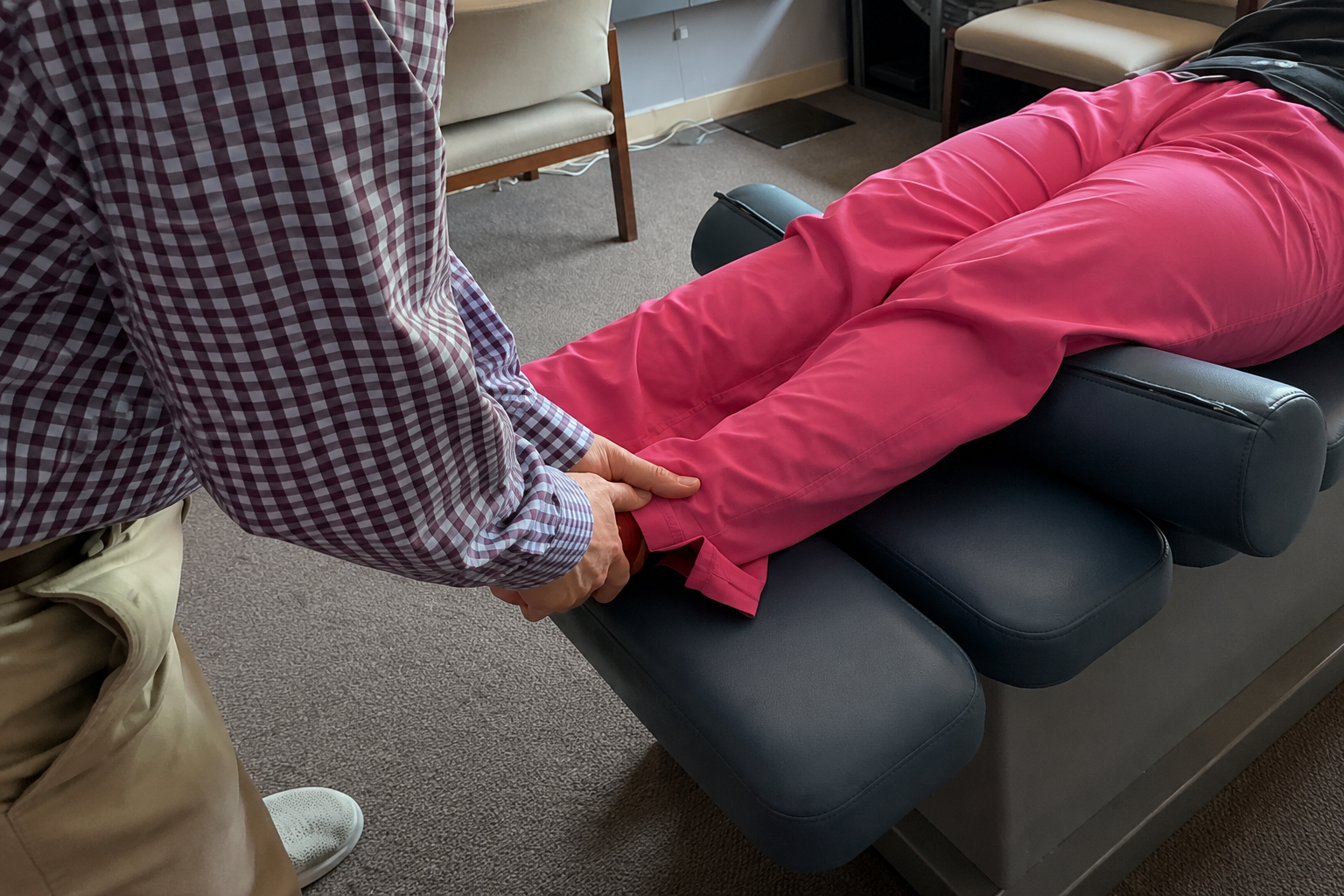
A typical evaluation for leg pain may include a detailed health history, postural and gait analysis, neurological screening, and orthopedic testing to isolate the potential source. If the pain is originating from the lumbar spine or pelvis, spinal adjustments can help restore proper joint mechanics, reduce nerve interference, and improve the body’s natural ability to heal. If soft tissue dysfunction is contributing, adjunctive therapies such as myofascial release or physical medicine modalities may be incorporated — which is a strength of the integrated model at Northstar Integrated Health & Physical Medicine Center.
It’s important to note that chiropractic care is not a cure-all, and Dr. Paul Rieselman is committed to honest, evidence-informed care. If the evaluation reveals a cause that requires co-management with another provider — such as a vascular specialist or neurologist — that referral will be made promptly. Patient health and safety always come first.
Practical Tips to Support Leg Health at Home
While professional evaluation is important, there are several things you can do day-to-day to reduce the likelihood of unexplained leg pain and support your body’s recovery. These habits are gentle, safe, and consistent with a conservative wellness philosophy.
Movement throughout the day is one of the most powerful tools you have. If you work at a desk, set a timer to stand, walk briefly, or gently stretch your legs every 30 to 45 minutes. Prolonged sitting shortens the hip flexors and reduces circulation to the legs — both of which contribute to that mystery ache by the end of the workday. Gentle calf raises, hip circles, and hamstring stretches can make a real difference when practiced consistently.
Pay attention to your footwear. Shoes without adequate arch support alter the biomechanics of your entire lower extremity — from the foot up through the ankle, knee, hip, and eventually the lumbar spine. Many patients at Northstar Integrated Health & Physical Medicine Center are surprised to learn that their leg symptoms improve significantly after addressing footwear, sometimes in combination with custom orthotics.
Stay well hydrated. Muscle cramping, especially at night, is frequently tied to dehydration and electrolyte imbalance. Aim for consistent water intake throughout the day, and if you’re active, consider replenishing electrolytes appropriately. Prioritize sleep as well — the body repairs muscle tissue and reduces inflammation during deep sleep stages, so chronic sleep deprivation can worsen musculoskeletal pain over time.
When to See a Chiropractor — and When to Go to the ER
You should consider scheduling a chiropractic evaluation if your leg pain has lasted more than a few days without improvement, if it’s interfering with your daily activities or sleep, or if you notice it consistently worsening. Tingling, numbness, or weakness in the leg are additional signals that something involving the nervous system may be at play and deserves professional attention sooner rather than later.
However, there are certain red flags that require immediate medical attention — not a chiropractic visit. These include sudden, severe leg pain accompanied by swelling, redness, and warmth (which may indicate a blood clot called deep vein thrombosis), leg pain following significant trauma, leg pain combined with loss of bladder or bowel control, or signs of stroke such as sudden weakness on one side of the body. Please go to an emergency room or call emergency services immediately if any of these symptoms are present.
Leg Pain Causes at a Glance
| Cause | Common Symptoms | Typical Location | Chiropractic Relevance |
|---|---|---|---|
| Sciatica / Sciatic Nerve Irritation | Burning, shooting, electric pain; may include tingling or numbness | Buttock, back of thigh, calf, foot | High — spinal adjustment and soft tissue care often help |
| Lumbar Radiculopathy | Nerve-pattern pain, weakness, or numbness along a specific leg zone | Thigh, shin, calf, foot (varies by nerve root) | High — spinal evaluation and decompressive care may help |
| Piriformis Syndrome | Deep buttock pain, sciatica-like symptoms | Buttock, hip, back of thigh | High — soft tissue and alignment work effective |
| Muscle Overuse / Tension | Aching, stiffness, tenderness | Hamstrings, quads, calves, hip flexors | Moderate — myofascial work, massage, and rehab may help |
| Joint Dysfunction (Hip/SI Joint) | Diffuse aching, referred pain, reduced range of motion | Hip, groin, thigh, knee | High — joint manipulation often very effective |
| Poor Circulation / Vascular | Heaviness, cramping, fatigue in legs | Calves, feet, thighs | Low — medical referral may be needed |
| Nutritional Deficiency / Dehydration | Nighttime cramping, muscle spasm | Calves, feet | Low — lifestyle guidance and referral to primary care |
Myths vs. Facts About Leg Pain
Myth: If My Back Doesn’t Hurt, My Leg Pain Can’t Be a Spine Problem
Fact: This is one of the most persistent misconceptions about spinal nerve issues. Nerve root compression in the lumbar spine or a tight piriformis muscle can absolutely produce leg pain, tingling, or weakness without any back pain whatsoever. The nerve pathway travels down the leg, and that’s where the symptoms appear — not always at the source. A proper clinical evaluation is the only way to determine if the spine is involved.
Myth: Leg Pain That Comes and Goes Isn’t Serious
Fact: Intermittent pain can be just as significant as constant pain. Symptoms that come and go may suggest that a nerve or joint is being irritated in certain positions or activities but not others. This kind of pattern is actually very useful diagnostic information, and it often means the underlying issue is catchable and treatable at a stage where conservative care is most effective.
Myth: Rest Is the Best Treatment for Leg Pain
Fact: Extended bed rest is generally not recommended for musculoskeletal leg pain, and evidence in conservative care consistently supports gentle, progressive movement over prolonged inactivity. Rest has its place — especially acutely — but staying too still for too long can lead to muscle deconditioning, joint stiffness, and worsening of the very symptoms you’re trying to relieve. Guided, appropriate movement is typically far more beneficial.
Myth: Leg Pain in Older Adults Is Just “Normal Aging”
Fact: While degenerative changes in the spine and joints do occur with age, that doesn’t mean pain should simply be accepted as inevitable. Many older adults in Lisle, IL experience significant improvement in leg pain and function through chiropractic care, physical rehabilitation, and lifestyle adjustments. Age is not a reason to avoid seeking help — in fact, it’s often a reason to be more proactive.
Myth: Chiropractic Care Is Only for Back Pain
Fact: Chiropractors are trained to evaluate and treat the entire musculoskeletal and neuromuscular system. Leg pain, hip pain, knee issues, foot mechanics, and nerve-related symptoms are all within the scope of chiropractic assessment. At Northstar Integrated Health & Physical Medicine Center, the integrated approach means that care is never limited to a single body part — the whole person is always considered.
Final Thoughts from Northstar Integrated Health & Physical Medicine Center
Leg pain that seems to come out of nowhere can feel unsettling, especially when you can’t point to an obvious reason for it. But here’s the reassuring truth: in the vast majority of cases, that pain has a real, identifiable source — and there’s something meaningful that can be done about it. You don’t have to learn to live with it.
Here at Northstar Integrated Health & Physical Medicine Center in Lisle, IL, Dr. Paul Rieselman and our team take unexplained leg pain seriously. We know how much it can affect your ability to work, sleep, move, and enjoy the things that matter to you. Our goal is always to find the root cause, explain what we find in plain terms, and work with you on a path forward that makes sense for your body and your life. Whether you’re a long-time Lisle resident or someone nearby who’s been searching for answers, we’re here to help.
Frequently Asked Questions
Can a misaligned spine really cause leg pain?
Yes, it can. When spinal vertebrae are not moving properly or are positioned in a way that compresses nearby nerve roots, those nerves can transmit pain signals along their entire path — which in the case of the lower lumbar nerves, extends down into the legs and feet. This is one of the primary reasons Dr. Paul Rieselman evaluates the spine in patients who present with leg pain, even when back pain is absent.
How long does it take for leg pain from sciatica to go away?
The duration varies depending on the severity of nerve involvement, how long it has been present, and the underlying cause. Mild cases may improve within a few weeks with conservative care and lifestyle changes. More chronic or severe cases may take longer and require a structured treatment plan. Early intervention generally leads to better and faster outcomes.
Is it safe to exercise when my leg is hurting?
It depends on the cause and severity. Gentle, low-impact movement such as walking or mild stretching is generally safe and often helpful for musculoskeletal leg pain. However, if your pain is severe, involves numbness or weakness, or worsens significantly with activity, you should have it evaluated before continuing exercise. A chiropractor or physical medicine provider can help guide appropriate activity levels.
What is the difference between muscle pain and nerve pain in the leg?
Muscle pain tends to feel like a dull ache, soreness, or tightness — often localized to a specific muscle group and worsened by direct pressure or use. Nerve pain often has a more distinctive quality: burning, shooting, electric, sharp, or accompanied by tingling and numbness. Nerve pain may also follow a specific pattern down the leg rather than being isolated in one spot. A clinical evaluation can help distinguish between the two.
Can sitting too much cause leg pain?
Absolutely. Prolonged sitting compresses the lumbar discs, shortens the hip flexors, reduces circulation to the legs, and places the sciatic nerve in a position of sustained tension — all of which can contribute to aching, tingling, and discomfort in the legs. This is a very common pattern seen at Northstar Integrated Health & Physical Medicine Center, particularly in desk workers and drivers.
Do I need an MRI before seeing a chiropractor for leg pain?
In most cases, an MRI is not required before an initial chiropractic evaluation. Dr. Paul Rieselman can perform a thorough clinical assessment using orthopedic and neurological tests that help identify the likely cause of your symptoms. If imaging is deemed necessary based on the findings, an appropriate referral will be made. Many patients receive effective care without ever needing advanced imaging.
TL;DR — Key Takeaways
- Leg pain that appears without an obvious injury almost always has an underlying cause, often rooted in the spine, nerves, joints, or muscles.
- Sciatica, lumbar nerve compression, piriformis syndrome, and joint dysfunction are among the most common musculoskeletal reasons for mysterious leg pain.
- Chiropractic care at Northstar Integrated Health & Physical Medicine Center in Lisle, IL takes a whole-body approach to finding and addressing the source — not just the symptom.
- Practical habits like regular movement breaks, proper footwear, hydration, and sleep support overall leg health and recovery.
- Red flags like sudden severe swelling, loss of bowel or bladder control, or signs of a blood clot require immediate emergency care — do not wait for a chiropractic appointment in those situations.