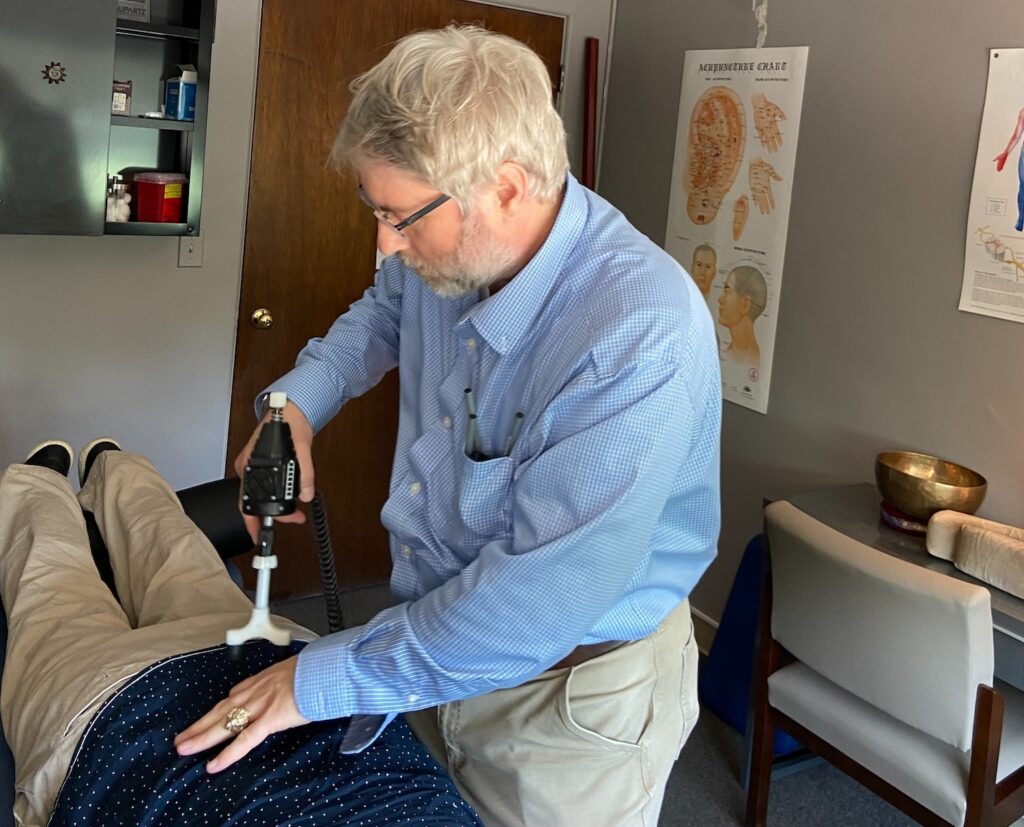


If you spend most of your workday at a desk, typing on a keyboard, clicking a mouse, or performing repetitive hand and wrist movements, you may have already felt the early warning signs of carpal tunnel syndrome — that nagging tingling, numbness, or aching discomfort in your hands and wrists that just won’t quit. Here in Lisle, IL, Dr. Paul Rieselman and the team at Northstar Integrated Health & Physical Medicine Center see this kind of workplace-related discomfort more often than you might think. The good news is that with the right ergonomic habits and a proactive approach, carpal tunnel syndrome is largely preventable — and manageable when caught early.
What Is Carpal Tunnel Syndrome?
Carpal tunnel syndrome (CTS) is a condition that occurs when the median nerve, which runs through a narrow passageway in the wrist called the carpal tunnel, becomes compressed or irritated. This compression leads to symptoms like tingling, numbness, weakness, and pain in the hand, wrist, and sometimes the forearm. It is one of the most common repetitive strain injuries associated with office work and manual labor alike.
Table of Contents
What Causes Carpal Tunnel Syndrome?
Carpal tunnel syndrome doesn’t usually happen overnight. It develops gradually, often as the result of sustained pressure or repetitive stress on the median nerve over time. Understanding what drives this condition can help you take meaningful steps to prevent it before symptoms become serious.
Repetitive hand and wrist motions are among the most well-recognized contributors. Typing on a keyboard for hours with improper wrist positioning, using a computer mouse with your wrist bent or angled awkwardly, or performing assembly-line work that involves gripping and twisting motions can all place excessive strain on the structures inside the carpal tunnel. Over time, that strain leads to inflammation and swelling, which narrows the tunnel and puts pressure on the median nerve.
Poor workstation ergonomics play a significant role as well. A desk that sits too high, a keyboard positioned too far away, or a chair that doesn’t support proper posture can all force the wrists into uncomfortable angles that increase the risk of nerve compression. This is exactly why workplace ergonomics and carpal tunnel syndrome prevention go hand in hand.
Other contributing factors can include underlying health conditions like diabetes, thyroid disorders, or rheumatoid arthritis, as well as pregnancy-related fluid retention that can temporarily increase pressure in the wrist. That said, for many working adults in Lisle and the surrounding communities, occupational habits are the primary driver of this condition.

Signs and Symptoms to Watch For
One of the reasons carpal tunnel syndrome can progress without people realizing it is that the early symptoms are easy to dismiss. A little tingling in the fingers after a long workday, some mild numbness that fades after shaking your hand — these things feel minor at first. But early recognition is key to preventing the condition from worsening.
The most common early symptom is a tingling or “pins and needles” sensation in the thumb, index finger, middle finger, and part of the ring finger — the areas supplied by the median nerve. Many people notice this most at night or after extended periods of typing or gripping. Weakness in the hand, difficulty holding objects, and a tendency to drop things are also signs that the median nerve may be under stress.
As the condition progresses, pain can radiate up into the forearm, and the numbness may become more constant rather than intermittent. Some individuals experience a burning sensation in the palm of the hand. If you are waking up at night with hand pain or numbness, that is often a telling sign that carpal tunnel syndrome deserves professional attention. Dr. Paul Rieselman frequently reminds patients at Northstar Integrated Health & Physical Medicine Center that addressing symptoms early gives you far more treatment options and a much better outcome than waiting until symptoms become severe.
Ergonomics Explained: Why Your Workstation Setup Matters
Ergonomics is the science of designing your environment to fit the natural mechanics of your body — rather than forcing your body to adapt to a poorly arranged environment. When it comes to preventing carpal tunnel syndrome, ergonomics is not just a corporate HR buzzword. It is genuinely one of the most powerful tools you have.
When your workstation is set up well, your wrists remain in a neutral, relaxed position while you type and use a mouse. A neutral wrist position means the wrist is neither bent up, bent down, nor tilted to the side — it is in a straight line with the forearm. This reduces the mechanical stress placed on the carpal tunnel and significantly lowers your risk of nerve compression over time.
A poorly arranged workstation, on the other hand, can force your wrists into extended or flexed positions for hours at a time. Research in occupational health has consistently shown that prolonged awkward wrist postures are a major risk factor for developing carpal tunnel syndrome. The American Chiropractic Association and other professional organizations have long emphasized ergonomic education as a core part of musculoskeletal injury prevention in the workplace.
It is also worth noting that ergonomics extends beyond just your wrists. The position of your shoulders, elbows, neck, and lower back all influence how your upper extremities function. Poor overall posture — like rounding your shoulders forward or craning your neck toward a monitor — can create tension throughout the arm and contribute to the chain of mechanical stress that ultimately affects the wrist. This is why Dr. Paul Rieselman takes a whole-body approach when evaluating patients at Northstar Integrated Health & Physical Medicine Center in Lisle, IL.
How Chiropractic Care Fits Into CTS Prevention and Relief
You might associate chiropractic care primarily with back and neck pain, but chiropractic care can play a meaningful role in addressing upper extremity conditions like carpal tunnel syndrome as well. At its core, chiropractic care is focused on the relationship between the musculoskeletal system and the nervous system — and carpal tunnel syndrome is fundamentally a nerve compression issue tied to mechanical dysfunction.
A chiropractor’s evaluation of carpal tunnel syndrome does not stop at the wrist. The median nerve originates from nerve roots in the cervical spine (the neck), travels through the shoulder, down the arm, and into the hand. Dysfunction or tension anywhere along that pathway can contribute to symptoms that feel like classic carpal tunnel syndrome. This is sometimes referred to as a “double crush” phenomenon — where the nerve is irritated at more than one point along its path.
Chiropractic adjustments to the wrist, elbow, and cervical spine can help restore proper joint mechanics and reduce the mechanical irritation of the median nerve. Soft tissue techniques, myofascial release, and therapeutic exercises may also be incorporated as part of a comprehensive care plan. The goal is to reduce inflammation, improve joint mobility, and address the postural and biomechanical habits that are contributing to the problem in the first place.
Evidence from organizations like the National Center for Complementary and Integrative Health (NCCIH) suggests that conservative care approaches, including chiropractic, can be a reasonable first-line option for managing musculoskeletal conditions before considering more invasive interventions. At Northstar Integrated Health & Physical Medicine Center, Dr. Paul Rieselman works with patients to build individualized, non-surgical care plans that address both the immediate symptoms and the underlying causes.
Practical Ergonomic Tips You Can Start Using Today
Good ergonomics doesn’t require an expensive workstation overhaul. Many of the most effective changes are simple, low-cost adjustments that can make a real difference over time. Here are some foundational principles to keep in mind as you evaluate your own workspace.
Start with your keyboard and mouse position. Your keyboard should be placed so that your elbows are bent at roughly a 90-degree angle and your wrists remain flat and straight while typing — not bent upward or drooping downward. If your keyboard is too high, your wrists will be forced into extension. If it is too low, your shoulders may hunch forward. A keyboard tray can help bring the keyboard to the ideal height if your desk is fixed.
Your mouse should be positioned close to the keyboard so your arm doesn’t have to reach outward, which creates shoulder and wrist strain. Consider a mouse that supports a more neutral wrist and forearm position. Vertical mice, which allow the hand to rest in a handshake position, are often recommended for people with early wrist discomfort.
Take regular microbreaks throughout your workday. Even brief pauses to stretch your hands, flex your fingers, and move your wrists through their natural range of motion can help reduce cumulative stress on the carpal tunnel. The goal isn’t to stop working — it’s to interrupt prolonged static postures that allow tension to build up. A general guideline is to step away from repetitive hand tasks for a few minutes every hour.
Monitor height also matters more than most people realize. If your screen is positioned too low, you’ll tilt your head down, which rounds your shoulders and alters the mechanics of your entire upper body, including the wrists. Ideally, the top of your monitor should be at or just slightly below eye level, and the screen should be roughly an arm’s length away.

When to See a Chiropractor for Wrist and Hand Pain
Not every case of wrist tingling requires urgent medical attention, but there are definitely signs that warrant a professional evaluation sooner rather than later. If you are experiencing persistent numbness or tingling in your fingers that does not resolve with rest, or if you notice increasing weakness in your grip strength, it’s time to get checked out.
You should also seek evaluation if symptoms are disrupting your sleep, interfering with your ability to work, or have been present consistently for more than a few weeks. Early intervention almost always leads to better outcomes than waiting for symptoms to become severe.
There are also red flags that should prompt a more urgent medical evaluation rather than waiting for a chiropractic appointment. These include sudden severe pain, significant muscle wasting at the base of the thumb, loss of sensation, or symptoms that are rapidly worsening. In these cases, prompt evaluation by a physician is warranted. The team at Northstar Integrated Health & Physical Medicine Center in Lisle, IL takes a thorough, integrative approach and will always refer out when a condition requires a level of care beyond conservative management.
Ergonomic Setup: Common Mistakes vs. Corrections
|
Body Area |
Common Ergonomic Mistake |
Recommended Correction |
|---|---|---|
|
Wrists |
Bent upward or downward while typing |
Keep wrists flat and neutral, in line with the forearm |
|
Keyboard Position |
Too high on the desk surface, forcing elbow extension |
Position keyboard so elbows rest at approximately 90 degrees |
|
Mouse |
Placed far to the side, requiring arm reach and wrist twist |
Keep mouse directly beside the keyboard within easy reach |
|
Monitor |
Too low, causing head and neck to tilt downward |
Top of monitor at or just below eye level, arm’s length away |
|
Chair Height |
Too high or low, shifting weight unevenly through the arms |
Feet flat on the floor, hips and knees at roughly 90 degrees |
|
Posture |
Rounded shoulders and forward head position |
Sit back in chair with lumbar support, shoulders relaxed and level |
Myths vs. Facts About Carpal Tunnel Syndrome
Myth: Carpal tunnel syndrome only affects people who type all day.
Fact: While computer work is a well-known contributing factor, carpal tunnel syndrome can affect anyone who performs repetitive hand and wrist movements. This includes cashiers, mechanics, musicians, healthcare workers, and those who engage in prolonged gripping or vibrating tool use. Occupation is one risk factor among many.
Myth: If your symptoms go away on their own, you don’t need to worry about it.
Fact: Intermittent symptoms are often the earliest stage of carpal tunnel syndrome, not a sign that the problem has resolved. Without addressing the underlying postural or ergonomic causes, symptoms frequently return and can progressively worsen over time. Early evaluation helps prevent a temporary issue from becoming a chronic one.
Myth: Surgery is the only effective treatment for carpal tunnel syndrome.
Fact: Surgery is reserved for severe, persistent cases that have not responded to conservative care. Many individuals experience meaningful relief through conservative approaches such as chiropractic care, ergonomic modifications, wrist splinting, and therapeutic exercises — especially when the condition is identified early. The American College of Physicians supports conservative management as a first-line approach for many musculoskeletal conditions.
Myth: Wrist braces cure carpal tunnel syndrome.
Fact: Wrist splints can help manage symptoms by keeping the wrist in a neutral position, particularly at night, but they do not address the underlying mechanical causes of nerve compression. They are a helpful supportive tool, not a standalone solution. Combining splinting with ergonomic corrections and professional care tends to produce better long-term outcomes.
Myth: Carpal tunnel syndrome is just a wrist problem.
Fact: The median nerve runs from the cervical spine all the way to the fingertips. Dysfunction in the neck, shoulder, or elbow can contribute to carpal tunnel-like symptoms and may complicate recovery if not addressed. A thorough evaluation by a qualified provider like Dr. Paul Rieselman looks at the full picture, not just the area where symptoms appear.
Final Thoughts
Carpal tunnel syndrome is one of those conditions that tends to sneak up on people gradually — and that is exactly what makes ergonomic education so valuable. You don’t have to wait until you’re in serious pain to take action. Small adjustments to your workstation setup, consistent movement breaks, and awareness of how you hold and position your wrists throughout the day can go a long way toward protecting your long-term hand and wrist health.
Here in Lisle, IL, the team at Northstar Integrated Health & Physical Medicine Center is genuinely invested in helping our community members stay healthy, active, and pain-free — not just in the clinic, but in every aspect of their daily lives. Dr. Paul Rieselman brings a whole-body, integrative perspective to musculoskeletal care that goes beyond simply treating symptoms. If you’ve been noticing hand or wrist discomfort, or you simply want to make sure your workstation isn’t setting you up for problems down the road, we’re here to help.
You deserve to feel good at work. A little proactive attention to ergonomics today can spare you a great deal of pain and frustration tomorrow.
Frequently Asked Questions
Can a chiropractor actually help with carpal tunnel syndrome?
Yes, chiropractic care can be a helpful part of a conservative management plan for carpal tunnel syndrome. Chiropractic adjustments to the wrist, elbow, and cervical spine, combined with soft tissue work and ergonomic guidance, may help reduce nerve irritation and address contributing mechanical factors. As with any condition, results vary depending on the severity and individual circumstances.
How long does it take for carpal tunnel symptoms to improve with conservative care?
This varies significantly from person to person and depends on how long symptoms have been present, how severe the nerve compression is, and how consistently ergonomic changes are applied. Many people begin to notice improvement within several weeks of starting conservative care and making workstation adjustments. More longstanding cases may take longer to respond.
Is it safe to continue working while experiencing carpal tunnel symptoms?
In most mild to moderate cases, continuing to work while making ergonomic modifications and following a care plan is appropriate. However, if work activities are significantly aggravating your symptoms or causing rapid worsening, that should be discussed with your healthcare provider. Avoiding positions and activities that provoke sharp pain is always a reasonable precaution.
What is the difference between carpal tunnel syndrome and general wrist tendinitis?
Carpal tunnel syndrome specifically involves compression of the median nerve within the carpal tunnel, producing symptoms primarily in the thumb, index, middle, and part of the ring finger. Wrist tendinitis involves inflammation of the tendons around the wrist and typically causes pain with specific movements rather than numbness or tingling. A professional evaluation can help distinguish between the two and guide appropriate care.
Should I wear a wrist brace at work to prevent carpal tunnel syndrome?
Wrist braces are more commonly recommended as a symptom management tool rather than a prevention strategy. Focusing on proper ergonomic setup and neutral wrist positioning is generally more effective for prevention. If you are already experiencing symptoms, a nighttime wrist splint may be suggested by your provider to reduce irritation while you sleep.
When should I be worried about carpal tunnel symptoms?
You should seek professional evaluation if you experience persistent or worsening numbness, significant hand weakness, loss of grip strength, or symptoms that are disrupting your sleep. Rapid progression of symptoms or noticeable muscle wasting near the thumb base are reasons to seek prompt medical attention rather than waiting for a routine appointment.
TL;DR Summary
-
Carpal tunnel syndrome is caused by compression of the median nerve at the wrist, often linked to repetitive hand motions and poor workstation ergonomics.
-
Common symptoms include tingling, numbness, and weakness in the hand and fingers — especially the thumb, index, and middle fingers.
-
Proper ergonomic setup — including neutral wrist positioning, correct keyboard and monitor height, and regular movement breaks — is one of the most effective ways to prevent CTS.
-
Chiropractic care can address the musculoskeletal and neurological components of carpal tunnel syndrome as part of a conservative, non-surgical care approach.
-
Early evaluation and intervention lead to the best outcomes — if you’re in the Lisle, IL area and experiencing wrist or hand discomfort, Dr. Paul Rieselman and the team at Northstar Integrated Health & Physical Medicine Center are here to help.