
Hip pain has a sneaky way of showing up when you least expect it — during a morning walk, while getting out of your car, or simply standing up from the couch. If you’ve been dealing with nagging hip discomfort that just won’t quit, you might be wondering what’s causing it to hang around. The truth is, many of the habits you repeat every single day could be quietly making your hip pain worse without you even realizing it. At Northstar Integrated Health & Physical Medicine Center in Lisle, IL, we see this pattern all the time — and the good news is that once you identify these hidden habits, you have real power to start changing them.
What Is Hip Pain, Really?
Hip pain refers to discomfort felt in or around the hip joint, the surrounding muscles, tendons, or connective tissue. It can show up as a dull ache, sharp stabbing sensation, or tightness that radiates into the groin, thigh, or lower back. Because the hip is one of the body’s most complex and load-bearing joints, even small, repetitive habits can add up to significant dysfunction over time.
Daily Habits That Silently Worsen Hip Pain
Most people assume that hip pain is caused by a single injury or a specific event they can point to. In reality, hip pain most often develops gradually as a result of repeated patterns — and many of those patterns happen before breakfast. Let’s walk through some of the most common culprits that Dr. Paul Rieselman and the team at Northstar Integrated Health & Physical Medicine Center in Lisle, IL regularly help patients address.
Sitting for Extended Periods Without Moving
Prolonged sitting is one of the most damaging habits for hip health. When you sit for long stretches, the hip flexor muscles — the group of muscles at the front of your hip — remain in a shortened, contracted position. Over time, these muscles can become chronically tight, pulling on the pelvis and altering your alignment. This creates strain not just in the hip itself but also in the lower back and even the knees. If your job keeps you at a desk most of the day, this habit may be quietly feeding your hip pain every single hour.
Crossing Your Legs Habitually
Crossing one leg over the other might feel comfortable in the moment, but over time it creates uneven pressure across the pelvis and hip joints. This position tilts the pelvis asymmetrically and can lead to one hip sitting higher than the other — a pattern that stresses the surrounding muscles and joints unevenly. When repeated day after day, this small habit becomes a significant contributor to chronic hip discomfort.
Sleeping on the Same Side Every Night
Your sleeping position matters more than most people think. If you consistently sleep on one side without proper support, the hip on the bottom takes on sustained compression and pressure throughout the night. Meanwhile, the top hip often drops forward, rotating the pelvis and creating tension in the piriformis and hip abductor muscles. Waking up with stiff or achy hips is often a direct reflection of hours spent in a poorly supported sleep position.
Wearing Unsupportive Footwear
The feet are the foundation of the entire kinetic chain. When you wear flat, unsupportive shoes — or shoes that alter your gait, like high heels — the ripple effects travel straight up through the ankles, knees, and into the hips. Footwear that fails to support proper arch mechanics can contribute to internal rotation of the lower limbs, which places added stress on the hip joints over time. This is a surprisingly common finding in patients who come to see us at Northstar Integrated Health & Physical Medicine Center.
The Role of Posture and Biomechanics
The way you hold your body throughout the day has a profound influence on the forces your hips experience. Poor posture doesn’t just affect your neck and upper back — it creates a chain reaction that places the hips in compromised positions, forcing muscles to overwork and joints to bear uneven loads.
One of the most common postural patterns associated with hip pain is an anterior pelvic tilt. This is when the front of the pelvis tips downward, causing the lower back to arch excessively. It shortens and tightens the hip flexors while lengthening and weakening the glutes and abdominals. The result is a hip complex that is perpetually under strain, even when you’re just standing still. Many people with this pattern don’t feel significant discomfort at first — but over months and years, the accumulated stress becomes very hard to ignore.
Standing with your weight shifted entirely onto one hip — a habit sometimes called “hip hanging” — is another posture pattern that creates asymmetrical loading. It might feel restful, but it actually loads one side of the hip and pelvis disproportionately. Switching your weight evenly between both feet and keeping your core lightly engaged are simple but powerful corrections.
Muscle Imbalances and Hip Function
The hip is surrounded by a complex network of muscles — the glutes, hip flexors, hip abductors, adductors, external rotators, and more. When these muscles work together in balance, the hip joint moves smoothly and efficiently. But when some muscles become overactive and tight while others become weak and underused, that balance breaks down — and hip pain is often the result.
A very common imbalance pattern involves tight hip flexors combined with weak glutes. This combination is almost epidemic among people who sit most of the day, and it creates a pelvis that is chronically pulled forward. The gluteal muscles — particularly the gluteus medius — play a critical role in stabilizing the pelvis during walking and other movements. When they’re weak, the hip and pelvis can wobble and shift with each step, creating irritation in the joint and surrounding tissues.
Tight IT bands — the thick band of connective tissue running along the outside of the thigh — are another frequent contributor to lateral hip pain. Repetitive activities like running or cycling without adequate recovery, or simply spending hours in a chair, can cause the IT band to become irritated and contribute to pain felt on the outer hip. Understanding that hip pain is often a muscular and movement problem — not just a structural one — is an important shift in perspective that Dr. Paul Rieselman frequently discusses with patients in Lisle, IL.
How Chiropractic Care Fits Into Hip Pain Relief
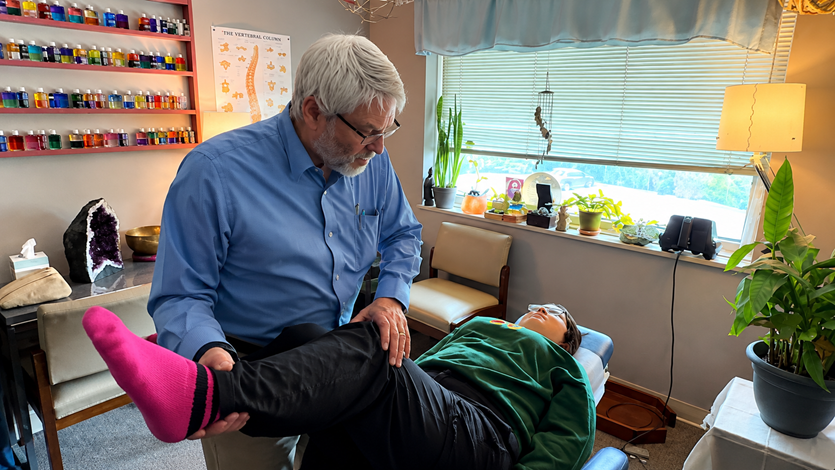
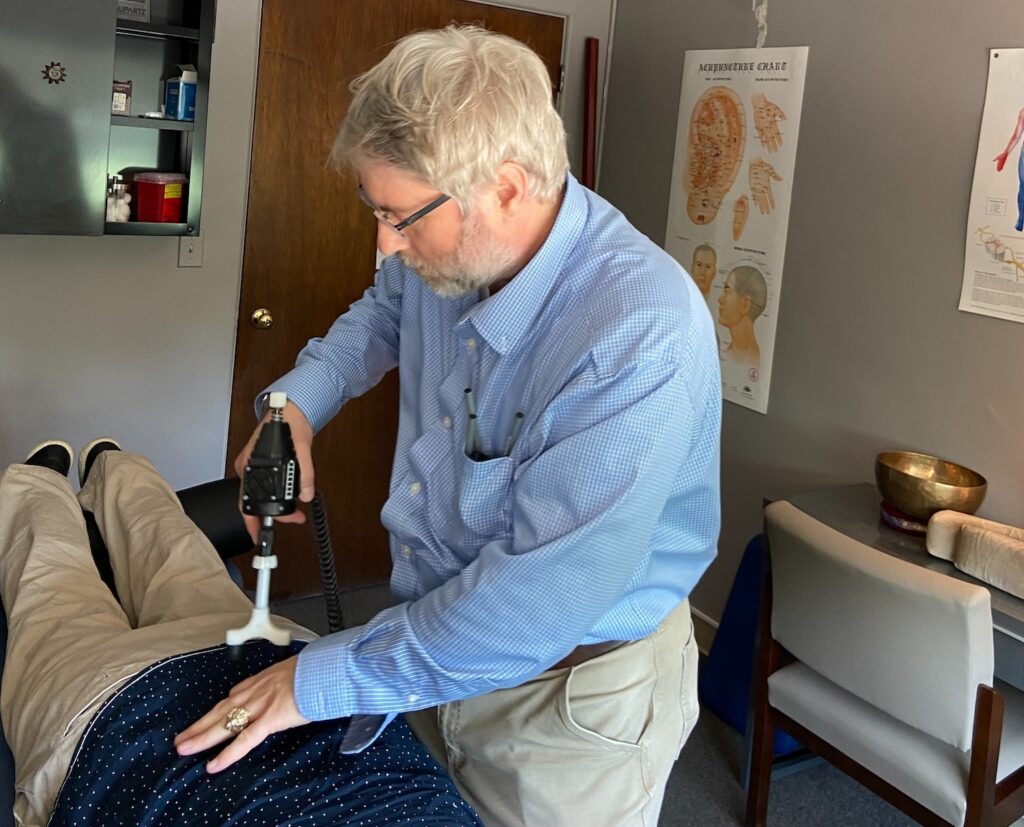
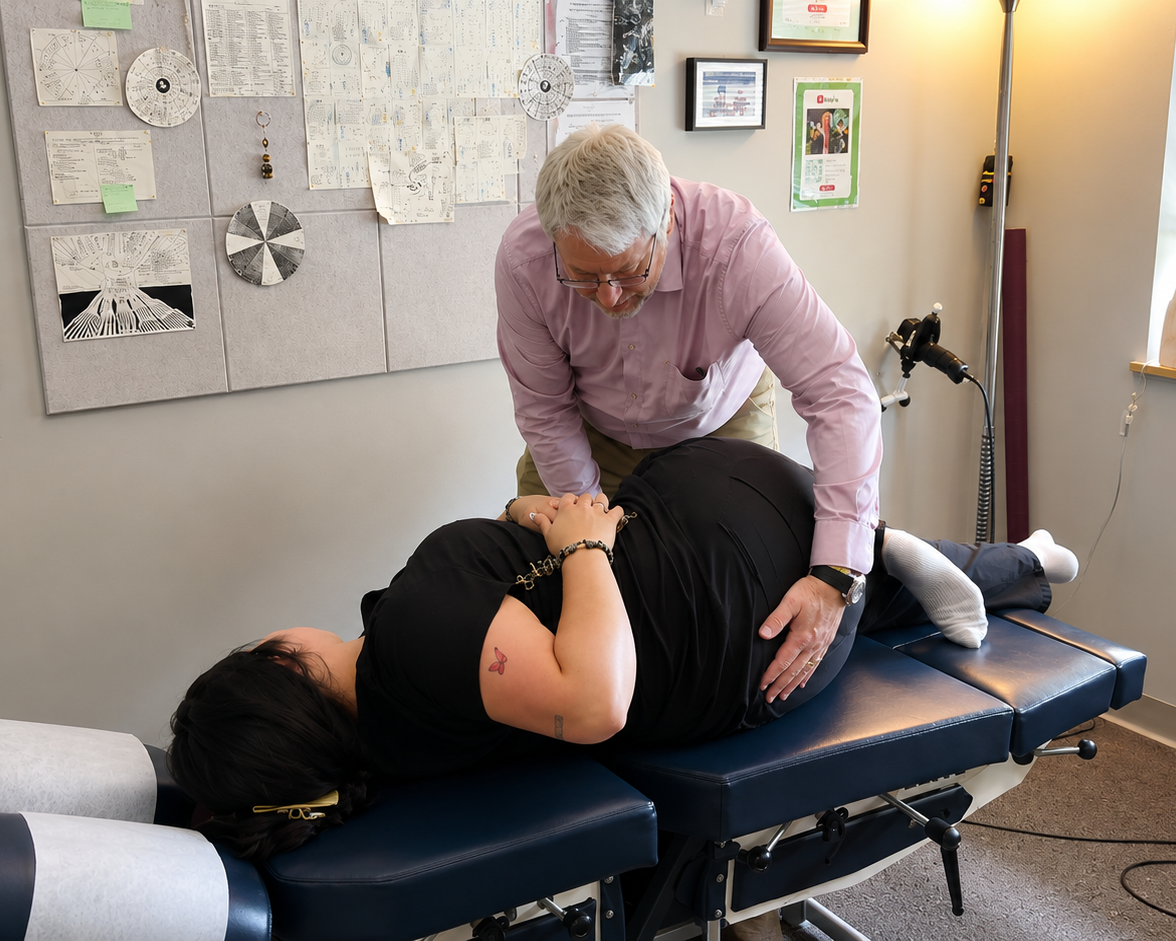
Chiropractic care takes a whole-body, non-surgical approach to hip pain. Rather than masking symptoms, the goal is to identify and address the underlying mechanical dysfunctions that are contributing to your pain in the first place. At Northstar Integrated Health & Physical Medicine Center, Dr. Paul Rieselman performs a thorough assessment that looks at the alignment of the spine and pelvis, the mobility of the hip joint, and the movement patterns that may be placing excess stress on the surrounding tissues.
Chiropractic adjustments to the lumbar spine and pelvis can help restore proper alignment, reduce joint restriction, and take unnecessary pressure off the hip complex. Research published through organizations like the American Chiropractic Association and reviewed in conservative care literature suggests that spinal and pelvic manipulation may help reduce musculoskeletal pain and improve function in patients with hip and lower back complaints. Integrated care at our Lisle, IL practice may also incorporate soft tissue therapy, therapeutic exercises, and postural rehabilitation — all working together to address your specific pattern of dysfunction.
One of the things that makes an integrated approach so valuable is that hip pain rarely has a single cause. It’s typically the result of several contributing factors working together — and addressing all of them gives patients the most durable results. Dr. Paul Rieselman’s approach at Northstar Integrated Health & Physical Medicine Center reflects that understanding, treating the whole person rather than just the painful hip.
Practical Tips to Stop Making Your Hip Pain Worse
There are several straightforward changes you can begin making today that support better hip health. These won’t replace a professional evaluation, but they can meaningfully reduce the daily stress your hips are experiencing.
First, break up your sitting time. Aim to stand up and move around for at least a couple of minutes every 45 to 60 minutes. Even a short walk to the water cooler or a brief standing stretch can interrupt the hip flexor shortening cycle that long sitting creates. Set a gentle reminder on your phone if you tend to lose track of time at your desk.
Second, pay attention to how you sleep. If you sleep on your side, placing a pillow between your knees can help keep the pelvis and hips in a more neutral alignment throughout the night. This simple adjustment can reduce morning stiffness significantly for many people.
Third, invest in supportive footwear. Shoes with adequate arch support and cushioning can make a meaningful difference in how forces travel through your lower limb chain and into your hips. If you’re unsure where to start, the team at Northstar Integrated Health & Physical Medicine Center can point you in the right direction.
When to See a Chiropractor for Hip Pain
Hip pain that is mild and occasional may respond well to rest, movement modifications, and simple home strategies. However, there are clear signs that professional evaluation is warranted. If your hip pain has lasted more than two to three weeks without improvement, if it’s affecting your sleep, limiting your daily activities, or radiating down your leg, it’s time to come in for a thorough assessment.
Certain red flags should prompt you to seek medical attention promptly rather than waiting. These include hip pain following a significant fall or trauma, severe swelling or bruising around the joint, fever accompanied by hip pain, sudden loss of ability to bear weight, or any signs of numbness or weakness in the leg. These symptoms may indicate a condition beyond the scope of conservative chiropractic care and may require imaging or medical evaluation first.
For the vast majority of patients experiencing everyday hip pain related to posture, muscle imbalance, and repetitive habits, chiropractic care is a safe, evidence-informed, and effective starting point. If you’re in the Lisle, IL area and you’ve been putting off getting your hips evaluated, there’s no better time than now to take that first step.
Hip Pain Triggers vs. Healthier Alternatives
|
Common Hip Pain Trigger |
Healthier Alternative |
Why It Helps |
|---|---|---|
|
Sitting for hours without breaks |
Stand and move every 45–60 minutes |
Prevents hip flexor shortening and pelvic strain |
|
Crossing legs while seated |
Both feet flat on the floor, hips level |
Maintains symmetrical pelvic alignment |
|
Sleeping without knee support |
Pillow between knees when side sleeping |
Keeps hips and pelvis in neutral alignment overnight |
|
Flat or unsupportive footwear |
Supportive shoes with proper arch support |
Reduces harmful forces traveling up the kinetic chain |
|
Standing with weight on one hip |
Even weight distribution, core lightly engaged |
Prevents asymmetrical loading of the hip joint |
|
Neglecting glute strengthening |
Regular glute and hip stabilizer exercises |
Supports pelvic stability and reduces joint stress |
Myths vs. Facts About Hip Pain
Myth: Hip pain only happens to older adults.
Fact: While hip pain does become more common with age, it affects people of all ages — including younger adults and even teenagers. Muscle imbalances, poor posture habits, repetitive movement patterns, and sedentary lifestyles make hip pain very common across a wide age range. At Northstar Integrated Health & Physical Medicine Center, Dr. Paul Rieselman sees patients of all ages dealing with hip-related complaints.
Myth: Rest is always the best treatment for hip pain.
Fact: While some rest is appropriate immediately after an acute injury, prolonged rest can actually worsen hip pain by allowing muscles to weaken and stiffen further. Evidence in conservative care consistently supports gentle, guided movement as part of recovery. Complete inactivity is rarely the right long-term answer for hip dysfunction.
Myth: If the pain is in the hip, the problem is always in the hip.
Fact: Hip pain can be referred from the lumbar spine, the sacroiliac joint, or even from tight surrounding muscles. Conversely, what feels like lower back pain is sometimes originating from the hip. This is why a thorough physical assessment — rather than treating the symptom in isolation — is so important for lasting results.
Myth: Chiropractic care is only for the spine.
Fact: Chiropractors are trained in the assessment and treatment of the entire musculoskeletal system, including the hip, knee, shoulder, and foot. Chiropractic adjustments and manual therapy techniques can be applied to peripheral joints, and integrated care often combines spinal care with hip-specific rehabilitation strategies.
Myth: You have to live with hip pain if imaging doesn’t show anything significant.
Fact: Many causes of hip pain — including muscle imbalances, movement dysfunctions, and soft tissue restrictions — do not show up clearly on X-rays or MRI. The absence of a major structural finding does not mean nothing is wrong. A functional movement assessment can reveal important contributors to hip pain that imaging simply cannot capture.
Final Thoughts
Hip pain is rarely a mystery when you start looking at the whole picture. The habits you’ve been repeating for years — how you sit, sleep, stand, and move — have a cumulative effect on your hips that is very real. The encouraging thing is that habits can be changed, and the body has a remarkable ability to respond when it’s given the right support.
Here in Lisle, IL, the community we serve is active, hardworking, and deserving of care that goes beyond surface-level symptom management. At Northstar Integrated Health & Physical Medicine Center, Dr. Paul Rieselman and our team take the time to understand your unique pattern of pain and movement, and we work with you to build a plan that actually addresses the root of what’s going on. Whether you’re dealing with a dull ache that’s been building for months or a more acute flare-up, you don’t have to just push through it and hope it gets better on its own.
If you’ve been looking for hip pain relief near Lisle, IL, we’d be glad to help you take the next step toward feeling better, moving better, and getting back to the activities you love.
Frequently Asked Questions
Can chiropractors treat hip pain directly?
Yes. Chiropractors are trained to assess and treat musculoskeletal conditions affecting the hip, pelvis, and surrounding structures. Care may include chiropractic adjustments, soft tissue therapy, and rehabilitative exercises designed to address the specific cause of your hip pain.
How long does it typically take to see improvement in hip pain with chiropractic care?
This varies depending on the cause and duration of the hip pain. Some patients notice meaningful improvement within a few visits, while chronic or more complex cases may require a longer course of care. Dr. Paul Rieselman will give you a realistic expectation based on your individual assessment.
Is it normal for hip pain to radiate into the groin or thigh?
Yes, this is quite common. The hip joint, surrounding muscles, and nearby nerves can all refer pain into the groin, inner thigh, outer thigh, or even the knee. A proper evaluation helps determine the exact source so the right structures are being addressed.
What exercises are good for hip pain?
Exercises that strengthen the glutes, hip abductors, and core are commonly recommended for hip pain. Gentle hip flexor stretches can also be beneficial for those who sit frequently. However, the right exercises depend on your specific pattern of dysfunction — it’s always best to get guidance from a qualified professional before starting a program.
Can poor sleep position really cause hip pain?
Absolutely. Spending several hours each night in a position that compresses or rotates the hip can cause or worsen discomfort. Side sleepers who don’t support the pelvis and hip properly often experience increased stiffness and pain, particularly in the morning. A pillow between the knees is a simple and effective adjustment for many people.
When is hip pain a sign of something more serious?
Hip pain following trauma, accompanied by fever, causing significant swelling or bruising, or resulting in an inability to bear weight should be evaluated medically right away. These signs may indicate fracture, infection, or other conditions requiring urgent medical attention rather than conservative care alone.
TL;DR
-
Many everyday habits — like prolonged sitting, crossing your legs, and wearing unsupportive shoes — silently contribute to worsening hip pain over time.
-
Poor posture and muscle imbalances (especially tight hip flexors and weak glutes) are major underlying drivers of chronic hip discomfort.
-
Chiropractic care addresses the root mechanical causes of hip pain rather than just managing symptoms, making it a valuable non-surgical option.
-
Simple changes — like taking movement breaks, using a knee pillow at night, and wearing supportive footwear — can meaningfully reduce daily stress on the hips.
-
If hip pain has lasted more than a few weeks or is affecting your daily life, a professional evaluation at Northstar Integrated Health & Physical Medicine Center in Lisle, IL is a smart next step.