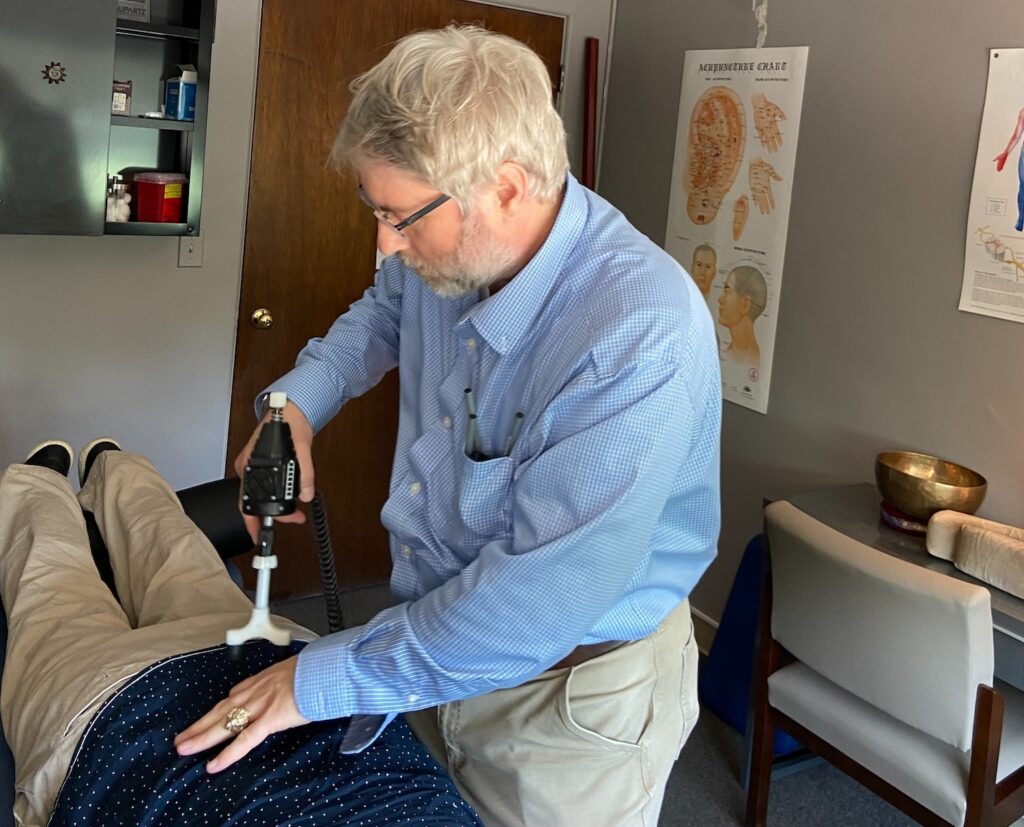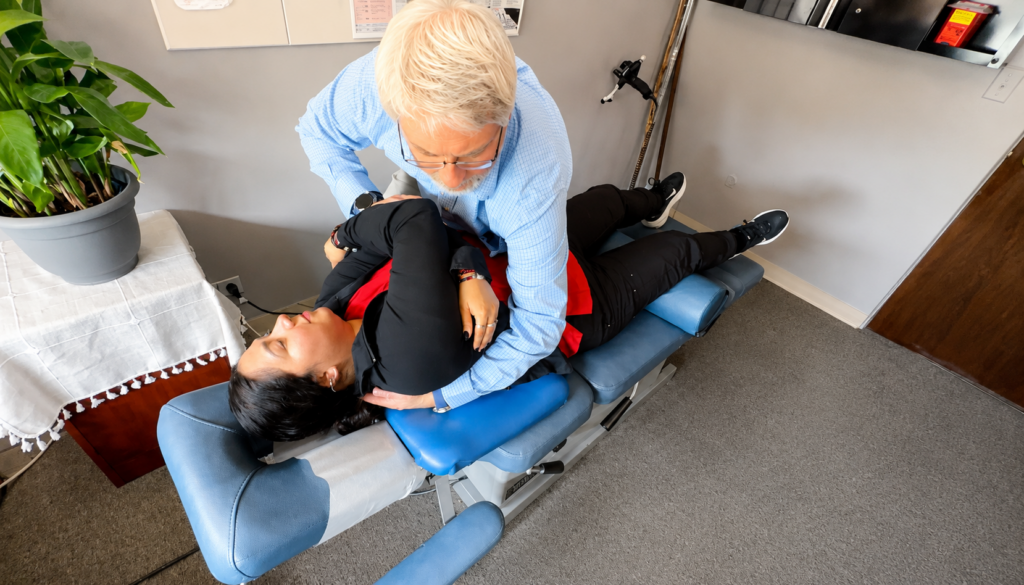

If you’re dealing with back pain, it’s important to know that a one-size-fits-all approach often falls short. That’s where personalized plans come in. As a chiropractor, I believe that addressing your specific pain triggers and lifestyle needs is crucial for effective relief. By tailoring treatment strategies to your individual circumstances, you can make real progress towards feeling better.
So, how does this personalized approach work? First, we take the time to understand your unique situation—your daily habits, activities, and the specific areas where you’re experiencing discomfort. This helps us create a customized plan that may include targeted chiropractic adjustments, stretches, and exercises designed just for you.
The benefits of personalized plans are numerous. Not only can they provide immediate relief, but they can also promote long-term wellness. Here are a few key elements of effective personalized plans:
- Chiropractic Adjustments: Regular spinal adjustments can help restore proper alignment, improve mobility, and reduce pain. This is often the cornerstone of a personalized plan.
- Strengthening Exercises: Incorporating targeted exercises can help strengthen the muscles that support your spine, reducing the likelihood of future pain.
- Posture Education: Many back issues stem from poor posture. We can offer tips on how to maintain better posture throughout your day, whether you’re sitting at a desk or lifting heavy objects.
- Lifestyle Modifications: Small changes in your daily routine, like incorporating more movement or adjusting your workspace, can significantly impact your back health.
- Stress Management: Stress can contribute to muscle tension and pain. Techniques such as relaxation exercises or mindfulness can be beneficial.
Remember, the goal is to empower you with knowledge and strategies for a healthier, pain-free life. By choosing chiropractic care, you’re opting for a natural, holistic approach to wellness that focuses on healing your body without the need for medications or surgery. If you’re curious about how a personalized plan can work for you, let’s talk and explore the best path to your optimal health!
Key Takeaways
Personalized chiropractic care is key to effectively managing and relieving back pain. By focusing on your unique pain experience, we can identify the root causes of your discomfort and develop an individualized plan that promotes healing and wellness.
Our tailored treatment strategies incorporate specific exercises and nutritional guidance that not only target your back pain but also support your overall health. Engaging in customized exercise regimens helps strengthen the muscles that support your spine, improves flexibility, and reduces discomfort through consistent, moderate activity.
We also believe in the importance of regular assessments and tracking your progress. This allows us to make necessary adjustments to your treatment plan, ensuring it remains effective and relevant to your needs. Your comfort and recovery are our top priorities.
Chiropractic care is particularly beneficial for enhancing mobility and improving your overall quality of life. As we work together, you’ll discover that natural healing methods can be just as effective—if not more so—than other healthcare options.
As a simple takeaway, consider integrating gentle stretching and strengthening exercises into your daily routine, along with maintaining a balanced diet that supports your spine health. Remember, personalized chiropractic care is not just about alleviating pain; it’s about achieving optimal health and wellness for a happier, healthier life.
Understanding the Causes of Back Pain
Understanding the causes of back pain is crucial for finding effective relief, and as a chiropractor, I want to share insights that can help you achieve optimal health naturally. Back pain can arise from various factors, such as muscle strains, poor posture, or even issues like herniated discs. If you’ve been lifting heavy objects or sitting for extended periods, discomfort can easily creep in.
Additionally, stress often contributes to muscle tension, which can worsen your pain. Your lifestyle choices play a significant role in back health. A lack of exercise and being overweight can exacerbate back issues. It’s essential to recognize these influences and make adjustments where necessary.
Age also impacts your spine; as we get older, natural changes occur that can lead to discomfort. Identifying the root cause of your pain is the first step toward effective treatment. Think about your daily activities, habits, and any past injuries. By understanding these factors, you can take proactive steps to manage and alleviate your back pain.
Here are some simple tips to help you on your journey to better back health:
- Practice Good Posture: Pay attention to how you sit and stand. Keeping your spine aligned can help reduce strain.
- Stay Active: Regular exercise strengthens your back muscles and improves flexibility. Gentle activities like walking, swimming, or yoga can be beneficial.
- Lift Correctly: When lifting heavy objects, bend at the knees and keep the item close to your body to avoid straining your back.
- Manage Stress: Incorporate stress-relief techniques such as deep breathing, meditation, or gentle stretching to help reduce tension in your muscles.
- Stay Hydrated: Drinking enough water is essential for maintaining the health of your spinal discs.
- Chiropractic Care: Regular visits to a chiropractor can help ensure your spine is properly aligned and functioning well. This natural approach can lead to lasting relief and improved overall health.
The Importance of Personalization in Treatment
When it comes to treating back pain, one size definitely doesn’t fit all. Each individual experiences pain differently, which is why it’s crucial to have personalized treatment strategies that take into account your specific pain assessment and lifestyle. This is where chiropractic care shines.
Chiropractic care focuses on the whole person rather than just the symptoms. By understanding your unique situation, a chiropractor can develop a tailored plan that addresses the root causes of your pain. This approach not only helps in alleviating discomfort but also promotes overall wellness.
Here are some general tips to consider for managing back pain naturally:
- Stay Active: Gentle exercises like walking or stretching can help keep your spine healthy. Movement enhances circulation and can reduce stiffness.
- Posture Matters: Pay attention to your posture, whether you’re sitting at a desk or standing. Good posture can prevent unnecessary strain on your back.
- Listen to Your Body: If something doesn’t feel right, don’t push through the pain. Rest and consult with your chiropractor to find the best approach.
- Mind Your Sleep: A good night’s sleep is essential for healing. Make sure your mattress provides adequate support for your spine.
- Stay Hydrated: Drinking plenty of water can help maintain the elasticity of the discs in your spine, keeping them healthy.
Remember, chiropractic care is a natural and effective way to achieve pain relief and improve your overall health. By focusing on personalized treatment, you can find the relief that works best for you and embrace a healthier lifestyle.
If you’re struggling with back pain, consider visiting your local chiropractor to explore your options for a tailored care plan.
Tailored Treatment Strategies
Tailored treatment strategies are crucial for effectively managing back pain, as everyone’s experience and needs are unique. Instead of sticking to a one-size-fits-all approach, it’s best to create a plan that’s specifically designed for you. This involves taking into account your lifestyle, activity levels, and any underlying conditions that could be contributing to your discomfort.
As a chiropractor, I believe that chiropractic care is one of the most effective ways to achieve pain relief and promote natural wellness. By focusing on your spine and nervous system, we can address the root causes of your pain rather than just masking the symptoms.
Here are some general tips to help you manage back pain and support your overall health:
- Stay Active: Gentle exercises and stretches can help strengthen your back muscles and improve flexibility. Activities like walking, swimming, or yoga can be beneficial.
- Practice Good Posture: Be mindful of your posture when sitting, standing, or lifting. Keeping your spine aligned can prevent unnecessary strain on your back.
- Use Ergonomic Furniture: Invest in a chair that supports your back and promotes good posture, especially if you spend long hours sitting.
- Stay Hydrated and Eat Well: Proper nutrition and hydration can contribute to overall health, helping your body heal and maintain optimal function.
- Regular Chiropractic Adjustments: Visiting your chiropractor regularly can help keep your spine in alignment, reducing pain and improving your body’s ability to heal naturally.
By focusing on these strategies and embracing chiropractic care, you can take proactive steps toward managing your back pain and enhancing your overall well-being.
Individual Pain Assessment
Every individual experiences back pain differently, which is why it’s crucial to understand your specific symptoms and needs. A thorough pain assessment can reveal the underlying causes of your discomfort, allowing us to create a personalized treatment plan that prioritizes natural healing and wellness.
Here are four key components to consider during your evaluation:
- Pain Intensity: Rate your pain on a scale from 1 to 10. This simple measure helps us understand how severe your discomfort is and guides us in tailoring your care.
- Pain Location: Pay attention to where the pain occurs. Identifying the specific areas of discomfort can help us pinpoint potential issues in your spine and surrounding muscles, enabling targeted chiropractic adjustments.
- Duration: Consider how long you’ve been experiencing the pain. Is it recent (acute) or has it been ongoing for a while (chronic)? This information can help us determine the best approach to your treatment.
- Triggers: Notice any activities or movements that worsen your pain. By recognizing these triggers, we can provide you with tips on how to adjust your daily habits to avoid exacerbating your discomfort and recommend specific chiropractic techniques to alleviate pressure in those areas.
Remember, chiropractic care focuses on restoring balance and function to your spine and body naturally.
By addressing the root causes of your back pain, we aim to help you achieve optimal health and wellness without the need for invasive surgeries or medications.
If you’re looking for ways to improve your comfort and overall health, consider incorporating gentle stretches and good posture practices into your daily routine.
Together, we can work towards a pain-free life!
Assessing Your Unique Pain Triggers
Understanding your unique pain triggers is crucial for developing an effective strategy to manage back pain naturally. By identifying what specifically causes your discomfort, you can make meaningful changes that enhance your daily life. Here are some common triggers to be aware of, along with tips on how chiropractic care can help:
| Trigger | Description | Chiropractic Insight |
|---|---|---|
| Poor Posture | Slouching or awkward sitting positions can strain your spine. | Chiropractic adjustments can help realign your spine and improve posture. |
| Stress | Emotional strain can tighten muscles, leading to discomfort. | Chiropractic care promotes relaxation and may reduce stress through spinal adjustments. |
| Inactivity | A lack of movement can cause stiffness and pain. | Regular chiropractic sessions can encourage mobility and promote a more active lifestyle. |
| Overexertion | Lifting heavy objects without proper form can injure your back. | Chiropractors can teach you proper lifting techniques and strengthen your back to prevent injuries. |
| Improper Footwear | Shoes that lack support can affect your alignment. | Chiropractic care can address issues stemming from poor footwear and help you choose supportive options. |
Designing a Customized Exercise Regimen
When creating a customized exercise regimen to alleviate back pain, it’s essential to first understand your unique needs. As a chiropractor, I emphasize the importance of strengthening the muscles that support your spine. By focusing on these specific muscle groups, you can help reduce pain and enhance your overall well-being.
In addition to targeted exercises, tracking your progress is a key component of any regimen. This not only keeps you motivated but also allows you to make necessary adjustments along the way. Remember, staying active and committed to your health is vital.
Here are some general tips to keep in mind:
- Listen to Your Body: Pay attention to how your body responds to different exercises. If something doesn’t feel right, don’t hesitate to modify or skip it.
- Incorporate Stretching: Regular stretching can improve your flexibility and reduce tension in your muscles, which is beneficial for spinal health.
- Stay Consistent: Aim for regular, moderate exercise rather than sporadic intense sessions. Consistency is key to seeing improvements.
- Consider Chiropractic Care: Regular visits to your chiropractor can help you maintain proper alignment and support your exercise efforts, enhancing your body’s natural healing processes.
- Focus on Core Strength: A strong core is vital for a healthy back. Incorporate exercises that build your abdominal and back muscles.
Emphasizing these practices won’t only help relieve your back pain but also promote a healthier, more active lifestyle.
Assessing Individual Needs
How can you effectively tailor an exercise regimen to address your specific back pain? The first step is to evaluate your individual needs. This ensures that your plan isn’t only safe but also effective in promoting healing and wellness. Here’s how you can get started on your journey to better back health:
- Identify Pain Triggers: Pay attention to activities or positions that make your discomfort worse. Understanding these triggers can help you avoid them and focus on movements that promote healing.
- Evaluate Your Fitness Level: Consider your current strength, flexibility, and endurance. This self-assessment will guide you in choosing exercises that are appropriate for your condition and help you progress safely.
- Consult a Chiropractor: A local chiropractor can provide tailored insights specific to your back pain. Chiropractic care focuses on the spine and nervous system, promoting natural healing and helping to restore balance in your body.
- Set Realistic Goals: Establish achievable objectives, such as improving mobility or reducing pain. Setting these goals can keep you motivated and on track with your wellness journey.
- Incorporate Gentle Movements: Start with low-impact exercises, such as walking, stretching, or yoga. These activities can help strengthen your back without putting too much strain on it.
- Focus on Core Strength: A strong core supports your spine. Incorporate exercises that strengthen your abdominal and back muscles, as they play a crucial role in maintaining a healthy spine.
- Listen to Your Body: Always pay attention to how your body responds to different movements. If something causes pain, stop and consult your chiropractor for advice.
By following these tips and prioritizing chiropractic care, you can create an exercise regimen that not only alleviates your back pain but also enhances your overall health and wellness.
Targeting Specific Muscle Groups
To effectively manage back pain, it’s important to create a personalized exercise routine that focuses on strengthening specific muscle groups, and chiropractic care can play a crucial role in your journey to wellness.
A strong core is vital as it stabilizes your spine and promotes proper posture, which are essential for reducing back pain. By working with a chiropractor, you can learn targeted exercises that engage your lower back and glutes, enhancing muscle balance and alleviating strain on your spine.
Incorporating stretches to improve flexibility in your hamstrings and hip flexors is also beneficial, as tightness in these areas can worsen back pain. Gentle yoga poses, along with exercises like planks and bridges, can be guided by your chiropractor to ensure they’re done correctly and safely.
Remember to always listen to your body and adjust the intensity of your workouts to match your comfort level. Consistency is key, and by combining these exercises with regular chiropractic adjustments, you can achieve significant improvements in your back health.
Embrace this holistic approach to pain relief and natural wellness for optimal health.
Progress Tracking Strategies
Creating a personalized exercise regimen is essential for managing back pain and achieving optimal health. Tracking your progress can keep you motivated and ensure you’re on the right path. Here are some simple strategies to help you stay on track:
- Set Clear Goals: Start by defining what you want to achieve, both in the short term and long term. This will help you stay focused and give you something to work towards.
- Log Your Workouts: Keeping a journal or using a mobile app to record your exercises can be very beneficial. Write down the activities you do, how many sets and reps you complete, and any notes about how you felt. This not only helps you track your progress but also allows you to recognize patterns that work for your body.
- Monitor Pain Levels: Pay attention to how your back feels before and after your workouts. Rate your pain on a scale of 1 to 10 to help identify which exercises are helping you feel better. This information is invaluable and can guide you in making adjustments to your routine.
- Review Regularly: Take a moment each week or month to assess your progress. Look back at your logs to see how far you’ve come and make any necessary changes to your regimen. Regular reviews help keep your goals in sight and can motivate you to continue.
Incorporating these tracking strategies not only aids in your exercise journey but also aligns with the principles of chiropractic care, which emphasizes natural healing and wellness.
Implementing Proper Posture Techniques
Many people underestimate the power of proper posture, but it can significantly reduce back pain and enhance your overall well-being. As a chiropractor, I want to emphasize how simple adjustments in your daily habits can lead to profound improvements in your health.
Start by being conscious of your body alignment, whether you’re sitting, standing, or walking. Keep your shoulders back and relaxed, ensuring they align with your hips. When sitting, opt for a chair that supports your lower back and remember to keep your feet flat on the ground. This foundation is crucial for maintaining a healthy spine.
If you spend time at a desk, make sure your computer screen is at eye level. This position helps prevent unnecessary strain on your neck and spine. Don’t forget to take regular breaks; stretching and moving around is vital, especially if you find yourself sitting for long periods.
When it comes to lifting objects, always bend at your knees rather than your waist. Keeping the load close to your body helps reduce strain on your back. These small changes in your routine can create a big difference in how you feel.
Prioritizing your posture is a significant step toward reducing back pain and enhancing your quality of life.
Integrating Lifestyle Changes for Better Results
Integrating lifestyle changes can significantly enhance your efforts to alleviate back pain and improve your overall health. As a chiropractor, I believe that combining these adjustments with regular chiropractic care can lead to optimal wellness.
Here are four simple yet effective changes you can easily adopt:
1. Stay Active: Make it a habit to engage in regular, low-impact exercises like walking or swimming. These activities can help strengthen your back muscles and improve flexibility, which is essential for a healthy spine.
Remember, even short walks can make a difference!
2. Focus on Nutrition: Nourishing your body with a balanced diet is crucial for healing. Aim to include anti-inflammatory foods in your meals, such as colorful fruits, leafy greens, and omega-3 fatty acids found in fish and nuts.
These foods can support your body’s recovery and reduce inflammation, which is often a contributor to back pain.
3. Manage Stress: Chronic stress can lead to tension in your muscles, especially in your back. Incorporate relaxation techniques into your daily routine, such as yoga or meditation.
These practices not only help reduce stress but also promote better posture and spinal alignment.
4. Get Quality Sleep: Prioritize your sleep by establishing a consistent schedule and creating a comfortable sleep environment. A good night’s rest is vital for your body to recover and repair.
Consider using supportive pillows and a mattress that suits your sleeping position to maintain proper spinal alignment while you rest.
By adopting these lifestyle changes and regularly visiting your chiropractor, you can take proactive steps towards alleviating back pain and achieving overall wellness.
Tracking Progress and Adjusting Your Plan
To effectively manage your back pain, tracking your progress and adjusting your plan is essential, especially when considering the holistic approach of chiropractic care. Start by keeping a daily journal to note your pain levels, activities, and any changes you make to your routine. This simple practice helps you identify patterns and triggers that may affect your discomfort. You might discover that certain gentle stretches or chiropractic adjustments alleviate your pain, while other activities may not serve you as well.
Regularly reviewing your journal entries is key. Take the time to assess what’s working for you and what isn’t. If you notice improvements, consider increasing the frequency of those beneficial activities, whether that’s a particular exercise or regular chiropractic visits.
On the other hand, if you find your pain intensifying, don’t hesitate to adjust your plan—perhaps by incorporating more restorative practices or seeking additional chiropractic guidance.
It’s also important to consult with your chiropractor about your findings. They can provide valuable insights tailored to your individual needs and help you optimize your recovery process. Remember, managing back pain is a dynamic journey, and by staying proactive with your tracking, you empower yourself to take control of your health and wellness.
In addition to keeping a journal, consider these general tips for a healthier back:
- Maintain good posture throughout your daily activities.
- Stay active with low-impact exercises, like walking or swimming.
- Incorporate stretching into your routine to enhance flexibility.
- Prioritize quality sleep to support your overall health.
Chiropractic care is a natural and effective way to promote healing and achieve optimal health, helping you manage pain without relying on medications or invasive procedures. Embrace this journey towards a healthier spine and a more vibrant life!
Success Stories: Real-Life Impact of Personalized Plans
Personalized plans for back pain can truly transform lives, and chiropractic care is at the forefront of these positive changes. Many individuals have found significant relief and improved mobility through tailored approaches that focus on natural healing and wellness.
Here are four inspiring success stories from people who’ve embraced chiropractic care:
- John, 42: After years of battling chronic pain, John discovered the power of a customized chiropractic exercise program. By addressing his specific muscle weaknesses, he was able to regain strength and reduce his pain, allowing him to enjoy life more fully.
- Maria, 35: With the help of her chiropractor, Maria learned about the connection between nutrition and inflammation. By following a personalized nutrition plan, she identified foods that aggravated her pain and made healthier choices, leading to significant improvements in her overall well-being.
- Tom, 50: Tom incorporated mindfulness and stress management techniques into his chiropractic care plan. These practices, combined with spinal adjustments, helped him to lower his stress levels and, as a result, he experienced a notable decrease in his pain.
- Lisa, 29: Through individual therapy sessions with her chiropractor, Lisa gained a better understanding of her body mechanics. This knowledge empowered her to manage her pain effectively during daily activities, making her life much more enjoyable.
These success stories highlight how chiropractic care and personalized plans can profoundly impact your journey toward a pain-free life.
If you’re looking for ways to improve your back health, consider these general tips:
- Stay Active: Engage in low-impact exercises like walking or swimming to keep your spine healthy and strong.
- Practice Good Posture: Maintain proper posture while sitting, standing, and lifting to avoid unnecessary strain on your back.
- Stay Hydrated: Drink plenty of water to keep your spinal discs hydrated and functioning well.
- Listen to Your Body: Pay attention to any signals your body sends you and consult with a chiropractor to address any concerns.
Conclusion
Integrating personalized plans into your back pain management can truly transform your journey toward relief and wellness. As a chiropractor, I understand that each person’s back pain has unique triggers. By identifying these and customizing your exercises and lifestyle adjustments, you can significantly reduce discomfort and improve your overall health.
Taking control of your recovery is key. Start by keeping a simple journal to track your pain levels, activities, and any specific triggers you notice throughout your day. This will help you and your chiropractor create a plan that’s tailored just for you.
Incorporating regular chiropractic adjustments into your routine can also play a pivotal role in alleviating pain. These adjustments help realign your spine, reduce tension, and improve mobility, which can lead to lasting relief. Alongside chiropractic care, consider adding gentle stretches and strengthening exercises that focus on your core and back to support your spine.
Don’t forget about the importance of good posture and ergonomics in your daily life. Simple changes, like adjusting your workspace or being mindful of your body mechanics, can make a big difference in preventing further discomfort.
As you embrace this journey toward a pain-free life, remember that consistency is key. Regular visits to your chiropractor, along with your personalized plan, will not only help alleviate pain but also build a solid foundation for long-term back health. Together, we can work toward achieving optimal wellness naturally!