
If you’re looking to enhance your joint flexibility, it’s important to grasp a few fundamental concepts. Flexibility isn’t just about stretching; it encompasses a variety of techniques that can significantly improve your overall mobility. As a chiropractor, I believe that a holistic approach to your health is crucial for achieving optimal flexibility and wellness.
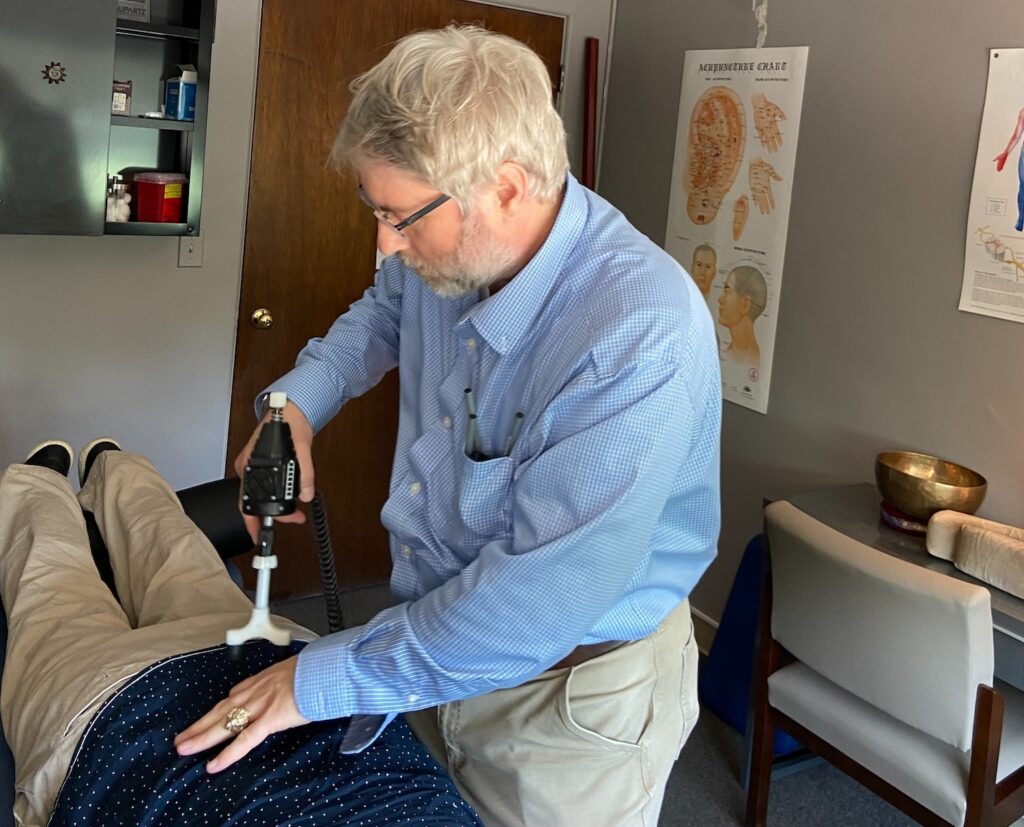
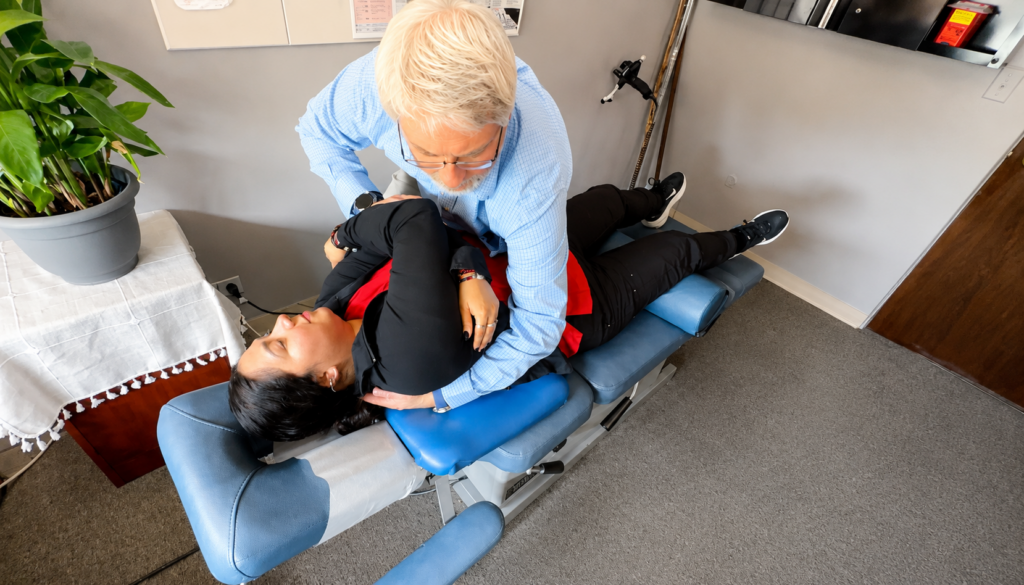
One of the best ways to improve joint flexibility is through regular chiropractic care. By aligning your spine and joints, we can help remove any restrictions that may be hindering your movement. This not only aids in flexibility but also promotes better overall health.
Incorporating gentle stretches and mobility exercises into your daily routine can also make a difference. Focus on movements that engage multiple joints and enhance your range of motion. Simple practices, such as yoga or tai chi, can be beneficial too, helping to improve both flexibility and strength.
Additionally, maintaining proper hydration and nutrition plays a key role in joint health. Drinking enough water and consuming a balanced diet rich in vitamins and minerals can support the elasticity of your muscles and connective tissues.
Remember, achieving those elusive flexibility gains may be more attainable than you think. By embracing a holistic approach that includes chiropractic care, regular movement, and healthy lifestyle choices, you’ll be well on your way to transforming your flexibility journey. Always consult with your chiropractor to tailor a plan that best suits your individual needs. Together, we can work towards your health and wellness goals!
Key Takeaways
- Start your journey to better joint flexibility with dynamic stretching and warm-up exercises. These activities boost blood flow and reduce stiffness, setting the stage for a more comfortable and effective workout.
- Regular chiropractic care is a game-changer for joint health. By aligning your spine and joints, chiropractic adjustments reduce tension and enhance overall flexibility, allowing you to move more freely and easily.
- After your workouts, take a moment to practice static stretching. By holding each stretch for 15 to 30 seconds, you help improve muscle elasticity, which is crucial for maintaining flexibility.
- Don’t forget to stay hydrated! Proper hydration is essential for lubricating your joints and supporting muscle performance, both of which play vital roles in your flexibility journey.
- Establishing a consistent flexibility training routine is key. Listen to your body to avoid injury and track your progress. Remember, chiropractic care can be an invaluable part of this routine, helping you stay aligned and on track toward optimal health and flexibility.
By incorporating these tips into your lifestyle, you can enhance your flexibility while also experiencing the benefits of natural healing through chiropractic care.
Understanding Joint Flexibility
Joint flexibility is crucial for maintaining a full range of motion in your everyday activities, allowing you to bend, twist, and stretch comfortably. As a chiropractor, I want to emphasize how important joint flexibility is for your overall health and wellness. Various factors can influence your flexibility, including genetics, age, and how active you are.
If you’re younger or regularly engage in physical activities, you may find that you have greater flexibility. On the other hand, aging or a sedentary lifestyle can lead to stiffness and discomfort.
To enhance your joint flexibility, incorporating chiropractic care into your routine can be incredibly beneficial. A chiropractor can help identify areas of restriction in your spine and joints, ensuring they move freely and effectively.
In addition to chiropractic adjustments, you can also engage in activities that promote flexibility, such as gentle stretching, yoga, or Pilates. These exercises help to elongate muscles and create more space around your joints, which can alleviate tension and improve mobility.
While practicing these movements, it’s essential to pay attention to how your body feels. Always listen to your body and avoid pushing yourself beyond your limits. Regularly incorporating flexibility training into your routine will yield the best results.
As your flexibility improves, you’ll likely notice enhanced mobility and comfort in your daily tasks.
Remember, keeping your joints happy is key to moving with ease. By prioritizing joint flexibility and considering chiropractic care, you’re taking significant steps toward achieving optimal health and natural wellness.
If you have any concerns or questions about your flexibility, don’t hesitate to reach out for guidance. Your journey to better health can start today!
The Importance of Warm-Up Exercises
Warm-up exercises are crucial for enhancing your joint flexibility and preventing injuries, especially when it comes to maintaining a healthy spine. As a chiropractor, I want to emphasize that proper warm-ups not only prepare your body for physical activity but also play a significant role in your overall health and wellness.
When you engage in warm-up exercises, you help increase blood flow to your muscles and joints, which can reduce stiffness and improve your range of motion. This is particularly important for spinal health, as a flexible spine is less prone to injury and discomfort. Incorporating the right types of warm-ups can significantly boost your performance and set the stage for a pain-free and enjoyable workout.
Here are some benefits of warming up before physical activity:
- Increased Flexibility: Warming up helps improve your flexibility, which is essential for maintaining a healthy spine and preventing injuries.
- Enhanced Performance: A good warm-up routine prepares your muscles and joints for more intense activity, allowing you to perform at your best.
- Injury Prevention: By gradually increasing your heart rate and loosening your muscles, you can reduce the risk of strains and sprains.
- Mind-Body Connection: Warming up gives you a moment to focus on your body and listen to how you feel, which can help you avoid pushing yourself too hard.
To incorporate effective warm-up exercises into your routine, consider the following simple movements:
- Gentle Neck Rolls: Slowly roll your head in a circular motion to loosen up the neck and upper spine.
- Shoulder Shrugs: Raise your shoulders toward your ears and then release them down, helping to relax tension in the shoulder area.
- Torso Twists: Stand with your feet shoulder-width apart and gently twist your torso side to side to engage your spine.
- Leg Swings: Hold onto a wall or sturdy surface for balance, and swing one leg forward and backward, then switch legs to loosen up your hips.
Remember, the goal of warming up is to prepare your body for movement while promoting a healthy spine. If you experience any discomfort or pain, it’s always best to consult with a chiropractor who can provide personalized care and guidance tailored to your needs.
Benefits of Warm-Up
As a chiropractor, I understand the importance of preparing your body for physical activity. A proper warm-up is crucial, not only for enhancing your performance but also for reducing the risk of injuries. By gradually increasing your heart rate and loosening your muscles, you create a solid foundation for a more effective workout while promoting overall spinal health.
Here are some key benefits of warming up that you should keep in mind:
- Increases Blood Flow: Warming up boosts circulation to your muscles, ensuring they’re well-prepared for exertion. Good blood flow is essential for healthy spinal function.
- Improves Range of Motion: A proper warm-up enhances your joint flexibility and mobility, which is vital for maintaining a healthy spine and overall body alignment.
- Reduces Injury Risk: By preparing your body for physical stress, warming up minimizes the chances of strains and sprains. This is especially important for protecting your spine during activities.
- Mental Preparation: A warm-up helps you focus and mentally transition into your workout, which can improve your overall experience and effectiveness.
Incorporating a simple warm-up routine into your fitness regimen can be a game-changer for peak performance and safety.
Remember, chiropractic care also plays a significant role in maintaining your body’s readiness for physical activity. Regular adjustments can help keep your spine aligned, ensuring that your nervous system functions optimally and supports your overall health.
Here are some general tips you can easily incorporate:
- Dynamic Stretching: Try gentle movements that mimic the activity you plan to do, which can help increase your flexibility and prepare your muscles.
- Breathing Techniques: Focus on deep, controlled breaths to help calm your mind and body, which enhances your overall warm-up experience.
- Listen to Your Body: Pay attention to how your body feels during warm-up exercises. If something doesn’t feel right, it’s essential to address it, possibly with the help of a chiropractor.
Types of Warm-Up Exercises
Incorporating a variety of warm-up exercises is essential for enhancing your workout experience and overall performance, and it can also play a significant role in maintaining spinal health. Start with dynamic stretches like arm circles and leg swings; these movements increase blood flow to your muscles and help prepare your spine for activity.
Next, bodyweight exercises such as lunges or squats can activate major muscle groups, supporting your core and back, which is vital for a healthy spine.
Don’t overlook mobility drills like hip openers or torso twists. These exercises improve joint flexibility and range of motion, allowing your body to move more freely and reducing the risk of injury to your spine.
If you’re preparing for a specific sport, incorporating sport-specific movements can help your body adapt to the physical demands while keeping your spine in alignment.
Finally, engaging in light aerobic activity, such as jogging or jumping jacks, elevates your heart rate and warms up your entire body, including your spine.
By mixing these warm-up types, you’ll prime your body for an effective workout, support your spinal health, and reduce the risk of injury.
Remember, chiropractic care is an excellent way to maintain optimal health and wellness, ensuring your spine stays aligned and functioning well as you engage in physical activities.
Prioritize your spinal health, and you’ll enjoy a more effective and pain-free workout experience!
Stretching Techniques for Improved Flexibility
Now that you’re warmed up, let’s delve into some effective stretching techniques that can enhance your flexibility and overall well-being.
Dynamic stretching is a fantastic way to prepare your muscles for movement, promoting better circulation and reducing the risk of injuries. Think of dynamic stretches as a way to wake up your body before engaging in any activity.
On the other hand, static stretching is an excellent technique to help lengthen your muscles and increase your range of motion. These stretches, performed gently and held for a period of time, can help alleviate tension and improve flexibility, which is essential for maintaining a healthy spine and overall body alignment.
Additionally, you may want to explore Proprioceptive Neuromuscular Facilitation (PNF) stretching. This technique involves both stretching and contracting the targeted muscle group, which can significantly boost flexibility. It’s a great tool to incorporate into your routine as it encourages better muscle coordination and can lead to improved performance in daily activities.
Remember, incorporating these stretching techniques into your routine not only enhances flexibility but also supports spinal health and overall wellness.
Always listen to your body, and if you experience any discomfort, it’s wise to consult with a chiropractic professional who can provide tailored advice and treatment options.
Embracing chiropractic care along with these stretching practices can help you achieve optimal health naturally, allowing you to enjoy a more active and pain-free life.
Dynamic Stretching Benefits
Dynamic stretching offers numerous benefits that can greatly enhance your flexibility, overall performance, and support your chiropractic care journey. By incorporating these techniques into your daily routine, you not only prepare your muscles for activity but also improve your range of motion, which is essential for maintaining a healthy spine.
Here are some key advantages of dynamic stretching that align with your path to natural wellness:
- Increases blood flow to your muscles, which can help reduce the risk of injury and support your chiropractic adjustments.
- Enhances muscle performance by activating your neuromuscular system, allowing you to move more freely and comfortably.
- Improves flexibility by gently elongating your muscles through controlled movements, which can complement your chiropractic treatments.
- Boosts coordination and balance, making you more agile during physical activities, and helping you maintain proper posture and alignment.
Incorporating dynamic stretching into your routine can be a simple yet effective way to enhance your health.
Static Stretching Guidelines
While dynamic stretching is great for warming up your muscles before activity, static stretching is equally important for enhancing flexibility and promoting healthy joints. As a chiropractor, I can’t emphasize enough how beneficial static stretching can be for your overall well-being.
To get the most out of these stretches, hold each one for 15 to 30 seconds without any bouncing. Focus on key muscle groups like your hamstrings, quadriceps, and shoulders.
Make sure you approach your stretches with a relaxed mindset and remember to breathe deeply. This deep breathing helps your muscles release any built-up tension. The best time to stretch is after your workout when your muscles are warm and more willing to lengthen.
Always listen to your body—if you feel pain, it’s important to ease off and not push through it.
Consistency is crucial! Try to include static stretches in your routine at least three times a week. With a little dedication, you’ll start to notice real improvements in your flexibility and joint health.
Remember, chiropractic care can help support your body’s natural ability to heal and maintain optimal function, making it a fantastic choice for anyone looking to enhance their health and wellness.
PNF Stretching Explained
Static stretching is a great way to improve flexibility, but if you’re ready to elevate your stretching routine, consider incorporating PNF (Proprioceptive Neuromuscular Facilitation) stretching. This technique combines stretching and contracting your muscles, which can help enhance flexibility more effectively.
Here’s what you should know about PNF stretching and how it ties into your overall health and wellness:
- Partner Assistance: While you can practice some stretches on your own, having a partner or using a wall can help you achieve a deeper stretch, which is important for maintaining spinal health.
- Isometric Contractions: PNF involves contracting your muscles before stretching them, which can lead to greater flexibility. This is particularly beneficial for individuals recovering from injuries, as it helps re-establish proper muscle function and promotes healing.
- Targeted Stretching: You can focus on specific muscle groups that may be tight or restricted, supporting better mobility and spinal alignment. This can be especially helpful for those who spend long hours sitting or performing repetitive tasks.
- Rehabilitation Benefits: PNF stretching is widely used in physical therapy to help patients regain mobility after injury. By improving flexibility, you can support your chiropractic care and enhance your body’s natural healing processes.
Incorporating PNF stretching into your routine can complement your chiropractic care, helping to relieve pain and improve your overall well-being.
Always listen to your body, and if you’re unsure about how to perform these stretches safely, consider consulting with your chiropractor for personalized guidance.
Feel the difference that PNF stretching can make alongside your chiropractic treatments, and embrace a healthier, more flexible you!
Incorporating Yoga and Pilates
Incorporating yoga and Pilates into your routine can be a fantastic way to enhance joint flexibility and overall mobility, which is essential for a healthy spine. These practices focus on controlled movements and stretching, helping you improve your range of motion and support your spinal health.
Yoga poses like Downward Dog and Warrior not only stretch key muscle groups but also promote balance and stability, which are crucial for a well-functioning spine. Pilates, on the other hand, places a strong emphasis on core strength, which is vital for maintaining proper alignment in your body during daily activities and exercises.
You don’t need to be an expert to get started! Just look for a beginner class in your area or explore online tutorials designed for newcomers. Aim for at least two sessions a week, and gradually increase your time as you become more comfortable with the movements.
Always listen to your body and allow your breath to guide you through each pose—this mindful approach can help prevent strain and support your body’s natural healing processes.
Remember, chiropractic care is an excellent complement to these practices, as it helps address any underlying issues that may affect your mobility and overall well-being. By combining chiropractic adjustments with yoga and Pilates, you can foster a holistic approach to health and wellness that promotes pain relief and strengthens your spine.
Prioritize your health by making these practices a regular part of your routine!
Strength Training for Joint Support
To support your joints effectively, strength training plays a vital role. By building the muscles around your joints, you can achieve greater stability and protection, which is essential for maintaining overall joint health.
Regular strength training not only boosts your fitness levels but also helps alleviate the risk of injuries and joint pain, allowing your body to function optimally.
As a chiropractor, I encourage you to embrace natural methods for enhancing your wellness. Here are some simple exercises you can incorporate into your routine to strengthen your joints:
- Squats: These are fantastic for strengthening your knees and hips while also improving your balance. Start with bodyweight squats and focus on maintaining proper form to avoid strain.
- Lunges: This exercise targets multiple muscles in your legs and helps promote joint stability. You can start with stationary lunges and gradually add movement as you gain strength.
- Deadlifts: While it may sound intimidating, deadlifts can help build strength in your back and legs, supporting your spinal health. Use light weights or even just your body weight to start, focusing on your posture.
- Push-ups: These are excellent for enhancing upper body strength, which contributes to shoulder stability. If traditional push-ups are challenging, try them on your knees or against a wall to start.
Remember, chiropractic care is an excellent choice for achieving optimal health. Regular adjustments can help ensure your spine and joints are aligned, reducing pain and improving your body’s overall function.
Always listen to your body and consult with your chiropractor for personalized advice and tips tailored to your unique needs. By combining strength training with chiropractic care, you can pave the way for a healthier, pain-free life.
The Role of Hydration in Flexibility
Strength training is just one piece of the puzzle when it comes to maintaining joint health and flexibility. An often-overlooked factor is hydration, which plays a crucial role in keeping your joints lubricated and functioning smoothly.
When you’re well-hydrated, the synovial fluid in your joints stays at the right levels, reducing friction and allowing for easier movement. On the other hand, if you’re not drinking enough water, your body may struggle to produce this fluid, leading to stiffness and discomfort.
Proper hydration also supports muscle elasticity, which is key for your flexibility. When your muscles are hydrated, they can stretch more effectively, which helps prevent injuries.
As a chiropractor, I encourage you to make hydration a priority in your daily routine. Aim to drink water consistently throughout the day, especially before and after workouts, to keep your joints and muscles in top shape.
Here are some simple tips to improve your hydration and, consequently, your flexibility and joint health:
- Carry a Water Bottle: Having a water bottle with you can serve as a reminder to drink water throughout the day.
- Set Reminders: Use your phone to set reminders to drink water at regular intervals.
- Infuse Your Water: If plain water isn’t appealing, try infusing it with fruits like lemon or berries for added flavor.
- Monitor Your Urine Color: A pale yellow color typically indicates good hydration, while darker urine may signal the need for more fluids.
- Hydrate Before and After Chiropractic Visits: Staying hydrated can enhance the benefits of your chiropractic adjustments.
Remember, even slight dehydration can affect your performance and flexibility. By prioritizing hydration, you’ll likely notice a significant improvement in your overall joint health and flexibility, which complements the benefits of regular chiropractic care.
Embracing hydration along with chiropractic adjustments can lead you to a path of natural wellness and enhanced quality of life.
Consistency: The Key to Lasting Results
While it can be exciting to embark on new fitness routines and wellness practices, consistency is the real game-changer when it comes to achieving lasting results. As a chiropractor, I can tell you that committing to a regular schedule not only enhances your joint flexibility but also reinforces the healthy habits that support your overall well-being.
By integrating flexibility exercises into your daily routine, you’re more likely to experience significant improvements in both your mobility and your quality of life.
To help you maintain consistency in your flexibility journey, here are some practical tips:
- Set specific goals: Think about what you want to achieve with your flexibility. Whether it’s improving your range of motion or alleviating discomfort, having clear goals can guide your efforts.
- Create a schedule: Dedicate specific days and times for your flexibility exercises. This helps you establish a routine and makes it easier to stick with your plan.
- Track your progress: Keep a simple journal to note your improvements over time. Seeing your progress can be a great motivator to keep going.
- Make it enjoyable: Choose activities that you genuinely enjoy. Whether it’s yoga, dance, or simple stretching, incorporating fun elements will keep you engaged and more likely to stick with it.
Remember, chiropractic care plays a vital role in supporting your flexibility and overall health. Regular adjustments can help align your spine, reduce tension, and enhance your body’s ability to move freely.
Listening to Your Body: Recognizing Limits
As you work on improving your flexibility, it’s crucial to listen to your body to prevent injury and promote steady progress. Pay close attention to any signals of discomfort or pain during your stretching routine. If you experience sharp pain or persistent discomfort, this is your body’s way of telling you to ease back and adjust your approach.
Remember, achieving flexibility is a gradual process, and pushing too hard can lead to setbacks. Incorporating regular rest days into your routine is essential for allowing your body to recover and adapt. After stretching, take note of how your muscles feel; some soreness is normal, but excessive pain is a sign to reassess your efforts.
A helpful tip is to use a scale to gauge your discomfort—aim for a mild stretch instead of an extreme one, which can put unnecessary strain on your body. Being mindful of your limits is key to your overall wellness. Celebrate the small victories along your journey to better flexibility.
By respecting your body’s signals, you’ll not only enhance your joint flexibility but also establish a sustainable practice that keeps you moving with ease. As a chiropractor, I recommend considering chiropractic care as a natural way to support your flexibility goals.
Chiropractic adjustments can help improve your body’s alignment, reduce pain, and enhance your overall mobility. By integrating chiropractic care into your wellness routine, you can achieve optimal health without the need for invasive procedures or medications, allowing your body to heal naturally and effectively.
Conclusion
By prioritizing joint flexibility through gentle stretching, strength training, and hydration, you can pave the way for a more active lifestyle. As a chiropractor, I emphasize the importance of maintaining healthy joints not just for flexibility, but for overall well-being. Incorporating practices like yoga and Pilates can significantly enhance your flexibility and support joint health, but chiropractic care takes it a step further by addressing the underlying spinal alignment that impacts your entire body.
Always remember to warm up properly before engaging in any physical activity and stay consistent in your routine. It’s crucial to listen to your body; recognizing your limits helps prevent injuries and promotes healing. Chiropractic adjustments can greatly improve your joint function and flexibility, ensuring your body moves efficiently and pain-free.
Embrace these strategies—gentle stretching, strength training, hydration, and regular chiropractic care—and you’ll uncover the secrets to better joint flexibility. These practices can transform your daily activities, allowing you to enjoy life to the fullest without the interference of pain or discomfort. Choose chiropractic care for a natural, effective approach to achieving optimal health and wellness.