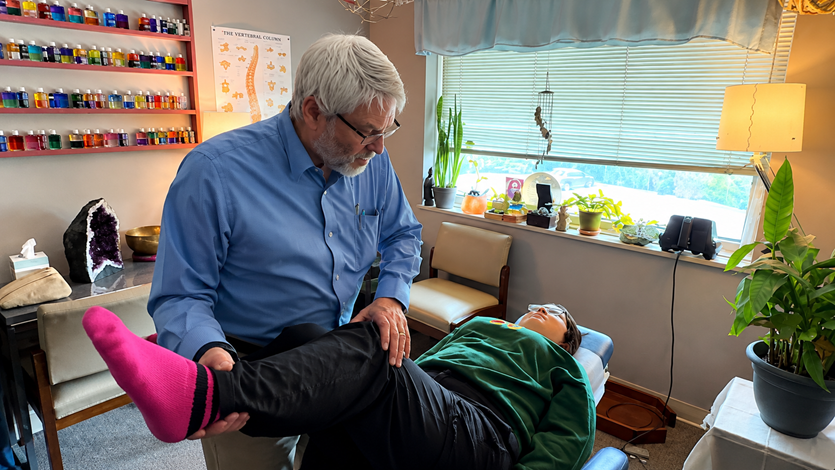

Boosting your flexibility is an essential aspect of maintaining overall health and wellness, and it goes hand in hand with chiropractic care. While stretching is a key component, achieving optimal flexibility involves a combination of effective techniques that can significantly improve your range of motion and reduce discomfort.
As a chiropractor, I often see how dynamic warm-ups, targeted static stretches, and practices like yoga can complement spinal health and enhance your body’s natural movement. These methods work together to ensure your muscles and joints are functioning optimally, which is crucial for preventing injuries and alleviating pain.
Let’s dive into some straightforward strategies you can incorporate into your daily routine for lasting flexibility gains:
- Dynamic Warm-Ups: Before any physical activity, engage in dynamic warm-ups. These involve gentle movements that gradually increase your heart rate and get your muscles ready. Simple activities like arm circles, leg swings, and torso twists can help prepare your body for more intense stretches.
- Targeted Static Stretches: After your warm-up, focus on static stretches that target specific areas where you feel tightness. Hold each stretch for 15-30 seconds, breathing deeply to help relax your muscles. This practice can greatly improve your flexibility over time.
- Incorporate Yoga: Yoga is a fantastic way to enhance flexibility while also promoting relaxation and body awareness. Many yoga poses specifically target spine health and can be easily integrated into your routine.
- Regular Chiropractic Adjustments: Regular visits to your chiropractor can support your flexibility goals. Chiropractic adjustments help align the spine and improve the function of the nervous system, which can enhance your overall mobility and reduce pain.
- Listen to Your Body: Always pay attention to how your body feels during stretching and movement. If something feels uncomfortable, it’s important to stop and consult with a chiropractor who can provide personalized advice.
By following these tips and incorporating chiropractic care into your wellness routine, you can achieve better flexibility and overall health naturally. Remember, consistent practice is key to seeing improvements, so make these techniques a part of your daily life for the best results.
Key Takeaways
- Integrate regular stretching into your daily activities, paying special attention to major muscle groups. This not only enhances your flexibility but also supports spinal health, which is essential for overall well-being.
- Begin with dynamic stretching as part of your warm-up routine. This increases blood flow to the muscles and prepares your body for movement, ultimately promoting better spinal alignment and function.
- Incorporate deep breathing techniques during your stretches. This practice encourages relaxation, which can help alleviate tension in your muscles and improve your range of motion—key components for maintaining a healthy spine.
- Don’t forget to stay hydrated and eat a balanced diet rich in nutrients. Proper hydration and nutrition support muscle function, recovery, and the overall effectiveness of your chiropractic care.
- Keep track of your progress with stretching and flexibility. Celebrating small achievements can boost your motivation and remind you of the benefits of chiropractic adjustments, which help maintain optimal spinal health and enhance your flexibility journey.
By focusing on these techniques, you can naturally improve your flexibility while also supporting your spine and overall health. Remember, chiropractic care is an effective way to address any pain and enhance your well-being, making it a valuable part of your wellness routine.
Understanding Flexibility and Its Benefits
Flexibility isn’t just about being able to touch your toes; it’s a vital component of overall health and well-being. As a chiropractor, I can tell you that improving your flexibility can significantly enhance your range of motion, making everyday activities like bending, lifting, and sitting easier and more comfortable.
When you work on your flexibility through gentle stretching and mobility exercises, you aren’t only promoting better movement but also helping to prevent injuries. Flexible muscles, tendons, and ligaments are more resilient, which means you’re less likely to experience strains or pulls during physical activities.
Additionally, enhancing your flexibility can lead to better posture, helping to alleviate discomfort and pain in your back and joints—areas where many people struggle.
Moreover, flexibility plays a key role in athletic performance. Whether you enjoy running, swimming, or practicing yoga, being flexible allows for smoother and more efficient movements, which can boost your overall performance.
Incorporating chiropractic care into your wellness routine can further enhance your flexibility. Regular adjustments can help align your spine, improve your posture, and increase your body’s overall mobility. This, in turn, makes it easier for you to stretch and engage in flexibility exercises effectively.
Here are some general tips to improve your flexibility and support your chiropractic care:
- Incorporate Stretching into Your Routine: Aim to stretch regularly, focusing on major muscle groups. Gentle static stretches can work wonders.
- Practice Deep Breathing: Breathing deeply while stretching can help you relax and allow for a greater range of motion.
- Stay Hydrated: Keeping your body hydrated supports muscle function and flexibility.
- Warm Up Before Exercise: Always warm up before engaging in physical activities to prepare your muscles and joints.
- Listen to Your Body: Pay attention to how your body feels during stretching. Avoid pushing yourself too hard, as this can lead to injury.
By prioritizing flexibility and incorporating chiropractic care into your health journey, you’ll enjoy the numerous benefits it offers for both your body and mind.
Dynamic Stretching: A Warm-Up Essential
Dynamic stretching is a vital component of preparing your body for physical activity, particularly when it comes to maintaining a healthy spine and overall wellness. By engaging in dynamic stretching, you increase blood flow and flexibility, which can enhance your performance and significantly lower the risk of injury.
As a chiropractor, I want to emphasize that incorporating these techniques into your warm-up routine can support your body’s natural healing processes and promote better spinal health.
Here are some key benefits of dynamic stretching for your body:
- Increased Mobility: Dynamic stretching helps to improve your range of motion, allowing your joints to move more freely. This is especially important for maintaining a healthy spine.
- Enhanced Circulation: Engaging in dynamic stretches increases blood flow to your muscles, preparing them for the demands of physical activity and promoting overall wellness.
- Reduced Risk of Injury: Warming up with dynamic stretches can help prevent strains and sprains by properly preparing your muscles and joints for movement.
To get started, here are some essential dynamic stretches you can incorporate into your routine:
- Leg Swings: Stand next to a wall or support and swing one leg forward and backward. This helps loosen up your hip joints and improves lower body flexibility.
- Arm Circles: Extend your arms out to the sides and make small circles, gradually increasing the size. This prepares your shoulders for activity and enhances upper body mobility.
- Walking Lunges: Step forward into a lunge, alternating legs as you move forward. This stretch engages multiple muscle groups, including your hips, legs, and core.
- Torso Twists: Stand with your feet shoulder-width apart and gently twist your torso side to side. This helps mobilize your spine and warm up your back muscles.
Always remember to listen to your body while stretching. If you experience any discomfort, it’s essential to consult with a chiropractor who can provide personalized guidance and care to address any potential issues.
Incorporating dynamic stretching into your warm-up routine can significantly benefit your overall health and wellness.
Coupled with regular chiropractic care, you can achieve optimal spinal health, enhance your physical performance, and promote your body’s natural ability to heal.
Prioritize your wellness by making these practices a part of your lifestyle!
Benefits of Dynamic Stretching
When you’re preparing for a workout, incorporating dynamic stretching can significantly enhance your performance and overall well-being. This method not only warms up your muscles and joints for the movements ahead but also plays a crucial role in reducing the risk of injury.
Unlike static stretches, dynamic stretching gets your blood flowing and raises your heart rate, which improves circulation throughout your body. Moreover, dynamic stretching helps enhance your range of motion, making it easier to perform exercises with proper form. This can be particularly beneficial for maintaining spinal health and preventing discomfort.
By improving flexibility and mobility, dynamic stretching can also support your chiropractic care by ensuring that your body functions optimally. Additionally, engaging in dynamic stretching can boost your energy levels and sharpen your focus, preparing you mentally for your workout.
Think of it as a way to get your body and mind in sync, which is essential for a successful and efficient exercise session. To incorporate dynamic stretching into your warm-up routine, consider simple movements like leg swings, arm circles, or torso twists.
These exercises are easy to do and can be done anywhere, making them a practical addition to your pre-workout ritual. Remember, taking the time to warm up properly sets the stage for not only a better workout but also supports your journey toward optimal health.
Key Techniques to Implement
Incorporating effective techniques into your warm-up routine can significantly enhance your overall health and wellness, especially when it comes to preparing your body for physical activity. As a chiropractor, I emphasize the importance of dynamic stretching not just for flexibility but also for spinal health.
Start with controlled leg swings: gently move your legs forward and backward to loosen your hip joints, which play a crucial role in maintaining proper alignment in your spine.
Next, try arm circles—extend your arms and rotate them in small circles, gradually increasing the size. This movement helps promote shoulder mobility, which is essential for maintaining a healthy upper spine.
High knees and butt kicks are excellent exercises for elevating your heart rate and engaging key muscle groups, while also getting your blood flowing.
Remember to include walking lunges; they not only stretch your hip flexors but also help improve balance, which is vital for spinal stability.
Lastly, incorporate torso twists to enhance spinal mobility. This movement is particularly beneficial for keeping your spine flexible and reducing tension. Aim for 10-15 repetitions of each exercise, maintaining a steady pace to maximize the benefits.
By integrating these simple techniques into your routine, you’ll prepare your body for physical activity, reduce the risk of injury, and enhance overall flexibility.
Chiropractic care complements these practices by addressing any underlying issues and promoting natural healing.
Prioritizing these warm-up techniques combined with regular chiropractic visits can lead to a healthier, pain-free lifestyle. Enjoy the journey to better health!
Static Stretching: Holding for Improvement
Static stretching is an excellent way to enhance your flexibility and support your overall wellness. When you hold stretches for an extended period, you help your muscles relax and lengthen, which can lead to improved range of motion. This practice is especially beneficial for those looking to maintain a healthy spine and prevent discomfort.
Here’s a handy table to remember some key static stretches along with their benefits:
| Stretch | Benefit |
|---|---|
| Hamstring Stretch | Increases leg flexibility |
| Quadriceps Stretch | Eases tightness in thighs |
| Shoulder Stretch | Improves upper body mobility |
| Butterfly Stretch | Enhances hip flexibility |
| Calf Stretch | Relieves tension in lower legs |
To make the most of your stretching routine, aim to hold each stretch for 15-30 seconds while focusing on your breathing. This not only helps improve flexibility but also encourages relaxation, which is vital for a healthy spine and body.
Incorporating static stretching into your daily routine can prepare your body for physical activities and contribute to a greater sense of agility. Remember, regular chiropractic care can further enhance these benefits by ensuring your spine is aligned and functioning properly. By maintaining optimal spinal health, you can experience improved flexibility and overall wellness. So, why not make stretching and chiropractic care a part of your path to a healthier life?
Incorporating Yoga Into Your Routine
Incorporating yoga into your daily routine can greatly enhance your flexibility and overall spinal health. By practicing specific poses regularly, you’ll notice improvements in your range of motion, which is essential for maintaining a healthy spine. This increased flexibility can help alleviate tension and discomfort, making chiropractic care even more effective in your journey towards optimal health.
In addition to the physical benefits, daily yoga practice can also provide mental clarity and relaxation. This is crucial for managing stress, which can often lead to increased tension in the body and exacerbate pain. Combining yoga with regular chiropractic adjustments creates a holistic approach to wellness that nurtures both your body and mind.
Here are a few tips to help you seamlessly integrate yoga into your routine:
- Start Slow: If you’re new to yoga, begin with gentle poses and gradually build up to more challenging ones. This will help you avoid injury and allow your body to adjust.
- Listen to Your Body: Pay attention to how your body feels during practice. If you experience pain, ease into the pose or modify it to suit your comfort level.
- Focus on Alignment: Proper alignment is crucial in both yoga and chiropractic care. Ensure that you maintain good posture in your poses to support your spine.
- Create a Consistent Schedule: Try to practice at the same time each day. Consistency will help you develop a routine that complements your chiropractic care.
- Combine with Chiropractic Visits: Regular adjustments from your chiropractor can enhance the benefits of your yoga practice, helping you maintain spinal alignment and reduce discomfort.
Yoga Poses for Flexibility
How can you enhance your flexibility and overall well-being? One effective approach is to incorporate specific yoga poses into your routine, which can complement the benefits of chiropractic care.
These poses can help alleviate tension and improve your body’s range of motion, making your chiropractic adjustments even more effective.
Start with Downward Dog, a pose that stretches your hamstrings and calves, promoting length and strength in your spine. This position not only helps with flexibility but also encourages proper alignment, a key factor in chiropractic health.
Next, try the Pigeon Pose to open your hips and relieve tension that can lead to discomfort in the lower back.
The Cobra Pose is another excellent choice, as it enhances spine flexibility and encourages a natural curve in your back. This pose can help counteract the negative effects of prolonged sitting, which many of us experience.
Additionally, the Butterfly Pose promotes hip mobility, which can alleviate pressure on your spine and enhance your overall posture.
Don’t forget to incorporate the Forward Bend into your routine. This pose not only deepens your stretch but also calms your mind, allowing you to focus on your breath and relaxation.
Holding each pose for at least 30 seconds while breathing deeply can enhance your relaxation and make your chiropractic adjustments more effective.
By regularly practicing these poses, you’ll notice not only improved flexibility but also a greater sense of balance and peace in your daily life.
Remember, chiropractic care is a vital part of your journey towards optimal health, and these yoga poses can serve as a supportive addition to your wellness routine.
Daily Practice Benefits
A daily yoga practice can play a significant role in enhancing your overall well-being and supporting your spinal health. By dedicating just a few minutes each day to yoga, you can improve your flexibility and range of motion, which is essential for maintaining a healthy spine. The gentle stretches and movements in yoga not only help to loosen tight muscles but also strengthen them, which can alleviate tension and promote relaxation throughout your body.
Incorporating yoga into your daily routine encourages mindfulness, allowing you to connect your body and mind. This practice can also lead to reduced stress and anxiety, contributing to a more positive outlook on life. When your mind is calm and focused, it can help support better spinal alignment and overall health.
Consistency is key in any wellness journey, and practicing yoga daily can lead to better results over time. As you become more comfortable with various poses, you’ll find that you can achieve challenging movements with greater ease. This can lead to less strain on your spine and decreased risk of injury.
Remember, chiropractic care is also an excellent way to complement your daily yoga practice. Regular chiropractic adjustments can help ensure that your spine is properly aligned, which is crucial for optimal function and pain relief. By prioritizing both yoga and chiropractic care, you’re not just enhancing your flexibility; you’re investing in your physical and mental health, paving the way for a happier, more balanced life.
Here are some tips to incorporate yoga and chiropractic care into your wellness routine:
- Start with simple poses: Focus on basic stretches that promote spinal health, such as Cat-Cow or Child’s Pose.
- Listen to your body: Pay attention to how your body feels during and after your practice. If you experience pain, consult your chiropractor for guidance.
- Stay consistent: Aim for a few minutes of yoga each day to build a habit that supports your flexibility and spinal health.
- Combine practices: Consider scheduling regular chiropractic appointments alongside your yoga practice to enhance your overall well-being.
- Focus on breathing: Deep, mindful breathing during your yoga practice can help reduce stress and improve spinal alignment.
Foam Rolling for Muscle Recovery
Foam rolling is an excellent technique for muscle recovery that can help alleviate soreness and enhance flexibility. As a chiropractor, I often emphasize the importance of maintaining a healthy and functional body, and foam rolling can be a valuable addition to your wellness routine. By rolling over sore muscles, you can effectively break up tight knots and promote increased blood flow, which aids in the recovery process.
To get started, find a smooth surface and choose a foam roller that feels comfortable for you. Begin with your calves, rolling gently back and forth. Gradually transition to your thighs and hips, paying particular attention to any areas that feel particularly tight. While it may feel a bit uncomfortable at first, remember that this discomfort often indicates that you’re releasing built-up tension in your muscles.
Incorporating foam rolling into your post-workout routine can significantly enhance your overall performance and keep your muscles in optimal condition. I recommend dedicating about 10-15 minutes after your workouts to this practice to maximize its benefits. The key to effective recovery is consistency, so aim to make foam rolling a regular part of your recovery plan.
Additionally, combining foam rolling with regular chiropractic care can further enhance your results. Chiropractic adjustments help ensure that your spine is aligned and functioning properly, which can lead to better overall health and wellness. By focusing on natural healing methods like foam rolling and chiropractic care, you can avoid the need for invasive procedures or medications.
The Role of Strength Training in Flexibility
While many people think of flexibility as something that can be achieved solely through stretching, it’s important to recognize the vital role that strength training plays in enhancing your overall flexibility. When you engage in strength training, you create a supportive framework around your muscles and joints, allowing for more natural and unrestricted movement. Stronger muscles can better manage the demands of various activities, which helps reduce the risk of injury not only during stretching routines but also in daily life.
Incorporating strength-building exercises like squats, lunges, and deadlifts can do wonders for your flexibility. These movements not only strengthen specific muscle groups but also promote a greater range of motion. When your muscles have a broader range to operate within, they can stretch further and more effectively during your flexibility training.
Additionally, strength training helps balance out muscle groups that may be tight or overactive, ensuring that flexibility is evenly distributed across your body. When you integrate strength work into your routine, you’re laying the groundwork for improved flexibility. This is crucial for performing everyday activities and participating in sports with greater ease, ultimately enhancing your overall physical performance.
As a chiropractor, I encourage you to consider how chiropractic care can further support your journey toward optimal health. Chiropractic adjustments can improve your spinal alignment and overall mobility, making your strength training and flexibility efforts even more effective.
By focusing on natural healing methods like chiropractic care, you can work toward pain relief and a healthier lifestyle. Remember, strengthening your body through exercise and complementing it with chiropractic care can lead to significant improvements in your flexibility and overall well-being.
Consistency: Making Flexibility a Habit
To truly enjoy the benefits of flexibility training, it’s important to weave it into your daily routine, much like how regular chiropractic adjustments support your overall wellness. Consider setting aside a specific time each day or week that’s dedicated to stretching. This practice helps your body and mind adapt to the new habit, much like how regular chiropractic visits help your spine and nervous system function optimally.
Start with shorter sessions of stretching, gradually increasing the duration as you notice improvements in your flexibility. Incorporating various stretching techniques—such as static, dynamic, and PNF stretches—can keep your practice interesting and effective, just as combining different chiropractic techniques can enhance your spinal health.
Tracking your progress can significantly boost your motivation. Consider using a journal or an app to record your improvements. Celebrate those small victories; each step forward contributes to your overall well-being.
Additionally, finding a workout buddy or joining a class can make your flexibility training more enjoyable. Sharing your journey with someone can help keep you accountable and motivated, much like how a supportive chiropractic community can encourage your health goals.
Remember, consistency is essential. By committing to a regular flexibility practice, you’re not only enhancing your physical well-being but also supporting your spine’s health.
Soon enough, flexibility will feel like a natural part of your life, complementing the benefits you receive from chiropractic care on your path to optimal health.
The Importance of Proper Nutrition
Proper nutrition is a key component of your flexibility training and overall health. A well-rounded diet not only fuels your body but also supports muscle recovery, which is essential for maintaining a healthy spine and optimal mobility. By focusing on a balanced diet rich in vitamins, minerals, and macronutrients, you can enhance your performance and work towards your flexibility goals more effectively.
Incorporating lean proteins such as chicken, fish, and legumes is vital for rebuilding muscle tissue after stretching sessions. These foods help repair and strengthen your muscles, which is crucial for maintaining a strong and flexible spine.
Meanwhile, healthy fats found in avocados, nuts, and olive oil provide the energy needed for those challenging routines without the negative side effects of processed foods.
Don’t overlook the importance of fruits and vegetables in your meals; they’re packed with antioxidants that help reduce inflammation and promote recovery. This is particularly important for those engaging in regular flexibility training, as it can ease soreness and improve your overall performance.
Staying well-hydrated is also essential—water plays a significant role in maintaining elasticity in your muscles and joints, which is important for both flexibility and spinal health.
When you nourish your body with the right foods, you’ll likely experience improved flexibility, reduced discomfort, and a better overall sense of well-being. By prioritizing your nutrition and combining it with regular chiropractic care, you can achieve optimal health and enhance your flexibility training journey.
Remember, chiropractic adjustments can help alleviate pain, improve range of motion, and support your body’s natural healing processes, making it a fantastic complement to your healthy lifestyle choices.
Listening to Your Body: Avoiding Injury
Nourishing your body with the right foods and staying hydrated lays the groundwork for your flexibility training and overall health. As you work to improve your flexibility, it’s crucial to listen to your body. Pay attention to any signs of discomfort or pain; pushing through these sensations can lead to injuries that may require chiropractic care for relief.
It’s best to start slowly, gradually increasing your range of motion without rushing the process. If you experience sharp pain, it’s a signal from your body to ease off and reassess your technique.
Warming up properly before stretching and cooling down afterward helps your muscles recover and prevents strain. Incorporating rest days into your routine is also essential; these breaks are vital for muscle repair and growth.
Remember, everyone’s body is unique, so what works for one person may not work for another. Trust your instincts; if something doesn’t feel right, consider modifying your routine.
Chiropractic care can play a significant role in supporting your flexibility journey. Regular adjustments can help align your spine, improve your overall mobility, and reduce discomfort, allowing you to focus on your flexibility exercises without the worry of pain.
Setting Realistic Flexibility Goals
Next, track your progress on your journey to improved flexibility. Keeping a journal is a great way to observe your improvements over time, which can really boost your motivation.
Remember, flexibility doesn’t happen overnight, so it’s important to be patient with yourself. Celebrate the small victories, whether it’s achieving a deeper stretch or holding a pose for a bit longer.
Incorporating chiropractic care into your routine can greatly enhance your flexibility and overall wellness. Chiropractors can help identify any spinal misalignments that may be hindering your mobility, and regular adjustments can promote better posture and muscle function.
This natural approach not only aids in flexibility but also supports your body’s ability to heal itself.
Stay consistent with your practice and adjust your goals as needed. By doing so, you’ll create a sustainable routine that keeps you engaged and progressing in your flexibility journey.
Conclusion
Improving your flexibility is entirely achievable with consistent practice and the right techniques, and it can significantly benefit your overall health and wellness. As a chiropractor, I recommend incorporating dynamic stretching, static holds, and mindful movements such as yoga into your routine. These practices not only enhance flexibility but also promote spinal health and overall body alignment.
It’s essential to listen to your body and respect its limits to prevent injuries. Proper nutrition fuels your body, supporting muscle recovery and overall wellness. Setting realistic goals is important, and remember to celebrate every bit of progress you make, no matter how small it seems.
Chiropractic care plays a crucial role in achieving optimal flexibility and health. By addressing any spinal misalignments and promoting proper posture, chiropractic adjustments can enhance your body’s range of motion and alleviate tension. This natural approach to wellness helps your body heal itself without the need for medications or surgeries.
Incorporate these tips into your routine: practice gentle stretches daily, consider regular chiropractic visits for spinal health, and maintain a balanced diet to support your flexibility journey. With dedication and patience, you’ll enhance your flexibility and enjoy the numerous benefits it brings to your well-being.