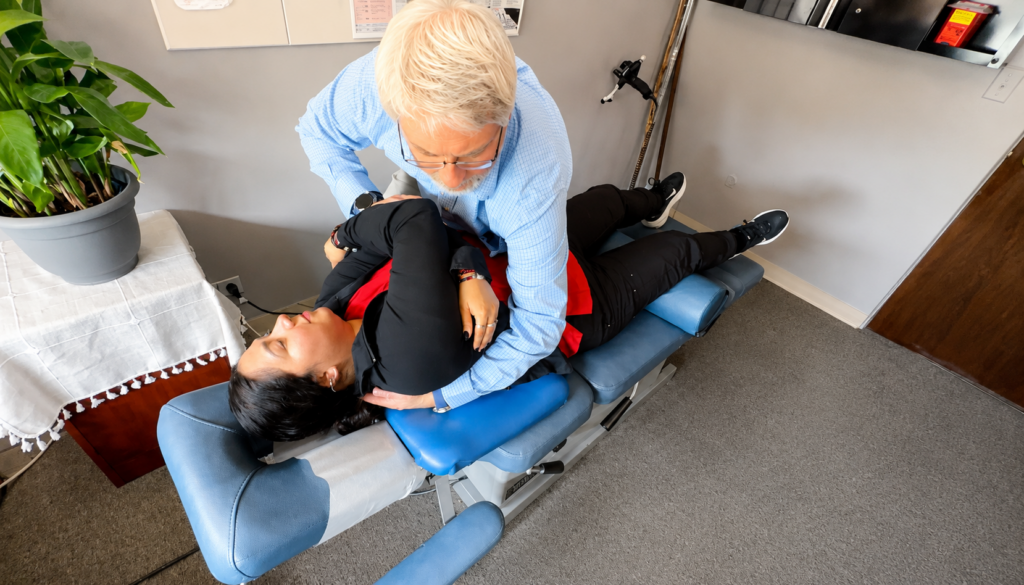

If you’re eager to improve your flexibility, there are several authentic methods you can incorporate into your daily routine. One of the best starting points is a consistent stretching regimen. Stretching not only helps to enhance flexibility but also promotes spinal health and overall wellness.
In addition to stretching, consider exploring yoga and Pilates. These practices are excellent for improving flexibility while also strengthening your core and supporting your spine. They are gentle on the body and can be easily modified to suit your individual needs and capabilities.
Using tools like resistance bands and foam rollers can also be beneficial in your journey toward better flexibility. Resistance bands can help you perform stretches with added support, while foam rollers are great for releasing tension in your muscles and improving circulation.
Remember, the key to enhancing your flexibility lies in consistency and patience. As you incorporate these methods into your routine, you may be surprised by the improvements you experience—not just in flexibility, but in your overall health and well-being. And always keep in mind that regular chiropractic care can play a vital role in achieving optimal health, supporting your spine, and enhancing your body’s natural ability to heal and function at its best.
Key Takeaways
- Start your day with gentle stretching routines that focus on the major muscle groups. Holding each stretch for 20-30 seconds can greatly improve your flexibility and help maintain spinal health. Always listen to your body and avoid pushing yourself too hard.
- Before engaging in any physical activity, consider incorporating dynamic warm-ups. These movements help activate your muscles and joints, enhancing flexibility and reducing the risk of injury. A well-prepared body is less prone to discomfort and misalignment.
- Regular yoga practice can be a wonderful addition to your routine. Not only does it improve physical flexibility, but it also promotes mental clarity and supports spinal health through various poses and mindful breathing techniques. Many people find relief from tension and stress through yoga.
- Utilizing foam rollers and resistance bands can be beneficial in releasing muscle tension. These tools can provide targeted support during your stretches, further enhancing flexibility and overall wellness. They can also complement your chiropractic adjustments by promoting better alignment.
- Joining group flexibility classes can offer expert guidance and a sense of community. You’ll find motivation from peers and the chance to learn new techniques in a safe environment. Plus, it’s a great way to support your chiropractic care journey while meeting others who share similar health goals.
Remember, chiropractic care is a fantastic way to achieve and maintain optimal health. By integrating these practices into your routine, you can promote natural healing, enhance your flexibility, and support your overall well-being.
Incorporate Daily Stretching Routines
To enhance your flexibility and overall wellness, incorporating daily stretching routines is essential. As a chiropractor, I emphasize the importance of maintaining a healthy spine and flexible muscles to prevent discomfort and improve your quality of life.
Start by dedicating just 10 to 15 minutes each day to your stretching routine. Focus on major muscle groups such as your hamstrings, quadriceps, and shoulders, as these areas are vital for spinal alignment and mobility.
Hold each stretch for at least 20 to 30 seconds, and remember to breathe deeply. This not only helps you relax but also maximizes the effectiveness of your stretches. Consistency is key, so aim to make stretching a daily habit, rather than pushing yourself too hard on any given day.
Try to integrate stretching after your workouts or even during breaks throughout the day. This practice helps prevent stiffness and keeps your muscles limber, which is crucial for maintaining a healthy spine. Additionally, incorporating dynamic stretches before engaging in physical activities can help warm up your muscles effectively.
Always listen to your body—if a stretch feels painful, ease back to avoid injury. Creating a routine won’t only make stretching a part of your daily life but will also support your journey towards optimal health.
Regular stretching complements chiropractic care by enhancing flexibility and reducing muscle tension, allowing your body to function at its best. So, grab a mat, find a quiet space, and commit to your daily stretching journey. Your spine and overall well-being will thank you!
Practice Yoga Regularly
Practicing yoga regularly can significantly enhance your flexibility and overall well-being, which is essential for maintaining a healthy spine. As a chiropractor, I believe that a consistent yoga routine complements chiropractic care beautifully by promoting natural healing and wellness.
When you commit to yoga, you’ll notice improvements not only in your physical flexibility but also in your mental clarity. The deep stretching and lengthening of muscles that yoga encourages can help alleviate tension in your spine, contributing to better posture and reducing the risk of pain.
To get the most out of your yoga practice, consider these key aspects:
| Aspect | Benefits |
|---|---|
| Consistency | Builds muscle memory and supports spinal health |
| Mindfulness | Reduces stress and tension, enhancing relaxation for your spine |
| Variety of Poses | Targets different muscle groups, promoting overall balance and alignment |
Incorporating various poses like Downward Dog and Cobra can challenge your body in new ways while helping to maintain spinal alignment. I recommend aiming for at least two to three yoga sessions a week. It’s crucial to listen to your body during each practice; this awareness will help you understand your body’s needs and capabilities, further enhancing your flexibility and overall health.
Engage in Dynamic Warm-Ups
Dynamic warm-ups are a vital part of preparing your body for any activity, especially when it comes to maintaining a healthy spine and overall wellness. Incorporating these effective movements into your routine not only boosts your flexibility but also enhances your performance while significantly reducing the risk of injury.
As a chiropractor, I can’t stress enough how important it’s to listen to your body as you warm up. Dynamic movements—such as arm circles, leg swings, and torso twists—can increase your blood flow and mobility, which are essential for spinal health. These exercises help to activate your muscles and joints, priming them for the demands of physical activity.
Here are a few benefits of incorporating dynamic warm-ups into your routine:
- Improved Flexibility: Dynamic stretches help to loosen tight muscles and joints, leading to better overall mobility. This is crucial for maintaining a healthy spine and preventing injury.
- Enhanced Performance: By warming up dynamically, you prepare your body for the movements it’s about to perform, which can lead to better performance whether you’re running, lifting, or engaging in any physical activity.
- Reduced Risk of Injury: A proper warm-up can help prevent strains and sprains by ensuring your muscles are ready to work. This proactive approach is a key aspect of chiropractic care, which focuses on natural healing and injury prevention.
- Mind-Body Connection: Dynamic warm-ups encourage you to become more aware of your body, which is essential for recognizing any discomfort or imbalances that may need attention.
To get started with dynamic warm-ups, consider these simple tips:
- Start Slow: Gradually increase the intensity of your movements. This allows your body to adjust and reduces the risk of strain.
- Focus on Key Areas: Pay attention to the major muscle groups and joints that will be engaged in your activity, especially those related to your spine.
- Incorporate Breathing: Pair your movements with deep, controlled breaths to enhance relaxation and improve focus.
Remember, incorporating these dynamic movements isn’t just about preparing for a workout; it’s also about nurturing your spine and overall health. Chiropractic care complements these practices by helping to address any underlying issues and promoting a balanced, pain-free lifestyle.
Embrace these warm-ups as part of your journey to optimal health, and you’ll be on your way to feeling your best!
Benefits of Dynamic Warm-Ups
Incorporating dynamic warm-ups into your routine can significantly enhance your overall health and wellness, especially when paired with chiropractic care. These warm-ups not only prepare your body for activity but also promote better spinal health and flexibility, making them an excellent addition to your daily regimen.
Dynamic warm-ups get your muscles ready for action by improving blood flow and increasing your range of motion. This is particularly beneficial for maintaining a healthy spine, as good mobility can help prevent discomfort and injury. You may notice improvements in coordination and balance, which are essential for effective workouts and athletic performance.
Here’s a quick overview of some benefits that can be achieved through dynamic warm-ups:
| Benefit | Description |
|---|---|
| Improved Mobility | Increases joint flexibility and muscle elasticity, supporting spinal alignment. |
| Increased Blood Flow | Enhances circulation to warm up your muscles, aiding in overall body function. |
| Enhanced Performance | Prepares your body for physical activity, leading to more effective results and reduced risk of injury. |
As you engage in dynamic warm-ups, remember that chiropractic care plays a crucial role in maintaining your body’s alignment and function. Regular visits to your chiropractor can help ensure that your spine and nervous system are in top condition, allowing you to fully benefit from your warm-up routine.
For optimal wellness, make it a habit to incorporate these warm-ups into your daily activities and prioritize your chiropractic check-ups. By doing so, you’ll be taking significant steps towards a healthier, pain-free life.
Effective Warm-Up Exercises
To prepare your body for optimal health and peak performance, engaging in effective warm-up exercises is essential. As a chiropractor, I emphasize the importance of not only warming up but also ensuring that your spine and muscles are ready for activity.
Start with dynamic stretches such as leg swings and arm circles to promote blood flow and enhance flexibility in your joints. Incorporate movements like high knees and butt kicks to elevate your heart rate and loosen your muscles, which can help prevent strain on your spine.
For a more comprehensive warm-up, try lunges with a twist. This movement not only engages your core but also helps improve your range of motion, crucial for maintaining spinal health.
Remember, warming up isn’t just about getting your body ready; it’s about preparing your spine and overall musculoskeletal system for the activities ahead.
Aim for 5-10 minutes of these exercises before your workout. You’ll likely notice improved performance and a reduced risk of injury. Prioritizing warming up in your routine can lead to better flexibility and overall fitness.
Additionally, consistent warm-up practices can complement chiropractic care, helping you maintain a healthy spine and body. So, take these tips to heart, and you’ll be on your way to achieving optimal health naturally!
Try Foam Rolling Techniques
Unlock the benefits of foam rolling as a key addition to your flexibility routine, and discover how it can complement your chiropractic care. This straightforward and effective technique helps release muscle tension and boost blood circulation, making it easier for you to stretch. By gently rolling over tight areas, you can break up muscle knots and enhance your range of motion, which is essential for achieving optimal flexibility.
Begin with your major muscle groups, such as your back, quads, and hamstrings. Spend about 30 seconds on each area, applying enough pressure to feel a bit of discomfort, but not pain. You’ll likely notice that your muscles respond better during stretches, allowing for deeper, more effective movements. This can significantly aid in your overall wellness and support your chiropractic adjustments.
Incorporate foam rolling into your warm-up or cool-down sessions for maximum benefit. It’s a quick and efficient way to prepare your body for physical activity or assist in recovery afterward. Experiment with different types of foam rollers—those with various densities—to find what feels best for you. Remember, the goal is to enhance your flexibility and overall health, and foam rolling is a helpful tool on this journey.
As you explore these techniques, remember that regular chiropractic care provides a strong foundation for your wellness. It promotes natural healing, aligns your spine, and supports your body’s ability to function optimally.
Make foam rolling a part of your routine, and watch how it works hand-in-hand with chiropractic adjustments to help you achieve your health goals.
Use Resistance Bands for Stretching
Incorporating resistance bands into your stretching routine can greatly enhance your flexibility and overall wellness, key components of maintaining a healthy spine. As a local chiropractor, I emphasize the importance of keeping your body flexible to support spinal health and prevent discomfort. Resistance bands provide a unique way to add tension to your stretches, allowing you to target specific muscle groups while also promoting proper alignment.
To get started, securely anchor the band to a stable object, then loop it around the part of your body you wish to stretch. For instance, if you’re looking to improve your hamstring flexibility, lie on your back and place the band around your foot. Gently pull the band towards you while keeping your leg straight. You’ll feel a deeper stretch, which can help alleviate tension around your lower back and improve your overall mobility.
Resistance bands are also excellent for dynamic stretches, such as arm circles or leg swings. These movements can help increase your range of motion while keeping your spine aligned. Just remember to move in a controlled manner to avoid injury and maintain stability.
Integrating resistance bands into your routine not only makes stretching more effective but also adds variety to your workouts, keeping them engaging. Regular stretching with resistance bands can contribute to better spinal health, helping you feel more comfortable and pain-free in your daily activities.
If you’re looking for natural ways to support your well-being and enhance your flexibility, give resistance bands a try. Consistent practice can lead to noticeable improvements in your overall flexibility and spinal alignment.
Always consult with your chiropractor for personalized advice and to ensure that your stretching routine complements your chiropractic care effectively.
Focus on Breath Control
While stretching and exercising, focusing on breath control can significantly enhance your results and overall experience, especially when it comes to maintaining a healthy spine. Deep, conscious breathing increases oxygen flow, which is essential for muscle relaxation and effective stretching. As a chiropractor, I often encourage patients to incorporate breath control into their routines.
Try inhaling deeply through your nose, allowing your abdomen to expand, and then exhaling slowly through your mouth. This simple technique not only calms your mind but also promotes a natural rhythm in your movements, which is vital for spinal health.
As you enter each stretch, aim to synchronize your breath with your body. Inhale as you prepare for the stretch, and exhale as you deepen into it. This connection between breath and movement not only helps you push further but also reduces the risk of injury—something that can be a common concern for those seeking natural wellness.
If you notice you’re holding your breath, take this as a cue to ease up, as maintaining a relaxed state is crucial for your spine.
Prioritizing breath control in your practice can enhance your flexibility and cultivate a greater sense of awareness and mindfulness. Remember, a healthy spine supports overall well-being, and incorporating these breathing techniques can be a powerful addition to your journey toward optimal health.
If you’re looking for pain relief or ways to improve your wellness naturally, chiropractic care is an excellent choice to support your body’s needs.
Attend Flexibility Classes
If you’re looking to improve your flexibility and overall well-being, attending flexibility classes can be a fantastic addition to your wellness routine. As a chiropractor, I often emphasize the importance of maintaining a healthy spine and body alignment, which can significantly benefit from enhanced flexibility.
Flexibility classes are designed for all levels and can help you safely increase your range of motion. This is crucial not only for preventing injuries but also for supporting your spinal health. When your muscles and joints are flexible, it reduces the stress on your spine, allowing for better posture and alignment.
Moreover, working out in a group setting can provide motivation and accountability, making it easier to stick to your wellness goals. Look for local classes that fit your schedule and interests, and remember to listen to your body.
Here are some general tips for enhancing your flexibility while supporting your spine health:
- Warm Up Properly: Always start with a gentle warm-up to prepare your muscles and joints.
- Focus on Breathing: Deep breathing can help relax your muscles, making stretching more effective.
- Incorporate Chiropractic Care: Regular chiropractic adjustments can enhance your flexibility and overall movement by ensuring your spine is aligned, which supports your body’s natural healing processes.
- Stay Consistent: Like any wellness practice, consistency is key. Aim to attend classes regularly to see the best results.
- Listen to Your Body: Pay attention to how your body feels during stretches. Don’t push through pain; instead, ease into movements and respect your limits.
By integrating flexibility classes into your routine and supporting your body with chiropractic care, you’re taking positive steps toward achieving optimal health and a pain-free lifestyle.
Class Types Available
There are several types of flexibility classes you can attend, each designed to meet different needs and fitness levels, and they can complement your journey toward optimal health.
For beginners, yoga classes often introduce foundational stretches and breathing techniques that promote relaxation and improve spinal alignment. If you’re looking for something more dynamic, consider a Pilates class, which emphasizes core strength while enhancing flexibility—both of which are essential for maintaining a healthy spine.
Another beneficial option is a dedicated flexibility or stretching class, where you’ll focus on specific areas like hips, hamstrings, or shoulders. These classes can help alleviate tension and improve your range of motion, which is crucial for preventing injuries and maintaining a healthy back.
Dance classes, such as ballet or contemporary, also promote flexibility through artistic movement, fostering a balanced body that supports spinal health.
Additionally, consider incorporating martial arts classes into your routine. Flexibility is key for many martial arts techniques, and participating in these classes can enhance your overall physical capabilities while promoting natural healing and wellness.
Remember, the goal of these classes isn’t just to increase flexibility, but to support your body’s overall health. Pairing these activities with regular chiropractic care can help ensure your spine is aligned, allowing you to move freely and without pain.
It’s important to listen to your body and consult with your chiropractor to determine which classes might be best for your specific needs. By combining these practices, you can achieve a healthier, more flexible lifestyle.
Benefits of Group Training
Participating in flexibility classes in a group setting offers a range of benefits that can greatly enhance your overall health and wellness journey. Training alongside others not only makes the experience more enjoyable, but it also helps keep you accountable, encouraging you to stick to your routine.
Here’s how group training can support your path to optimal health:
1. Boosted Motivation: The collective energy from your peers can inspire you to push yourself further and stay dedicated to your wellness goals. This motivation can be especially beneficial when combined with chiropractic care, as maintaining flexibility complements spinal health.
2. Exploration of New Techniques: Instructors often introduce a variety of stretches and routines that you mightn’t try on your own. This variety can improve your flexibility and overall mobility, both of which are essential for maintaining a healthy spine.
3. Building Connections: Engaging with like-minded individuals can foster friendships and support networks. These connections can encourage regular attendance and make your journey to wellness more enjoyable.
Plus, sharing experiences with others can reinforce the importance of maintaining spinal health.
4. Expert Instruction: Instructors can provide immediate feedback on your form, which is crucial for preventing injuries. Proper alignment and technique are vital for protecting your spine, and this guidance can enhance your progress.
Incorporating flexibility classes into your routine, especially when aligned with chiropractic care, can lead to improved posture, reduced pain, and better overall health.
Embrace the sense of community and support that group training offers, and remember that taking care of your spine is a key component of your wellness journey!
Finding Local Classes
Are you looking for local flexibility classes to enhance your wellness? As a chiropractor, I understand the importance of maintaining flexibility for overall health and spinal wellness. Improved flexibility can aid in reducing pain and preventing injuries, which is why it’s great to engage in activities that promote it.
Start by checking community centers and gyms in your area. These places often provide a variety of classes suitable for different skill levels, helping you find something that fits your needs. Yoga studios are also an excellent option, as many focus specifically on enhancing flexibility through gentle stretching and mindful movement.
Don’t forget the power of online resources! Social media groups and platforms like Meetup can be invaluable for discovering local classes and connecting with others who share your wellness journey.
Here’s a quick guide to help you find flexibility classes:
| Location Type | Examples |
|---|---|
| Community Centers | Parks & Recreation Programs |
| Gyms | Local Fitness Centers |
| Yoga Studios | Hot Yoga, Hatha Yoga |
| Online Platforms | Meetup, Facebook Groups |
Incorporating flexibility training into your routine not only contributes to better spinal health but also enhances your overall wellbeing. Remember, chiropractic care is an excellent complement to these activities, helping to align your spine and improve your body’s function.
If you ever experience discomfort or pain while participating in these classes, don’t hesitate to reach out to a chiropractor for personalized guidance and care. Together, we can work towards achieving optimal health naturally!
Implement Static Stretching Post-Workout
Although it may be tempting to skip stretching after a workout, incorporating static stretching is a fantastic way to enhance your flexibility and support recovery. This simple yet effective practice helps your muscles relax and lengthen, reducing tightness and soreness.
Here’s how to implement it in a way that complements your overall health and wellness journey:
- Cool Down: After your workout, take a few minutes to gradually bring your heart rate down. This is an important step that prepares your body for stretching and helps prevent injury.
- Focus on Major Muscle Groups: Pay special attention to the areas you worked during your session, such as hamstrings, quads, and shoulders. By targeting these muscle groups, you can help release tension and improve your range of motion.
- Hold Each Stretch: Aim to maintain each stretch for 15-30 seconds. This duration allows your muscles to gradually ease into the position, promoting better flexibility and reducing the risk of soreness.
- Breathe Deeply: Take slow, deep breaths while you stretch. This not only helps your body relax but also enhances the effectiveness of each stretch. Proper breathing can support your body’s natural healing processes, which is essential for overall wellness.
Remember, incorporating static stretching after your workout is a simple and effective way to support your recovery and flexibility.
Additionally, regular chiropractic care can further enhance your body’s ability to heal and function at its best. By maintaining a healthy spine and nervous system, you’ll improve your overall well-being and experience more natural relief from pain and discomfort.
Explore Pilates for Core Strength
If you’re looking to boost your core strength, Pilates is a fantastic way to achieve that, especially when combined with regular chiropractic care. Strengthening your core not only enhances your stability but also plays a crucial role in supporting your spine and overall health.
As a chiropractor, I often emphasize the importance of a strong core in preventing back pain and promoting proper alignment.
Pilates focuses on controlled movements that engage your core muscles, and these exercises can significantly benefit your spinal health. By incorporating Pilates into your routine, you can improve your flexibility, posture, and balance, all of which are essential for maintaining a healthy spine.
Here are some tips to seamlessly integrate Pilates into your life for maximum benefits:
- Start Slow: If you’re new to Pilates, begin with beginner classes or online tutorials. Focus on mastering the basic movements to build a strong foundation.
- Listen to Your Body: Pay attention to how your body feels during and after exercises. If you experience discomfort, consult with your chiropractor to ensure you’re practicing safely.
- Combine with Chiropractic Care: Regular chiropractic adjustments can enhance the benefits of Pilates by ensuring your spine is aligned and functioning optimally. Consider scheduling chiropractic visits to complement your Pilates practice.
- Practice Mindfulness: Pilates encourages mindfulness and breath control. Take this opportunity to connect with your body and be aware of your movements, which can help reduce stress and tension.
- Stay Consistent: Aim for consistency in your practice. Even short, daily sessions can lead to significant improvements over time, enhancing your core strength and overall wellness.
Incorporating Pilates into your routine can be a game-changer for your core strength and spinal health.
Benefits of Pilates
Pilates is an excellent way to enhance your core strength, which is crucial for maintaining a healthy spine and overall wellness. As a chiropractor, I want to share how integrating Pilates into your routine can complement your journey towards optimal health and pain relief.
- Improved Posture: Strong core muscles help keep your spine aligned. Better posture not only looks good but also reduces unnecessary strain on your back, helping prevent discomfort.
- Enhanced Flexibility: The controlled movements in Pilates work to stretch and lengthen your muscles. Increased flexibility can improve your range of motion and decrease tension in your body, which is key for spinal health.
- Injury Prevention: A well-developed core acts like a stabilizer for your entire body. By strengthening your core through Pilates, you can lower your risk of injuries, especially during everyday activities or other exercises.
- Better Balance: Core strength is essential for maintaining balance, which is important for your overall mobility and helps prevent falls. This is especially beneficial as we age.
Incorporating Pilates into your routine not only strengthens your core but also supports your overall well-being. It’s a fantastic way to promote a balanced body and mind.
Remember, regular chiropractic care can enhance the benefits of Pilates by ensuring your spine is aligned and functioning optimally. Together, they provide a holistic approach to health—one that prioritizes natural healing and healthier living.
For those looking to start, consider incorporating simple Pilates exercises into your daily regimen and consult with your chiropractor for personalized tips to complement your practice.
Your path to natural wellness starts with a strong foundation!
Key Exercises Explained
Incorporating a few key exercises into your routine can significantly enhance your core strength, and I believe that pairing these exercises with chiropractic care can lead to optimal health and wellness.
Let’s explore some effective Pilates exercises that not only strengthen your core but also complement the benefits of chiropractic adjustments.
Start with the “Hundred.” Lie on your back, lift your legs to a tabletop position, and pump your arms while breathing deeply. This exercise engages your core and helps improve endurance, which is essential for maintaining a healthy spine.
Remember, a strong core supports proper posture, reducing strain on your back.
Next, try the “Roll-Up.” Slowly roll your body from a lying position to a seated one, focusing on using your abdominal muscles. This movement not only strengthens your core but also promotes flexibility in your spine—key elements that can enhance the results of your chiropractic care.
The “Plank” is another essential exercise. Hold a strong position on your forearms and toes, keeping your body straight. This exercise builds overall strength and stability, which can help alleviate spinal discomfort and support your chiropractic treatment.
Lastly, incorporate the “Bridge.” Lying on your back, lift your hips while squeezing your glutes. This exercise strengthens your lower back and glutes, providing additional support for your spine and helping to prevent pain.
Remember, these exercises can help create a solid foundation for strength and flexibility, which is vital for overall wellness.
Regular chiropractic care, combined with these exercises, can lead to improved spinal health and a more active, pain-free lifestyle.
Always listen to your body and consult with your chiropractor if you have any concerns or need personalized advice on incorporating these exercises into your routine.
Incorporating Pilates Into Routine
To enhance your core strength and overall well-being, incorporating Pilates into your routine can be truly beneficial. Not only does it promote strong muscles, but it also supports spinal health, which is crucial for optimal body function.
Here’s how to start integrating Pilates while prioritizing your chiropractic care:
- Choose a Class: Look for a local Pilates studio or online classes that fit your lifestyle. Many studios are often nearby, making it convenient to explore options that align with your schedule.
- Focus on Form: Proper alignment is key in both Pilates and chiropractic care. Be mindful of your posture and engage your core during each exercise to avoid strain and promote spinal health.
- Practice Regularly: Trying to commit to two to three sessions a week can lead to noticeable improvements in your strength and flexibility. Regular practice can also complement the benefits you receive from chiropractic adjustments.
- Incorporate Props: Using tools like a reformer, resistance bands, or a stability ball can make your workouts more effective. These props not only challenge your core but also support your spine, helping you maintain proper alignment.
By embracing Pilates alongside your chiropractic care, you can enhance your core strength and flexibility, leading to a healthier and more balanced lifestyle.
Stay Hydrated and Maintain a Balanced Diet
While you’re working on improving your flexibility, it’s crucial to also focus on staying hydrated and maintaining a balanced diet. Water is vital for keeping your muscles and joints lubricated, which can enhance your range of motion and overall comfort. Be sure to drink enough water before, during, and after your activities to prevent stiffness and support your chiropractic care.
In addition to hydration, a balanced diet full of vitamins and minerals is essential for your body’s flexibility training. Make it a habit to include plenty of fruits, vegetables, whole grains, and lean proteins in your meals. For example, bananas and spinach are fantastic options as they’re rich in potassium and magnesium, both of which support muscle function and recovery—critical components of your chiropractic health journey.
Don’t overlook healthy fats either, as they can help reduce inflammation and promote joint health. By nourishing your body properly, you’ll not only support your flexibility but also enhance your overall well-being.
Conclusion
As a chiropractor committed to your health and wellness, I want to share ten authentic ways to enhance your flexibility that can lead to improved overall wellness and a healthier spine. By making daily stretching a part of your routine, you can increase your range of motion and reduce the risk of injuries. Incorporating practices like yoga and Pilates can also be beneficial, as they promote better alignment and strength, which are essential for spinal health.
Remember, proper hydration and nutrition play a crucial role in maintaining flexibility and overall well-being. Drinking enough water helps keep your muscles and joints lubricated, while a balanced diet provides the nutrients your body needs to function optimally.
Engaging in dynamic warm-ups before any physical activity prepares your muscles for movement, reducing the chance of strain. Foam rolling can be a great tool to release tension in your muscles and improve circulation, further supporting your flexibility journey.
With dedication and consistency, you’ll start to notice significant improvements in your flexibility. This not only makes your workouts more enjoyable but also enhances your overall quality of life. Chiropractic care can support this journey by ensuring your spine is properly aligned, which is vital for optimal function and mobility.
Start your journey towards better flexibility and a healthier spine today—your body will thank you!