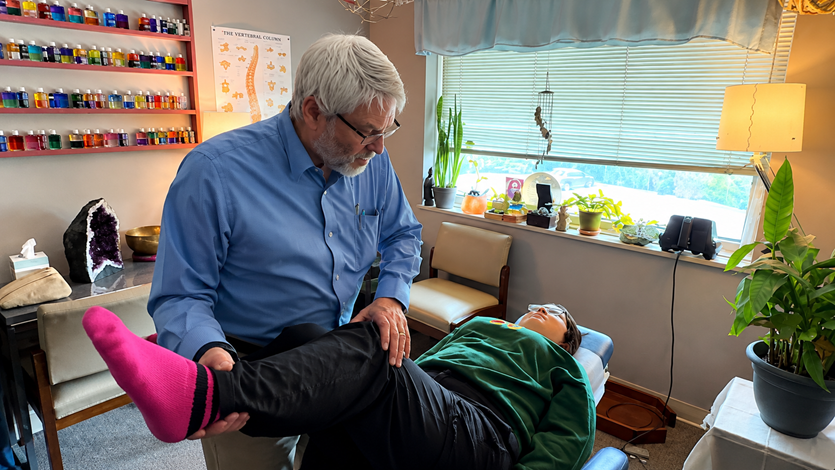

When it comes to enhancing joint flexibility and movement, incorporating chiropractic care into your routine can make a world of difference. Chiropractic adjustments help align your spine and joints, which can significantly improve your overall mobility and flexibility. By ensuring that your joints are properly aligned, you can reduce tension and allow for a greater range of motion.
In addition to regular chiropractic adjustments, there are several natural techniques you can adopt to further enhance your joint flexibility. Dynamic stretching, for example, is an excellent way to warm up your muscles and prepare your joints for movement. Engaging in activities like yoga or tai chi can also promote flexibility and balance while supporting your spine’s health.
Don’t forget the importance of staying hydrated! Proper hydration helps keep your joints lubricated, which is essential for maintaining optimal function and reducing discomfort. Simple hydration tips include drinking water throughout the day and incorporating hydrating foods like fruits and vegetables into your diet.
Moreover, paying attention to your posture can greatly impact your joint health. Be mindful of your posture while sitting, standing, or performing daily activities. Good posture not only supports your spine but also helps prevent strain and injury to your joints.
So, whether you’re visiting your chiropractor regularly or incorporating these natural techniques into your daily life, remember that small changes can lead to significant improvements in your mobility and overall well-being. Embrace these strategies to achieve optimal health and enjoy a more active, pain-free lifestyle!
Key Takeaways
As a local chiropractor, I’m here to share some effective techniques that can enhance your joint flexibility and overall movement, which are crucial for maintaining a healthy and active lifestyle. Here are some simple, natural methods you can incorporate into your daily routine:
- Dynamic Stretching: Before engaging in any physical activity, try incorporating dynamic stretching techniques like arm circles and leg swings. These movements help warm up your muscles and prepare your joints, making them more flexible and ready for action.
- Gentle Daily Stretches: Consider performing gentle stretches that target all major joints every day. This can help maintain and improve flexibility. Remember, staying properly hydrated is essential as it aids in lubricating your joints, keeping them functioning smoothly.
- Strength Training: Engaging in strength training exercises a few times a week can be incredibly beneficial. Building muscle around your joints provides stability, which not only reduces pain but also enhances your movement efficiency. This is a natural way to support your body without resorting to medications or surgeries.
- Foam Rolling: After your workouts, using a foam roller can be a great way to alleviate soreness and enhance flexibility. It promotes better circulation and helps your body recover more quickly, allowing you to stay active and pain-free.
- Chiropractic Adjustments: Regular visits to a chiropractor can significantly improve your joint mobility and alignment. Chiropractic care focuses on enhancing your body’s natural ability to heal itself, which in turn supports better movement quality and overall wellness. It’s a powerful tool for pain relief and maintaining an active lifestyle without the need for invasive procedures.
By incorporating these techniques into your routine, you can improve your joint flexibility and movement naturally. Remember, chiropractic care is always here to support you in achieving optimal health and wellness!
The Importance of Joint Flexibility
Joint flexibility is crucial for maintaining your overall physical health and enhancing your performance in daily activities. When your joints are flexible, you can move more freely, which significantly reduces the risk of injuries, especially during physical activities. This means you can easily bend down to tie your shoes or reach for items on a high shelf without discomfort.
Additionally, good joint flexibility is key to improving your athletic performance. It allows for a greater range of motion, enabling you to execute movements more efficiently and powerfully. By incorporating stretching and flexibility exercises into your routine, you can’t only enhance your performance but also experience quicker recovery times after workouts or more intense physical activities.
As a chiropractor, I emphasize the importance of regular flexibility routines as part of your health regimen. These routines not only promote joint health but also improve circulation and muscle coordination. By prioritizing joint flexibility, you’re investing in your body’s longevity and capability, empowering yourself to stay active and engaged in life.
Here are some simple tips to enhance your joint flexibility:
- Incorporate Stretching: Spend a few minutes each day doing gentle stretches targeting all major joints to improve flexibility gradually.
- Stay Hydrated: Adequate hydration is essential for joint health, as it helps maintain the lubrication in your joints.
- Warm Up Before Activities: Always warm up before physical activities to prepare your joints and muscles, reducing the risk of injury.
- Focus on Posture: Maintaining good posture helps align your spine and joints, promoting better flexibility and reducing strain.
- Chiropractic Care: Regular chiropractic adjustments can enhance your joint flexibility by ensuring proper alignment, reducing tension, and improving overall mobility.
By integrating these practices into your routine, you can support your joint flexibility and overall health naturally, without relying on medications or surgeries.
Understanding the Mechanics of Movement
To improve your joint flexibility, it’s crucial to understand the mechanics of how your body moves. By learning about joint structure and function, muscle activation patterns, and how your nervous system coordinates these movements, you can greatly enhance your performance and overall wellbeing.
Chiropractic care plays a vital role in this process. When your spine is aligned and your joints are functioning properly, your body can move more freely and efficiently. This alignment helps reduce strain on your muscles and joints, leading to improved flexibility and reduced discomfort.
Here are a few tips to help you enhance your flexibility naturally:
- Stay Active: Incorporate gentle exercises like stretching or yoga into your routine. These activities not only improve flexibility but also promote spinal health.
- Focus on Posture: Maintaining good posture throughout your daily activities can help prevent stiffness and improve your range of motion. Be mindful of your body alignment whether you’re sitting, standing, or moving.
- Hydrate: Keeping your body well-hydrated is essential for maintaining joint health. Water helps lubricate your joints and supports overall muscle function.
- Regular Chiropractic Visits: Regular check-ups with your chiropractor can ensure that your spine is aligned, which can enhance your body’s ability to move freely and efficiently.
- Listen to Your Body: Pay attention to how your body feels during movement. If something doesn’t feel right, consult your chiropractor to address any underlying issues before they lead to discomfort.
Joint Structure and Function
Understanding how your joints work is essential for maintaining a healthy and active lifestyle. Joints are the connection points between your bones, allowing you to move freely and perform everyday tasks. The way they’re structured directly impacts how well they function. Here are some important points to consider:
- Types of Joints: There are various types of joints in your body, such as hinge joints (like your knees), ball-and-socket joints (like your hips and shoulders), and pivot joints (like your neck). Each type allows for different movements, which is crucial for your mobility.
- Articular Cartilage: This smooth tissue covers the ends of your bones at the joints. It helps reduce friction and absorbs shock, which is essential for preventing joint pain and injury. Maintaining healthy cartilage can be supported through proper nutrition and hydration.
- Synovial Fluid: This natural lubricant is found within your joints and helps keep them moving smoothly. It nourishes the cartilage and reduces wear and tear. Staying active, even with gentle exercises, can help promote the production of synovial fluid.
- Ligaments: These strong bands of tissue connect bones to each other, providing stability during movement. Keeping your ligaments healthy is important for joint stability, and chiropractic adjustments can help ensure they function properly.
As a chiropractor, I encourage you to prioritize the health of your joints through regular chiropractic care. Adjustments can enhance your joint function, reduce pain, and improve your overall well-being.
Additionally, incorporating gentle stretches and strength-building exercises into your routine can further support your joint health.
Muscle Activation Patterns
When you move, your muscles work together in specific patterns that create efficient and coordinated actions. These muscle activation patterns play a crucial role in how effectively you can perform movements, from everyday tasks to more complex activities.
Take the squat, for example. During this movement, your quadriceps, hamstrings, and glutes need to engage harmoniously to maintain balance and stability. Understanding how these muscles interact can help you optimize your training and improve your flexibility and strength.
One effective way to enhance your movement efficiency is through chiropractic care. By ensuring your spine and joints are properly aligned, you can support the optimal function of your muscles. Chiropractic adjustments can help improve your muscle activation patterns, making it easier to activate the right muscles at the right time during your movements.
In addition to regular chiropractic visits, incorporating targeted exercises into your routine can promote healthier activation patterns. Dynamic stretches and resistance training can be especially beneficial. These practices not only help improve your joint mobility but also enhance your overall performance in daily activities and sports.
Here are a few simple tips to help you on your journey to better movement and health:
- Prioritize posture: Maintain good posture throughout the day to support your spine and muscle function.
- Stay active: Regular physical activity keeps your muscles engaged and promotes better activation patterns.
- Listen to your body: Pay attention to any discomfort or pain during movements and consult your chiropractor for guidance.
- Incorporate variety: Mix up your exercises to ensure all muscle groups are activated and balanced.
- Stay hydrated: Proper hydration supports muscle function and recovery.
Neuromuscular Coordination Factors
As you engage in physical activities, the seamless interaction between your nervous system and muscles is essential for executing movements effectively. This coordination, known as neuromuscular coordination, relies on your body’s ability to communicate efficiently.
At our chiropractic practice, we believe that enhancing this coordination is key to achieving optimal health and wellness. Here are some factors that can improve your neuromuscular coordination and overall well-being:
- Proprioception: This is your body’s awareness of its position in space. Improving proprioception can help refine your movements and reduce the risk of injury. Simple exercises like balancing on one leg or using a stability ball can significantly enhance this awareness.
- Motor Control: This refers to activating the right muscles at the right time to ensure smooth motion. Chiropractic adjustments can help align your spine and improve nerve function, which in turn supports better motor control.
- Feedback Loops: Your body constantly makes real-time adjustments based on sensory input. Engaging in activities that require focus and coordination—like yoga or tai chi—can enhance these feedback loops and improve your body’s responsiveness.
- Skill Practice: Just like any skill, practice is essential. Regularly practicing movements, whether it’s through exercise or daily activities, helps solidify the neural pathways in your brain, making movements more efficient.
Remember, regular chiropractic care can play a crucial role in supporting your neuromuscular coordination. By ensuring that your spine is aligned and your nervous system is functioning optimally, you’re setting yourself up for success in all your physical activities.
Prioritize your health and consider how chiropractic adjustments can help you move better and live healthier.
Dynamic Stretching for Enhanced Flexibility
Dynamic stretching is an effective method to enhance your flexibility and prepare your body for movement, especially when combined with chiropractic care. By incorporating specific dynamic stretching techniques into your routine, you can improve your range of motion, promote spinal health, and significantly reduce the risk of injury.
As a chiropractor, I often emphasize the importance of a well-functioning spine for overall health. Dynamic stretching not only warms up your muscles but also helps maintain the flexibility of the spine, which is crucial for optimal movement and function.
Here are some benefits of dynamic stretching and tips to incorporate it into your routine alongside chiropractic care:
- Increased Flexibility: Dynamic stretching helps to lengthen the muscles and improve flexibility, which can aid in spinal alignment and reduce discomfort.
- Improved Circulation: By moving your body through various ranges of motion, you increase blood flow to the muscles, which can enhance recovery and support overall wellness.
- Enhanced Performance: Incorporating dynamic stretches before physical activity can prepare your body for movement, helping you perform better and reducing the likelihood of strains or sprains.
- Injury Prevention: By regularly practicing dynamic stretches, you can enhance your body’s ability to withstand physical stress, which is vital for avoiding injuries, especially in the spine.
Tips for Dynamic Stretching:
- Start with gentle movements to warm up your body before progressing to more dynamic stretches.
- Focus on the major muscle groups, particularly those that support your spine, such as the hamstrings, quadriceps, and back muscles.
- Incorporate movements like leg swings, arm circles, and torso twists into your warm-up routine.
- Always listen to your body; if a stretch feels uncomfortable or painful, ease back and consult with your chiropractor for guidance.
Remember, chiropractic care is a natural and effective way to support your health and wellness journey. By combining chiropractic adjustments with dynamic stretching, you can achieve better spinal health, improved flexibility, and a pain-free lifestyle.
Always consult with your chiropractor to tailor a routine that works best for you!
Benefits of Dynamic Stretching
If you’re looking to improve your flexibility and overall wellness, incorporating dynamic stretching into your routine is a fantastic choice. This method not only warms up your muscles but also prepares your body for movement, which can enhance your performance and support your spinal health.
Here are some key benefits of dynamic stretching that you’ll find helpful:
- Increased Range of Motion: Dynamic stretching encourages greater mobility in your joints, which is vital for maintaining a healthy spine and preventing discomfort.
- Improved Blood Flow: This type of stretching increases circulation, delivering much-needed oxygen to your muscles. Improved blood flow can also promote healing and reduce tension in your body.
- Enhanced Athletic Performance: By mimicking the movements you perform in sports and daily activities, dynamic stretching can improve your agility and speed, contributing to a more active lifestyle that supports your spinal health.
- Reduced Injury Risk: Preparing your body for activity through dynamic stretching can significantly lower the chance of strains or sprains, protecting your spine and overall well-being.
As a chiropractor, I encourage you to integrate dynamic stretching into your warm-up routine. It’s a simple yet effective way to enhance your physical health naturally.
Techniques for Effective Stretching
Incorporating effective stretching techniques into your routine can greatly enhance your flexibility and overall performance, especially when combined with the benefits of chiropractic care. Dynamic stretching is an excellent way to warm up your muscles, improve your range of motion, and prepare your body for physical activity.
Start with simple movements like arm circles and leg swings, gradually increasing your reach and speed as you feel comfortable. Walking lunges are great for engaging your hip flexors and quads, while high knees can help activate your calves and core.
As a chiropractor, I emphasize the importance of controlled movements when stretching. Avoid any bouncing, as this can lead to injury and strain on your spine. Aim for 10-15 repetitions of each exercise while maintaining proper form.
Consistent practice of dynamic stretching before your workouts can lead to improved flexibility, better movement patterns, and a reduced risk of injury. This makes your exercise routine not only more effective but also more enjoyable.
Remember, chiropractic care plays a vital role in achieving optimal health and wellness. It can help address any underlying issues that may affect your flexibility and movement.
The Benefits of Yoga for Joint Health
While many people think of yoga primarily as a way to relax and reduce stress, its benefits for joint health are also substantial. As a chiropractor, I understand how essential joint health is for overall well-being, and practicing yoga can complement chiropractic care beautifully. Regular yoga practice can enhance your flexibility, strength, and overall joint function, supporting your journey to optimal health.
Here’s how yoga can be a valuable addition to your routine:
- Increased Range of Motion: Yoga poses encourage movement in various directions, which helps to improve flexibility in your joints. This increased range of motion can be especially beneficial for those recovering from injuries or dealing with stiffness.
- Strengthening Surrounding Muscles: Engaging different muscle groups during yoga stabilizes your joints and can help prevent injuries. Stronger muscles around your joints mean better support and less strain.
- Improved Posture: Practicing yoga can promote better alignment of your body. This improved posture alleviates pressure on your joints, leading to healthier movement patterns and reduced discomfort.
- Enhanced Circulation: Yoga increases blood flow to your joints, which can aid in recovery and help reduce stiffness. Improved circulation is vital for delivering nutrients and oxygen necessary for joint health.
Incorporating yoga into your daily routine can make a noticeable difference in how your joints feel and function. It allows you to move more freely and with less discomfort.
Remember, while yoga is beneficial, it’s also essential to pair it with regular chiropractic care for comprehensive support. Together, they can help you achieve and maintain optimal health naturally.
For those new to yoga, consider starting with gentle classes or online tutorials that focus on joint-friendly poses. Listen to your body, and don’t hesitate to reach out to your chiropractor for personalized advice on how to integrate yoga safely into your wellness journey. Your joints will thank you!
Foam Rolling: A Key to Muscle Recovery
Foam rolling can be a transformative addition to your muscle recovery routine and overall wellness. It assists in reducing soreness and enhancing flexibility, which can play a vital role in your journey toward optimal health.
As a chiropractor, I believe that natural methods like foam rolling, combined with chiropractic care, can help you achieve the pain relief and recovery you seek without the need for invasive procedures or medications.
Let’s delve into the benefits of foam rolling and how you can incorporate it effectively into your routine:
- Enhances Blood Flow: Foam rolling stimulates circulation, which helps deliver essential nutrients to your muscles and promotes quicker recovery after workouts.
- Reduces Muscle Tension: By applying pressure to specific areas, foam rolling can help release knots and tension in your muscles. This can complement the adjustments you receive in chiropractic care, enhancing your overall muscle relaxation.
- Improves Flexibility and Range of Motion: Regular foam rolling can lead to improved flexibility. This can help you perform better in your daily activities and workouts, reducing the risk of injury.
- Supports Spinal Health: While foam rolling primarily targets muscles, it also helps maintain a healthy spine by promoting better posture and alignment when used in conjunction with chiropractic adjustments.
Tips for Effective Foam Rolling:
- Start Slow: Begin by rolling slowly over the targeted muscle groups. Spend extra time on tight areas but avoid rolling directly over bones or joints.
- Stay Hydrated: Drink plenty of water before and after foam rolling to help flush out toxins released from your muscles.
- Listen to Your Body: If you encounter painful spots, breathe through it and take your time. Never push through intense pain, as it might indicate an injury.
- Incorporate it Into Your Routine: Use foam rolling as part of your warm-up before exercise or as a cool-down afterward. It can also be beneficial on rest days for recovery.
Remember, while foam rolling is a fantastic tool, it works best when combined with regular chiropractic care. A chiropractor can provide personalized adjustments to ensure your spine and nervous system function optimally, which supports your entire body’s healing process.
Benefits of Foam Rolling
If you’re aiming to enhance your muscle recovery routine, incorporating foam rolling can be a wonderful addition to your care regimen. This straightforward technique provides several benefits that can help you recover faster and feel better after your workouts.
By integrating foam rolling into your routine alongside regular chiropractic care, you may experience:
- Improved blood circulation, which is essential for delivering vital nutrients to your muscles and supporting overall health.
- Reduced muscle soreness and stiffness, helping you feel more comfortable after intense physical activities.
- Increased flexibility and range of motion, allowing for smoother, more efficient movements that can benefit your daily life.
- Enhanced muscle recovery, so you can return to your training with less downtime.
Foam rolling effectively targets knots and tightness in your muscles, promoting relaxation and overall wellness.
However, it’s important to remember that while foam rolling is beneficial, regular chiropractic adjustments can help address underlying issues related to spinal alignment and muscle tension, leading to even greater improvements in your recovery and performance.
Techniques for Effective Rolling
Many individuals discover that mastering effective foam rolling techniques can significantly improve their recovery and overall well-being. As a chiropractor, I believe that incorporating foam rolling into your routine can complement your chiropractic care, promoting natural healing and optimal health. Here are some key techniques to get the most out of your foam rolling sessions:
| Technique | Duration | Area Targeted |
|---|---|---|
| Slow Rolling | 1-2 minutes | Quads and Hamstrings |
| Cross Friction | 30 seconds | IT Band |
| Deep Pressure | 1 minute | Lower Back |
Tips for Effective Foam Rolling:
- Take Your Time: When using the foam roller, move slowly over each area. This allows your muscles to relax and helps to release tension more effectively.
- Listen to Your Body: Pay attention to how your body responds. If you feel discomfort, adjust the pressure or the area you’re focusing on. You should feel a release of tension, not pain.
- Breathe Deeply: Incorporate deep breathing techniques while rolling. This can help relax your muscles and improve blood circulation, enhancing the benefits of foam rolling.
- Integrate with Chiropractic Care: Regular foam rolling can enhance the adjustments you receive from your chiropractor, promoting faster recovery and maintaining alignment.
- Stay Consistent: Make foam rolling a regular part of your wellness routine. Consistency is key to reaping the full benefits and preventing muscle tightness.
Strength Training to Support Joint Stability
Strength training is vital for supporting joint stability and overall health, especially when combined with chiropractic care. As a chiropractor, I emphasize the importance of strengthening the muscles around your joints to enhance their function and reduce the risk of injuries. Here are some key benefits of incorporating strength training into your routine, along with how chiropractic care can support your journey:
- Increased Muscle Support: Building strong muscles around your joints offers them better stability during movement. When your muscles are strong, they help absorb shock and distribute forces, reducing strain on your joints. Chiropractic adjustments can further enhance this support by ensuring your spine and joints are properly aligned.
- Enhanced Balance: Strength training improves balance, which is crucial for preventing falls and related injuries. A chiropractor can help assess your balance and provide exercises tailored to your needs, ensuring you maintain stability as you strengthen your body.
- Improved Range of Motion: Strengthening the muscles around your joints can lead to better flexibility and a greater range of motion. This is essential for overall joint health. Regular chiropractic adjustments can help maintain alignment and mobility, allowing you to perform strength exercises more effectively.
- Reduced Joint Pain: Strengthening the muscles surrounding your joints helps alleviate pressure on them, leading to less discomfort over time. Chiropractic care focuses on natural healing and can assist in relieving pain by addressing underlying issues related to joint and spinal alignment.
General Tips for Strength Training and Joint Health:
- Start Slow: If you’re new to strength training, begin with lighter weights or bodyweight exercises to avoid injury.
- Stay Consistent: Aim for regular workouts, incorporating strength training at least two to three times a week.
- Focus on Form: Proper technique is crucial for preventing injuries. Consider working with a knowledgeable trainer or chiropractor to ensure you’re doing exercises correctly.
- Listen to Your Body: If you feel pain (not to be confused with muscle soreness), stop the exercise and consult with a chiropractor to address any issues.
- Combine with Chiropractic Care: Regular chiropractic visits can enhance your strength training routine by improving alignment, mobility, and overall body function.
Incorporating Mobility Work Into Your Routine
While building strength around your joints is important, incorporating mobility work into your routine can greatly enhance your overall joint function and flexibility. As a chiropractor, I encourage you to dedicate a few minutes each day to dynamic stretches and mobility drills. Simple exercises like hip circles and shoulder dislocates can help increase your range of motion and prepare your joints for movement, ultimately supporting your spinal health.
Consider integrating mobility work into your warm-up before workouts or as part of your cool-down. This practice not only boosts your flexibility but also reduces the risk of injury, allowing you to maintain a healthier, more active lifestyle. You might also explore activities like yoga or Pilates, which emphasize fluid movement and controlled stretching, further promoting spinal wellness.
Always listen to your body and pay special attention to areas that feel tight or restricted. Consistency is key; aim for at least three sessions per week. By prioritizing mobility work and making it a part of your routine, you’ll likely notice improved performance in strength training and daily activities, allowing you to move with greater ease and confidence.
Remember, chiropractic care plays a crucial role in your wellness journey. Regular adjustments can enhance your mobility and keep your spine aligned, making it easier for you to engage in these beneficial exercises.
Embrace a holistic approach to your health, and let chiropractic care support you in achieving optimal well-being.
The Role of Hydration in Joint Function
Hydration is crucial for not just your overall health but also for maintaining your joint function. When you keep your body well-hydrated, it helps your joints by providing better lubrication. This means less friction and discomfort when you move, making daily activities much easier.
Plus, staying hydrated aids in transporting vital nutrients to your joints and flushing out waste, which is key for keeping them functioning at their best.
Here are some important points to consider about hydration and joint health:
- Synovial Fluid Production: Drinking enough water supports the production of synovial fluid, which acts as a cushion for your joints, protecting them from wear and tear.
- Reduced Inflammation: Keeping your fluid intake up can help reduce inflammation, which means you might experience less pain and stiffness in your joints.
- Improved Mobility: Well-hydrated joints are more flexible and can move more freely, enhancing your overall mobility.
- Enhanced Recovery: Staying properly hydrated can help speed up your recovery after physical activities, ensuring your joints stay in top shape.
As a chiropractor, I often see the benefits of proper hydration in my patients. When you make hydration a priority, you may notice a significant improvement in your joint function and flexibility.
Remember to drink water throughout the day, especially before and after exercise. Keeping a water bottle handy can be a simple yet effective way to remind yourself to stay hydrated.
By taking care of your hydration needs, you’re already on your way to better joint health. And combining this with regular chiropractic adjustments can further enhance your overall wellness and pain relief.
Let’s work together to achieve your health goals naturally!
Mindfulness and Its Impact on Movement
Mindfulness can significantly improve your movement quality and overall well-being, especially when combined with chiropractic care. By fostering a deeper connection between your mind and body, mindfulness helps you become more aware of your body’s sensations and movements. This increased awareness allows you to pinpoint areas of tension and restriction, which is essential for maintaining a healthy spine and preventing discomfort.
When you practice mindfulness, such as through deep breathing exercises, you can reduce distractions and anxiety. This state of focus can lead to smoother and more fluid movements, which is vital for maintaining a healthy spine. Engaging in mindful activities like yoga or tai chi not only enhances your flexibility but also complements the benefits of chiropractic adjustments. These gentle practices help you explore your range of motion without straining your body, promoting natural healing.
Incorporating mindfulness into your daily routine can transform how you experience physical activity, making it more enjoyable and effective. By paying close attention to your body, you’ll develop a harmonious relationship between your mind and movement, leading to better flexibility and overall health.
To get started, here are some simple tips you can incorporate into your daily life:
- Practice Deep Breathing: Take a few moments each day to focus on your breath. This can help calm your mind and reduce tension in your body.
- Listen to Your Body: Pay attention to how your body feels during different activities. If you notice any discomfort, take a moment to adjust your posture or movement.
- Incorporate Gentle Movement: Activities like stretching, yoga, or tai chi can enhance your flexibility while being mindful of your body’s limits.
- Schedule Regular Chiropractic Visits: Regular adjustments can help keep your spine healthy, alleviate pain, and improve your overall movement quality.
Creating a Personalized Flexibility Program
Creating a personalized flexibility program can significantly enhance your physical health and mobility, especially when it’s tailored to your unique needs and goals. As a chiropractor, I believe that effective flexibility practices can complement your chiropractic care and contribute to overall wellness. Here’s how you can get started on your flexibility journey:
- Set clear objectives: Think about what you want to achieve with your flexibility program. Whether it’s increasing your range of motion or alleviating muscle tension, having clear goals will guide your efforts.
- Choose appropriate stretches: Incorporate dynamic stretches for your warm-ups to prepare your muscles and joints, and static stretches during your cool-down to promote relaxation and recovery. It’s important to listen to your body and focus on areas that may feel tight or restricted.
- Schedule regular sessions: Consistency is essential for improvement. Aim to incorporate flexibility exercises into your routine at least three times a week. This regular practice not only helps maintain flexibility but also supports the alignment of your spine, a key component of chiropractic care.
- Track your progress: Keeping a journal of your flexibility exercises can be incredibly beneficial. Note any improvements you notice, such as increased mobility or reduced discomfort. This will also help you communicate effectively with your chiropractor about your progress and any areas that may need additional focus during your visits.
By integrating these practices into your life, you can experience the benefits of enhanced flexibility alongside the advantages of regular chiropractic care.
Conclusion
Incorporating authentic techniques to enhance your joint flexibility and movement is essential for maintaining overall health and well-being. As a chiropractor, I emphasize that improving your mobility not only helps prevent injuries but also supports your spine and overall body function. Simple daily stretches, dynamic movements, and practices like yoga can significantly enhance your flexibility and range of motion.
Don’t overlook the importance of hydration—staying well-hydrated helps keep your joints lubricated, which is crucial for smooth movement. Foam rolling is another fantastic technique to aid recovery and reduce muscle tightness, allowing your body to function at its best.
Creating a personalized flexibility program combined with regular chiropractic adjustments can unlock your body’s full potential. Chiropractic care focuses on aligning your spine and optimizing your body’s mechanics, leading to increased mobility and a more active, pain-free lifestyle.
Remember, small changes can make a big difference. Start incorporating stretches into your daily routine, stay hydrated, and consider regular chiropractic visits to keep your body in top shape. By prioritizing these strategies, you’ll be taking proactive steps toward achieving optimal health and wellness.