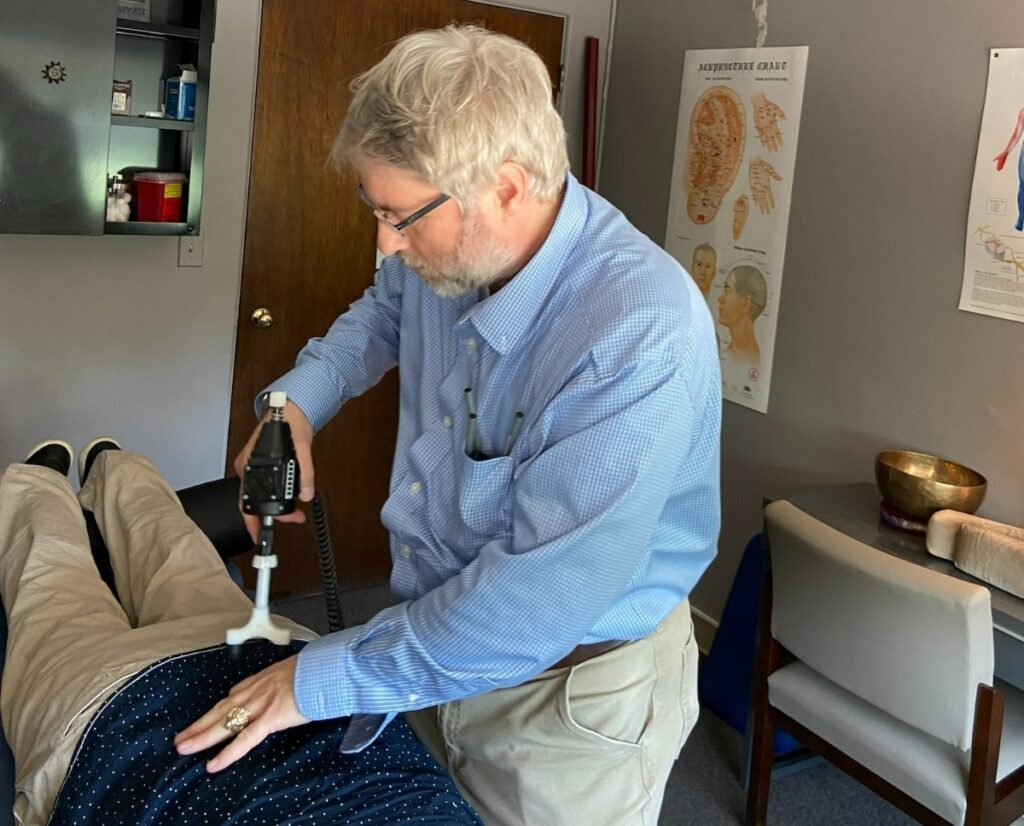

If you spend long hours at a desk, you may have noticed how it affects your posture. Poor alignment can lead to discomfort, and over time, it can result in more serious health issues. As a chiropractor, I understand the importance of maintaining proper posture for your spinal health. Fortunately, there are effective ways to improve your workspace and daily habits that can help you feel better and support your overall well-being.
First and foremost, consider setting up an ergonomic workspace. This means adjusting your chair, desk, and computer monitor to promote a neutral position for your spine. Your chair should support your lower back, and your feet should rest flat on the floor. Your computer screen should be at eye level to prevent strain on your neck. These adjustments can significantly reduce the stress on your spine and help you maintain better posture throughout the day.
In addition to an ergonomic setup, incorporating mindful practices into your daily routine can greatly enhance your posture. Take regular breaks to stand up, stretch, and move around. Simple exercises like neck rolls or shoulder shrugs can relieve tension and keep your muscles engaged. Remember, your body wasn’t designed to be sedentary for long periods, so giving yourself time to move can make a big difference.
Chiropractic care is also an excellent way to address posture-related issues. A chiropractor can help align your spine and provide personalized recommendations for exercises and stretches that fit your lifestyle. Regular adjustments can help maintain your spinal health and keep discomfort at bay.
In conclusion, improving your desk job posture is essential for your health. By creating an ergonomic workspace, practicing mindful movement, and seeking chiropractic care, you can enhance your posture and overall well-being. Remember, taking these steps not only helps you feel better now but also supports your long-term health. Your spine will thank you!
Key Takeaways
- To maintain optimal posture while working at your desk, set up your workspace ergonomically. Position your monitor at eye level and keep your keyboard close to your body. This simple adjustment can help you sit up straight and reduce strain on your neck and back.
- Invest in an ergonomic chair that provides lumbar support. This type of chair can help align your spine and enhance your comfort during long hours of sitting. Remember, a well-supported spine is crucial for overall health and can prevent discomfort.
- It’s essential to take regular breaks every hour. Stand up, stretch, and take a short walk. These breaks not only relieve tension but also improve circulation, which is vital for maintaining good posture and overall wellness.
- Incorporate posture-strengthening exercises into your routine. Activities like planks and bridges can build core stability, which is essential for supporting your spine. A strong core helps you maintain good posture throughout the day.
- Regular chiropractic care is a fantastic way to promote your overall well-being and improve your posture. A chiropractor can provide personalized adjustments that align your spine and help relieve discomfort. By prioritizing chiropractic care, you can achieve natural pain relief and a healthier lifestyle.
By following these tips, you can enhance your desk job experience and prioritize your spinal health. Remember, your well-being is in your hands, and small changes can lead to significant improvements!
Understanding the Importance of Good Posture
Good posture isn’t just about looking confident; it plays a vital role in your overall health and well-being. As a chiropractor, I can tell you that maintaining good posture helps align your spine, which reduces strain on your muscles and ligaments. This proper alignment can prevent the aches and pains that often come from sitting for long periods.
You mightn’t be aware, but slouching can also affect your breathing. When you have poor posture, it compresses your lungs, making it difficult to take deep breaths and reducing the flow of oxygen to your body. This can lead to feelings of fatigue and decreased focus during your workday.
Additionally, good posture can enhance your mood and energy levels. Standing or sitting tall boosts your confidence and makes you feel more engaged and ready to tackle your tasks. By prioritizing your posture, you’re not just improving how you look; you’re investing in your overall health and productivity.
Here are some simple tips to help you maintain good posture:
- Set up your workspace: Ensure your chair, desk, and computer are arranged to promote good posture. Your feet should be flat on the ground, knees at a right angle, and your screen at eye level.
- Take breaks: Stand up and stretch every 30 minutes to relieve tension and reset your posture.
- Be mindful: Pay attention to how you sit or stand throughout the day. Small adjustments can make a big difference.
- Strengthen your core: Engaging in exercises that strengthen your core muscles can provide better support for your spine.
- Consider chiropractic care: Regular chiropractic adjustments can help maintain spinal alignment, improve posture, and relieve any discomfort you may be experiencing.
Ergonomic Desk Setup Essentials
Creating an ergonomic desk setup is crucial for maintaining good posture and preventing discomfort during long hours of work, which can ultimately contribute to your overall health. By focusing on creating a supportive workspace, you can reduce the risk of spinal issues and enhance your well-being.
Here are some essential tips to consider for your desk setup:
- Monitor Height: Adjust your desk and monitor height so that your screen is at eye level. This simple adjustment helps to alleviate neck strain and encourages you to maintain a straight back, which is vital for spinal health.
- Keyboard and Mouse Placement: Position your keyboard and mouse close to your body to avoid excessive reaching. Your elbows should ideally be at a 90-degree angle. This not only supports your arms but also helps to prevent tension and discomfort in your shoulders and neck.
- Foot Positioning: Ensure your feet rest flat on the ground or on a footrest. This promotes better blood circulation and helps in maintaining proper posture. Good foot positioning is often overlooked but plays a significant role in overall spinal alignment.
- Desk Organization: Keep frequently used items within arm’s reach. This minimizes unnecessary stretching and twisting, which can put strain on your back and neck. A well-organized workspace contributes to a healthier posture and reduces the risk of injury.
Incorporating these ergonomic principles into your workspace can significantly impact your comfort and well-being.
As a chiropractor, I encourage you to take proactive steps towards achieving optimal health through proper posture and spinal care.
The Role of an Ergonomic Chair
An ergonomic chair is crucial for supporting your spine and maintaining good posture while you work. With features like lumbar support and adjustable settings, these chairs promote comfort and help you stay focused throughout the day. When you’re comfortable and your spine is properly aligned, you’ll likely experience less discomfort, which can significantly enhance your productivity.
However, it’s important to remember that no chair can replace the benefits of chiropractic care. Regular visits to a chiropractor can help ensure that your spine stays healthy and aligned, reducing the risk of pain and discomfort. Incorporating chiropractic care into your wellness routine is a natural way to achieve optimal health and support your body’s ability to heal itself.
Here are some general tips for maintaining a healthy spine while working:
- Take Breaks: Make sure to stand up and stretch every hour. This helps relieve tension in your muscles and gives your spine a chance to rest.
- Mind Your Posture: Sit back in your chair with your feet flat on the floor and your knees at a right angle. Your back should be supported, and your shoulders relaxed.
- Stay Active: Incorporate regular physical activity into your daily routine. Simple exercises like walking, stretching, or yoga can help keep your spine flexible and strong.
- Hydrate: Drinking plenty of water is essential for keeping your discs hydrated and your body functioning optimally.
By following these tips and incorporating chiropractic care into your health regimen, you can promote a healthier lifestyle, reduce pain, and enhance your overall well-being.
Importance of Lumbar Support
As a local chiropractor, I want to emphasize the vital role that lumbar support plays in maintaining good posture, especially during those long hours spent at a desk.
Many people overlook this aspect, but without proper lumbar support, slouching can become a habit, leading to discomfort and potential long-term health issues.
An ergonomic chair designed with lumbar support is essential for keeping your spine aligned. This alignment allows you to concentrate on your work without the nagging distraction of pain.
Here are some key benefits of proper lumbar support that I encourage you to consider:
- Promotes a Natural Curve: Lumbar support helps maintain the natural curve of your lower back, which is crucial for spinal health.
- Reduces Strain: By supporting your lower back, it diminishes the strain on your spinal discs, reducing the risk of discomfort and injury.
- Encourages Better Circulation: Good lumbar support can improve blood flow, leading to reduced fatigue and increased overall comfort during your work hours.
Incorporating a chair with proper lumbar support can significantly enhance your comfort and productivity.
However, remember that chiropractic care is also a powerful ally in achieving optimal spinal health. Regular chiropractic adjustments can help maintain proper alignment and alleviate any pain or discomfort you may experience.
Here are some additional tips for maintaining lumbar health while you work:
- Adjust Your Chair: Make sure your chair is set at the right height so that your feet are flat on the ground and your knees are at or below hip level.
- Take Frequent Breaks: Stand up, stretch, and walk around every 30 to 60 minutes to keep your spine mobile.
- Practice Good Posture: Sit up straight, and ensure your shoulders are relaxed and your back is supported by the chair.
By investing in lumbar support and embracing chiropractic care, you can take significant steps toward a healthier, pain-free life.
Adjustable Features Benefits
When you’re spending long hours at your desk, it’s essential to prioritize your spinal health. An ergonomic chair with adjustable features can significantly enhance your comfort and well-being. These chairs allow you to customize your seating position, ensuring that your back, neck, and arms are properly supported. By adjusting the seat height, backrest angle, and armrests to fit your unique body shape, you promote better posture and reduce strain on your spine.
Maintaining proper alignment is key to preventing discomfort and fatigue. For instance, lumbar support can help you keep your lower back in a healthy position, while seat depth adjustment allows you to find the perfect fit for your body. This not only contributes to a more comfortable work environment but also supports your overall health and wellness.
Remember, the goal is to stay engaged and focused during your work hours without compromising your well-being. In addition to investing in an adjustable ergonomic chair, consider taking regular breaks to stretch and move your body. Simple exercises, like shoulder rolls and neck stretches, can help relieve tension and keep your spine healthy.
Chiropractic care is an excellent way to enhance your wellness journey. It focuses on natural healing and optimal spinal alignment, which can help alleviate pain and promote overall health.
Impact on Productivity
Choosing an ergonomic chair is a fantastic way to enhance your comfort and boost your productivity while you work. As a chiropractor, I understand the importance of maintaining good posture and preventing discomfort, which can lead to distractions and decreased efficiency. An ergonomic chair supports your spine, helping you maintain proper alignment and reduce fatigue throughout the day.
Here are some ways an ergonomic chair can positively impact your work performance and overall health:
- Reduced Discomfort: When your body is properly supported, you experience less pain, which means fewer interruptions from discomfort. This allows you to focus on your tasks for longer periods without the need for frequent breaks.
- Increased Focus: A well-designed chair helps you stay engaged in your work without the constant need to shift positions. This stability allows you to concentrate on your projects, enhancing your overall output.
- Better Energy Levels: Good posture not only supports your spine but also promotes better blood circulation. When your blood flows more freely, you’ll feel more energized and ready to tackle your workload.
Incorporating an ergonomic chair into your workspace isn’t just about comfort; it’s a proactive step toward achieving optimal health. Alongside using an ergonomic chair, consider these additional tips for maintaining spinal health:
- Take Breaks: Stand up and stretch or walk around for a few minutes every hour. This can help alleviate tension and keep your body moving.
- Stay Hydrated: Drinking water throughout the day can help maintain your energy levels and keep your muscles functioning well.
- Adjust Your Workstation: Ensure your desk and computer screen are at eye level to minimize strain on your neck and back.
- Practice Good Posture: Sit all the way back in your chair with your feet flat on the ground and your knees at hip level. This promotes a healthy spine alignment.
Investing in an ergonomic chair and following these tips can help you achieve a healthier work environment.
Positioning Your Computer Screen for Optimal Viewing
How can you ensure your computer screen is positioned for optimal viewing while also taking care of your spine and overall health? Start by placing your screen at eye level to prevent straining your neck or tilting your head, which can lead to discomfort and pain. Your eyes should naturally align with the top third of the screen, creating a comfortable line of sight that supports your posture.
Keep the screen about an arm’s length away—typically 20 to 30 inches—so you can read easily without squinting. This distance helps reduce eye strain and promotes better focus, allowing you to work efficiently without causing unnecessary stress on your body.
Adjust the tilt of your screen to minimize glare from overhead lights or windows. This not only helps prevent eye fatigue but also encourages good posture, as you’ll be less likely to lean forward or twist your body to see the screen clearly.
Remember, if you wear glasses, it’s important to ensure your prescription is current to avoid additional strain.
If your screen needs to be elevated for optimal alignment, consider using a monitor stand or even a stack of books. These simple adjustments can significantly enhance your comfort and productivity, making your workspace more ergonomic.
As a chiropractor, I encourage you to prioritize your spinal health by being mindful of your workspace setup. Regular chiropractic care can further support your well-being, helping to relieve pain and promote natural healing.
Utilizing Keyboard and Mouse Ergonomics
To work comfortably and efficiently, it’s essential to pay attention to your keyboard and mouse placement, as this can significantly impact your spinal health and overall well-being. Proper alignment of your keyboard at the right height can help prevent strain on your wrists, which in turn supports your spine.
Similarly, positioning your mouse correctly enhances your accuracy and helps reduce tension in your shoulders, promoting a more balanced posture.
As a chiropractor, I encourage you to take a moment to assess your workspace. Here are some simple tips to optimize your keyboard and mouse setup for better health:
- Keyboard Height: Your keyboard should be at elbow height when seated. This keeps your wrists in a neutral position, minimizing the risk of discomfort.
- Mouse Position: Keep your mouse close to the keyboard to avoid reaching, which can strain your shoulder and neck. Ideally, your mouse should be on the same level and within easy reach.
- Posture Check: Sit up straight with your back supported and your feet flat on the floor. This alignment helps maintain the natural curve of your spine and reduces the risk of pain.
- Frequent Breaks: Take regular breaks to stretch and move around. This practice can relieve tension and promote better circulation, which is vital for spinal health.
- Chiropractic Care: Regular chiropractic adjustments can enhance your body’s natural ability to heal and maintain optimal health. Consider scheduling visits to ensure that your spine is aligned and functioning at its best.
Making these adjustments in your workspace can create a healthier environment that supports your body.
Optimal Keyboard Positioning
Achieving ideal keyboard positioning is essential for reducing strain and enhancing productivity during long hours at your desk. As a chiropractor, I understand how important proper alignment is for your overall health and wellness.
When your body is well-aligned, you can minimize discomfort and promote natural healing. Here are three key tips to optimize your keyboard setup for a healthier workspace:
- Height: Ensure your keyboard is at elbow height, allowing your arms to rest comfortably at your sides. This positioning helps maintain the natural curvature of your spine, reducing the risk of back pain and promoting better posture.
- Angle: Tilt the keyboard slightly away from you. This position helps keep your wrists in a neutral alignment, which can prevent strain and discomfort. A well-aligned wrist can contribute to overall spinal health, as the body functions best when all parts are in harmony.
- Distance: Place the keyboard close enough so that you don’t have to reach. This ensures your shoulders remain relaxed and your upper body stays aligned. Keeping your workspace organized and within reach can help support your spine and improve your overall comfort.
Remember, maintaining a healthy posture while working is crucial for preventing pain and promoting wellness.
If you find yourself experiencing discomfort, chiropractic care can be an excellent natural option for relief and support. By focusing on your spinal health, you can enhance your productivity and overall well-being.
Mouse Placement Strategies
Creating a comfortable workspace is essential for your overall health, and proper mouse placement is a key factor in achieving this. As a chiropractor, I want to share some insights on how to position your mouse to support your spine and promote better posture.
Firstly, keep your mouse close to your keyboard. This reduces the need to reach and helps prevent strain on your shoulders and wrists. Aim for your elbow to remain at a 90-degree angle while keeping your wrist in a relaxed, neutral position. If you find yourself experiencing discomfort, consider using a mouse pad with wrist support to enhance your comfort.
When using your mouse, try to engage your whole arm for movement instead of just your wrist. This can significantly reduce strain and promote better alignment of your spine. If you’re working on a laptop, using an external mouse can help you maintain a more ergonomic posture, further supporting your spinal health.
Remember, even small adjustments to your workspace can lead to significant improvements in your comfort and productivity. By prioritizing ergonomic practices, you not only enhance your daily work experience but also contribute to your overall wellness.
If you ever find yourself struggling with pain or discomfort, don’t hesitate to seek chiropractic care for a natural approach to relief and a path toward optimal health.
Stretching and Movement Breaks
While it may be tempting to stay glued to your desk, incorporating stretching and movement breaks into your daily routine is essential for maintaining good posture and overall well-being.
As a chiropractor, I can tell you that taking short breaks every hour can help relieve tension and improve circulation—both crucial for those long hours spent at your desk.
Here are three simple ways to integrate movement into your day that can also support your spinal health:
- Stand Up and Stretch: Take a moment to stand up and stretch your arms overhead, reaching for the ceiling. This simple action helps lengthen your spine and can alleviate some of the tension that builds up after sitting for prolonged periods.
- Take a Quick Walk: Walk around your office or home for a few minutes. This not only gets your blood flowing but also encourages better posture and spinal alignment as you move.
- Seated Torso Twists: While sitting, gently twist your torso to the left and right. This movement can relieve lower back pressure and increase flexibility, which is important for maintaining a healthy spine.
These quick breaks not only enhance your posture but also boost your productivity and focus.
Remember, prioritizing your spinal health is a vital part of achieving optimal wellness.
So don’t hesitate to step away from your screen—your body will thank you for it!
If you’re experiencing discomfort or pain, consider seeking chiropractic care. It’s a natural and effective way to address these issues and promote overall health.
Implementing a Standing Desk Solution
Switching to a standing desk can significantly enhance your energy levels and improve your posture, both of which are essential for maintaining a healthy spine.
As a chiropractor, I encourage you to properly adjust the height of your desk to ensure that your body is aligned correctly while you work. This will help prevent unnecessary strain on your back and neck.
In addition to standing, it’s vital to incorporate movement breaks throughout your day. Taking a few minutes to stretch or walk around can relieve tension and promote better circulation, which is crucial for overall spinal health.
Remember, a well-aligned spine is key to feeling good and functioning at your best.
Creating a healthier work environment doesn’t just happen with a standing desk; it also involves being mindful of your body.
Consider scheduling regular chiropractic check-ups to maintain optimal spinal alignment and to address any discomfort before it becomes a chronic issue.
Benefits of Standing Desks
As a local chiropractor, I want to share how standing desks can be a beneficial choice for your overall health and wellness, especially when it comes to relieving pain and promoting better spinal health.
By incorporating a standing desk into your routine, you can enjoy several advantages that improve your daily life:
- Enhanced Posture: Standing naturally encourages better alignment of your spine. This can significantly reduce the risk of developing neck and back pain, which is often caused by slumping in a chair for prolonged periods. Maintaining good posture is essential for a healthy spine and overall well-being.
- Boosted Energy Levels: When you stand, you’re likely to feel more alert and energized. This increase in energy not only helps you stay focused but also promotes productivity throughout your workday. Feeling good physically translates to improved mental clarity.
- Increased Caloric Burn: Standing burns more calories than sitting, which can assist in managing your weight. While this isn’t a substitute for regular exercise, it’s a great way to incorporate more activity into your day-to-day routine, supporting your journey toward a healthier lifestyle.
By embracing the use of a standing desk, you can make strides toward alleviating common discomforts associated with desk jobs.
However, it’s important to remember that simply standing isn’t a cure-all. Regular chiropractic adjustments can enhance the benefits of standing by ensuring your spine stays aligned and functions optimally.
Here are some general tips to keep in mind while using a standing desk:
- Alternate Between Sitting and Standing: It’s crucial to find a balance. Aim to alternate between sitting and standing to prevent fatigue.
- Footwear Matters: Wear supportive shoes to promote comfort and reduce strain on your lower back and legs.
- Monitor Height: Ensure your computer monitor is at eye level to avoid straining your neck. Your elbows should be at a 90-degree angle when typing.
- Take Breaks: Remember to move around regularly. Stretching and walking can help maintain circulation and reduce stiffness.
By incorporating these practices and considering regular chiropractic care, you can create a healthier workspace that supports your spinal health and overall wellness.
Embrace this change and watch as it transforms not just your work environment, but your life!
Adjusting Desk Height Properly
To make the most of your standing desk and support your overall health, adjusting its height properly is crucial. Start by standing tall with your elbows close to your body, bent at about a 90-degree angle. This position helps maintain a healthy posture and reduces strain on your spine. Your wrists should be in a neutral position, allowing your hands to hover comfortably above the keyboard without stress. Aim for the desk height to be at or slightly below your elbow level; this keeps your shoulders relaxed and helps prevent discomfort.
Additionally, ensure your computer screen is at eye level. This way, you won’t have to tilt your head up or down, which can lead to neck and back pain over time. Don’t hesitate to make small adjustments until you find the height that feels most comfortable for you. A well-adjusted desk not only enhances your posture but also contributes to your overall well-being throughout the workday.
Remember, chiropractic care can be a wonderful complement to your efforts in creating a healthier workspace. Regular chiropractic adjustments can help relieve tension, improve spinal alignment, and promote natural healing, enhancing your comfort as you work.
Prioritizing your posture at your standing desk can significantly impact your health, so take the time to set it up correctly and consider incorporating chiropractic care into your routine for optimal wellness.
Incorporating Movement Breaks
While a standing desk can certainly improve your posture, it’s crucial to incorporate movement breaks throughout your day to maintain optimal spinal health.
Standing still for extended periods may lead to fatigue and discomfort, which can strain your back and overall well-being. To truly reap the benefits of your standing desk, consider these simple yet effective movement strategies:
- Take a brisk walk around your office every hour: This not only gets your blood flowing but can also help relieve any tension building in your spine.
- Do a few stretches or simple exercises at your desk: Gentle stretches can help alleviate tightness and promote flexibility, ensuring that your spine remains healthy and mobile.
- Set a timer as a reminder to shift your weight or change positions: Regularly altering your posture can prevent stiffness and support your spinal alignment.
Remember, incorporating these movement breaks not only enhances your experience with a standing desk but also aligns with the principles of chiropractic care.
By staying active and mindful of your posture, you can foster a healthier, pain-free lifestyle. If you ever experience discomfort, consider consulting with a chiropractor who can provide personalized care and guidance tailored to your needs.
Embracing these habits can lead you toward natural wellness and optimal health.
Exercises to Strengthen Posture
Strengthening your posture is essential for maintaining a healthy spine and overall well-being, and it doesn’t have to feel like a burden. By incorporating specific exercises into your daily routine, you can significantly improve your posture, reduce discomfort, and promote natural healing.
As a chiropractor, I recommend focusing on exercises that engage your core, back, and shoulders—these are crucial for supporting your spine.
Start with planks, which are excellent for engaging your entire core. Begin with holding the position for 30 seconds and gradually increase your time as you build strength.
Another beneficial exercise is wall angels. Stand against a wall and slide your arms up and down while keeping your back flat against the wall. This simple movement opens up your chest and enhances shoulder mobility, both of which are vital for proper posture.
Bridges are another fantastic exercise. Lie on your back, bend your knees, and lift your hips toward the ceiling. This not only strengthens your glutes but also supports your lower back, helping create a stable foundation for your spine.
Lastly, seated rows with resistance bands are effective for building upper back strength, which can help counteract the forward hunch many experience from prolonged sitting.
Incorporating these exercises into your daily routine can lead to noticeable improvements in your posture and comfort, especially during long hours at your desk. Just a few minutes each day can make a remarkable difference.
Remember, chiropractic care is an excellent way to complement these exercises. Regular adjustments can help realign your spine, relieve tension, and support your body’s natural ability to heal.
Embrace these practices for a healthier, more aligned life!
Mindfulness and Posture Awareness
How often do you find yourself slouching at your desk, completely unaware of your posture?
It’s easy to lose track when you’re focused on work, but maintaining good posture is essential for spinal health.
As a chiropractor, I can tell you that practicing mindfulness can significantly improve your awareness of your body position, leading to healthier posture habits and overall well-being.
Here are a few strategies to incorporate mindfulness into your daily routine that can help support your spine:
- Set reminders: Use your phone or computer to remind you to check your posture every hour. This simple act can help reinforce good habits and keep your spine aligned.
- Take a breath: Pause for a few moments to take deep breaths. This not only helps you refocus your mind but also encourages you to align your body properly. Deep breathing can relieve tension in your back and neck.
- Scan your body: Periodically check in with how you’re sitting. Are your shoulders relaxed? Is your back straight? A quick mental scan can help you adjust your position and alleviate unnecessary strain on your spine.
By cultivating mindfulness around your posture, you can alleviate discomfort and enhance your overall well-being at your desk.
Remember, chiropractic care is a natural and effective way to maintain optimal health, support your spine, and promote better posture.
If you’re experiencing pain or discomfort, don’t hesitate to consult a chiropractor for personalized advice and treatment options. Your spine will thank you!
Seeking Professional Help for Persistent Issues
If you’re experiencing ongoing discomfort despite your best efforts to maintain good posture, it’s time to consider chiropractic care as a solution. A chiropractor can thoroughly assess your posture and pinpoint any underlying issues that may be contributing to your pain. They specialize in spinal alignment and can offer personalized adjustments and exercises that promote better posture, relieve tension, and enhance your overall well-being.
In addition to chiropractic adjustments, you might want to look into ergonomic solutions for your workspace. A chiropractor can provide valuable advice on how to set up your workstation to support your spine and improve comfort. Simple changes like adjusting your chair height, monitor position, and keyboard placement can have a significant impact on how you feel throughout the day.
If your discomfort persists, don’t hesitate to reach out to a chiropractor. They can recommend additional strategies, such as specific stretches and lifestyle modifications, that can further aid in your recovery.
Conclusion
Incorporating these solutions can significantly enhance your desk job posture and overall well-being. As a chiropractor, I emphasize the importance of an ergonomic setup, regular breaks, and mindfulness practices in creating a healthier work environment. These steps not only help alleviate discomfort but also support your spine’s natural alignment.
It’s essential to remember that good posture is crucial for your long-term health. Poor posture can lead to chronic pain and other health issues, making it vital to address these concerns proactively. Consider incorporating some simple adjustments to your workspace, such as ensuring your chair supports your lower back and that your computer screen is at eye level.
Additionally, take short breaks every hour to stand, stretch, and move around. This simple practice can help reduce stiffness and improve circulation, ultimately enhancing your productivity throughout the day.
If you experience persistent discomfort, don’t hesitate to seek chiropractic care. Chiropractic is a natural, effective way to address pain and support your body’s healing processes. By making these adjustments and prioritizing your spinal health, you’re investing in a more productive and pain-free workday. Start today, and you’ll feel the difference!