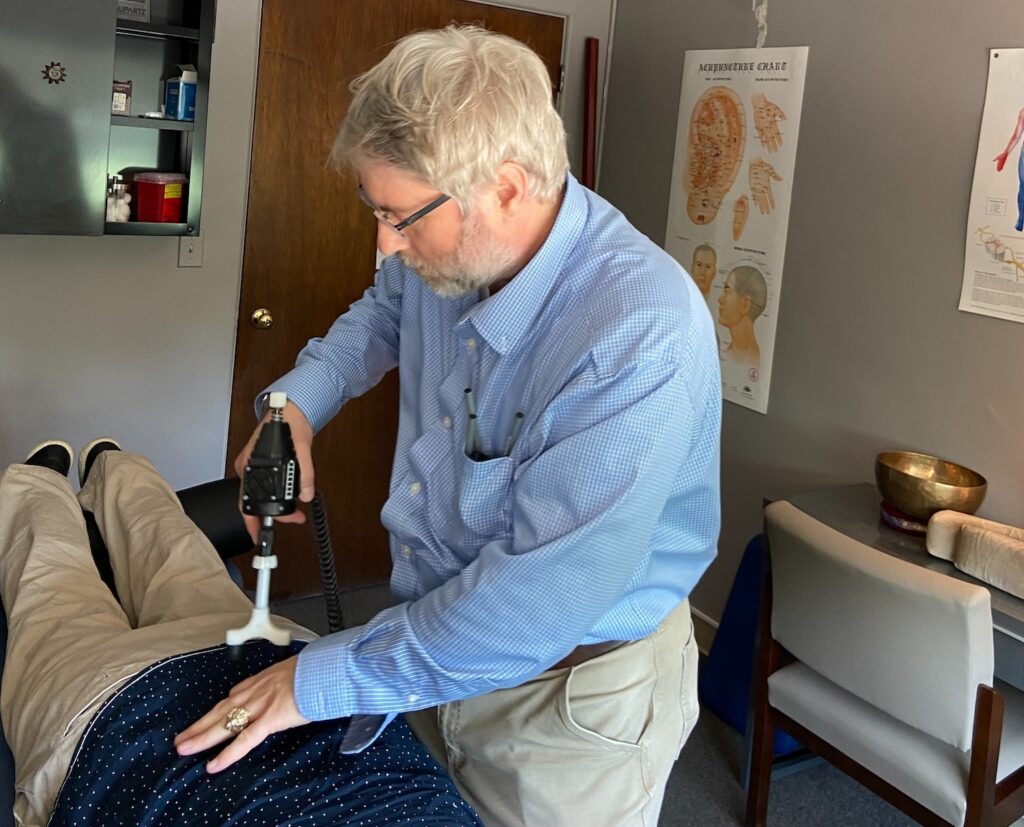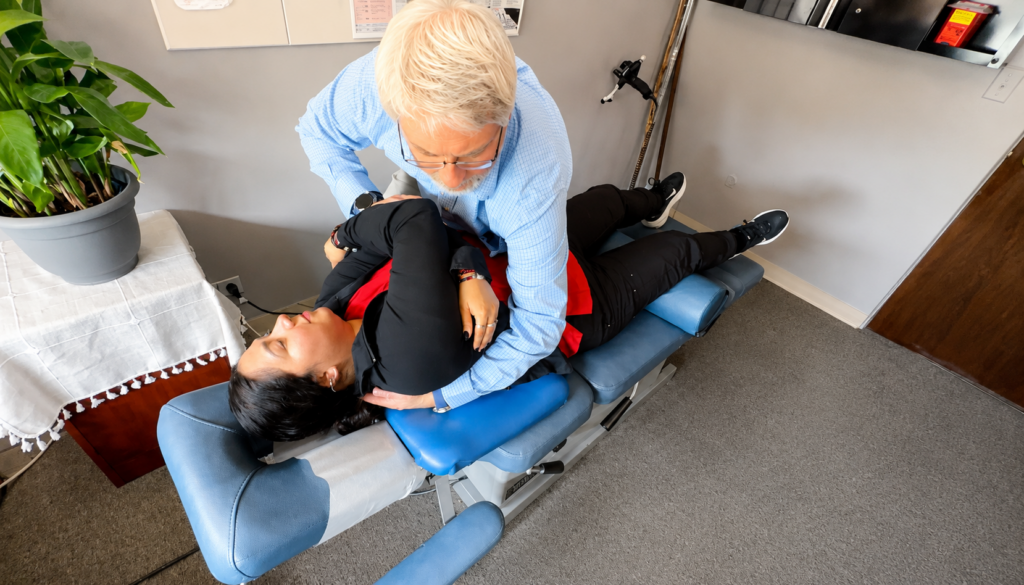

Are you aware of how your flexibility impacts your daily life? Many people underestimate the importance of having a good range of motion, which can influence everything from your workouts to your posture. As a chiropractor, I see firsthand how flexibility plays a crucial role in overall health and wellness. By taking our quiz, you can identify your flexibility strengths and weaknesses, providing valuable insight that can help guide you toward a personalized plan for improvement.
Improving your flexibility can enhance your spinal health, reduce pain, and prevent injuries, making it an essential aspect of a healthy lifestyle. Regular chiropractic care can also support your flexibility by addressing spinal misalignments and ensuring your body moves optimally.
Are you ready to uncover what your body needs? Let’s explore the benefits of improved flexibility and how chiropractic care can help you achieve it. Remember, a few simple tips can make a big difference: incorporate stretching into your daily routine, listen to your body, and consider regular chiropractic adjustments to maintain your range of motion. Together, we can work towards your optimal health and wellness!
Key Takeaways
- Start by assessing your current flexibility level with simple tests. This will help you identify specific areas that may need improvement, which can also enhance your overall health and well-being.
- Incorporate a variety of stretching techniques into your routine, including static, dynamic, and PNF stretching. These methods can improve flexibility while supporting spinal health and reducing tension in the muscles.
- Establish a consistent daily stretching schedule. Dedicating just 10-15 minutes each day can greatly enhance your flexibility and contribute to better body alignment, which is essential for overall wellness.
- Consider engaging in activities like yoga or Pilates. These practices not only promote flexibility but also focus on spinal health and core strength, making them a wonderful addition to your wellness routine.
- Regularly monitor your progress as you work on your flexibility. This will allow you to adjust your plan as needed and keep you motivated on your journey toward a healthier, more flexible body. Remember, chiropractic care can also play a vital role in supporting your flexibility goals by addressing any spinal misalignments and enhancing your body’s natural ability to heal.
Understanding Flexibility: What It Is and Why It Matters
Flexibility is more than just a physical attribute; it’s a cornerstone of overall health and well-being. When you think about flexibility, you might picture someone effortlessly touching their toes or performing a perfect split. However, flexibility is fundamentally about the range of motion in your joints and muscles. It influences how easily you can perform daily tasks, whether it’s bending down to pick something up or twisting your body to reach for an object.
Understanding flexibility is crucial, especially when it comes to injury prevention. Stiff muscles and joints can lead to strains and pulls during everyday activities. That’s where chiropractic care comes in. Regular chiropractic adjustments can help maintain and improve your flexibility, allowing you to move freely and comfortably. This not only enhances your physical abilities but also supports better posture and alignment, which is vital for your overall health.
By prioritizing flexibility and incorporating chiropractic care into your wellness routine, you’re making an investment in your body’s ability to function at its best.
Here are a few simple tips to enhance your flexibility at home:
- Gentle Stretching: Incorporate gentle stretching into your daily routine. Focus on major muscle groups like your back, legs, and arms. Hold each stretch for 15-30 seconds to allow your muscles to relax.
- Stay Active: Engage in regular physical activity. Activities like walking, swimming, or yoga can naturally improve your flexibility and overall strength.
- Mind Your Posture: Be mindful of your posture throughout the day. Good posture helps maintain proper alignment and can prevent stiffness.
- Consider Chiropractic Care: Regular visits to a chiropractor can help keep your spine aligned and your muscles relaxed, enhancing your flexibility and overall wellness.
The Benefits of Improved Flexibility
Enhanced flexibility is a key component of overall health and wellness that can significantly improve your quality of life. As a chiropractor, I often see how increased flexibility enhances your range of motion, making everyday activities easier and more enjoyable. Simple tasks like bending, reaching, or squatting can become less strenuous, which in turn reduces your risk of injury.
Improved flexibility is also closely linked to better posture. Good posture can alleviate discomfort and tension in your back and neck, which many people experience in our modern, sedentary lifestyles. Regular chiropractic adjustments can help support your spinal health and contribute to maintaining proper posture.
Moreover, enhancing your flexibility can boost athletic performance, allowing you to move more efficiently and with greater power. You may even notice a decrease in muscle soreness after physical activities, helping you recover more quickly. Incorporating flexibility exercises into your routine—such as gentle stretches or yoga—can also help reduce stress and promote relaxation, which is essential for your mental well-being.
As you work on your flexibility, consider scheduling regular chiropractic visits. These adjustments not only help your spine but also promote overall body alignment, which can improve your balance and coordination.
Additionally, here are a few tips you can integrate into your daily routine:
- Stretch Daily: Simple stretches can be done in the morning or evening to improve flexibility.
- Focus on Breathing: Deep, controlled breathing during stretches can enhance relaxation and effectiveness.
- Stay Hydrated: Proper hydration supports muscle function and recovery.
- Incorporate Movement: Try to incorporate more movement into your daily life—take short walks, stand up regularly, and avoid prolonged sitting.
Embracing flexibility through these practices, alongside chiropractic care, can truly enhance both your physical and mental performance, leading you to a healthier, more active lifestyle.
Assessing Your Current Flexibility Level
Before you can improve your flexibility, it’s essential to assess your current level. As a chiropractor, I often see how tight muscles and restricted movement can affect overall health and wellness.
By performing simple flexibility tests, you can get a clear picture of your range of motion and pinpoint areas that may need attention. This understanding is crucial as we work together on your journey to enhanced flexibility and pain relief.
Incorporating regular chiropractic care can significantly improve your flexibility, as it helps realign your spine and relieve tension in your muscles.
Here are some general tips and tricks to help you assess and enhance your flexibility:
- Simple Stretching Tests: Try reaching for your toes while seated or standing. Note how far you can reach without straining. This can help identify tightness in your hamstrings and lower back.
- Shoulder Flexibility: Stand tall and try to raise your arms overhead. If you feel tightness or discomfort, this may indicate that your shoulder muscles need some attention.
- Hip Flexor Stretch: Kneel on one knee and push your hips forward. If you feel tightness in the front of your hip, it’s an area to focus on during your flexibility routine.
- Regular Chiropractic Adjustments: Consistent visits to your chiropractor can help keep your spine aligned and muscles relaxed, paving the way for better mobility.
- Stay Active: Incorporate activities like yoga, swimming, or even walking into your daily routine. These can naturally improve your flexibility while also providing overall health benefits.
Assessing your flexibility is the first step toward a healthier you.
Importance of Flexibility Assessment
Although many people recognize the benefits of flexibility, assessing your current level is an essential step in creating an effective plan for improvement—especially when it comes to spinal health. Understanding where you stand in terms of flexibility can help you pinpoint specific areas that may need attention, ultimately supporting your overall wellness.
This knowledge allows you to set achievable goals and monitor your progress, ensuring you’re on the right path. Without a proper flexibility assessment, you might inadvertently focus on the wrong exercises or overexert yourself, which can lead to injuries or frustration.
A clear understanding of your flexibility level enables you to tailor your routine to suit your unique needs, maximizing the benefits of each stretch and movement. Remember, everyone’s flexibility is different, and knowing yours can lead to more effective workouts and better overall performance.
As a chiropractor, I encourage you to prioritize flexibility assessments as part of your wellness journey. Not only does it contribute to a healthier spine, but it can also enhance your quality of life.
Here are a few tips to help you along the way:
- Start Simple: Begin with basic stretches and movements. Take note of how your body feels and where you may be tight or restricted.
- Listen to Your Body: Pay attention to any discomfort or pain. If something doesn’t feel right, it’s important to modify or skip that movement.
- Incorporate Regular Stretching: Make stretching a part of your daily routine. Even a few minutes a day can lead to significant improvements over time.
- Stay Consistent: Like any aspect of wellness, consistency is key. Regular assessments can help you track your progress and adjust your routine accordingly.
- Consult a Chiropractor: For personalized guidance, consider visiting a chiropractor. We can help assess your flexibility, identify any spinal issues, and develop a plan that promotes natural healing and optimal health.
Common Flexibility Tests
To accurately assess your current flexibility level, it’s important to incorporate common flexibility tests into your wellness routine. One popular test is the sit-and-reach, where you sit on the floor with your legs stretched out and reach forward to measure your hamstring and lower back flexibility. This simple exercise not only helps you understand your flexibility but also encourages healthy spinal alignment, which is vital for overall body function.
Another useful test is the shoulder flexibility test. This involves reaching one hand over your shoulder and the other behind your back, aiming to touch your fingers. This test can highlight any restrictions in your shoulder mobility, which is crucial for maintaining proper posture and preventing pain.
You might also try the hip flexor stretch to evaluate hip flexibility. Tight hips can lead to discomfort in your lower back and affect your overall movement. By incorporating these tests into your routine, you can gain insights into different muscle groups and identify areas for improvement.
Regularly performing these tests not only tracks your progress but also allows you to adjust your flexibility routine to support your spinal health.
Understanding Your Results
Understanding your flexibility results is essential for enhancing your overall wellness and integrating chiropractic care into your fitness routine. By evaluating your current flexibility level, you can pinpoint areas that may benefit from chiropractic adjustments, ultimately promoting better movement and pain relief. Here are three key points to consider:
- Identify Weaknesses: Take note of specific areas where you experience tightness or discomfort, such as your hamstrings or hips. Addressing these weaknesses through targeted stretches and chiropractic care can help improve your flexibility and overall spinal health.
- Set Realistic Goals: Use your flexibility results to set achievable goals that will inspire you to stay committed. Remember, chiropractic care can support your efforts by enhancing your body’s natural ability to heal and adapt, making it easier to reach your goals without feeling overwhelmed.
- Track Progress: Regularly reassessing your flexibility allows you to observe improvements, reinforcing your commitment to a healthier lifestyle. By incorporating chiropractic adjustments into your routine, you can enhance your recovery and maintain progress more effectively.
Embracing chiropractic care as part of your wellness journey not only aids in alleviating discomfort but also empowers you to achieve optimal health.
Focus on maintaining a balanced approach to fitness and flexibility, and remember that regular check-ups with your chiropractor can offer valuable support along the way.
Common Flexibility Myths Debunked
Many people think that flexibility is just about how far you can stretch, but this common belief misses the bigger picture. Flexibility isn’t only about lengthening muscles; it also includes joint mobility and the ability to move freely without discomfort. As your local chiropractor, I want to emphasize that flexibility plays a crucial role in your overall health and wellness.
Another myth is that flexibility is only important for athletes. The truth is, everyone can benefit from improved flexibility. It enhances your daily movements and helps reduce the risk of injuries, whether you’re lifting groceries or playing with your kids.
Some people believe that simply stretching before exercise is enough to boost flexibility. However, consistency is vital. To see real progress, it’s essential to incorporate regular stretching routines into your daily life. A simple way to do this is to set aside a few minutes each day for stretching, focusing on different areas of your body.
Finally, many think flexibility is something that can’t improve as we age. This is a misconception! With dedication and the right approach—such as chiropractic care—you can enhance your flexibility at any age. Chiropractic adjustments can help improve your overall range of motion and support your body’s natural healing processes.
So, let’s debunk these myths together and embrace a deeper understanding of flexibility. Remember, it’s not just about stretching; it’s about a holistic approach to your health.
If you’re looking to improve your flexibility and overall wellness, consider incorporating chiropractic care into your routine. It’s a natural and effective way to achieve optimal health!
Types of Stretching Techniques
Improving your flexibility is an essential part of maintaining a healthy and active lifestyle, and it goes hand-in-hand with chiropractic care. Understanding different stretching techniques can help you achieve your flexibility goals while supporting your overall spinal health and wellness. Here are three key types of stretching techniques to consider incorporating into your routine:
1. Static Stretching: This involves holding a stretch for a period, usually between 15-60 seconds. Static stretching is a great way to cool down your muscles after a workout and can help improve your flexibility over time.
As a chiropractor, I recommend incorporating static stretches that focus on your back and spine, as this can help relieve tension and promote relaxation.
2. Dynamic Stretching: This technique includes moving your body parts through a full range of motion, making it ideal for warming up before engaging in physical activities. Dynamic stretching prepares your muscles for action and can help prevent injuries.
Consider incorporating dynamic stretches that promote spinal mobility, as they can enhance your overall performance and support a healthy spine.
3. PNF Stretching (Proprioceptive Neuromuscular Facilitation): Although this method can be advanced, it involves a combination of stretching and contracting your muscles to improve flexibility.
While PNF stretching is often done with a partner, you can also practice it solo by focusing on your own muscle contractions. This technique can help relieve tightness and improve your range of motion, which is beneficial for maintaining spinal health.
Incorporating these stretching techniques into your daily routine not only enhances your flexibility but also complements the benefits of chiropractic care.
Remember to listen to your body and stretch gently to avoid any discomfort. Prioritizing your flexibility through these techniques can lead to a healthier, pain-free lifestyle.
For optimal results, consider regular chiropractic adjustments to keep your spine aligned and support your overall wellness journey!
Creating a Flexibility Routine
Creating a flexibility routine is essential for improving your overall mobility and preventing injuries, especially when it comes to maintaining a healthy spine. As a chiropractor, I often see the benefits of stretching and flexibility exercises in my patients, helping them achieve optimal health and well-being.
By incorporating daily stretching practices, you’ll notice significant benefits in your performance, comfort, and overall spinal health.
Let’s explore how to effectively build this routine into your day.
1. Start with Gentle Stretches: Begin your day with gentle stretches targeting the neck, shoulders, and lower back. Simple movements like neck rolls, shoulder shrugs, and seated forward bends can help alleviate tension and promote spinal alignment.
2. Incorporate Dynamic Movements: Adding dynamic stretches that involve movement can enhance your flexibility. Try arm circles, leg swings, or torso twists to warm up your muscles and prepare your spine for daily activities.
3. Focus on Major Muscle Groups: Pay attention to major muscle groups that support your spine, such as your hamstrings, hip flexors, and core muscles. Stretching these areas can help relieve pressure on your back and improve your overall mobility.
4. Set a Routine: Aim to set aside time for stretching at least once a day. Whether it’s in the morning, during a break, or before bedtime, consistency is key to reaping the benefits of a flexibility routine.
5. Listen to Your Body: Pay attention to how your body feels during and after stretches. If you experience any pain, it’s important to stop and consult with your chiropractor.
We can help assess your posture and alignment, and provide tailored advice to ensure you’re moving safely.
6. Consider Chiropractic Care: Regular chiropractic adjustments can enhance your flexibility by ensuring your spine is properly aligned. This allows your muscles to work more efficiently and can significantly reduce tension and discomfort.
7. Stay Hydrated: Don’t forget to drink plenty of water! Staying hydrated helps keep your muscles supple and can improve the effectiveness of your stretching routine.
By incorporating these tips into your daily life, you’ll not only improve your flexibility but also support your spine’s health and overall well-being.
Importance of Stretching
While many people think of stretching as just a warm-up before exercise, it actually plays a crucial role in enhancing your flexibility and supporting your overall health.
As a chiropractor, I want to emphasize how important stretching isn’t only for preventing injuries but also for maintaining a healthy spine and body. By including stretching in your daily routine, you can experience a variety of benefits:
- Improved Range of Motion: Regular stretching can help lengthen your muscles, which leads to greater movement in your joints. This is especially important for spinal health, as it allows your spine to move freely and maintain its natural alignment.
- Reduced Muscle Tension: Stretching helps alleviate tightness and tension in your muscles. This relaxation can lead to less discomfort and a more comfortable daily life, especially if you spend long hours sitting or engaging in repetitive activities.
- Enhanced Blood Circulation: Stretching boosts blood flow to your muscles, delivering essential nutrients and oxygen. Improved circulation supports recovery and helps your body heal naturally, which is fundamental for overall well-being.
By prioritizing stretching, you can significantly enhance your physical performance, relieve pain, and make daily activities easier.
Daily Flexibility Practices
To cultivate a successful flexibility routine that supports your spinal health and overall well-being, it’s important to incorporate stretches that engage all major muscle groups throughout the week. A daily practice not only enhances your range of motion but also reduces tension, which can alleviate discomfort and promote natural healing. Begin each session with a gentle warm-up to prepare your body, then focus on different areas each day.
| Day | Target Area | Stretch Example |
|---|---|---|
| Monday | Lower Body | Hamstring Stretch |
| Tuesday | Upper Body | Shoulder Stretch |
| Wednesday | Core | Cobra Stretch |
| Thursday | Full Body | Downward Dog |
| Friday | Back | Cat-Cow Stretch |
Aim to dedicate at least 10-15 minutes each day to these stretches. Not only will this boost your flexibility, but you’ll also feel more energized and balanced. Remember, regular stretching can complement chiropractic care, enhancing your journey toward optimal health and pain relief.
Incorporating these practices into your daily routine can lead to significant benefits. Stretching helps improve circulation, supports your spine’s alignment, and aids in the recovery of muscle tension. Always listen to your body and avoid pushing yourself too far—gentle movements are key to effective stretching. If you experience any discomfort or pain, consider consulting your local chiropractor for personalized advice and support on your path to wellness.
Tips for Staying Consistent
Staying consistent with your flexibility routine can be challenging, especially when life gets busy. However, there are effective strategies you can employ to help you stay on track and support your overall wellness. Here are three tips to consider:
1. Schedule Your Sessions: Treat your flexibility practice like an essential appointment for your health. By blocking out specific times in your calendar, you ensure that you prioritize this important aspect of your wellness routine, much like you’d with chiropractic adjustments.
2. Set Realistic Goals: As you embark on your flexibility journey, it’s vital to break it down into achievable milestones. Rather than aiming for an advanced split right away, focus on making small weekly improvements.
This approach not only keeps you motivated but also supports your body’s natural healing process.
3. Mix It Up: To keep your routine engaging, incorporate a variety of stretches and activities. Exploring options like yoga, Pilates, or dynamic stretches can prevent boredom and help engage different muscle groups.
This variety can also complement your chiropractic care, enhancing your overall flexibility and mobility.
Monitoring Your Progress
Monitoring your progress is vital for staying motivated and ensuring you’re on the right path in your flexibility journey. Just like regular chiropractic check-ups keep your spine aligned and healthy, tracking your flexibility improvements can help you celebrate small victories and pinpoint areas that may need more attention. Here are some effective and simple methods to help you monitor your flexibility:
| Method | Frequency | Notes |
|---|---|---|
| Flexibility Tests | Weekly | Measure specific stretches to see improvements. Just like assessing your spinal health, these tests can reveal how your body is responding to flexibility exercises. |
| Journal | Daily | Record your routine and how you feel after each session. This reflection helps in recognizing patterns and progress, similar to how we keep track of patient care. |
| Visual Records | Monthly | Take photos to compare your results. Visuals can provide motivation and show how much your flexibility has improved over time, much like before-and-after assessments in chiropractic care. |
| Flexibility Apps | As needed | Use apps designed for tracking progress. These can help you stay organized and committed, just as we use technology to enhance patient care in chiropractic practice. |
Additional Resources for Flexibility Training
Expanding your flexibility training can significantly improve your overall health and wellness, particularly when it comes to spinal health. As a chiropractor, I believe that incorporating flexibility exercises into your routine can enhance your body’s natural ability to heal and function.
Here are some helpful resources and tips to deepen your flexibility practice:
- Online Classes: Utilize platforms like YouTube or various fitness apps to find flexibility-focused classes led by knowledgeable instructors. Choose sessions that match your current skill level and personal goals. These classes often emphasize safe stretching techniques that can support spinal alignment.
- Books and Guides: Explore books that focus on stretching and flexibility techniques, especially those that include clear illustrations and routines designed for different experience levels. Look for materials that also discuss how flexibility relates to spinal health and injury prevention, providing you with a well-rounded understanding of your body.
- Local Workshops: Keep an eye out for workshops at community centers or fitness studios that focus on flexibility training. Participating in these hands-on experiences can offer valuable feedback and personalized guidance to help you improve your flexibility and overall mobility.
General Tips:
- Always warm up before stretching to prepare your muscles and reduce the risk of injury.
- Focus on your breath while stretching; this can help you relax and deepen your stretches safely.
- Listen to your body; if something feels uncomfortable or painful, ease back and adjust your technique.
- Regularly incorporating flexibility exercises can contribute to better posture and less tension in your spine, which is essential for overall health.
By integrating these resources and tips into your routine, you can enhance your flexibility, support your spinal health, and promote natural healing, allowing your body to thrive.
Conclusion
Now that you have a better understanding of flexibility and its numerous benefits, it’s time to take action for your health! Evaluating your current flexibility is a great starting point. By debunking common myths about stretching and exploring safe, effective techniques, you can create a personalized routine that caters to your unique needs. Remember, consistency is key—regular practice will help you monitor your progress and achieve the best results.
Incorporating chiropractic care into your wellness routine can significantly enhance your mobility and overall well-being. Chiropractors are skilled in assessing your spinal health and can provide adjustments that improve your flexibility and alleviate pain, making it easier for you to move freely. With dedication and the right support, you’ll be on your way to a more flexible and healthier you.
So, what are you waiting for? Start your flexibility journey today! Embrace the benefits of natural healing through chiropractic care and enjoy a more active, pain-free life. Here’s to a healthier, more flexible future!