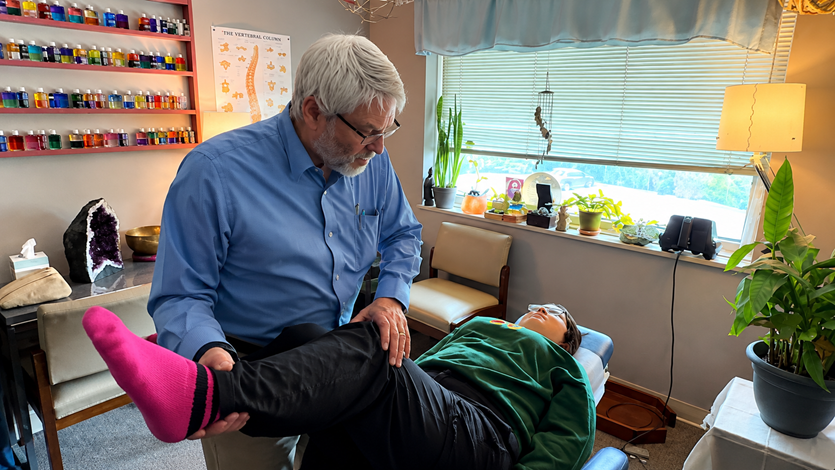

Improving your flexibility is not only essential for enhancing your overall fitness and well-being, but it also plays a crucial role in spinal health. As a chiropractor, I believe that flexibility is a key component of a healthy body, and I’m here to share some practical tips to help you achieve your flexibility goals naturally, without the need for medications or surgeries.
Understanding the importance of flexibility can lead to better posture, reduced pain, and improved mobility, which are all vital for maintaining a healthy spine. To help you on this journey, here are some effective secrets that can make a real difference in your flexibility and overall health:
- Incorporate Chiropractic Care: Regular visits to a chiropractor can help align your spine and improve your overall range of motion. This alignment is crucial for optimal nerve function and can enhance your ability to stretch and move freely.
- Dynamic Stretching: Before engaging in any physical activity, incorporate dynamic stretches. These gentle movements prepare your muscles and joints for exercise, reducing the risk of injury and helping you to gradually improve your flexibility.
- Gentle Yoga Practices: Yoga is a wonderful way to increase flexibility while also promoting relaxation and stress relief. Consider joining a local class or following online tutorials that focus on gentle stretches designed for all levels.
- Stay Hydrated: Proper hydration is essential for muscle function. Make sure to drink plenty of water throughout the day, as this can help keep your muscles supple and improve your flexibility.
- Focus on Breathing: Deep, controlled breathing can enhance your stretching routine. As you stretch, take slow, deep breaths to relax your muscles, which can help you stretch further and more effectively.
- Consistency is Key: Make flexibility exercises a regular part of your routine. Just a few minutes each day can lead to significant improvements over time. Set aside time each day for stretching, and you’ll start to see results.
- Listen to Your Body: Pay attention to how your body feels during stretches. Never push yourself to the point of pain; instead, ease into stretches and allow your body the time it needs to adjust.
- Incorporate Foam Rolling: Foam rolling can help release tension in your muscles and improve blood flow, which can aid in flexibility. Use a foam roller on tight areas to help loosen up and prepare your muscles for stretching.
- Warm-Up Before Stretching: Always warm up your muscles before stretching. A light walk or some gentle movements can increase blood flow to your muscles, making it easier to stretch effectively.
- Consult with Your Chiropractor: If you’re unsure where to start or how to improve your flexibility safely, consult with your chiropractor. They can provide personalized advice and develop a plan tailored to your specific needs.
By integrating these strategies into your daily routine and prioritizing chiropractic care, you can achieve your flexibility goals while also enhancing your overall health. Remember, flexibility is a journey, and with patience and dedication, you can enjoy a more mobile and pain-free life.
Key Takeaways
- Start your day with 5-10 minutes of dynamic stretching to help prepare your muscles and improve your range of motion. This routine is a great way to get your body ready for the day and can complement your chiropractic adjustments.
- After your workouts or physical activities, take some time for static stretching. Holding each stretch for 15-30 seconds can help ease muscle tightness and support recovery. This practice aligns with chiropractic principles of maintaining muscle balance and function.
- Remember to stay hydrated! Proper hydration keeps your muscles flexible and supports overall performance, which is essential for maintaining a healthy spine and body.
- Consider incorporating yoga or Pilates into your weekly routine. These practices not only enhance flexibility but also strengthen your core, which is vital for spinal health. They can be a wonderful complement to your chiropractic care.
- Set achievable flexibility goals and keep track of your progress. This can motivate you and help you appreciate the improvements in your body, especially when paired with regular chiropractic visits for optimal health and wellness.
By integrating these tips into your routine, you’ll not only improve your flexibility but also support your overall spinal health and well-being through natural methods.
Understand the Importance of Flexibility
Flexibility is a crucial aspect of physical fitness that often gets overlooked, but as a chiropractor, I want to emphasize its significance for your overall health and wellness. While many people focus on building strength or endurance, flexibility shouldn’t be neglected. It plays a vital role in enhancing your range of motion, allowing you to perform daily activities more comfortably and efficiently.
By improving your flexibility, you can reduce the risk of injuries, as flexible muscles and joints move freely without unnecessary strain. This is especially important for maintaining a healthy spine, which is at the core of chiropractic care. Incorporating flexibility training into your routine can help alleviate muscle tension and promote better posture, which is essential for spinal health.
In addition to reducing discomfort and enhancing everyday movements, better flexibility can also improve your athletic performance. When your body can move more efficiently, you’ll find it easier to engage in various activities, from playing sports to simply bending down to tie your shoes.
As you consider your fitness regimen, remember that flexibility is just as important as strength and endurance. Embracing flexibility training can help you achieve optimal health and wellness, making chiropractic care an excellent choice for pain relief and natural healing.
Here are some simple tips to enhance your flexibility:
- Incorporate Stretching: Dedicate a few minutes each day to stretching major muscle groups. Gentle stretches can help maintain and improve flexibility.
- Practice Yoga or Pilates: Both practices focus on flexibility and core strength, promoting a balanced body and mind.
- Stay Hydrated: Proper hydration is essential for keeping your muscles supple and reducing stiffness.
- Listen to Your Body: If you feel tightness or discomfort, take the time to stretch and ease those areas. This can prevent further issues and support your spinal health.
Incorporate Dynamic Stretching Into Your Routine
To enhance your flexibility and support your overall health, it’s beneficial to incorporate dynamic stretching into your routine. As a chiropractor, I encourage you to understand that unlike static stretching, dynamic stretches involve controlled movements that prepare your muscles and joints for activity.
This approach not only improves flexibility but also increases blood flow, which is crucial for optimal spinal health and overall performance.
Start your session with simple exercises such as leg swings, arm circles, or walking lunges. These dynamic movements engage multiple muscle groups and closely mimic the actions you’ll perform during your workout, promoting a healthier spine and reducing the risk of injury.
Aim for 5 to 10 minutes of dynamic stretching before diving into your main exercises.
Remember, taking care of your body through proper stretching can alleviate tension and support your chiropractic care journey. By integrating these practices, you’re investing in your health and wellness, paving the way for a pain-free and active lifestyle.
If you have any concerns about your flexibility or spinal health, don’t hesitate to reach out for personalized advice and care.
Practice Static Stretching Post-Workout
Post-workout is the ideal time to incorporate static stretching into your routine, as it can significantly enhance your overall health and well-being. By holding stretches after exercising, you not only improve flexibility but also support your body’s natural recovery process. This is particularly important for maintaining a healthy spine and preventing injuries, which is where chiropractic care can play a vital role.
When you engage in static stretching after your workout, you’re helping to elongate muscles that may have tightened during physical activity. This is essential for maintaining optimal spinal alignment and overall mobility. Incorporating these stretches can also alleviate tension, reduce soreness, and promote relaxation—key elements for a healthy lifestyle.
Here are some benefits of static stretching post-workout:
- Enhanced Flexibility: Stretching helps maintain and improve your range of motion, which is crucial for a healthy spine and overall body function.
- Aid in Recovery: By reducing muscle tightness and soreness, static stretching can help you bounce back faster after workouts, making it easier to stay active and healthy.
- Stress Relief: Stretching induces relaxation, which can lower stress levels and improve your mental well-being—important factors in holistic health.
To effectively incorporate static stretching into your routine, consider these simple techniques:
- Hold Each Stretch: Aim to hold each stretch for 15-30 seconds, breathing deeply to enhance relaxation.
- Focus on Major Muscle Groups: Pay special attention to areas that may be tight or strained, such as the hamstrings, quadriceps, and back muscles.
- Listen to Your Body: Stretching should feel good, not painful. If you feel discomfort, ease up on the stretch.
- Stay Consistent: Make static stretching a regular part of your post-workout routine to reap the full benefits.
Remember, while static stretching can be beneficial, it’s important to consult with a chiropractor for personalized advice and care strategies tailored to your specific needs. Chiropractic care focuses on natural healing and can help ensure your spine and body remain in optimal condition for all your activities.
Embrace these techniques as part of your journey toward a healthier, pain-free life!
Benefits of Static Stretching
While many individuals prioritize dynamic movements in their workouts, it’s essential not to underestimate the power of static stretching afterward. As a chiropractor, I can assure you that incorporating static stretching into your routine offers significant benefits for both your body and overall wellness. By holding stretches for 15 to 60 seconds, you not only improve your flexibility but also enhance your performance in future activities.
Static stretching plays a crucial role in lengthening and relaxing your muscles, which can help alleviate tightness and lower the risk of injuries—especially beneficial for those of us who may experience discomfort or pain in our daily lives. Moreover, this practice promotes better blood circulation, aiding in recovery and reducing post-workout soreness, which is vital for maintaining an active lifestyle.
In addition to the physical benefits, static stretching encourages mindfulness. Taking a moment to connect with your body and breathe deeply can serve as a fantastic stress reliever. This practice not only contributes to your physical health but also supports mental well-being.
For optimal health, consider integrating static stretching after your workouts or even during your daily routine. Simple stretches like reaching for your toes or gently stretching your arms overhead can make a difference. Remember, listening to your body is key. If you notice areas of tightness, spend extra time stretching those muscles.
Ultimately, combining chiropractic care with regular static stretching can lead to improved spinal health, enhanced mobility, and a more balanced, pain-free life. If you’re seeking a natural approach to wellness, consider making chiropractic care a part of your journey toward a healthier you.
Best Post-Workout Techniques
Incorporating static stretching into your post-workout routine is a fantastic way to promote recovery and enhance overall wellness. After an intense workout, your muscles are warm and more flexible, making it the ideal time to improve your range of motion. Spend about 10-15 minutes focusing on major muscle groups, holding each stretch for 15-30 seconds. This practice not only aids in recovery but can also alleviate muscle soreness, making your body feel better after exercise.
Pay extra attention to areas that often feel tight, such as your hamstrings, quadriceps, and shoulders. Remember to breathe deeply throughout each stretch; this not only helps to relax your muscles but also enhances your overall stretching experience. By incorporating static stretching into your routine, you’ll likely notice significant improvements in your flexibility, which can contribute to more effective workouts in the future.
Moreover, it’s important to consider how chiropractic care can further enhance your recovery and overall health. Regular visits to a chiropractor can help ensure your spine and nervous system are functioning optimally, which plays a crucial role in how your body responds to physical activity. Chiropractic adjustments can reduce tension, improve posture, and enhance your body’s natural ability to heal itself.
As you embrace these post-workout techniques, remember that a holistic approach to health, including chiropractic care, can support your journey toward a healthier, pain-free life. By prioritizing your well-being through proper stretching and chiropractic adjustments, you’re taking significant steps toward optimal health and vitality.
Utilize Foam Rolling for Muscle Recovery
Foam rolling can be an excellent tool for muscle recovery, especially when combined with chiropractic care to enhance your overall wellness. As a chiropractor, I believe in the importance of natural healing methods that support the body’s ability to recover and thrive after intense workouts.
By incorporating foam rolling into your routine, you can effectively release tension in your muscles and fascia, which helps reduce soreness and improve blood circulation. This self-myofascial release technique is particularly beneficial for targeting tight areas and trigger points, allowing your muscles to relax and recover more efficiently.
By using a foam roller, you won’t only enhance your flexibility and mobility but also complement the adjustments and support you receive through chiropractic care.
To get started with foam rolling, find a quiet and comfortable space, and select a foam roller that feels right for you. Focus on key muscle groups such as your calves, quads, hamstrings, and back. Roll slowly over these areas, pausing on any tight spots for about 20-30 seconds. You might feel the knots gradually release, which can significantly contribute to your muscle recovery.
Incorporate foam rolling into your post-workout routine, ideally within 30 minutes after exercising. Consistency is essential—aim to roll out your muscles a few times a week to experience the best results. This practice, alongside regular chiropractic adjustments, can help keep your body limber and ready for your next physical challenge.
Try Yoga or Pilates for Enhanced Flexibility
One of the best ways to enhance your flexibility—and support your overall spinal health—is by incorporating practices like yoga or Pilates into your routine.
Both of these disciplines focus on stretching and strengthening your muscles, which promotes balance and increases body awareness. In yoga, you’ll flow through various poses that not only enhance your range of motion but also improve your overall flexibility. This mix of static and dynamic stretches helps to lengthen tight muscles and release built-up tension, which can be beneficial for maintaining a healthy spine.
Pilates is another excellent choice, as it emphasizes core strength and stability—key components in achieving better flexibility. The controlled movements in Pilates target specific muscle groups, allowing you to stretch safely and effectively while supporting your spine.
For those looking to improve their flexibility and overall well-being, incorporating these practices into your routine just a few times a week can lead to noticeable improvements. You may find that you feel more limber, less stiff, and more in tune with your body.
However, it’s essential to remember that chiropractic care is a fantastic complement to these practices. Regular chiropractic adjustments can help align your spine and improve your overall function, making it easier to engage in activities like yoga and Pilates.
Focus on Breath Control During Stretching
As a chiropractor, I understand the importance of taking care of your body, especially when it comes to flexibility and overall wellness. One of the best ways to support your health is through stretching, and incorporating breath control into your routine can make a significant difference.
When you stretch, focusing on your breath can enhance your flexibility and improve your overall experience. Taking slow, deep breaths signals your body to relax, allowing your muscles to lengthen effectively. Inhale deeply through your nose, filling your lungs, and then exhale slowly through your mouth. This rhythmic breathing not only calms your mind but also helps you stay present and aware during your stretches.
As you hold each stretch, try to synchronize your breath with your movements. Inhale as you prepare to stretch deeper, and exhale as you gently ease into the pose. This technique not only boosts your flexibility but can also reduce tension and discomfort—an essential aspect of maintaining a healthy spine.
If you notice your mind drifting away from your stretching routine, gently bring your focus back to your breath. This simple practice can transform your stretching sessions into more enjoyable and productive experiences.
Remember, regular stretching combined with mindful breathing supports spinal health, reduces stress, and enhances your overall well-being.
So, the next time you engage in your stretching routine, remember to breathe deeply and consciously. This approach not only benefits your flexibility but also aligns with the principles of natural healing that chiropractic care promotes.
Embrace this holistic practice as part of your journey toward optimal health!
Warm Up Properly Before Stretching
Before you dive into your stretching routine, it’s essential to warm up your muscles properly. This step is crucial not only for preventing injuries but also for enhancing your flexibility, which is vital for maintaining a healthy spine and overall wellness. A good warm-up increases blood flow to your muscles and prepares your body for deeper stretches.
Start with 5 to 10 minutes of light aerobic activity, such as brisk walking or gentle jogging. This will elevate your heart rate and help to loosen up your muscles. Remember, a well-prepared body is less likely to experience discomfort or pain, which is a key aspect of maintaining spinal health.
Once your heart rate is up, include dynamic movements in your warm-up. Movements like arm circles, leg swings, and torso twists can be particularly beneficial. These exercises mimic the stretches you’ll be doing and help improve your range of motion.
As you perform these movements, focus on keeping a steady pace and listen to how your body feels. If you notice any discomfort, be sure to adjust your movements accordingly.
Incorporating a proper warm-up into your routine is just one way to take charge of your health and wellness. If you’re experiencing any pain or discomfort, consider consulting with a chiropractor.
Chiropractic care can provide natural, effective solutions for pain relief and support your journey towards optimal health and wellness. Remember, caring for your spine is fundamental to your overall well-being!
Set Realistic Flexibility Goals
After properly warming up your muscles, the next step in your flexibility journey is to set realistic and achievable goals. Being specific about what you want to accomplish is vital. Instead of setting an expectation to touch your toes within a week—a timeline that may lead to frustration—consider a more gradual approach that aligns with your body’s natural abilities. Breaking down your overall goal into smaller, manageable milestones can make a significant difference.
Here are some short-term and long-term flexibility goals you can aim for, all while supporting your body through chiropractic care:
| Short-Term Goals | Long-Term Goals |
|---|---|
| Stretch for 10 minutes daily | Touch your toes comfortably in 3 months |
| Work on hamstring stretches twice a week | Achieve full splits in 6 months |
| Incorporate shoulder mobility exercises | Perform a backbend in 4 months |
Remember, chiropractic care can play a crucial role in enhancing your flexibility journey. Regular adjustments can help align your spine, improve your posture, and facilitate better movement throughout your body. This holistic approach not only aids in pain relief but also promotes natural healing and overall wellness.
Here are some general tips to keep in mind:
- Listen to Your Body: Pay attention to any discomfort or pain while stretching. If something doesn’t feel right, consult with your chiropractor to ensure you’re on the right track.
- Stay Consistent: Flexibility improves with regular practice. Make stretching a part of your daily routine to see gradual progress.
- Incorporate Variety: Try different stretches and mobility exercises to keep things interesting and target various muscle groups.
- Stay Hydrated: Drinking enough water is essential for muscle function and recovery, so make sure you’re well-hydrated.
- Warm Up Properly: Always ensure your muscles are warm before stretching to prevent injury. Gentle movements or a short walk can help get your blood flowing.
Stay Consistent With Your Flexibility Training
To achieve lasting flexibility and enhance your overall well-being, it’s essential to prioritize consistency in your training routine. Flexibility isn’t just about stretching; it’s about cultivating a healthy habit that you can sustain over time.
Additionally, incorporating flexibility training into your routine can complement the benefits of chiropractic care, promoting better spinal health and natural healing. Here are some simple tips to help you stay on track:
- Set a Specific Time: Allocate a specific time each day dedicated to your flexibility training. This makes it easier to integrate into your daily routine and ensures you prioritize your health.
- Short and Frequent Sessions: Instead of long, infrequent sessions, consider shorter, more frequent flexibility training throughout the week. This approach is easier to stick with and can be more effective for maintaining mobility.
- Use Reminders: Utilize reminders or apps to keep your training schedule visible. Having a visual cue can motivate you to stay committed to your flexibility goals.
- Pair with Other Workouts: Combine flexibility training with another workout, such as your chiropractic exercises or a favorite physical activity. This not only makes it more enjoyable but also enhances the benefits of both practices.
- Track Your Progress: Keep a journal or log to track your flexibility progress. This can help you see how far you’ve come and motivate you to continue your journey toward optimal health.
By incorporating these practices into your routine, you can improve your flexibility and support your overall health.
Listen to Your Body and Avoid Overstretching
Listening to your body is crucial when it comes to flexibility training, especially for maintaining a healthy spine and overall well-being. Pushing yourself too hard can lead to injuries and setbacks, which is why it’s important to pay attention to any discomfort or pain during your stretches. If something doesn’t feel right, don’t hesitate to ease up or modify your position.
Remember, flexibility is a gradual journey, and respecting your body’s limits is key.
Before you start stretching, make sure to warm up properly. This prepares your muscles and joints, enhancing your flexibility routine. Focus on controlled movements rather than forcing a deeper stretch. You’ll discover that holding a stretch until you feel mild tension is more beneficial than overstretching, which can strain your spine and muscles.
Incorporating regular chiropractic care can also support your flexibility goals. A chiropractor can help ensure your spine is aligned, improving your overall mobility and reducing any pain that may hinder your progress. By integrating chiropractic adjustments into your routine, you can promote natural healing and enhance your body’s ability to move freely.
Here are some tips to keep in mind:
- Always listen to your body and adjust your stretches accordingly.
- Warm up your muscles with light activity before stretching.
- Focus on gentle, controlled movements to avoid injury.
- Consider regular chiropractic care to support your flexibility and overall health.
With these practices, you can work towards improved flexibility while prioritizing your spinal health and well-being.
Conclusion
Improving your flexibility is a journey that requires patience and commitment, but with the right approach, you can make remarkable strides. As a chiropractor, I believe that flexibility plays a vital role in your overall health and wellness, particularly in maintaining a healthy spine. By incorporating both dynamic and static stretching into your daily routine, you can help support spinal alignment and enhance your range of motion.
Consider exploring practices like yoga or Pilates, which not only improve flexibility but also strengthen the muscles that support your spine. Staying hydrated is crucial for joint health, so make sure you’re drinking enough water throughout the day.
Setting realistic flexibility goals can keep you motivated, and it’s essential to listen to your body to avoid injury. If you ever feel pain, it’s a sign to adjust your approach, and that’s where chiropractic care can be beneficial. Regular visits to a chiropractor can help identify any underlying issues that may be limiting your flexibility and provide gentle adjustments to enhance your body’s natural movement.
By being consistent and mindful in your flexibility training, you’ll not only improve your range of motion but also support your overall well-being. Start your journey today, and you’ll soon feel the positive impact on your health and vitality!