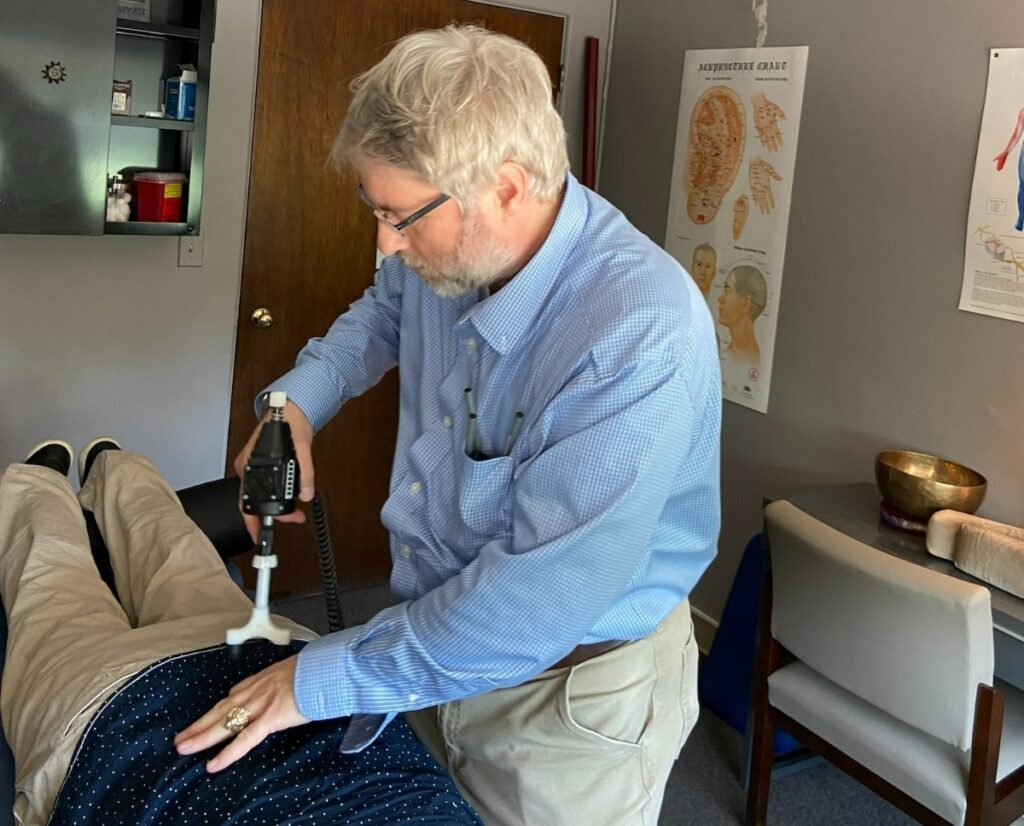

If you’ve ever experienced discomfort after spending hours at your desk, you’re definitely not alone. Poor posture can sneak up on you, leading to chronic pain and fatigue over time. Ignoring these signs can not only affect your productivity but also your overall health. So, what can you do to effectively address these issues? Seeking help from a chiropractor is a vital first step toward a healthier and more comfortable work life.
Chiropractic care is focused on helping you achieve optimal health through natural healing methods, emphasizing spinal health and overall wellness. By correcting misalignments in your spine, chiropractic adjustments can alleviate pain and improve your posture, helping you to feel better and work more efficiently.
Here are some simple tips to help improve your desk job posture and support your well-being:
- Adjust Your Workspace: Ensure your chair supports your lower back and that your feet are flat on the ground. Your computer screen should be at eye level to minimize neck strain.
- Take Regular Breaks: Stand up, stretch, and walk around every hour. This not only helps relieve tension but also boosts circulation and energy levels.
- Practice Good Posture: Sit all the way back in your chair with your shoulders relaxed and your back straight. Keep your elbows close to your body at a 90-degree angle.
- Incorporate Stretching: Simple stretches for your neck, shoulders, and back can help ease tightness and improve flexibility. Consider some gentle neck rolls or shoulder shrugs throughout the day.
- Stay Hydrated: Drinking enough water can help reduce fatigue and keep your body functioning optimally.
By making these adjustments and considering regular chiropractic care, you can take significant steps toward alleviating discomfort and enhancing your overall health. Remember, you don’t have to live with pain; there are natural solutions available to help you thrive in your work and daily life.
Key Takeaways
Why Seek Help for Desk Job Posture Issues?
- Poor desk posture can lead to chronic pain, muscle tension, and misalignment, which can affect your overall well-being. By addressing these issues early on, you can avoid long-term discomfort and maintain a healthier lifestyle.
- Seeking professional guidance, especially from a chiropractor, allows you to identify and correct specific posture-related problems. Chiropractic care focuses on realigning the spine, which can alleviate pain and enhance your body’s natural healing abilities. This approach helps you stay active and feel your best.
- An ergonomic workspace can make a significant difference in your comfort and productivity. Small adjustments, like the height of your chair or the position of your computer screen, can promote good posture and reduce discomfort during long hours of sitting. A chiropractor can provide personalized recommendations tailored to your workspace.
- Remember to take regular breaks and incorporate movement into your day. Simple stretches or short walks can help keep your muscles engaged and prevent stiffness. This practice not only contributes to your overall comfort at work but also supports your spinal health.
Incorporating chiropractic care into your wellness routine is a natural and effective way to achieve optimal health, relieve pain, and enhance your quality of life. By prioritizing your posture and making small adjustments, you can pave the way for a healthier future.
Understanding the Impact of Poor Posture
When you slouch at your desk, it’s easy to overlook the negative impact on your body. Poor posture can lead to various issues, including muscle tension and chronic pain. Your spine is designed to maintain its natural curves, and when you hunch over, you disrupt this balance. This misalignment puts extra stress on your muscles, ligaments, and joints, which can increase your risk of injury over time.
You might also notice a dip in your energy levels and concentration. Slouching can restrict your breathing, reducing your oxygen intake and leaving you feeling fatigued. Additionally, it can affect your mood, making you feel more stressed or anxious. By recognizing the effects of poor posture, you can take proactive steps to improve your sitting habits and overall wellness.
One of the best ways to address these issues is through chiropractic care. A chiropractor can help realign your spine, promoting better posture and alleviating pain. Regular adjustments can also enhance your body’s natural healing abilities, allowing for improved energy levels and mood.
In addition to seeking chiropractic care, there are simple changes you can make to support your health. Consider investing in an ergonomic chair that encourages good posture. Set reminders on your phone to check your stance throughout the day, and take breaks to stretch and move around.
These small adjustments can make a significant difference in how you feel during your workday. By prioritizing your posture and utilizing chiropractic care, you’ll be taking important steps toward achieving optimal health and wellness. Remember, a healthy spine leads to a healthier you!
Recognizing the Signs of Posture-Related Issues
You mightn’t realize it, but poor posture can lead to a range of symptoms that are important to pay attention to. From persistent back pain to decreased productivity, these signs can affect your daily life more than you might think. Recognizing these posture-related issues is crucial for maintaining your overall health and performance at work.
As a chiropractor, I want to emphasize that chiropractic care is one of the best ways to address these problems naturally. Poor posture can misalign your spine, leading to discomfort and a host of other health issues. Regular chiropractic adjustments can help restore your spine’s alignment, relieve pain, and improve your overall well-being.
Here are some tips to help you maintain good posture and support your spinal health throughout the day:
- Be Mindful of Your Sitting Position: If you work at a desk, make sure your chair supports your lower back, and keep your feet flat on the floor. Your computer screen should be at eye level to avoid straining your neck.
- Take Frequent Breaks: Sitting for long periods can lead to stiffness and discomfort. Stand up, stretch, or take a short walk every hour to keep your muscles active and engaged.
- Strengthen Your Core: A strong core supports your spine and helps you maintain good posture. Incorporate exercises like planks and bridges into your routine to build strength in your abdominal muscles.
- Stay Active: Regular physical activity helps keep your muscles flexible and strong. Activities like yoga or Pilates can improve your posture and provide better spinal alignment.
- Listen to Your Body: If you start to notice discomfort or pain, don’t ignore it. Seeking chiropractic care can provide you with personalized treatments that address your specific needs and promote natural healing.
By being proactive about your posture and incorporating these strategies into your daily routine, you can enhance your overall health and well-being.
Common Symptoms to Watch
Poor posture can sneak up on you, leading to a variety of symptoms that are easy to overlook. If you find yourself spending long hours at a desk, it’s important to be aware of these common signs that may indicate your spine is out of alignment:
- Neck and shoulder pain: Experiencing tightness or discomfort in these areas, especially after extended periods of sitting, is often a sign of poor posture. Chiropractic adjustments can help realign your spine and relieve this tension.
- Back soreness: A constant ache in your lower back could signal misalignment in your spine. Regular chiropractic care can address these issues, helping to restore proper alignment and alleviate pain.
- Fatigue: Feeling more tired than usual? Your posture could be contributing to your energy drain. Proper spinal alignment can enhance your overall energy levels and well-being.
Recognizing these symptoms early is key to taking action before they escalate into more serious issues. Don’t ignore the signs! By addressing them now through chiropractic care, you can enjoy a more comfortable and productive workday.
In addition to seeking chiropractic care, here are some simple tips to improve your posture and overall spinal health:
- Ergonomic Workspace: Ensure your desk, chair, and computer setup promote good posture. Your monitor should be at eye level, and your chair should support your lower back.
- Regular Breaks: Take short breaks every hour to stand, stretch, and move around. This helps to relieve tension and reset your posture.
- Mind Your Posture: Be conscious of your posture throughout the day. Keep your shoulders back, and avoid slouching or leaning forward.
- Strengthening Exercises: Incorporate exercises that strengthen your back and core muscles into your routine. A strong foundation supports good posture.
- Stay Hydrated: Drinking enough water helps maintain the elasticity of your spinal discs and supports overall spinal health.
Long-Term Health Consequences
Ignoring the symptoms of poor posture can have serious long-term health implications. As a chiropractor, I frequently see how slouching and improper alignment can lead to chronic back and neck pain, which may become debilitating over time.
When your body compensates for misalignment, you might also experience increased muscle tension and joint problems. Furthermore, poor posture can contribute to digestive issues and reduced lung capacity, ultimately impacting your overall health.
If you’re experiencing persistent headaches or fatigue, these could be signals of deeper problems linked to your posture. It’s important to understand that neglecting these signs won’t make them go away; rather, they can escalate into more severe conditions, such as arthritis or herniated discs.
That’s why it’s crucial to address these posture-related issues early on. As a natural and holistic approach to health, chiropractic care can effectively help you achieve optimal alignment and relieve pain. Regular chiropractic adjustments can improve your posture, alleviate discomfort, and promote overall well-being.
Here are some general tips to help you maintain better posture and support your spinal health:
- Be Mindful of Your Posture: Throughout the day, take a moment to check in with your posture. Sit and stand tall, keeping your shoulders back and your spine aligned.
- Set Up a Comfortable Workspace: If you work at a desk, make sure your chair supports your lower back and that your computer screen is at eye level to avoid straining your neck.
- Take Breaks: Stand up, stretch, and walk around every hour. This helps relieve muscle tension and promotes circulation.
- Strengthen Your Core: Engaging in exercises that strengthen your core muscles can provide better stability and support for your spine.
- Stay Active: Regular physical activity can enhance your overall health and improve your posture. Activities like yoga and Pilates are particularly beneficial.
If you’re struggling with posture-related issues, I encourage you to seek chiropractic care. Together, we can work towards restoring your alignment, relieving discomfort, and enhancing your quality of life.
Impact on Productivity Levels
When you’re facing challenges with posture, it can significantly impact your productivity levels. Poor posture often leads to discomfort, making it difficult to concentrate on your tasks.
Here are some common signs that your posture may be affecting your work performance:
- Increased fatigue or feeling worn out throughout the day
- Frequent headaches or tension in your neck and shoulders
- Trouble concentrating or feeling mentally exhausted
These symptoms can create a frustrating cycle of reduced efficiency. However, by addressing your posture, you can enhance your focus and energy, leading to improved productivity.
Chiropractic care is an excellent way to help correct posture-related issues and promote overall wellness. A chiropractor can assess your spinal alignment and recommend personalized strategies to improve your posture, which can alleviate discomfort and boost your energy levels.
In addition to seeking chiropractic care, here are some general tips to maintain a healthy posture throughout your day:
- Set Up Your Workspace Ergonomically: Ensure that your chair supports your lower back, and your computer screen is at eye level to avoid straining your neck.
- Take Regular Breaks: Stand up, stretch, and move around every hour to reduce muscle tension and improve circulation.
- Practice Good Sitting Habits: Sit all the way back in your chair with your feet flat on the floor and your knees at a right angle.
- Strengthen Your Core: Engage in exercises that strengthen your core muscles, as this can help support your spine and improve your posture.
Don’t let poor posture hold you back from achieving your goals. Consider chiropractic care as a natural and effective way to enhance your health and well-being, and make these small changes in your daily routine for a significant impact on your productivity.
The Connection Between Posture and Productivity
Good posture is more than just a way to look confident; it plays a crucial role in your overall productivity and well-being. When you keep your spine straight and your body aligned, you promote better blood flow and oxygen delivery to your brain, which can help you think clearly and maintain focus throughout your tasks. Conversely, poor posture can lead to feelings of fatigue and distract you from what you need to accomplish.
As a chiropractor, I want to share how your posture can significantly affect your productivity and how chiropractic care can help you achieve and maintain that posture for optimal health:
| Posture Type | Productivity Effect | Chiropractic Benefit |
|---|---|---|
| Upright Sitting | Boosts focus and energy | Chiropractic adjustments can help you maintain this posture comfortably. |
| Slouched Sitting | Causes fatigue and stress | Regular chiropractic care can relieve tension in your back and neck, making it easier to sit up straight. |
| Leaning Forward | Strains neck, reduces clarity | Chiropractic treatments can alleviate neck strain and improve your alignment. |
| Relaxed Position | Encourages creativity | A well-aligned spine can enhance your overall comfort, allowing for more free-flowing ideas. |
| Balanced Stance | Enhances confidence | Chiropractic care strengthens your core muscles, promoting a balanced and confident stance. |
To enhance your productivity through better posture, here are some tips:
- Adjust Your Workspace: Ensure your chair and desk are at the right height so you can sit with your feet flat on the ground and your screen at eye level.
- Take Breaks: Stand up, stretch, and walk around every hour to reset your posture and relieve tension.
- Strengthen Your Core: Engage in exercises that strengthen your core muscles, which support your spine and help you maintain an upright position.
- Stay Aware: Regularly check in with your body. Are you slouching? Adjust your position to keep your spine aligned.
- Consider Chiropractic Care: Regular visits to a chiropractor can help you maintain proper alignment and address any discomfort that may lead to poor posture.
Health Risks Associated With Prolonged Sitting
Prolonged sitting can lead to a surprising range of health risks that you may not be aware of. While it may seem like a normal part of your daily routine, spending extended hours at your desk can take a toll on your body.
Here are some serious risks to consider, along with ways chiropractic care can help you maintain your health and wellness:
- Increased risk of obesity: Sitting for long periods slows down your metabolism, making it easier to gain weight. Chiropractic care can help improve your body’s overall function, which can support your metabolism and aid in weight management.
- Heart disease: Research indicates that prolonged sitting can heighten your risk of heart-related issues due to poor circulation and elevated cholesterol levels. Regular chiropractic adjustments can enhance blood flow and improve your cardiovascular health.
- Musculoskeletal disorders: Poor posture while sitting can lead to chronic pain in your back, neck, and shoulders, which can greatly affect your daily life. Chiropractic care focuses on spinal alignment, which can relieve pain and improve your posture, allowing you to feel more comfortable throughout your day.
Understanding these risks is essential for your long-term health.
Here are some simple tips to incorporate into your daily routine:
- Take regular breaks: Aim to stand up and stretch or walk around for a few minutes every hour. This can help alleviate stiffness and improve circulation.
- Adjust your workspace: Make sure your chair and desk are ergonomically designed to support good posture. A chiropractor can provide guidance on the best setup for your body.
- Incorporate movement: Find ways to incorporate more movement into your day, whether it’s taking the stairs instead of the elevator or doing some light exercises during breaks.
- Consider chiropractic care: Regular visits to a chiropractor can help maintain your spinal health and overall well-being. They can provide tailored advice on managing pain and preventing discomfort related to prolonged sitting.
Don’t ignore the signs of discomfort—start making changes today and consider chiropractic care as a natural path to achieving optimal health and wellness!
Benefits of Seeking Professional Guidance
Seeking professional guidance, especially from a chiropractor, can significantly enhance your desk job posture and overall health. Working with a chiropractor provides you with personalized assessments and tailored strategies specifically designed for your needs. They can identify particular issues related to your posture and offer effective techniques to correct them.
With chiropractic care, you’ll learn how to strengthen your core and back muscles, which are essential for maintaining a healthy posture throughout your workday. Chiropractors help you understand body mechanics better, empowering you to prevent future injuries and discomfort.
In addition to expert advice, having a chiropractor to support you can increase your motivation to make these necessary changes. Regular visits ensure that you stay on track with your posture improvement and overall wellness journey. By investing in chiropractic care, you not only enhance your posture but also contribute to greater productivity and well-being in your daily life.
Here are some simple tips you can implement right away:
- Adjust Your Workspace: Ensure your chair supports your lower back and that your computer screen is at eye level to reduce strain.
- Take Frequent Breaks: Stand up, stretch, and move around every hour to keep your muscles engaged and avoid stiffness.
- Practice Good Sitting Habits: Keep your feet flat on the ground and avoid crossing your legs to promote better circulation and posture.
- Strengthen Your Core: Incorporate exercises like planks or bridges into your routine to support your spine and improve stability.
Taking these steps can transform how you feel at work and beyond. Remember, chiropractic care is here to help you achieve optimal health naturally!
Simple Adjustments to Improve Your Workspace
Making simple adjustments to your workspace can significantly enhance your comfort, productivity, and overall spinal health. As a chiropractor, I can’t stress enough the importance of maintaining proper posture while you work.
Start by selecting an ergonomic chair that supports your lower back, as this will help reduce strain on your spine. Adjust your desk height to ensure that your elbows are at a 90-degree angle when typing, which can help prevent unnecessary tension in your neck and shoulders.
Positioning your monitor at eye level is also crucial. This alignment helps to keep your head in a neutral position, reducing the likelihood of developing neck pain or discomfort. Remember, these small changes can lead to big improvements in your posture and overall well-being.
Incorporating regular breaks into your work routine is vital as well. Stand up, stretch, and move around every hour to keep your muscles engaged and your spine flexible.
Additionally, consider scheduling regular chiropractic visits to ensure your spine remains aligned and to address any discomfort before it becomes a bigger issue.
Ergonomic Chair Selection
How can the right ergonomic chair transform your workspace? As a chiropractor, I understand the vital role your chair plays in maintaining your spinal health. Choosing an ergonomic chair can significantly enhance your comfort and productivity while supporting your posture and reducing strain on your body. This allows you to concentrate on your tasks without the distractions of discomfort.
Here are a few essential features to consider when selecting the perfect chair for your health and wellness:
- Lumbar support: Ensure that the chair fits the natural curve of your lower back. Proper lumbar support can help prevent discomfort and promote a healthier spine, reducing the risk of developing chronic pain.
- Adjustable height: The ability to change the height of your chair is crucial. It should match your desk and your body size to keep your posture aligned and to help prevent strain on your neck and shoulders.
- Seat depth: A well-designed chair allows you to sit back comfortably while leaving a few inches between the back of your knees and the seat. This space is essential for maintaining circulation and preventing nerve compression.
Investing in an ergonomic chair isn’t just about comfort; it’s about fostering a healthier work environment that supports your spine.
Remember, while an ergonomic chair is a great step toward better posture, regular chiropractic care can further enhance your spinal health and overall well-being.
Desk Height Adjustments
Adjusting your desk height can significantly enhance your workspace comfort and overall well-being. As a chiropractor, I want to emphasize the importance of maintaining a healthy posture while working. Ideally, your desk should be at a height that allows your elbows to rest at a 90-degree angle when typing. This setup helps to reduce strain on your arms and shoulders, which can lead to discomfort and even spinal issues over time.
If your desk is too high, you may find yourself raising your shoulders, which can lead to neck tension. On the other hand, a desk that’s too low can cause slouching, putting unnecessary pressure on your spine. To achieve the right height, consider using a height-adjustable desk or adding a riser.
Additionally, ensure that your feet are flat on the floor or supported by a footrest. This can help keep your spine aligned and reduce the risk of pain.
Remember, these simple adjustments can’t only boost your productivity but also keep discomfort at bay, creating a more ergonomic and supportive work environment.
Embracing these tips can lead to better spinal health and overall wellness. If you’re experiencing pain or discomfort that doesn’t resolve with these adjustments, consider visiting a chiropractor. Chiropractic care can provide natural relief and support your journey to optimal health.
Monitor Positioning Tips
Creating an ergonomic workspace is essential for your overall health and wellness, especially when it comes to preventing strain and discomfort in your spine. As a chiropractor, I want to share some simple tips to help you enhance your workstation setup, which can play a significant role in your spinal health:
- Eye Level: Position the top of your monitor screen at or slightly below eye level. This alignment keeps your neck in a natural, relaxed position, reducing tension that can lead to discomfort. A healthy posture is key to maintaining a well-functioning spine.
- Distance: Keep your monitor about an arm’s length away. This distance not only reduces eye strain but also encourages proper alignment of your spine and shoulders. Maintaining a comfortable viewing angle helps to avoid slouching, which can negatively impact your back health.
- Tilt: Adjust the monitor’s tilt to minimize glare from windows or overhead lights. A slight backward tilt can improve visibility and reduce the need to lean forward, which may contribute to spinal misalignment. Remember, a well-positioned monitor can help promote a better posture, making it easier to stay pain-free.
By following these tips, you can create a workspace that supports your spinal health and overall well-being.
Long-Term Strategies for Maintaining Good Posture
While many people seek quick fixes for posture-related discomfort, embracing long-term strategies can lead to lasting relief and enhanced well-being. As a chiropractor, I can assure you that proper posture is essential for spinal health and overall wellness.
Start by investing in an ergonomic chair that supports your lower back and promotes a neutral spine. This can greatly reduce strain on your back while you work. It’s also important to adjust your workstation so your monitor is at eye level, which helps prevent neck strain. If your feet don’t comfortably touch the ground, consider using a footrest.
Make it a habit to take regular breaks; stand up, stretch, or walk around every hour. Simple stretches can help relieve tension and improve circulation. Additionally, incorporating exercises like planks and bridges into your routine can strengthen your core and back muscles, supporting a healthier spine.
Mindfulness is key—pay attention to your posture throughout the day, especially during long periods of sitting. This awareness can help you correct poor posture before it leads to discomfort. Activities like yoga or Pilates can be beneficial too, as they improve flexibility and enhance your body awareness.
If you’re experiencing persistent discomfort or want personalized advice, consulting a chiropractor can be incredibly beneficial. We specialize in spinal health and can provide tailored strategies to improve your posture and overall health.
Conclusion
To summarize, improving your desk job posture goes beyond just comfort; it’s crucial for your overall health and productivity. Poor posture can lead to a variety of issues, including back pain, neck strain, and decreased energy levels. By being aware of the signs of poor posture and seeking professional chiropractic care, you can prevent long-term problems and enhance your performance at work.
Chiropractic care focuses on aligning the spine and optimizing your body’s natural healing processes. Regular adjustments can help relieve pain and improve your posture, allowing you to work more comfortably and efficiently. Additionally, simple adjustments to your workspace, such as ensuring your chair supports your lower back and your monitor is at eye level, can make a significant difference.
Incorporating stretches and breaks into your routine can also help counteract the effects of prolonged sitting. Remember, don’t wait for discomfort to become chronic—take proactive steps now to improve your posture. By prioritizing your spinal health through chiropractic care, you can achieve a healthier work-life balance and enhance your overall well-being.