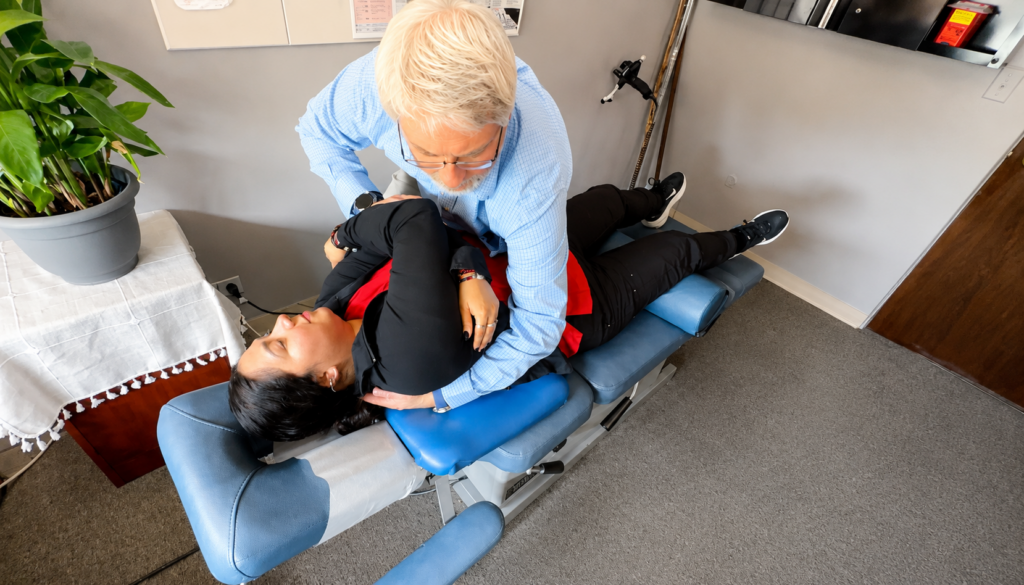

As an athlete, the drive to perform at your best can often overshadow the importance of recovery. You might feel that taking time off means sacrificing your fitness or that constant training is the only path to success. However, this mindset can lead to burnout, injuries, and hinder your long-term performance.
Understanding the role of recovery is crucial for your overall health and athletic success. What if I told you that prioritizing recovery could actually enhance your performance? Here’s where chiropractic care comes into play.
Chiropractic care focuses on spinal health and overall wellness, which can greatly aid in your recovery process. Regular adjustments can help ensure that your body is aligned properly, reducing pain and improving mobility. This can not only help you recover faster from workouts but also prevent injuries in the first place.
Here are some tips to incorporate recovery into your routine:
- Listen to Your Body: If you’re feeling fatigued or in pain, it’s essential to take a step back. Ignoring these signals can lead to more serious issues.
- Regular Chiropractic Visits: Schedule appointments with a chiropractor to help manage pain, improve your range of motion, and keep your spine in alignment.
- Active Recovery: Engage in light activities like walking, stretching, or yoga on rest days to promote blood flow and aid recovery.
- Stay Hydrated and Nourished: Proper hydration and nutrition are key components of recovery. Ensure you’re fueling your body with the right nutrients.
- Quality Sleep: Aim for restorative sleep, as it’s during this time that your body repairs itself.
By embracing these recovery strategies and integrating chiropractic care into your routine, you can support your body’s natural healing processes, enhance your performance, and ultimately achieve your athletic goals. Remember, taking care of your body is just as important as pushing your limits.
Key Takeaways
Many athletes often underestimate the necessary time for recovery, mistakenly thinking that taking a break equates to losing fitness or progress in their training. This belief can lead to poor health decisions and even injuries.
Social media can create unrealistic expectations, causing athletes to prioritize performance over recovery. When they compare their training journeys to the polished highlights of others, they might feel pressured to keep pushing themselves without rest. Remember, recovery is a crucial component of any training regimen and is essential for long-term success.
A common misconception is that feeling fine means that recovery isn’t needed. However, just because you may not feel pain or discomfort, it doesn’t mean your body isn’t in need of rest and healing practices. It’s important to listen to your body and recognize the signs that indicate a need for recovery.
The constant pursuit of training and competition can overshadow the importance of recovery, which can lead to burnout and increase the risk of injury. Prioritizing recovery is just as important as the training itself.
One effective way to support your recovery is through chiropractic care. Regular chiropractic adjustments can help to align your spine, relieve tension, and enhance your overall well-being. This natural approach to health not only aids in recovery but also helps to prevent injuries before they occur.
Additionally, lack of individualized recovery strategies can lead athletes to overlook essential support. It’s important to recognize that each athlete has unique physical and mental needs. Working with a chiropractor can help create a personalized recovery plan that addresses those needs, ensuring optimal performance.
Here are some general tips to keep in mind:
- Listen to Your Body: If you’re feeling fatigued or sore, take a break. Recovery is just as important as training.
- Incorporate Chiropractic Care: Regular adjustments can help improve your recovery and overall physical health.
- Stay Hydrated: Proper hydration supports recovery and helps your body function optimally.
- Prioritize Sleep: Quality sleep is essential for recovery and overall health. Aim for 7-9 hours of restful sleep each night.
- Practice Stress Relief: Techniques like meditation, yoga, or deep breathing can help your body recover and improve mental focus.
By integrating these practices into your routine and considering chiropractic care, you can enhance your recovery process and achieve optimal health. Remember, recovery is not a setback; it’s a crucial step towards reaching your athletic goals.
The Culture of Grind: Emphasizing Performance Over Recovery
In a world where hustle culture dominates, many athletes tend to put performance above all else, often neglecting the crucial aspect of recovery. The belief that pushing through fatigue and soreness will lead to better results can be misleading and even harmful. Ignoring the need for recovery can lead to injuries, burnout, and a decline in performance.
It’s essential to recognize that your body requires time to heal and rebuild after intense training or competition. If you’re always striving for that next personal best without allowing your body adequate recovery, you may be hindering your long-term success. This mindset not only affects your physical health but can also take a toll on your mental well-being.
One of the best ways to support your recovery is through chiropractic care, which focuses on spinal health and natural healing. Proper spinal alignment can enhance your body’s ability to recover, reduce pain, and improve overall performance.
In addition to seeking chiropractic care, integrating rest days into your training schedule is vital. These days allow your muscles and joints to recuperate and help prevent injuries. Pairing rest with proper nutrition and hydration is key for optimal recovery.
Active recovery techniques, such as gentle stretching or low-impact activities like walking or swimming, can also boost circulation and promote healing.
Remember, prioritizing recovery isn’t a sign of weakness; it’s an essential part of achieving and maintaining peak performance as an athlete. Embrace the idea that chiropractic care, combined with thoughtful rest and recovery strategies, can empower you to perform at your best while ensuring your long-term health and wellness.
Misconceptions About Recovery Time
How long should recovery really take? Many athletes underestimate the necessary time for recovery, believing that pushing through fatigue is a badge of honor. You might think that a day or two of rest is enough, but the ideal recovery time varies widely based on your training intensity and individual needs.
Some athletes believe they can bounce back quickly after intense workouts, but this misconception can lead to burnout or injury, which is where chiropractic care can play a crucial role.
It’s important to understand that recovery isn’t just about taking a break. It involves active recovery techniques like gentle stretching, proper nutrition, hydration, and even mental health practices. As a chiropractor, I often see patients who rush back into training without allowing their bodies the time they need to heal. Ignoring proper recovery can’t only hinder your performance but can also lead to chronic pain or injury.
Incorporating chiropractic care into your recovery routine can significantly enhance your healing process. Regular adjustments help maintain proper alignment of your spine, which can alleviate tension and improve your overall body function. This ensures that your nervous system is working optimally, allowing for better recovery and performance.
Here are some general tips to aid your recovery:
- Listen to Your Body: If you’re feeling fatigued or sore, don’t hesitate to take the necessary time to rest or seek chiropractic care.
- Stay Hydrated: Proper hydration is essential for muscle recovery and overall health.
- Focus on Nutrition: Eating a balanced diet rich in proteins, vitamins, and minerals can support your body’s healing processes.
- Incorporate Active Recovery: Engage in low-impact activities like walking, yoga, or gentle stretching to keep your body moving without overexerting yourself.
- Consider Chiropractic Care: Regular adjustments can promote better alignment, reduce pain, and enhance your body’s natural healing capabilities.
Recognizing that recovery is a vital part of your training program not only helps you avoid injury but also allows you to achieve your fitness goals safely and effectively.
Embracing a holistic approach to recovery, including chiropractic care, can make a significant difference in your overall health and wellness journey.
The Impact of Social Media on Athletic Expectations
Social media can create unrealistic expectations around athletic performance, which may lead to feelings of inadequacy. With everyone sharing their highlight reels, it’s all too easy to compare yourself to others. This constant pressure can distract you from your own health journey and recovery process.
As a chiropractor, I want to remind you that your path to wellness is unique and should be focused on your individual health needs. Instead of measuring yourself against others, consider focusing on how chiropractic care can help support your physical wellness and performance.
Chiropractic care is an excellent way to achieve optimal health naturally. It can help align your spine, improve your range of motion, and reduce discomfort, which can be crucial for recovery and overall athletic performance. Regular adjustments can also enhance your body’s ability to heal itself, allowing you to feel your best as you pursue your fitness goals.
Here are some simple tips to keep in mind:
- Listen to Your Body: Pay attention to how you feel during and after physical activity. If something doesn’t feel right, don’t ignore it. Seeking chiropractic care early can prevent further issues.
- Stay Consistent: Regular chiropractic adjustments can help maintain your body’s alignment and function, making it easier to stay active without pain.
- Focus on Recovery: Rest and recovery are just as important as training. Incorporate techniques like stretching and proper hydration, and consider regular chiropractic visits as part of your recovery routine.
- Celebrate Your Progress: Instead of comparing yourself to others, celebrate your own achievements, no matter how small. Every step forward is a step towards better health.
Unrealistic Performance Standards
As athletes scroll through their social media feeds, they’re often overwhelmed by images and videos that display seemingly flawless performances. This can create unrealistic expectations and set a bar that’s difficult to reach. It’s essential to recognize how this constant comparison can affect not only your mental well-being but also your physical health.
Here are a few key points to keep in mind:
- Highlight Reel: Remember that social media mostly shows the highlights, not the hard work, dedication, and setbacks that athletes face. True success is a journey that includes ups and downs, and it’s important to appreciate every step of that journey.
- Pressure to Perform: The desire to match what you see online can lead to pushing your body beyond its limits. This can increase the risk of injuries and burnout, which can be detrimental to your long-term health. Instead, focus on listening to your body and allowing it the recovery time it needs.
- Mental Health Impact: Constantly comparing yourself to others can lead to anxiety and lower self-esteem, which can ultimately affect your performance. It’s crucial to cultivate a positive mindset and understand that everyone has their own path to success.
Incorporating chiropractic care into your routine can be an excellent way to support your physical wellness. Here are some tips to help you maintain optimal health:
- Regular Adjustments: Routine chiropractic adjustments can help keep your spine aligned, reducing pain and improving your overall physical function. This can be especially beneficial for athletes who put their bodies under significant stress.
- Focus on Recovery: Prioritize recovery as much as training. Chiropractic care can aid in faster recovery from workouts and help prevent injuries by ensuring that your body is functioning optimally.
- Stay Mindful: Practice mindfulness and self-compassion. Recognize your unique journey and celebrate your personal achievements without comparing yourself to others.
- Listen to Your Body: Pay attention to any signs of discomfort or pain. If you’re feeling off, seeking the help of a chiropractor can provide natural relief and keep you on track.
Highlight Reel Mentality
While scrolling through your social media feed, it’s easy to get caught up in the highlight reel mentality that many athletes showcase. You might find yourself comparing your journey to their best moments, which can set an unrealistic standard for your own health and wellness.
Remember, those eye-catching highlights don’t depict the hard work, dedication, and recovery that play essential roles in their success.
As a chiropractor, I want to emphasize that true progress involves ups and downs, including the necessary downtime for healing. It’s crucial to understand that pushing through pain or neglecting rest can lead to more significant issues down the line.
Instead, prioritize your well-being by listening to your body and allowing it the recovery it needs. Chiropractic care is a fantastic way to support your body through these ups and downs. By focusing on spinal health and natural healing, you can promote better overall wellness.
Regular chiropractic adjustments can help alleviate pain, improve mobility, and enhance your body’s ability to recover.
Here are a few tips to keep in mind:
- Listen to Your Body: If you’re feeling pain or discomfort, don’t ignore it. Consult with a chiropractor who can help identify the root cause and provide tailored care.
- Incorporate Rest Days: Just like the athletes you see online, your body needs time to recover. Make sure to schedule regular rest days to rejuvenate.
- Focus on Balance: Strive for a balanced approach to fitness that includes strength training, flexibility exercises, and proper rest.
- Stay Hydrated and Nourished: Fuel your body with nutritious foods and plenty of water to support your physical activity and recovery.
Pressure to Conform
In a world where every moment is captured and shared, the pressure to conform to athletic ideals can feel overwhelming. As a local chiropractor, I want to remind you that your health and recovery are unique to you, and it’s important not to compare your progress to what you see online. This constant comparison can lead to unrealistic expectations, which can hinder your recovery and overall well-being.
Here are three ways social media can influence this mindset, along with some tips on how to prioritize your health naturally:
- Highlight Reels: Many athletes only share their best moments, which can create a distorted view of success. Remember, true recovery involves ups and downs. Embrace your journey, and focus on small, achievable goals. Celebrate each step you take towards wellness, no matter how small.
- Fear of Judgment: You might feel anxious about how your peers view your recovery routines. It’s important to remember that everyone’s body responds differently to treatment. Trust in your recovery process and consider speaking to a chiropractor who can guide you in developing a personalized plan that aligns with your needs.
- Constant Competition: The competitive nature of social media can make it easy to neglect self-care. Prioritize your health by incorporating regular chiropractic adjustments into your routine. These adjustments can help relieve pain, improve mobility, and support your overall well-being, allowing you to focus on your recovery without the added pressure of competition.
Recognizing these pressures is the first step toward reclaiming your recovery journey.
Lack of Education on Recovery Techniques
Many athletes often underestimate the importance of recovery techniques, primarily due to a lack of education on the subject. It’s common to focus intensely on training and performance, believing that pushing harder is the key to success.
However, without a proper understanding of recovery methods, you may put yourself at risk for injury and burnout. Recovery goes beyond just resting; it encompasses crucial aspects such as nutrition, hydration, and various techniques like stretching, foam rolling, and active recovery exercises.
If you haven’t been educated on these practices, it’s easy to overlook their significance. But understanding effective recovery can truly elevate your performance and enhance your overall well-being. This is where chiropractic care can play a vital role.
Chiropractic approaches focus on optimizing your body’s function, promoting natural healing, and ensuring that your spine is aligned, which can greatly aid in your recovery process. Incorporating chiropractic adjustments into your routine can help relieve pain, improve mobility, and enhance your body’s ability to recover after strenuous activity.
Additionally, consider seeking out workshops, reading reputable health sources, or consulting with chiropractic professionals to bridge any gaps in your knowledge about recovery.
Here are some general tips to incorporate recovery into your routine:
- Stay Hydrated: Make sure to drink plenty of water before, during, and after your workouts to support optimal performance and recovery.
- Prioritize Nutrition: Fuel your body with nutritious foods that promote healing and replenish energy stores post-exercise.
- Incorporate Stretching: Regular stretching can improve flexibility, reduce muscle tension, and enhance circulation, which aids recovery.
- Utilize Foam Rolling: This technique helps alleviate muscle soreness and stiffness, making it a great addition to your recovery plan.
- Engage in Active Recovery: Light activities like walking or swimming can enhance blood flow and speed up recovery without putting additional strain on your body.
The Challenge of Balancing Training and Recovery
As a local chiropractor, I want to emphasize the importance of balancing your training routine with adequate recovery for optimal health and wellness.
It’s common for individuals to push themselves during workouts, often placing performance above the vital recovery that our bodies need. Many people overlook the role recovery plays in achieving long-term progress, but understanding its significance is key to enhancing your overall performance and well-being.
Chiropractic care is a natural and effective way to support your body during both training and recovery. Regular chiropractic adjustments can help improve your spinal alignment and enhance your body’s ability to heal itself, leading to better performance and reduced pain.
Many athletes have found that incorporating chiropractic care into their routine not only alleviates discomfort but also boosts their recovery time.
Here are some helpful tips to keep in mind as you work toward balancing your training and recovery:
- Listen to Your Body: Pay attention to how your body feels during and after training. If you experience pain or discomfort, consider scheduling a chiropractic adjustment to help realign your spine and promote healing.
- Prioritize Recovery: Make recovery just as important as your training sessions. Incorporate rest days into your schedule, practice gentle stretching, and consider techniques like foam rolling to alleviate muscle tension.
- Stay Hydrated: Proper hydration supports muscle recovery and overall health. Ensure you’re drinking enough water before, during, and after your workouts.
- Maintain Good Posture: Good posture not only enhances your training effectiveness but also aids in recovery. Regular chiropractic visits can help you maintain proper alignment, which can prevent injuries.
- Incorporate Natural Healing Practices: Alongside chiropractic adjustments, consider practices such as massage therapy, yoga, or meditation to further support your recovery process.
Remember, the journey to optimal health and athletic performance isn’t just about how hard you train, but also how well you recover.
Embracing chiropractic care can make a significant difference in your ability to perform and recover, ensuring you stay on track toward your health and fitness goals.
Prioritizing Performance Over Recovery
As a chiropractor, I understand that athletes often strive for peak performance. However, the drive to prioritize training over recovery can lead to burnout and injuries, which is something we want to avoid. It’s common to feel the pressure to push harder, but this can actually set you back.
Recognizing the importance of recovery is crucial for long-term success, and chiropractic care plays a key role in this process. Here are three important factors to consider:
- Physical Health: Your body needs time to heal and adapt to the stresses of training. Ignoring recovery can lead to chronic injuries that hinder your performance. Regular chiropractic adjustments can help align your spine, reduce tension, and promote healing, allowing your body to recover effectively.
- Mental Well-being: Training too intensely without sufficient rest can lead to mental fatigue, which affects your motivation and focus. Chiropractic care not only addresses physical issues but also supports mental health by reducing stress and promoting relaxation. Incorporating gentle spinal adjustments can help clear your mind and enhance your overall well-being.
- Performance Gains: Optimal recovery is key to muscle repair and energy levels, enabling you to train more effectively and achieve better results. Chiropractic adjustments improve your body’s function, which can enhance your performance. By ensuring your spine is in alignment, you’ll maximize your strength and endurance.
To maintain a healthy balance between training and recovery, consider these tips:
- Schedule regular chiropractic visits to address any physical discomfort and prevent injuries.
- Listen to your body; if you’re feeling fatigued, take a break or opt for lighter training.
- Incorporate stretching and relaxation techniques to support recovery.
By prioritizing recovery through chiropractic care, you can enhance your athletic performance and achieve your goals more sustainably.
Misconceptions About Recovery Needs
Three common misconceptions about recovery can significantly affect an athlete’s performance and overall well-being. As a chiropractor, I want to clarify these misunderstandings to help you achieve optimal health through natural healing.
First, many people mistakenly believe that taking a break from training means they’ll lose fitness. In reality, rest is crucial for your body. It allows your muscles to repair and grow stronger, which can actually enhance your performance in the long run. Incorporating proper recovery into your training schedule is vital for preventing injuries and avoiding burnout.
Second, there’s a notion that all recovery methods work the same for everyone. This is far from the truth! Each individual has unique needs, and what benefits one athlete may not be effective for another. This is where chiropractic care can play a pivotal role. A chiropractor can assess your specific situation and provide personalized guidance on recovery techniques that are best suited to you.
Lastly, some believe that recovery isn’t necessary if they feel fine. This is a dangerous mindset. Even when you feel good, skipping recovery can lead to injuries down the line. Regular chiropractic adjustments can help maintain your body’s function and prevent issues before they arise.
By challenging these misconceptions, you can better balance your training and recovery, leading to enhanced performance and fewer setbacks. Remember, prioritizing recovery isn’t a sign of weakness; it’s a smart strategy for sustained success.
Embrace chiropractic care as a natural pathway to pain relief and wellness, and enjoy a healthier, more active life!
Mental Health Stigma in Sports
While athletes often encounter significant pressure to perform, it’s crucial to recognize the impact of mental health stigma in sports. This stigma can hinder individuals from seeking the help they need, even when they may benefit from holistic approaches, such as chiropractic care, that support both physical and mental well-being. Acknowledging mental health struggles doesn’t mean you’re weak; in fact, it shows strength in recognizing the importance of overall health.
Here are some ways this stigma can manifest and how chiropractic care can play a role in promoting wellness:
- Fear of Judgment: Athletes may hesitate to share their mental health concerns due to fear of being judged by teammates, coaches, or fans. Remember, prioritizing your health—both mental and physical—is essential. Chiropractic care can help alleviate physical stress and tension, which may enhance your overall mood and resilience.
- Cultural Expectations: The sports culture often emphasizes toughness, making it tough to talk about emotional struggles. Incorporating regular chiropractic adjustments can cultivate a sense of balance and well-being, allowing you to embrace your vulnerabilities while maintaining peak performance.
- Lack of Resources: Access to adequate mental health support can sometimes be limited. However, chiropractic care is widely accessible and can be a natural way to promote healing and relaxation. Techniques such as spinal adjustments can improve circulation, reduce tension, and boost overall wellness, which in turn can positively impact your mental health.
General Tips for Athletes:
- Prioritize Self-Care: Incorporate chiropractic visits into your routine to maintain spinal health and overall wellness.
- Stay Active: Engage in regular physical activity, as it can help reduce stress and improve your mood.
- Open Up: Foster an environment where discussing mental health is normalized among teammates. This can create support networks that enhance both mental and physical performance.
Overtraining and Its Consequences
When athletes push themselves too hard without allowing their bodies the necessary time to recover, they can find themselves in a state known as overtraining. This condition can lead to not just physical fatigue, but also serious mental challenges. Overtraining can disrupt your hormonal balance, increase your risk of injury, and may even lead to feelings of burnout. It’s crucial to recognize the signs of overtraining early to prevent any lasting damage.
Here’s a simple overview of the consequences of overtraining:
| Physical Consequences | Mental Consequences |
|---|---|
| Increased fatigue | Anxiety and irritability |
| Frequent injuries | Decreased motivation |
| Persistent soreness | Mood swings |
| Weakened immune system | Difficulty concentrating |
| Sleep disturbances | Burnout |
Understanding these effects can help you prioritize recovery. One of the best ways to support your body during intense training is through chiropractic care. Regular adjustments can help enhance your overall wellness, reduce muscle tension, and improve your range of motion, allowing you to recover more effectively and maintain peak performance.
Here are some helpful tips to keep in mind:
- Listen to Your Body: Pay attention to how you feel. If you’re experiencing persistent fatigue or pain, it might be time to take a step back and allow your body to heal.
- Incorporate Rest Days: Make sure to schedule regular rest days in your training plan. Rest is essential for muscle recovery and overall health.
- Stay Hydrated: Proper hydration is crucial for optimal performance and recovery. Make sure to drink plenty of water throughout the day.
- Consider Chiropractic Care: Regular visits to your chiropractor can help keep your spine aligned, reduce discomfort, and enhance your overall well-being. This natural approach can be a great way to support your training and recovery.
- Focus on Nutrition: Eating a balanced diet rich in whole foods will provide your body with the nutrients it needs to recover and perform at its best.
The Role of Coaches and Support Staff
Coaches and support staff are vital allies in an athlete’s journey toward recovery and optimal health. They provide essential guidance and resources that go beyond just training and competition. Here’s how they contribute to a holistic approach to wellness:
- Monitoring Progress: Your coaches keep a close eye on your performance and recovery metrics. By tracking these aspects, they can help tailor your training loads and recovery strategies to ensure your body is functioning at its best. This personalized approach can prevent injuries and enhance overall health.
- Connecting You with Resources: While your coaches may not be chiropractors themselves, they can connect you with the right wellness practitioners, such as chiropractors, nutritionists, and mental health professionals. Chiropractic care, in particular, focuses on spinal health and natural healing, which can be immensely beneficial for athletes. Regular chiropractic adjustments can help relieve pain, improve mobility, and enhance overall performance.
- Promoting Recovery Practices: Coaches stress the importance of recovery methods that complement physical training. They encourage practices such as proper nutrition, adequate sleep, and active recovery techniques. Incorporating chiropractic care into your routine can also support these practices, as it helps maintain spinal alignment and promotes a healthy nervous system, which is essential for overall well-being.
In summary, while coaches and support staff provide critical support, integrating chiropractic care into your recovery journey can be one of the best choices for achieving pain relief and enhancing your overall health.
The Importance of Individualized Recovery Plans
When it comes to recovery, a one-size-fits-all approach simply doesn’t work. It’s essential to have a recovery plan tailored to your unique needs and circumstances to maximize your overall health and well-being. By taking into account both the physical and mental aspects of your recovery, you can create a holistic strategy that truly benefits you.
Chiropractic care plays a pivotal role in this process. It focuses on natural healing, helping to alleviate pain and promote wellness without the need for invasive surgeries or medications. A personalized chiropractic treatment plan can address your specific issues, whether it’s back pain, neck discomfort, or stress relief, allowing you to recover effectively.
Here are some general tips to enhance your recovery journey:
- Stay Active: Gentle movements and stretching can keep your body engaged and flexible, aiding in your recovery. Always consult with your chiropractor for specific exercises that are safe for you.
- Prioritize Posture: Good posture is crucial for maintaining spinal health. Be mindful of how you sit, stand, and move throughout your day.
- Hydrate: Drinking plenty of water supports overall health and aids in the healing process. Hydration helps keep your joints lubricated and your muscles functioning optimally.
- Mindfulness and Relaxation: Incorporate stress-reducing activities, such as meditation or deep-breathing exercises. These can help balance your mental health, which is just as important as physical recovery.
- Regular Chiropractic Visits: Consistent visits to your chiropractor can help monitor your progress, adjust your care plan as needed, and ensure you’re on the right path to recovery.
Tailored Approaches Matter
While many athletes follow general recovery guidelines, it’s important to recognize that each person’s body is unique. This is why tailored recovery approaches are essential for achieving optimal health and wellness. A one-size-fits-all strategy often overlooks specific factors that can significantly influence your recovery process.
Here are three reasons why personalized recovery plans matter, particularly in the context of chiropractic care:
- Unique Physiology: Every individual has a distinct physiology, which means your body responds differently to training and stress. Understanding your body’s unique strengths and weaknesses is crucial for effective recovery. Chiropractic care focuses on assessing your spine and nervous system to tailor a recovery plan that suits your specific needs, helping you recover faster and more effectively.
- Injury History: If you’ve had past injuries, they can affect your recovery process. A customized chiropractic plan addresses these vulnerabilities, ensuring that any underlying issues are managed properly. This proactive approach not only aids in recovery but also helps prevent future injuries, allowing you to stay active and healthy.
- Personal Preferences: Sticking to a recovery routine is easier when it aligns with your lifestyle and interests. Chiropractic care offers a variety of techniques and therapies, allowing you to choose what feels best for you. Whether it’s adjustments, stretches, or lifestyle advice, finding a routine that resonates with you enhances adherence and overall effectiveness.
General Tips for Recovery:
- Stay hydrated: Proper hydration supports muscle function and recovery.
- Get enough sleep: Quality sleep is crucial for healing and overall health.
- Incorporate gentle stretching: This can help maintain flexibility and reduce stiffness.
- Listen to your body: Pay attention to how you feel during recovery and adjust your activities accordingly.
Holistic Recovery Considerations
Incorporating a holistic approach to recovery means looking at your health from all angles—not just the physical, but also the mental and emotional aspects. As a chiropractor, I believe that optimal health involves balancing these factors. It’s essential to recognize how stress, sleep, and nutrition can significantly affect your overall performance and recovery. That’s why it’s important to create individualized recovery plans that take into account these elements, helping you heal more effectively and naturally.
| Aspect | Importance |
|---|---|
| Physical | Enhances muscle recovery and supports spinal health |
| Mental | Reduces performance anxiety and promotes clarity through alignment |
| Emotional | Boosts motivation and focus, contributing to overall well-being |
As you work toward recovery, here are some simple tips you can incorporate into your daily routine:
- Stay Active: Regular movement can improve blood flow and aid in recovery. Consider gentle exercises like walking or stretching.
- Prioritize Sleep: Quality sleep is vital for healing. Establish a bedtime routine to help you wind down and ensure restful sleep.
- Eat Well: A balanced diet rich in whole foods can support your body’s natural healing processes. Focus on fruits, vegetables, lean proteins, and healthy fats.
- Manage Stress: Techniques like deep breathing, meditation, or even chiropractic adjustments can help reduce stress levels, allowing for better recovery.
- Stay Hydrated: Drinking plenty of water is crucial for keeping your body functioning well and supporting recovery.
Strategies to Prioritize Recovery in Training Regimens
To achieve optimal health and enhance your performance, prioritizing recovery in your training regimen is crucial. By adopting effective recovery strategies, not only will you improve your performance, but you’ll also reduce the risk of injury. Here are three strategies that you can easily integrate into your routine, with a focus on how chiropractic care can support your recovery:
1. Schedule Recovery Days: It’s important to include dedicated rest days in your training plan. These breaks allow your muscles to repair and grow stronger, ultimately boosting your overall performance.
Chiropractic care can help during these recovery days by ensuring your spine is aligned and functioning optimally, which supports your body’s natural healing processes.
2. Incorporate Active Recovery: On your rest days, consider engaging in low-intensity activities like walking or gentle yoga. These activities promote blood flow and alleviate muscle soreness without putting too much strain on your body.
Regular chiropractic adjustments can enhance your mobility and flexibility, making these activities more effective and enjoyable.
3. Focus on Nutrition and Hydration: Nourish your body with balanced meals and ensure you stay hydrated. Proper nutrition is essential for muscle recovery, and hydration plays a vital role in maintaining your overall performance.
While you can achieve much through diet, chiropractic care can also help by addressing any underlying issues that may affect your digestion and nutrient absorption, allowing you to get the most out of your meals.
By prioritizing recovery and incorporating these strategies into your training regimen, you can pave the way for a healthier, pain-free lifestyle.
Conclusion
In the pursuit of peak performance, it’s crucial not to underestimate the power of recovery, especially when it comes to your spinal health. Embracing rest and proper care isn’t a sign of weakness; it’s essential for your long-term success and well-being. Many athletes overlook the importance of recovery, often due to misconceptions and the pressure of a relentless grind culture.
As a chiropractor, I encourage you to challenge these notions. Educate yourself on recovery techniques that focus on natural healing and spinal health. Working closely with your coaches and a chiropractor can help you create personalized recovery plans that incorporate spinal adjustments, stretching, and proper body mechanics.
By prioritizing recovery through chiropractic care, you can enhance your performance, reduce the risk of injuries, and enjoy a more sustainable athletic journey. Remember, a healthy spine is the foundation of a healthy body. Here are some general tips to consider:
- Listen to Your Body: Pay attention to signs of discomfort or pain. Ignoring these signals can lead to more serious issues down the road.
- Incorporate Regular Chiropractic Visits: Regular adjustments can help maintain optimal spinal health, improve range of motion, and enhance recovery.
- Focus on Stretching and Mobility: Incorporate stretching routines into your training to keep your muscles and joints flexible and reduce tension.
- Prioritize Sleep: Quality sleep is vital for recovery. Aim for a consistent sleep schedule to allow your body to heal and recharge.
- Stay Hydrated and Eat Well: Proper nutrition and hydration support overall health and aid in recovery.
Remember, balance is key to achieving optimal health and performance. By integrating recovery into your routine and seeking chiropractic care, you’re investing in your long-term success as an athlete.