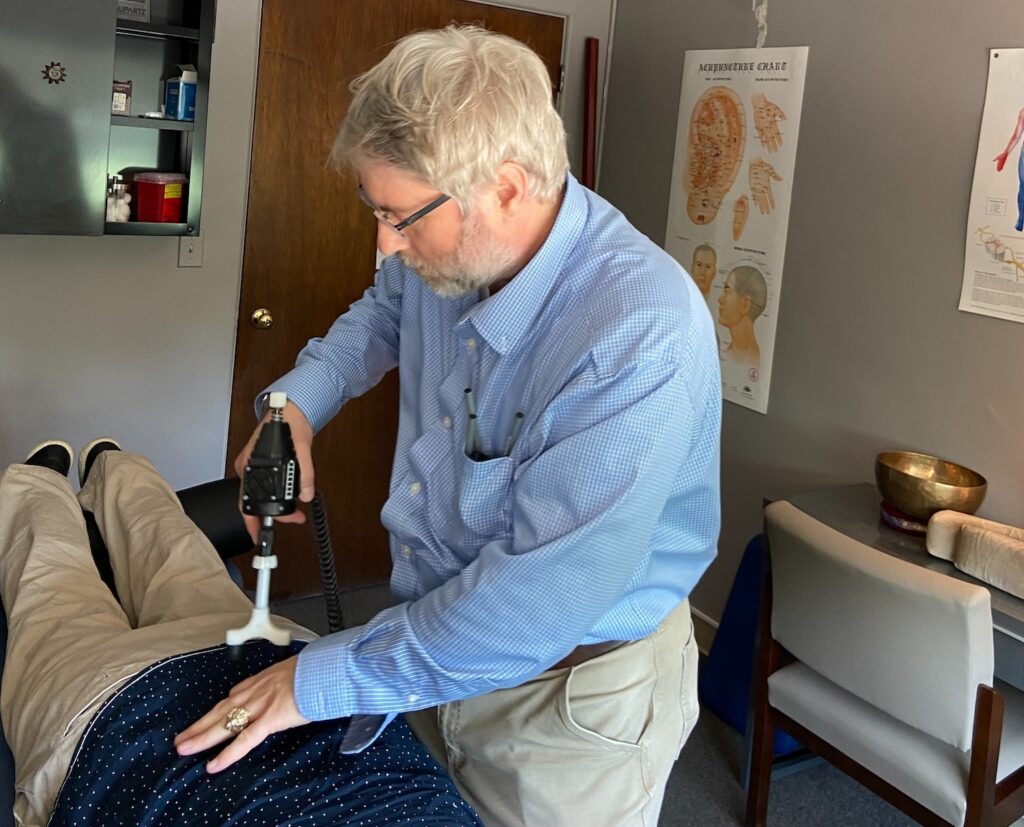

If you’re experiencing the challenges of fibromyalgia, you may be on the lookout for effective methods to alleviate your symptoms. Chiropractic care could be a game-changer for you, as it focuses on both your physical discomfort and emotional well-being. By utilizing techniques such as spinal adjustments and holistic practices, chiropractic care aims to enhance your overall quality of life.
So, how does chiropractic care work for fibromyalgia? The spine plays a crucial role in your nervous system, which controls pain signals throughout your body. When your spine is misaligned, it can lead to increased pain and discomfort. Chiropractic adjustments help to realign your spine, which can reduce pain and improve your body’s natural healing abilities.
Additionally, chiropractic care encourages a holistic approach to health. This means that alongside spinal adjustments, I will provide guidance on lifestyle changes, nutrition, and stress management techniques. These practices can help you manage your fibromyalgia symptoms more effectively and promote a healthier, more balanced life.
Before you start chiropractic care, here are a few tips to consider:
- Consult with a Chiropractor: Schedule a consultation to discuss your symptoms and medical history. This will help tailor a treatment plan specifically for you.
- Stay Open-Minded: Be willing to explore different chiropractic techniques, as each individual may respond differently to various forms of care.
- Complementary Practices: Incorporate other healthy habits into your routine, such as gentle exercises like stretching or yoga, which can further support your treatment.
- Prioritize Self-Care: Focus on nurturing your mental and emotional health. Practices like mindfulness or meditation can help reduce stress and enhance your overall well-being.
In conclusion, chiropractic care offers a natural and effective way to manage fibromyalgia symptoms. By focusing on restoring spinal alignment and promoting overall health, you can take significant steps toward achieving pain relief and improved wellness. Remember, your journey to health is unique, and chiropractic care can be a powerful ally in that journey.
Key Takeaways
Chiropractic care plays a vital role in managing fibromyalgia by focusing on the health of your spine and nervous system. When your spine is aligned properly, it can help alleviate pain and enhance your overall well-being. Many people with fibromyalgia find that regular chiropractic adjustments not only reduce their discomfort but also improve their sleep quality and mental clarity, addressing some of the most common symptoms associated with this condition.
Taking a holistic approach is key. Chiropractic care goes beyond just spinal adjustments; it encompasses stress management techniques and nutritional guidance to support the complex nature of fibromyalgia. Each person responds differently to treatment, which is why it’s important to have open conversations with your chiropractor. This way, we can tailor your care to meet your individual needs and maximize your healing journey.
In addition to chiropractic adjustments, incorporating self-care practices can make a significant difference. Gentle exercises, such as walking or stretching, along with a balanced diet rich in whole foods, can complement your chiropractic care and promote your overall health. Remember, the goal is to empower you to take charge of your health naturally and effectively.
If you’re looking for a natural way to relieve pain and enhance your well-being, consider chiropractic care as a foundational step towards achieving optimal health. Together, we can work towards a healthier, pain-free life!
Understanding Fibromyalgia: Symptoms and Challenges
Fibromyalgia is a complex condition that affects millions, leading to widespread pain and fatigue. If you’re experiencing this disorder, you may find yourself facing a variety of symptoms, such as sleep disturbances, cognitive difficulties, and an increased sensitivity to pain. This can make daily tasks feel overwhelming, as chronic exhaustion and discomfort weigh heavily on your body and mind.
Stress, weather changes, and physical activity can often worsen your symptoms, making it challenging to maintain a consistent routine. The unpredictable nature of fibromyalgia can lead to feelings of frustration and isolation, as it may seem like others don’t understand what you’re going through.
While managing fibromyalgia involves addressing pain, it’s also about navigating the emotional and psychological challenges that accompany it. This is where chiropractic care can play a pivotal role. By focusing on spinal health and overall wellness, chiropractic adjustments can help alleviate pain, improve sleep quality, and enhance mental clarity—all essential for those living with fibromyalgia.
Here are some general tips to help you manage your symptoms while supporting your health:
- Stay Active: Gentle exercises like walking, swimming, or yoga can help reduce pain and improve your mood. Movement is key!
- Prioritize Sleep: Establish a calming bedtime routine and create a comfortable sleep environment to enhance the quality of your rest.
- Practice Stress Management: Techniques such as mindfulness, meditation, or deep breathing can help reduce stress and its impact on your symptoms.
- Seek Chiropractic Care: Regular chiropractic adjustments can help align your spine, reduce tension, and promote natural healing in your body, providing relief from fibromyalgia symptoms.
- Stay Hydrated and Nourished: Eating a balanced diet and staying hydrated can improve your overall well-being and energy levels.
You’re not alone in this journey, and there’s hope for a better quality of life. Embracing chiropractic care and these lifestyle adjustments can be empowering steps toward regaining control over your health. Remember, you deserve to feel your best!
The Principles of Chiropractic Care
Chiropractic care is centered on the belief that a well-aligned spine is crucial for your overall health and well-being. This approach highlights the vital connection between the spine and the nervous system, suggesting that misalignments can lead to a variety of health issues. By gently adjusting the vertebrae, chiropractors aim to restore balance and function within your body, helping you feel your best.
| Principle | Description | Benefits |
|---|---|---|
| Spinal Alignment | Correcting misalignments to promote optimal health | Enhances nerve function |
| Holistic Approach | Viewing the body as a whole for comprehensive care | Boosts overall well-being |
| Patient-Centered Care | Tailoring care to meet individual needs | Customized treatment plans |
Understanding these principles allows you to see how chiropractic care can be a game-changer in your health journey. By restoring balance to your spine, you’re not just addressing pain; you’re also supporting your body’s natural healing processes.
Here are some practical tips for maintaining a healthy spine and overall well-being at home:
- Stay Active: Engage in regular physical activity, such as walking, stretching, or yoga, to keep your spine flexible and strong.
- Practice Good Posture: Be mindful of your posture when sitting, standing, or lifting. Proper alignment can prevent unnecessary strain on your spine.
- Ergonomic Setup: If you work at a desk, ensure your workstation is ergonomically designed to support your spine. Use a chair that offers lumbar support and keep your computer screen at eye level.
- Stay Hydrated: Drinking plenty of water helps keep your discs hydrated and supports your overall health.
- Limit Stress: Stress can lead to tension in your body. Incorporate relaxation techniques, such as deep breathing or meditation, into your daily routine.
How Chiropractic Adjustments Can Alleviate Fibromyalgia Symptoms
Living with the widespread pain and fatigue that often comes with fibromyalgia can be challenging. If you’re looking for effective relief, chiropractic adjustments may provide a natural and holistic path to alleviate these symptoms. By focusing on spinal alignment, chiropractors work to improve your overall body function, which can help reduce muscle tension and enhance circulation. This can lead to less pain and increased energy levels, allowing you to enjoy life more fully.
One of the key benefits of chiropractic care is its ability to restore proper nerve function, which is crucial for managing fibromyalgia symptoms. When your spine is aligned correctly, you may experience a decrease in stiffness and an improvement in your range of motion. Many patients also report feeling more relaxed and less anxious after their chiropractic sessions, contributing to a greater sense of overall well-being.
Incorporating chiropractic care into your daily routine could be a powerful step towards taking control of your fibromyalgia symptoms. Here are a few tips to help you get started:
- Stay Consistent: Regular chiropractic visits can help maintain spinal alignment and support your body’s healing process.
- Practice Relaxation Techniques: Activities like deep breathing, yoga, or meditation can complement chiropractic care by reducing stress and tension.
- Stay Active: Gentle exercises, like walking or stretching, can help improve your flexibility and reduce pain. Always consult with your chiropractor for personalized recommendations.
- Listen to Your Body: Pay attention to how your body responds to different activities and adjust accordingly. Rest is just as important as movement.
The Importance of a Holistic Approach in Treatment
Taking a holistic approach to treating fibromyalgia is crucial for achieving lasting relief and enhancing your overall well-being. This means looking beyond just your physical symptoms and considering your emotional, mental, and social health. By addressing all aspects of your life, you can create a more balanced and effective treatment plan, with chiropractic care at the center.
Chiropractic adjustments can play a vital role in your recovery by helping to alleviate pain, improve mobility, and restore function. These adjustments work to align your spine properly, which can have a profound impact on your nervous system and overall health. When your spine is in alignment, your body can function optimally, allowing you to manage fibromyalgia symptoms more effectively.
In addition to chiropractic care, incorporating therapies such as massage and gentle exercise can further enhance your healing journey. These treatments complement chiropractic adjustments, working together to reduce pain and improve your quality of life. Remember, physical activity doesn’t have to be strenuous; even simple stretching or walking can be beneficial.
Practicing stress management techniques like meditation or yoga can also help you cope with the emotional challenges of fibromyalgia. These practices not only calm your mind but can also improve your body’s response to pain.
Nutrition is another key component of a holistic approach. Eating a balanced diet rich in whole foods can boost your energy levels and support your body’s healing processes. Focus on incorporating plenty of fruits, vegetables, lean proteins, and whole grains into your meals. Staying hydrated is equally important, so make sure you’re drinking enough water throughout the day.
By embracing this comprehensive approach and prioritizing chiropractic care, you’re more likely to find relief and regain control over your life. Remember, every individual is different, so tailor your treatment plan to meet your unique needs.
Considerations and Potential Risks of Chiropractic Care for Fibromyalgia
While a holistic approach, such as chiropractic care, can be incredibly beneficial for managing fibromyalgia, it’s important to be aware of some considerations and potential limitations. Many patients find significant relief from their symptoms through chiropractic adjustments and natural healing practices. However, it’s essential to communicate openly with your chiropractor about your specific condition and any concerns you may have to ensure the best outcomes.
Here’s a simplified overview of what to keep in mind:
| Consideration | Description | Impact on Treatment |
|---|---|---|
| Individual Variability | Everyone responds differently to chiropractic care. | Your results may vary from others. |
| Pre-existing Conditions | Some health issues may require special attention. | It’s important to disclose all conditions to your chiropractor. |
| Technique Sensitivity | Different techniques may work better for different people. | Your chiropractor will tailor the approach to fit your needs. |
| Frequency of Visits | Finding the right balance in treatment frequency is key. | Too many visits may lead to unnecessary fatigue, while too few might not provide the relief you need. |
| Cost and Accessibility | Regular visits can be a financial commitment, so it’s good to plan. | Discuss with your chiropractor about flexible plans or options that fit your budget. |
Always consider these factors when thinking about chiropractic care for fibromyalgia. Here are some general tips to enhance your experience:
- Stay Informed: Educate yourself about your condition and treatment options. Knowledge empowers you to make better choices.
- Open Communication: Share your symptoms and any changes with your chiropractor. This helps them adjust your treatment plan as needed.
- Practice Self-Care: Complement your chiropractic visits with healthy habits like gentle exercise, balanced nutrition, and stress management techniques.
- Listen to Your Body: Pay attention to how your body responds to treatment. If something doesn’t feel right, let your chiropractor know.
Chiropractic care focuses on natural healing and can be a powerful ally in your journey towards optimal health and wellness. Embrace this holistic approach, and together we can work towards achieving relief and improving your quality of life.
Conclusion
In summary, chiropractic care plays a crucial role in managing fibromyalgia and can be an excellent choice for those seeking natural pain relief and improved overall wellness. By focusing on spinal adjustments and holistic practices, chiropractic care addresses not only the physical discomfort associated with fibromyalgia but also supports emotional well-being, which is essential for enhancing your quality of life.
With regular chiropractic adjustments, many individuals report experiencing significant relief from symptoms such as widespread pain, fatigue, and stiffness. These adjustments help to align the spine, improve mobility, and promote better communication between the brain and body, which can help alleviate some of the challenges that come with fibromyalgia.
It’s important to work closely with your chiropractor to develop a personalized treatment plan that caters to your unique needs. This tailored approach ensures that you receive the most effective care for managing your fibromyalgia symptoms.
In addition to chiropractic adjustments, here are some general tips to support your journey towards better health:
- Stay Active: Gentle exercises such as walking, swimming, or yoga can help improve mobility and reduce pain. Always consult with your chiropractor before starting a new exercise routine.
- Practice Stress Management: Techniques like deep breathing, meditation, or mindfulness can aid in reducing stress, which often exacerbates fibromyalgia symptoms.
- Prioritize Sleep: Ensure you get enough restorative sleep, as fatigue can significantly impact your well-being. Establishing a calming bedtime routine can help.
- Maintain a Balanced Diet: Nourishing your body with healthy foods can contribute to overall wellness. Focus on whole, unprocessed foods rich in nutrients.
- Stay Hydrated: Drinking plenty of water can help your body function optimally and may assist in reducing fatigue and discomfort.
By incorporating these practices alongside your chiropractic care, you can take significant steps toward managing fibromyalgia more effectively and achieving a healthier, more fulfilling life. Remember, chiropractic care is a powerful ally in your journey to optimal health, and I’m here to support you every step of the way!