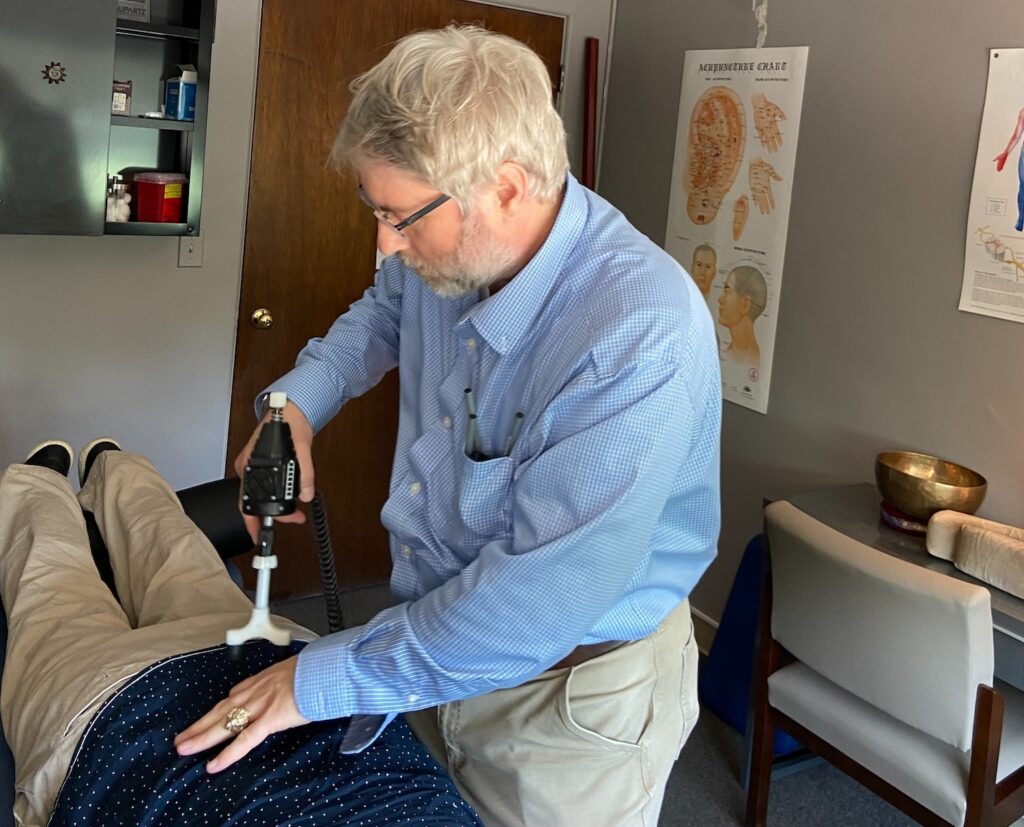

If you’re feeling overwhelmed by stress, you might be curious about non-invasive relief methods. One of the most effective approaches to consider is chiropractic care. This natural healing technique not only addresses physical discomfort but also promotes mental well-being by enhancing the connection between your body and mind.
Chiropractic care focuses on spinal health, which is essential for overall wellness. Misalignments in the spine can contribute to stress and tension in the body. By realigning your spine, chiropractic adjustments can help alleviate physical stress, improve your posture, and enhance your body’s ability to handle stress effectively.
In addition to chiropractic care, incorporating mindfulness practices into your routine can further enhance your relaxation and stress management. Simple techniques like deep breathing, meditation, and gentle stretching can complement your chiropractic sessions, promoting a sense of calm and clarity.
The benefits of integrating chiropractic care and mindfulness practices into your daily life are numerous. You can expect to experience reduced tension, improved mood, better sleep, and an overall sense of well-being. These methods empower you to take control of your stress without relying on medications or invasive procedures.
Here are some general tips to help you get started on your journey to a stress-free life:
- Schedule Regular Chiropractic Visits: Regular adjustments can help maintain spinal health and reduce stress levels.
- Practice Mindfulness Daily: Set aside a few minutes each day for mindfulness exercises to enhance relaxation.
- Stay Active: Engage in regular physical activity, as it can significantly reduce stress and improve your mood.
- Eat Well: A balanced diet supports your body’s natural healing processes and can help you cope better with stress.
- Stay Hydrated: Drinking enough water is crucial for maintaining energy levels and overall health.
By prioritizing chiropractic care and incorporating these simple practices into your daily routine, you can achieve optimal health and experience lasting relief from stress. Remember, taking care of your spine is a key step in taking care of your overall well-being.
Key Takeaways
Non-invasive stress relief methods, particularly chiropractic care, offer a natural and effective way to promote relaxation and enhance your overall wellness without the need for medications or surgeries. By focusing on spinal health, chiropractic adjustments can help relieve tension in your body, leading to reduced stress levels and improved mood.
Engaging in regular physical activity is another fantastic way to boost your endorphins, which are your body’s natural mood lifters. Not only does exercise help you feel more relaxed, but it also supports better posture and flexibility—key components of a healthy spine.
Incorporating mindfulness and meditation techniques into your daily routine can foster emotional resilience and mental clarity. These practices, when combined with chiropractic care, enable you to manage stress more effectively, allowing you to face daily challenges with a clear mind.
Yoga is another excellent tool for stress relief. It combines physical movement with mental focus, helping to alleviate tension in both your body and mind. When paired with chiropractic adjustments, yoga can enhance the benefits of both practices, leading to a more balanced and stress-free life.
Creating a personalized stress relief routine that includes chiropractic care encourages consistency and addresses your unique triggers. This tailored approach can lead to improved mental well-being and spinal health, allowing you to live a more vibrant life.
Remember, prioritizing your spinal health through chiropractic care is one of the best choices you can make for natural wellness and pain relief. With these simple practices, you can take control of your stress levels and enhance your overall quality of life.
Understanding Stress and Its Impact on Health
When you experience stress, it can significantly impact your overall health, and as a chiropractor, I want to help you understand how to manage it effectively. Stress isn’t just about feeling overwhelmed; it triggers various physical reactions in your body. You may notice an increase in your heart rate, a rise in blood pressure, and even a weakening of your immune system. Common symptoms can include headaches, digestive issues, and sleep disturbances.
It’s essential to recognize that chronic stress can lead to serious health problems, including heart disease and anxiety disorders. Understanding how stress affects you is crucial for your well-being. It can cloud your judgment, affect your relationships, and make decision-making challenging. You might find yourself feeling irritable or more fatigued than usual. By recognizing these signs, you empower yourself to take action.
One effective way to manage stress is through chiropractic care. Regular adjustments can help alleviate physical tension in your body, reduce pain, and promote relaxation. This natural approach can enhance your body’s ability to cope with stress, leading to improved overall health.
Additionally, consider incorporating gentle exercises, deep breathing techniques, and mindfulness practices into your daily routine. These strategies can help you manage stress more effectively and support your spinal health.
Prioritizing stress management and caring for your spine is essential for a balanced, healthier life. Remember, chiropractic care is a powerful tool for achieving optimal health and wellness. If you’re feeling the effects of stress, don’t hesitate to reach out for support. Together, we can work towards a healthier, more vibrant you.
The Principles of Non-Invasive Stress Relief
When it comes to non-invasive stress relief, incorporating chiropractic care into your wellness routine can be incredibly beneficial. Understanding mindfulness and meditation techniques is important, but combining these practices with chiropractic adjustments can enhance your overall well-being. Chiropractic care helps align your spine, which can improve your body’s ability to manage stress and promote relaxation.
Additionally, exploring breathwork and relaxation strategies can complement your chiropractic visits. Simple techniques like deep breathing can calm your mind and body, while regular chiropractic adjustments can alleviate physical tension that often contributes to stress.
Remember, the goal is to empower yourself to take control of your stress levels in a natural way. By prioritizing chiropractic care, you’re choosing a path towards optimal health that doesn’t rely on medications or surgeries.
It’s all about fostering a healthier lifestyle where you can experience the benefits of pain relief and natural wellness. So, whether it’s through regular adjustments, practicing mindfulness, or engaging in calming breathwork, you’re taking important steps toward managing stress effectively.
Mindfulness and Meditation Techniques
Life can often be overwhelming, and stress can take a toll on your overall health, including your spine. That’s where mindfulness and meditation techniques can come into play as powerful tools for maintaining your well-being. By focusing on the present moment, you can create a mental space that helps reduce the tension that can build up in your body, particularly in your back and neck.
Start with simple mindfulness practices, such as concentrating on your breath or taking a moment to observe your surroundings without judgment. These techniques can help ground you, offering relief from everyday stressors and promoting a sense of calm that’s beneficial for your spinal health.
Meditation can be particularly effective for deeper relaxation. Just a few minutes each day spent sitting quietly with your eyes closed can work wonders. Allow your thoughts to come and go without clinging to them. This practice not only promotes relaxation but can also enhance your emotional resilience and mental clarity, making it easier to handle life’s challenges—especially those that may cause physical discomfort or pain.
Incorporating chiropractic care into your routine can further enhance the benefits of mindfulness and meditation. Regular adjustments can help maintain proper spinal alignment, alleviate pain, and support your overall wellness journey. Remember, a healthy spine is crucial for a balanced mind and body.
Here are some quick tips to help you on your wellness journey:
- Practice Deep Breathing: Take a few moments each day to focus on deep, slow breaths. This can help reduce tension in your spine and promote relaxation.
- Stay Active: Gentle exercises, such as stretching or walking, can help keep your spine healthy and alleviate stress.
- Mindful Posture: Pay attention to your posture throughout the day. Sit and stand tall to support your spine and reduce strain.
- Regular Chiropractic Visits: Make chiropractic care a part of your routine to help address any spinal issues and maintain overall health.
Breathwork and Relaxation Strategies
Breathwork and relaxation strategies are invaluable tools for managing stress and enhancing your overall well-being, especially when paired with chiropractic care. By focusing on your breath, you can quickly shift your state of mind and alleviate tension, which complements the benefits of spinal adjustments. Techniques such as deep diaphragmatic breathing can help lower cortisol levels, promoting a sense of calm that supports your body’s natural healing process.
Additionally, you might explore progressive muscle relaxation, where you tense and then release muscle groups. This method allows your body to unwind, further enhancing the effects of chiropractic adjustments.
By incorporating these practices into your daily routine, which only takes a few minutes, you can experience significant improvements in your mood and resilience.
To get started, find a quiet space, close your eyes, and tune into your breath. This simple yet powerful technique can empower you to navigate stress more effectively and cultivate a sense of peace, complementing your journey toward optimal health through chiropractic care.
Mindfulness and Its Role in Stress Reduction
Mindfulness plays an essential role in reducing stress, and it can be a valuable complement to chiropractic care. By helping you stay present and focused, mindfulness techniques can enhance the healing process and promote overall well-being. Incorporating practices like meditation and breathing exercises into your daily routine can cultivate a sense of calmness and clarity, which is crucial for maintaining a healthy spine and nervous system.
As a chiropractor, I believe that stress can often lead to tension and discomfort in the body, particularly in the muscles and spine. By managing stress through mindfulness, you can support your body’s natural healing processes and improve your overall health.
Here are some simple tips to integrate mindfulness into your life:
- Start with Your Breath: Take a few moments each day to focus on your breathing. Inhale deeply through your nose, hold for a moment, and then exhale slowly through your mouth. This can help reduce tension and bring your mind back to the present.
- Mindful Movement: Incorporate gentle stretches or yoga into your routine. This not only helps alleviate physical discomfort but also encourages mindfulness as you focus on how your body feels during each movement.
- Gratitude Journaling: Spend a few minutes each day writing down things you’re grateful for. This practice can shift your mindset, reduce stress, and improve your overall outlook on life.
- Regular Chiropractic Visits: Alongside mindfulness practices, regular chiropractic care can address any underlying physical issues contributing to your stress. By keeping your spine aligned and your nervous system functioning optimally, you can experience greater health and well-being.
By integrating mindfulness into your life and complementing it with chiropractic care, you can effectively manage stress and promote natural healing.
Mindfulness Techniques Overview
When you practice mindfulness, you engage in techniques that can greatly reduce stress and enhance your overall well-being, especially when it comes to spinal health. These methods help you stay present and focused, allowing you to manage stress more effectively, which is crucial for maintaining a healthy spine.
Here are three popular mindfulness techniques you can try, all of which can complement your chiropractic care:
- Breath Awareness: Focus on your breathing by taking slow, deep breaths. Notice the sensation of air filling your lungs and then gently releasing it. This practice not only grounds you in the moment but can also help relax the muscles around your spine, promoting better alignment and reduced tension.
- Body Scan: Conduct a mental scan of your body from head to toe, paying special attention to areas of tension, particularly in your back and neck. Acknowledging these sensations can help you connect with your physical state and release stress. This awareness can enhance the benefits of your chiropractic adjustments by encouraging you to maintain better posture and alignment throughout your day.
- Mindful Observation: Take a moment to observe your surroundings. Engage your senses by noticing the colors, sounds, and smells around you. This practice can help shift your focus away from stressors and create a calming environment, supporting your overall wellness. A peaceful mindset can further enhance your healing journey with chiropractic care.
By incorporating these mindfulness techniques into your daily routine, you can support not only your mental well-being but also your spinal health.
Benefits of Meditation Practices
Many people find that incorporating meditation practices into their daily lives can be incredibly beneficial for managing stress and enhancing overall well-being, especially when paired with the holistic approach of chiropractic care.
By integrating mindfulness meditation into your routine, you can cultivate greater awareness of your thoughts and emotions. This awareness allows you to respond to stressors in a more thoughtful way, which aligns perfectly with the principles of chiropractic care that emphasize a balanced mind and body.
Meditation promotes relaxation, which can help lower your heart rate and reduce anxiety—a great complement to the pain relief and natural healing that chiropractic care provides.
As you focus on the present moment through meditation, you’ll likely notice a decrease in racing thoughts and worries. This mental clarity can enhance the benefits of chiropractic adjustments, leading to improved emotional resilience and a better ability to handle daily challenges.
By embracing meditation alongside regular chiropractic visits, you can work towards a healthier, more balanced life.
Here are some simple tips to get started:
- Set Aside Time: Dedicate a few minutes each day to practice mindfulness meditation. You can start with just five minutes and gradually increase the duration.
- Create a Calm Space: Find a quiet and comfortable spot where you can sit or lie down without distractions.
- Focus on Your Breath: Pay attention to your breathing. Inhale deeply and exhale slowly, allowing your body to relax.
- Stay Present: If your mind wanders, gently bring your focus back to your breath and the sensations in your body.
- Combine with Chiropractic Care: Consider scheduling regular chiropractic appointments to further support your overall health and well-being.
Breathing Exercises for Calmness
Incorporating breathing exercises into your daily routine can be a powerful way to manage stress and promote a sense of calm, which is essential for maintaining overall health and wellness.
As a chiropractor, I recognize that stress can lead to tension in the body, particularly in the spine. By practicing these simple techniques, you can help alleviate that tension and reconnect with the present moment, enhancing both your mental and physical wellbeing.
Here are three easy breathing exercises you can try at home:
- Deep Belly Breathing: Find a comfortable position, either sitting or lying down. Inhale deeply through your nose, allowing your belly to expand like a balloon. As you exhale slowly through your mouth, feel your body relax. Repeat this for five minutes. This technique not only calms your mind but also helps release tension in your spine.
- 4-7-8 Technique: Inhale quietly through your nose for a count of four. Hold your breath for a count of seven, and then exhale completely through your mouth for a count of eight. This method can help calm your nervous system, making it easier for you to manage stress and maintain spinal health.
- Box Breathing: This technique involves a rhythmic pattern that can aid in focus and relaxation. Inhale for four counts, hold your breath for four counts, exhale for four counts, and then hold again for four counts. This practice can help reduce anxiety and promote a more relaxed state, which is beneficial for both your mind and spine.
By integrating these breathing exercises into your daily routine, you can create a sanctuary of calmness amidst the chaos of life.
Remember, chiropractic care is a natural and effective way to support your overall health and manage pain. Regular adjustments can help keep your spine aligned and your body functioning optimally, enhancing the benefits of these breathing techniques.
Prioritize your wellness today, and consider chiropractic care as a vital component of your health journey.
Benefits of Meditation for Mental Clarity
In our busy lives, it’s easy to feel overwhelmed, but meditation can be a fantastic tool to enhance your mental clarity and overall wellness. When you take a moment to meditate, you’re not just giving your mind a break; you’re creating an opportunity to focus and unwind. This practice allows you to step back from the daily chaos and gain a clearer perspective on your thoughts and feelings.
Incorporating meditation into your routine can complement your chiropractic care. As your spine aligns and your body heals, meditation can help you concentrate better on tasks and make clearer decisions. You may notice that your mind feels less cluttered, which can improve your problem-solving skills.
Plus, meditation encourages mindfulness, allowing you to stay present and aware, which is essential for maintaining a healthy lifestyle. As you develop your mental clarity through meditation, you might also find that anxiety and stress levels decrease. These feelings can cloud your judgment and affect your overall health.
When combined with regular chiropractic adjustments, meditation can enhance your focus and cognitive abilities, helping you approach life’s challenges with a clearer mind.
Here are a few simple tips to get started with meditation:
- Find a Quiet Space: Choose a comfortable and peaceful spot where you won’t be disturbed.
- Start Small: Begin with just a few minutes each day and gradually increase the time as you feel more comfortable.
- Focus on Your Breath: Pay attention to your breathing; this can help center your thoughts and bring you back to the present moment.
- Be Consistent: Try to meditate at the same time each day to build a habit.
The Power of Yoga in Relieving Tension
Yoga isn’t just about flexibility; it can also provide significant physical benefits that help alleviate tension in your body. As you engage in regular yoga practice, you may experience an increase in mental clarity, leading to a greater sense of being centered and focused.
While yoga is a fantastic tool for managing stress, it’s important to remember that chiropractic care plays a crucial role in achieving optimal health and wellness.
As a chiropractor, I often see the profound effects that spinal alignment has on overall well-being. When your spine is in proper alignment, it can enhance the effectiveness of your yoga practice, allowing you to move more freely and comfortably. This can lead to a more rewarding experience and better results in relieving tension.
To maximize the benefits of both yoga and chiropractic care, consider the following tips:
- Regular Adjustments: Incorporate chiropractic adjustments into your wellness routine. Adjustments can help maintain spinal health and improve your posture, which is essential for performing yoga poses correctly.
- Mindful Breathing: While practicing yoga, focus on your breath. Deep, mindful breathing can help calm the nervous system and reduce stress, complementing the physical benefits of chiropractic care.
- Listen to Your Body: Pay attention to how your body feels during and after yoga. If you experience discomfort, it may be a sign that you need to consult with a chiropractor to address any underlying issues.
- Combine Practices: Consider integrating chiropractic care with your yoga practice. This combination can enhance your overall wellness journey, providing a holistic approach to health.
- Stay Consistent: Whether it’s yoga or chiropractic visits, consistency is key. Regular practice and care can help you maintain a balanced and healthy lifestyle.
By embracing both yoga and chiropractic care, you can effectively manage stress and tension in your daily life, leading to a healthier, more vibrant you.
Physical Benefits of Yoga
As you move through various yoga poses, you’ll discover how this practice can significantly reduce physical tension in your body. While yoga enhances flexibility and promotes relaxation, it’s also important to consider how chiropractic care complements these benefits for optimal health.
Here are three key physical benefits of yoga that can be further enhanced through regular chiropractic adjustments:
- Improved Flexibility: Engaging in yoga regularly helps lengthen your muscles and expand your range of motion. This not only makes daily activities easier but also aids in reducing the risk of injury. Coupled with chiropractic care, which ensures your spine is properly aligned, you can experience even greater results in your flexibility.
- Enhanced Posture: Yoga strengthens your core and promotes proper spinal alignment, which can alleviate back pain and improve your overall posture. Regular chiropractic adjustments can further support this by addressing any misalignments in your spine, enhancing your posture even more effectively.
- Increased Strength: Many yoga poses require you to support your body weight in various ways, building strength throughout your limbs and core. However, if your spine is misaligned, it can limit your ability to fully engage your muscles. Chiropractic care helps ensure your body is functioning optimally, allowing you to gain maximum strength from your yoga practice.
By embracing the benefits of yoga and incorporating chiropractic care into your wellness routine, you’ll not only feel more physically at ease but also be better prepared to face daily challenges.
Mental Clarity Through Practice
While physical benefits like improved flexibility and enhanced posture are important, the mental clarity gained through practices like yoga can be truly transformative. When you step onto your mat, you create a space to focus inward, promoting mindfulness that helps clear racing thoughts and reduce anxiety. This clarity allows you to approach daily challenges with a fresh perspective.
By synchronizing your breath with movement, you’re not only enhancing your physical health but also cultivating awareness that can lead to better decision-making and greater creativity. Regular practice sharpens your concentration, enabling you to stay present and engaged in your daily life.
However, it’s essential to remember that achieving optimal health goes beyond just yoga. Chiropractic care plays a vital role in supporting your overall well-being. By addressing spinal alignment and ensuring that your nervous system functions optimally, chiropractic care can help alleviate tension and stress, which in turn enhances your mental clarity.
Incorporating chiropractic adjustments into your wellness routine can help you maintain a healthy spine, which is crucial for both physical and mental health.
Consider scheduling regular visits to your chiropractor, and don’t forget simple tips for daily wellness: practice good posture, take breaks to stretch, and stay hydrated.
Deep Breathing Techniques for Instant Calm
When stress catches you off guard, deep breathing techniques can serve as an excellent tool for achieving instant calm. By concentrating on your breath, you can effectively reset both your mind and body, enhancing your overall well-being.
Here are three simple and effective techniques to incorporate into your daily routine, which can complement your chiropractic care for optimal health:
- 4-7-8 Breathing: Start by inhaling deeply through your nose for a count of four seconds. Hold that breath for seven seconds, and then exhale slowly through your mouth for eight seconds. This method can be repeated four times and is a great way to help ease tension in your spine and promote relaxation.
- Diaphragmatic Breathing: Find a comfortable position, either sitting or lying down. Place one hand on your chest and the other on your abdomen. As you inhale deeply through your nose, focus on allowing your belly to rise rather than your chest. Exhale through your mouth, paying attention to the gentle rise and fall of your belly. This technique not only calms your mind but can also enhance your posture, which is vital for spinal health.
- Box Breathing: Inhale for four seconds, hold your breath for four seconds, exhale for four seconds, and then hold again for four seconds. Repeat this cycle four times. Box breathing helps to create a sense of balance and can be particularly beneficial in managing stress that may contribute to discomfort in the body.
Incorporating these breathing techniques into your daily life can help you regain focus and alleviate stress in just moments.
Remember, prioritizing your breath is a natural and effective way to promote wellness, and when combined with regular chiropractic care, you can achieve a more balanced and healthier lifestyle.
Always listen to your body and consider how these practices can enhance your journey toward optimal health.
The Importance of Physical Activity in Stress Management
Incorporating physical activity into your daily routine is an effective way to manage stress and promote overall wellness, and as a chiropractor, I can’t emphasize enough how important this is for your spine and overall health. Engaging in exercise triggers the release of endorphins, the feel-good hormones that can lift your mood and help you feel more relaxed.
Whether it’s a brisk walk, a gentle yoga session, or a fun dance class, moving your body not only distracts you from stressors but also supports spinal health by promoting better posture and flexibility.
You don’t have to spend hours working out; even short bursts of movement can be beneficial. Aim for at least 30 minutes of activity each day, and choose exercises that you enjoy to make it easier to stick with your routine.
Remember, regular physical activity strengthens your muscles and supports your spine, making it easier to withstand daily stressors and discomfort.
By prioritizing movement, you empower yourself to tackle challenges with a clearer mind and a stronger spirit.
Plus, chiropractic care can further enhance your physical activity by ensuring your spine is aligned and functioning optimally, reducing discomfort and promoting better movement patterns.
Creating a Relaxing Environment for Stress Relief
Creating a relaxing environment is vital for effective stress relief, especially when it comes to supporting your overall health and wellness. The space around you can significantly influence your mood and mindset, which is essential for maintaining a healthy spine and body.
Here are three key elements to consider when cultivating a soothing atmosphere:
1. Lighting: Choose soft, ambient lighting to create a calming environment. Dimmed lights or candles can help to reduce stress levels and promote relaxation, making it easier for your body to heal naturally. A well-lit space can also enhance your mood, which is crucial for overall well-being.
2. Nature Elements: Incorporating plants or natural materials into your environment can provide numerous benefits. Greenery not only improves the aesthetics of your space but also enhances air quality and fosters a sense of calm, which can be especially beneficial for your spinal health.
Being close to nature has been shown to reduce stress, leading to a more relaxed state conducive to healing.
3. Soundscapes: Gentle music or nature sounds in the background can help drown out distractions and create a peaceful atmosphere. This auditory environment encourages relaxation and focus, allowing your body to recover from daily stresses.
Incorporating sound can also enhance your chiropractic care experience by promoting a tranquil mindset.
By focusing on these elements, you can create a nurturing space that supports your health and well-being.
The Role of Nutrition in Managing Stress Levels
While many people may not realize it, nutrition plays a vital role in managing stress levels and overall wellness. What you eat can significantly influence how you feel both physically and emotionally. By adopting a balanced diet, you can enhance your mood and energy levels, making it easier to tackle the stressors of daily life. This is especially important for those looking to maintain a healthy spine and support their chiropractic care journey.
Here’s a quick look at some foods that can help alleviate stress and support your well-being:
| Food Type | Benefits | Examples |
|---|---|---|
| Omega-3 Fatty Acids | Helps reduce anxiety and promote brain health | Salmon, walnuts |
| Antioxidants | Protects against stress-related damage and supports overall health | Berries, dark chocolate |
| Complex Carbohydrates | Boosts serotonin levels, which can improve mood | Whole grains, oats |
| Magnesium-rich Foods | Helps regulate cortisol levels, reducing stress | Spinach, almonds |
Incorporating these foods into your diet can complement your chiropractic care by promoting a healthier spine and body. Remember, a well-nourished body is better equipped to handle stress and pain.
Here are some simple tips to enhance your nutrition for stress management:
- Eat Regularly: Keeping your blood sugar stable can help maintain energy levels and mood. Try to eat small, balanced meals throughout the day.
- Stay Hydrated: Dehydration can lead to fatigue and irritability. Make sure to drink plenty of water.
- Mindful Eating: Pay attention to what you eat and how it makes you feel. Choose foods that nourish your body and support your chiropractic goals.
- Limit Processed Foods: Foods high in sugar and unhealthy fats can contribute to feelings of anxiety and stress. Opt for whole, nutrient-dense foods whenever possible.
Building a Personalized Stress Relief Routine
When you’re feeling overwhelmed by stress, creating a personalized stress relief routine can significantly enhance your well-being. Tailoring your approach not only ensures that the methods you choose resonate with you but can also help maintain a healthier spine and overall body function.
Here are three simple steps to help you build your own routine:
- Identify Triggers: Take a moment to reflect on what specifically stresses you out. It could be work deadlines, family obligations, or even physical discomfort. Understanding your triggers is essential, as stress can lead to tension in the spine and muscles, affecting your overall health.
- Choose Activities: Select stress relief activities that you genuinely enjoy and that promote wellness. This could include gentle activities like yoga, which can help improve flexibility and reduce tension in your back, or a relaxing walk in nature to clear your mind. The more you enjoy these activities, the more likely you’ll stick with them, helping your body and mind stay balanced.
- Set a Schedule: Consistency is key to achieving optimal health. Dedicate specific times each week for your stress relief routine. Regular practice not only prioritizes your mental well-being but also supports your spinal health, helping to prevent tension and discomfort.
Incorporating these steps into your life can lead you to a path of natural healing and improved wellness.
Conclusion
Incorporating non-invasive stress relief methods into your daily routine can significantly enhance your overall well-being, especially when combined with chiropractic care. By practicing mindfulness, engaging in physical activities, and focusing on nutrition, you empower yourself to manage stress effectively. Chiropractic adjustments are a fantastic way to support your body’s natural healing process, helping to alleviate tension and improve your mood.
Creating a relaxing environment at home, along with regular chiropractic visits, can make a world of difference. Consider setting aside time each day for mindfulness practices, such as deep breathing or meditation, and pair these with gentle exercises that promote spinal health, like yoga or stretching. Nutrition also plays a key role in stress management; nourish your body with whole foods that support your nervous system.
Building a personalized stress relief routine tailored to your needs, incorporating chiropractic care, can help you feel more resilient against life’s challenges. Embrace these holistic approaches, and you’ll not only relieve tension but also enhance your overall health and wellness. Remember, chiropractic care is an excellent choice for maintaining balance in your life naturally, without the need for medications or surgeries.