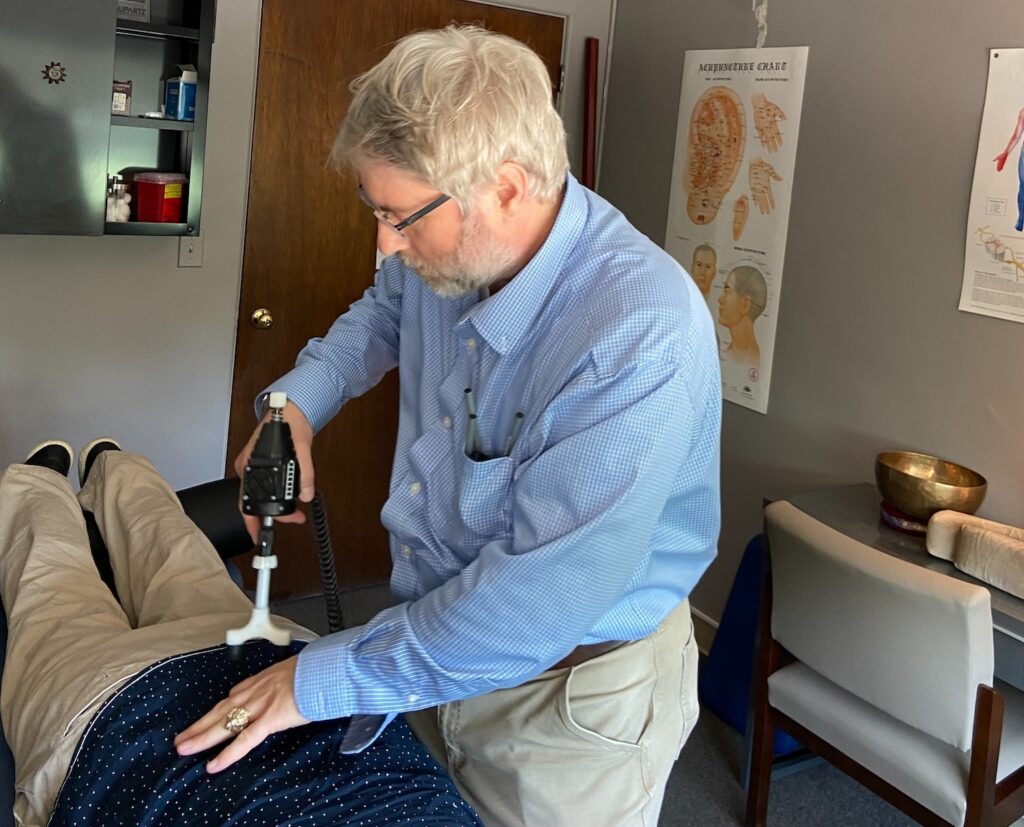

Chronic pain can be a difficult condition to manage, but there are natural and effective methods to help you regain control of your life. One of the most beneficial approaches is chiropractic care, which focuses on aligning the spine and improving overall body function. By addressing the root cause of your pain, chiropractic adjustments can provide significant relief and promote natural healing.
In addition to chiropractic care, incorporating mindfulness practices can help you manage stress and improve your overall well-being. Gentle exercises, such as yoga or stretching, can also enhance your flexibility and strengthen the muscles that support your spine.
Dietary changes can play a crucial role in managing chronic pain, too. Eating a balanced diet rich in anti-inflammatory foods can reduce pain and promote healing. Consider adding more fruits, vegetables, and omega-3 fatty acids to your meals as these can help combat inflammation.
Exploring herbal remedies and alternative therapies, such as acupuncture or massage, can offer additional relief and support your chiropractic treatment. These holistic approaches can work hand-in-hand with chiropractic care to enhance your overall health.
Curious about how to incorporate these strategies into your daily routine? Here are a few simple tips:
- Schedule regular chiropractic appointments to keep your spine aligned and functioning well.
- Practice mindfulness techniques, such as meditation or deep breathing, to help manage stress.
- Engage in gentle exercises that promote flexibility and strength, focusing on your core and back muscles.
- Eat a diet full of anti-inflammatory foods to support your overall health.
- Consider herbal supplements and alternative therapies as complementary options alongside your chiropractic care.
By combining chiropractic care with these natural methods, you can create a comprehensive approach to managing chronic pain and achieving optimal health. Let’s embark on this journey together towards a healthier, pain-free life!
Key Takeaways
- Practice mindfulness and meditation to shift your focus away from pain. These techniques can help you develop better coping mechanisms through relaxation and deep breathing, which can be beneficial in managing discomfort.
- Regular physical activity, such as walking, yoga, or swimming, is vital for maintaining strength and flexibility. These exercises can be tailored to avoid strain while promoting overall wellness. Remember, chiropractic care can help guide you on safe movements and exercises tailored to your unique needs.
- Incorporate anti-inflammatory foods into your diet, such as salmon and colorful fruits. These foods support overall health and can play a role in managing chronic pain. A balanced diet is essential, and your chiropractor can provide dietary tips that complement your treatment plan.
- Utilizing heat and cold therapy can be incredibly effective in relieving muscle tension and reducing inflammation. Simple methods, like a warm compress or an ice pack, can provide immediate relief and enhance your comfort levels.
- Explore natural remedies like turmeric and ginger, which have anti-inflammatory properties. Additionally, consider integrating chiropractic care into your wellness routine. Chiropractors can offer holistic approaches to pain relief, including adjustments and therapies that support your body’s natural healing processes.
By focusing on these natural methods and incorporating chiropractic care into your pain management strategy, you can work towards achieving optimal health and wellness. Remember, your chiropractor is here to help you navigate your journey to a pain-free life.
Mindfulness and Meditation
How can mindfulness and meditation transform your experience of chronic pain, and how does chiropractic care fit into the picture? Both mindfulness and meditation provide valuable tools to help you shift your focus away from discomfort and toward a healthier state of mind.
By incorporating mindfulness into your daily routine, you can learn to observe your thoughts and feelings without judgment. This practice allows you to see pain as just one aspect of your experience, rather than letting it define you.
Chiropractic care complements these practices by addressing the physical aspects of pain. Regular chiropractic adjustments help align your spine and improve your overall body function, which can lead to reduced tension and discomfort. When your body is in alignment, it can work more efficiently, making it easier to manage pain.
Meditation encourages relaxation and deep breathing, which can help reduce stress and tension in your body. When paired with chiropractic care, these relaxation techniques can significantly enhance your overall wellness.
By training your mind to respond differently to pain, you foster a sense of acceptance, making it easier to cope with chronic pain.
Here are a few simple tips to help you integrate mindfulness and meditation into your life alongside chiropractic care:
- Practice Deep Breathing: Take a few moments each day to focus on your breath. Inhale deeply through your nose, hold for a moment, and exhale slowly through your mouth. This can help you relax and reduce tension.
- Daily Mindfulness: Set aside time each day to practice mindfulness. Whether you’re eating, walking, or simply sitting, try to be fully present in the moment and notice your surroundings without judgment.
- Combine Techniques: After a chiropractic adjustment, take a few moments to meditate or practice mindfulness. This can enhance the benefits of your treatment and help you feel more at ease.
- Stay Active: Engage in gentle physical activities, such as walking or stretching, that encourage movement and promote spinal health while being mindful of how your body feels.
Physical Activity and Exercise
Managing chronic pain can feel overwhelming, but incorporating physical activity and exercise into your routine can truly transform your experience. As a chiropractor, I believe that movement is essential for healing and overall wellness. It’s important to find activities that fit your comfort level and abilities.
Here are some helpful tips to get you started on your journey toward better health:
- Start Slow: If you’re new to exercise or have chronic pain, begin with gentle activities like walking or simple stretching. This allows your body to adapt without added strain.
- Set Realistic Goals: Focus on small, achievable milestones to keep your motivation high. Celebrate each victory, no matter how small, as this will encourage you to keep going.
- Listen to Your Body: Your body is your best guide. Pay attention to how you feel during and after activities. If something doesn’t feel right, adjust your routine or consult with your chiropractor for personalized advice.
- Explore Different Activities: Consider low-impact options such as swimming, yoga, or tai chi. These activities enhance flexibility, strength, and relaxation, making them great choices for anyone dealing with pain.
- Stay Consistent: Aim for regular activity, even if it’s just a few minutes a day. Consistency helps build endurance and strength, which are crucial for pain management and recovery.
Remember, chiropractic care can play a vital role in your journey to optimal health. Regular adjustments not only help align your spine but also enhance your body’s ability to heal naturally and improve your overall function.
Dietary Adjustments
To manage chronic pain effectively, your diet plays a crucial role in supporting your overall wellness and enhancing the benefits of chiropractic care. Incorporating anti-inflammatory foods into your meals can help reduce discomfort and support your body’s natural healing processes.
Staying well-hydrated is equally important, as it aids in maintaining the health of your spine and surrounding tissues.
Here are some simple tips to help you make dietary adjustments that complement your chiropractic treatment:
- Choose Anti-Inflammatory Foods: Incorporate foods rich in omega-3 fatty acids, such as salmon, walnuts, and flaxseeds. These can help reduce inflammation and support joint health.
- Fruits and Vegetables: Aim to fill your plate with a variety of colorful fruits and vegetables. Foods like berries, leafy greens, and sweet potatoes are packed with antioxidants that can help combat inflammation.
- Stay Hydrated: Drinking plenty of water throughout the day is essential. Hydration helps maintain the elasticity of your spinal discs and supports overall bodily functions.
- Limit Processed Foods: Reducing your intake of processed foods, sugar, and trans fats can have a positive impact on inflammation levels and overall health.
- Small, Frequent Meals: Eating smaller, more frequent meals can help regulate your metabolism and keep your energy levels stable, which is beneficial for managing pain.
By making these dietary adjustments, you can enhance the effectiveness of your chiropractic care and take significant steps towards achieving optimal health.
Anti-inflammatory Foods
Incorporating anti-inflammatory foods into your diet can significantly enhance your overall well-being and help manage chronic pain. By supporting your body’s natural healing processes, these foods can work in tandem with chiropractic care to promote optimal health.
Here are some key options to consider adding to your meals:
- Fatty fish: Rich in omega-3 fatty acids, fish like salmon and mackerel are excellent choices for lowering inflammation. They can complement the benefits of chiropractic adjustments by reducing muscle tension and discomfort.
- Leafy greens: Spinach and kale are loaded with antioxidants and essential nutrients. These greens can help nourish your body, making it easier for your spine and nervous system to function at their best.
- Berries: Blueberries and strawberries aren’t only delicious but also packed with compounds that fight inflammation. Including these in your diet can support your overall health and wellness journey.
- Turmeric: This vibrant spice contains curcumin, known for its powerful anti-inflammatory properties. Adding turmeric to your meals can be a simple way to boost your body’s healing capabilities alongside regular chiropractic visits.
- Nuts: Almonds and walnuts provide healthy fats that can help reduce inflammation. Snacking on these can be a great way to fuel your body and support the benefits of chiropractic care.
In addition to incorporating these foods, remember to stay hydrated, get regular chiropractic adjustments, and maintain good posture.
These practices can all work together to enhance your health and alleviate discomfort. Embracing a holistic approach to wellness won’t only help you feel better but also empower you to live a healthier, more active life.
Hydration Importance
Staying properly hydrated is crucial for managing chronic pain, especially when it comes to supporting your body’s natural healing processes. Even mild dehydration can amplify discomfort and slow down recovery. Drinking enough water keeps your joints lubricated and helps your body function optimally, which can lead to reduced pain levels. Aim for at least eight 8-ounce glasses of water each day, and remember to adjust this based on your activity level and the climate you live in.
| Benefits of Hydration | Signs of Dehydration | Tips to Stay Hydrated |
|---|---|---|
| Reduces inflammation | Dry mouth | Carry a water bottle with you |
| Improves mood | Fatigue | Set reminders on your phone |
| Aids digestion | Dizziness | Infuse your water with fruits |
Herbal Remedies
While many individuals look towards conventional treatments for chronic pain, it’s important to explore natural alternatives that can complement your journey to wellness. As a chiropractor, I believe that chiropractic care is one of the best ways to relieve pain and promote overall health.
However, if you’re interested in enhancing your wellness routine, certain herbal remedies can be a great addition to your care plan. Here are some herbal options that may help alleviate discomfort:
- Turmeric: This golden spice contains curcumin, which is known for its anti-inflammatory properties. Incorporating turmeric into your diet can support your body’s healing process.
- Ginger: Renowned for its ability to reduce pain and inflammation, ginger can be enjoyed in teas or added to meals for an extra health boost.
- Willow Bark: Often referred to as nature’s aspirin, willow bark has been used traditionally for its pain-relieving benefits. It’s a natural option for those seeking relief.
- Capsaicin: Found in chili peppers, capsaicin can be applied topically to areas of discomfort. It works by depleting a neurotransmitter that sends pain signals to the brain.
- Devil’s Claw: This herb is particularly noted for its potential to relieve lower back pain, making it a good complement to your chiropractic adjustments.
Before trying any herbal remedy, it’s wise to consult with your healthcare provider, especially if you’re under chiropractic care. They can help ensure that these options align with your overall wellness strategy.
Remember, embracing natural solutions, including regular chiropractic visits, can lead to a more holistic approach to pain relief and health.
In addition to these remedies, consider incorporating gentle stretching, maintaining good posture, and staying active in your daily routine. These practices won’t only enhance the benefits of your chiropractic care but also contribute to your overall well-being.
Embrace the natural path to health, and your body will thank you!
Acupuncture and Alternative Therapies
If you’re looking for effective, natural ways to manage chronic pain, chiropractic care should be at the top of your list. As a chiropractor, I believe that proper spinal alignment is crucial for overall health and wellness. By focusing on correcting misalignments in the spine, chiropractic adjustments can help relieve pain, improve mobility, and promote the body’s natural healing processes.
In addition to chiropractic adjustments, you might consider incorporating other natural therapies to enhance your wellness journey. For instance, massage therapy can work wonders in relieving muscle tension and improving circulation, making it a great complement to chiropractic care.
Mind-body techniques like yoga and meditation are also beneficial in managing pain. They can help reduce stress and increase your awareness of body sensations, which can lead to better pain management.
Here are some general tips to support your wellness:
- Stay Active: Regular physical activity can help keep your muscles strong and your joints flexible, reducing the risk of pain.
- Practice Good Posture: Pay attention to your posture while sitting, standing, and sleeping to prevent unnecessary strain on your spine.
- Stay Hydrated: Drinking enough water is essential for maintaining healthy discs in your spine and overall body function.
- Listen to Your Body: If you notice discomfort, don’t ignore it. Schedule a chiropractic appointment to address any issues early on.
- Incorporate Stretching: Gentle stretching can help relieve tension and improve your range of motion.
Before starting any new treatment, it’s always a good idea to consult with your chiropractor. Each person’s experience is unique, and together, you can determine the best approach for managing your chronic pain naturally.
Heat and Cold Therapy
Chiropractic care is an invaluable component of your pain management strategy, but let’s not forget the incredible benefits of heat and cold therapy. These straightforward techniques can offer immediate relief and enhance your overall comfort, making them perfect partners to your chiropractic treatments.
Here are some effective ways to incorporate heat and cold therapy into your routine:
- Heat packs are excellent for relaxing tense muscles and promoting increased blood flow, which can complement chiropractic adjustments.
- Cold packs help numb sharp pain and reduce inflammation, making them ideal for acute discomfort.
- Warm baths not only soothe the body but also promote relaxation, setting the stage for effective chiropractic care.
- Ice massage is a targeted way to relieve pain in specific areas, quickening recovery after adjustments.
- Heating pads can be used throughout the day or night for prolonged relief, making them a great addition to your wellness toolkit.
Experiment with both heat and cold to discover what works best for you. Generally, heat is beneficial for muscle stiffness, while cold is more effective for acute pain or swelling.
Finding the right balance between these therapies can significantly enhance your ability to manage chronic pain, allowing you to enjoy a more vibrant and active life.
Sleep Hygiene and Relaxation Techniques
Getting enough quality sleep is vital for managing chronic pain effectively, as it allows your body to heal and recharge. As a chiropractor, I often see how proper spinal alignment and relaxation techniques contribute to better sleep, which can enhance overall wellness. Here are some practical tips to improve your sleep hygiene and support your health naturally.
First, establish a consistent sleep schedule by going to bed and waking up at the same time every day. This helps regulate your body’s internal clock, making it easier to fall asleep and wake up refreshed. Creating a calming bedtime routine can also signal your body that it’s time to wind down. Consider activities like gentle stretching to relieve tension, reading a calming book, or practicing mindfulness meditation to prepare your mind for rest.
Pay attention to your sleep environment to ensure it’s comfortable, dark, quiet, and cool. This can greatly enhance your sleep quality. Additionally, limiting screen time before bed is important, as the blue light emitted by devices can interfere with your sleep cycle.
Incorporating relaxation techniques can be incredibly beneficial for easing tension and pain. Try deep breathing exercises or progressive muscle relaxation, which can help you release tightness in your body and promote a sense of calm.
Remember, regular chiropractic care can also play a significant role in improving your sleep quality and reducing pain through spinal adjustments that promote proper alignment and function.
Conclusion
By incorporating these seven natural methods into your daily routine, you can take control of your chronic pain and improve your overall well-being, especially when combined with chiropractic care. Chiropractic adjustments can help align your spine and improve your body’s function, making it easier for you to embrace other holistic strategies.
- Practice Mindfulness: Taking a few minutes each day to focus on your breath and relax can help reduce stress and manage pain. Mindfulness can enhance the benefits of chiropractic care by promoting a healthy mind-body connection.
- Stay Active: Gentle exercise, like walking or stretching, can ease tension and improve your range of motion. Regular physical activity complements chiropractic adjustments, helping to maintain spinal alignment and overall wellness.
- Eat a Nutritious Diet: A balanced diet rich in anti-inflammatory foods can support your body’s healing processes. Foods like leafy greens, nuts, and fish can work alongside chiropractic care to enhance your health.
- Explore Herbal Remedies: Some herbs, such as turmeric and ginger, have natural anti-inflammatory properties. Always consult with your chiropractor before trying new remedies to ensure they complement your treatment plan.
- Utilize Heat and Cold Therapy: Applying heat or cold to affected areas can provide immediate relief. This simple practice can enhance the effectiveness of your chiropractic adjustments by reducing inflammation and relaxing muscles.
- Prioritize Good Sleep Hygiene: Quality sleep is crucial for healing and pain management. Establish a calming bedtime routine and consider how your sleeping posture might affect your spine; your chiropractor can offer advice on optimal positions.
- Embrace Alternative Therapies: Techniques like acupuncture or massage can work synergistically with chiropractic care. These therapies can help reduce pain and improve your overall comfort.
By embracing these strategies, while prioritizing chiropractic care, you’ll feel more empowered in managing your pain and enhancing your quality of life. Remember, your chiropractor is here to guide you on your journey to natural wellness and optimal health.