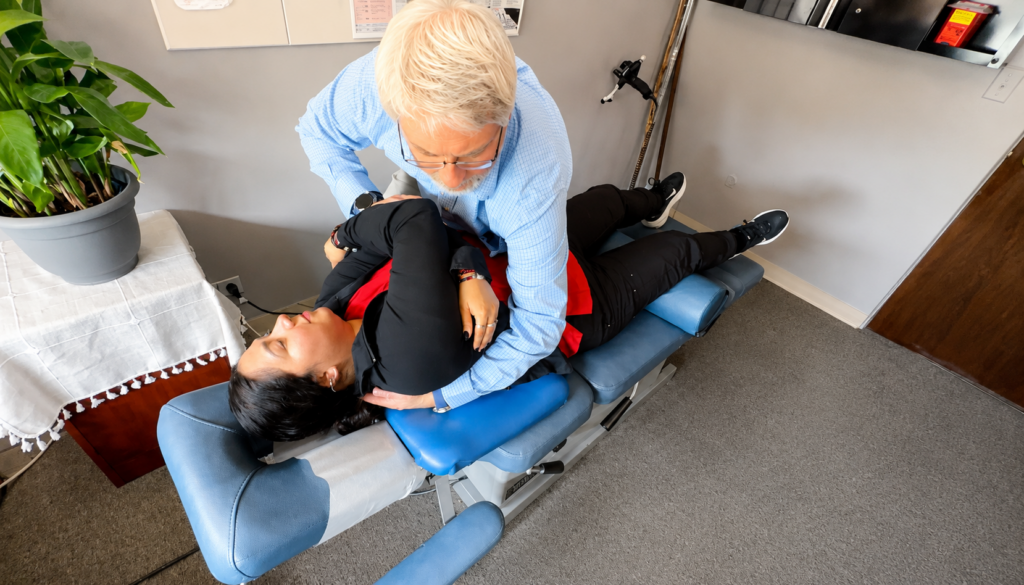

As a local chiropractor, I want to emphasize that recovery is just as crucial as training for athletes. While you may see rest days as mere time off, they can actually serve as a vital part of your recovery toolkit, enhancing your performance and overall well-being. By implementing specific recovery strategies, you can not only speed up the healing process but also reduce the risk of injuries. Are you ready to discover how chiropractic care can elevate your recovery? Let’s dive into seven effective ways to optimize your recovery and embrace healthier living.
- Chiropractic Adjustments: Regular chiropractic adjustments can help align your spine, reduce pain, and improve mobility. By ensuring your body is in proper alignment, you can enhance your overall function and recovery speed.
- Active Recovery: Gentle movement, such as walking or stretching, can promote blood flow and aid in the healing process. Incorporating chiropractic advice on specific movements can help you recover more effectively.
- Hydration: Staying hydrated is essential for muscle recovery. Water helps to flush out toxins and can reduce inflammation. Your chiropractor can provide guidance on how hydration impacts spinal health and overall recovery.
- Nutrition: A well-balanced diet rich in anti-inflammatory foods can significantly enhance your recovery. Foods like leafy greens, berries, and healthy fats can support your body’s healing processes. Consider discussing nutrition with your chiropractor to tailor a plan that supports spinal health.
- Restorative Sleep: Quality sleep is vital for recovery. It’s during sleep that your body heals and regenerates. Creating a relaxing bedtime routine and ensuring proper spinal alignment while you sleep can promote better rest.
- Mindfulness and Stress Management: Stress can hinder recovery, so incorporating mindfulness techniques such as deep breathing or meditation can be beneficial. Chiropractic care often emphasizes the connection between mental well-being and physical health.
- Consistency in Care: Regular visits to your chiropractor for maintenance care can keep your body in top shape. Consistent care supports your recovery and helps prevent future injuries, allowing you to continue performing at your best.
By prioritizing these recovery strategies, especially chiropractic care, you can enhance your healing process and embrace a healthier lifestyle. Remember, your body is your most valuable asset, and taking care of it through natural wellness methods is the key to optimal health and performance.
Key Takeaways
- Prioritize quality sleep and establish a consistent sleep schedule to improve recovery and enhance mental clarity. A well-rested body is better equipped to heal and perform at its best.
- Stay hydrated! Drinking enough water and replenishing electrolytes through natural food sources is crucial for your body, especially after exercise. Proper hydration supports spinal health and overall wellness.
- Incorporate low-intensity cardio and foam rolling into your routine. These practices promote blood circulation and help reduce muscle soreness, allowing your body to recover more efficiently.
- Consider chiropractic care for spinal alignment and pain relief. Regular adjustments can enhance your overall wellness, alleviate discomfort, and support your recovery efforts by ensuring your body functions optimally.
- Engage in massage therapy to release muscle tension and improve blood flow. This can complement chiropractic care, helping you feel relaxed and accelerating your recovery after workouts.
By integrating these practices into your routine, you can support your health naturally and enjoy a faster recovery. Remember, chiropractic care is a powerful tool in achieving optimal health and wellness!
Prioritize Sleep and Rest Days
When you prioritize sleep and rest days, you’re not just giving your body a break; you’re actively enhancing your overall health and wellness. Quality sleep is essential for your body’s natural healing processes. During deep sleep cycles, your body releases growth hormones that help repair and strengthen your muscles, which can be particularly beneficial for maintaining a healthy spine and preventing discomfort.
Taking regular rest days is crucial for avoiding burnout and reducing the risk of injury, especially when engaging in physical activities. By listening to your body and recognizing signs of fatigue or soreness, you can determine when it’s time to rest. Gentle activities like stretching or yoga on your rest days can support recovery without putting additional strain on your body.
Aim for seven to nine hours of sleep each night, and try to establish a consistent sleep schedule. This can help you fall asleep more easily and wake up feeling refreshed.
Prioritizing rest and sleep is just as important as any workout routine. Not only does it promote recovery, but it also plays a vital role in maintaining a healthy spine and overall wellness.
Chiropractic care can also support your journey to optimal health. Regular adjustments can improve your sleep quality by reducing discomfort and promoting relaxation.
Hydration and Nutrition for Optimal Recovery
To recover from physical activity effectively, it’s crucial to prioritize hydration and nutrition. As a local chiropractor, I want to emphasize that these elements not only support your recovery but also play a vital role in maintaining your overall spinal health and wellness.
Balancing your electrolytes is essential, especially after exercise. Electrolytes help regulate muscle function and nerve signaling, which can prevent discomfort and support a healthy spine. Choosing high-quality hydration sources, such as water infused with natural electrolytes from fruits, can enhance your recovery process while keeping you hydrated.
Timing your nutrient intake is also important. Consuming a balanced meal or snack that includes proteins, healthy fats, and carbohydrates shortly after physical activity can aid in muscle recovery and replenish energy stores. This practice can also help in reducing any aches or pains you might experience, promoting a more natural healing process.
Remember, chiropractic care complements these recovery strategies by ensuring your spine is aligned and functioning optimally. A healthy spine supports your overall well-being and can enhance your body’s ability to recover.
Importance of Electrolyte Balance
While staying properly hydrated is vital for recovery, don’t overlook the importance of maintaining balanced electrolyte levels, especially for those who are active. Electrolytes—like sodium, potassium, and magnesium—are essential for muscle function and nerve signaling. When you sweat, you lose these crucial minerals, which can lead to cramps, fatigue, and a dip in your performance.
To support your recovery, consider replenishing your electrolytes naturally. Foods such as bananas, spinach, and yogurt are rich in these minerals, providing a wholesome way to restore balance.
Additionally, incorporating chiropractic care into your wellness routine can enhance your overall health, helping to ensure your body functions optimally. Chiropractors can assist in improving your spinal alignment, which in turn supports better nerve function and nutrient transport throughout your body. This can help you maintain a healthy balance of fluids and electrolytes, preventing dehydration and its associated problems.
Listen to your body; if you’re feeling weak or experiencing cramps, it may be a sign to increase your electrolyte intake. By prioritizing this balance, you can significantly enhance your recovery and overall performance.
Timing of Nutrient Intake
Proper timing of nutrient intake can greatly enhance your recovery process, especially when combined with chiropractic care for optimal health. Just as regular spinal adjustments support your body’s function, fueling your body at the right times can maximize your performance and rejuvenation after physical activity.
After an intense workout, your muscles are ready to absorb nutrients, making this a crucial time for recovery. Aim to consume a combination of carbohydrates and protein within 30 minutes post-exercise to kickstart the healing process. This timeframe is vital for replenishing energy stores and repairing muscle tissue, which is essential for maintaining a healthy spine and overall wellness.
Hydration is just as important; make sure to drink plenty of water or electrolyte-rich fluids to help your body restore balance. Keeping your spine aligned through chiropractic adjustments can further support your body’s natural healing capabilities and improve overall function.
Throughout the day, focus on maintaining regular meals and healthy snacks to keep your energy levels stable. Incorporating nutrient-dense foods can also help support spinal health.
Remember, your body needs a consistent supply of nutrients for effective recovery, so planning your meals around your training schedule is a wise choice.
Incorporate these tips into your routine, and don’t forget the value of regular chiropractic care to assist in your journey towards natural wellness and pain relief. Taking care of your body holistically ensures that you not only recover better but also live a healthier life overall.
Quality of Hydration Sources
Hydration is vital for your recovery and overall well-being, especially when it comes to maintaining a healthy spine and body. The quality of your hydration sources can significantly influence your performance and health.
Here are some simple tips to optimize your hydration while supporting your journey to natural wellness through chiropractic care:
1. Electrolyte Balance: It’s important to replenish your body with essential electrolytes like sodium, potassium, and magnesium. These minerals help prevent muscle cramps and maintain proper fluid balance, which is crucial for your spinal health.
Look for natural hydration options that include these electrolytes.
2. Natural Ingredients: Opt for hydration sources that feature natural ingredients. Avoid drinks with artificial flavors and high sugar content, as they can lead to inflammation and other health issues.
Coconut water and herbal teas are excellent choices that provide natural hydration and support overall wellness.
3. Proper pH Levels: Keeping your body’s pH balanced can enhance nutrient absorption and help reduce acidity. Hydration sources that maintain proper pH levels are beneficial for your health.
Staying properly hydrated contributes to the body’s natural healing processes, which aligns perfectly with the principles of chiropractic care.
Remember, proper hydration is a key component of maintaining a healthy spine and body. By choosing the right hydration sources and integrating these practices into your daily routine, you can support your journey towards optimal health and wellness.
Always consider chiropractic care as a holistic approach to achieving your health goals naturally!
Active Recovery Techniques
Active recovery techniques can truly transform your recovery routine and enhance your overall wellness. As a chiropractor, I believe in the importance of natural healing, and incorporating methods like dynamic stretching, low-intensity cardio, and foam rolling into your regimen can help your body recover more effectively and efficiently.
Dynamic stretching is a fantastic way to keep your muscles flexible and ready for movement, which can reduce the risk of injury. It encourages blood flow to your muscles, helping to alleviate tension and promote healing. Consider incorporating gentle movements that mimic the activities you perform regularly, making sure to focus on your range of motion.
Low-intensity cardio, such as walking or cycling, is another excellent strategy for recovery. It can stimulate circulation, delivering essential nutrients to your tissues while flushing out toxins. This type of exercise keeps your heart healthy without putting too much strain on your body, making it ideal for those recovering from injury or stress.
Foam rolling is a powerful tool in the world of active recovery. It acts like a self-massage, helping to release muscle tightness and improve blood flow. By regularly using a foam roller, you can address areas of discomfort and enhance your mobility, which is crucial for maintaining a healthy spine and overall body function.
In addition to these techniques, remember that chiropractic care plays a vital role in achieving optimal health. Regular adjustments can help align your spine, relieve pain, and support your body’s natural healing processes. By prioritizing your spinal health, you’re taking a significant step toward achieving wellness and longevity.
Dynamic Stretching Methods
While you may be familiar with static stretching, incorporating dynamic stretching methods into your routine can greatly enhance your recovery and promote overall wellness.
These techniques not only help improve flexibility but also increase blood flow and activate your muscles, which can be especially beneficial for your spinal health.
Here are three effective dynamic stretching methods that you can easily integrate into your daily routine:
- Leg Swings: Stand on one leg and swing the opposite leg forward and backward. This movement stretches your hip flexors and hamstrings, which are important for maintaining good posture and spinal alignment.
- Arm Circles: Extend your arms out to the sides and start making small circles, gradually increasing the size. This exercise warms up your shoulders and upper body, helping to relieve tension that can build up around the spine.
- Walking Lunges: Step forward into a lunge, alternating legs as you move. This not only stretches but also engages the lower body muscles, promoting better balance and stability, which are vital for spinal health.
Incorporating these dynamic stretches into your routine can contribute to better recovery, improved performance, and overall well-being.
Remember, maintaining a healthy spine is essential for your overall health, and chiropractic care can play a significant role in achieving optimal wellness.
By focusing on natural methods like these stretches, you can support your body’s healing processes and enhance your quality of life.
Take care of your spine, and it will take care of you!
Low-Intensity Cardio
Incorporating low-intensity cardio into your recovery routine can significantly enhance your overall well-being and speed up healing, especially when combined with chiropractic care. Engaging in gentle activities like walking, cycling, or swimming can promote blood circulation, which is essential for delivering nutrients to your muscles and supporting spinal health.
This increased blood flow can help reduce soreness and stiffness, allowing you to recover more effectively. You don’t need to overexert yourself; just 20-30 minutes a few times a week can yield great benefits. Not only does low-intensity cardio aid in recovery, but it also helps clear out lactic acid buildup from intense workouts, which can alleviate discomfort.
Additionally, these gentle activities can lift your spirits, making the recovery process feel less daunting. At the same time, it’s important to remember that chiropractic care is a natural and effective way to address pain relief and promote overall wellness.
Regular visits to your chiropractor can help align your spine, ensuring your body functions optimally and supports your recovery efforts. So, whether you’re walking around the neighborhood or taking a leisurely bike ride, keep moving gently.
Pairing these activities with chiropractic care can lead to a healthier, more balanced recovery. Lace up those shoes and embrace light movement for improved healing and well-being!
Foam Rolling Benefits
Foam rolling can be an excellent addition to your recovery routine, especially when combined with chiropractic care for optimal health. As a chiropractor, I believe in natural methods to enhance well-being, so let’s explore how foam rolling can complement your journey towards a pain-free life.
Here are three key benefits of foam rolling that you might notice:
- Increased Blood Flow: By using a foam roller, you can improve circulation throughout your muscles. This increased blood flow helps deliver essential nutrients to your tissues, which is crucial for recovery. When your blood circulates better, it supports the healing process and can work hand-in-hand with the adjustments provided by chiropractic care.
- Reduced Muscle Soreness: Foam rolling is fantastic for targeting those tight spots in your muscles, known as trigger points. By releasing tension in these areas, you can alleviate soreness and promote relaxation, which helps prevent injuries. This is particularly important for anyone looking to stay active and avoid chronic pain, making it a great complement to regular chiropractic adjustments.
- Enhanced Range of Motion: Regular use of a foam roller can improve your flexibility, allowing for smoother and more efficient movements during physical activities. Greater flexibility not only enhances your performance but also supports your spinal health, which is a key focus in chiropractic care.
To incorporate foam rolling effectively, consider adding it to your post-workout routine. Spend a few minutes rolling out major muscle groups, especially those that feel tight or sore.
Remember, while foam rolling can be beneficial, it’s also important to maintain regular chiropractic visits for comprehensive care that addresses your spinal health and overall wellness.
Incorporate Stretching and Mobility Work
Incorporating stretching and mobility work into your recovery routine is vital for maintaining flexibility and preventing injuries. As a chiropractor, I emphasize the importance of these practices not just for enhancing your overall performance, but also for helping you recover naturally and minimize soreness after intense workouts.
Here’s a quick look at some effective stretching and mobility exercises that can support your body’s healing process:
| Exercise | Benefits |
|---|---|
| Dynamic Stretching | Increases blood flow and range of motion, preparing your body for movement |
| Static Stretching | Enhances flexibility and helps relax tight muscles, promoting better alignment |
| Foam Roller Stretch | Releases muscle tightness and aids in recovery, helping to alleviate discomfort |
| Joint Mobility Drills | Improves joint function and stability, ensuring your body moves more efficiently |
To get the most out of these exercises, try to dedicate time for them after your workouts or on your rest days. You’ll likely notice that you feel more limber, experience less pain, and can recover quicker, allowing you to be ready for your next training session.
Utilize Massage and Foam Rolling
While many athletes focus on training hard, it’s crucial to also prioritize recovery techniques like massage and foam rolling. These methods can significantly enhance your recovery process, reduce muscle soreness, and improve overall performance.
As a chiropractor, I want to emphasize that incorporating these practices can complement your journey toward optimal health and wellness. Here’s how you can seamlessly integrate them into your routine for better results:
1. Schedule Regular Massages: Aim to receive a professional massage at least once a month. This practice helps release muscle tension and encourages better blood flow, which can promote quicker recovery.
Regular massages can also support spinal health, ensuring that your body stays aligned and functioning optimally.
2. Use Foam Rollers: Invest in a quality foam roller and incorporate it into your post-workout routine. Foam rolling can help alleviate stiffness and improve flexibility by targeting tight muscle groups.
It’s a simple, effective way to maintain your body’s health and prevent injuries.
3. Target Specific Areas: Listen to your body and identify any areas that feel particularly tight or sore. Focus on these “hot spots” during your massage and foam rolling sessions.
This targeted approach can help relieve tension and improve your overall mobility, which is essential for maintaining a healthy spine and preventing future discomfort.
Remember, chiropractic care is an excellent complement to these recovery techniques. By keeping your spine aligned and your body functioning well, you can enhance your overall wellness and performance.
Make these recovery practices a regular part of your routine, and you’ll be on your way to achieving a healthier, more active lifestyle.
Explore Cold and Heat Therapy
Incorporating massage and foam rolling into your routine is a fantastic start to your recovery journey. Alongside these methods, exploring cold and heat therapy can further enhance your healing process.
Cold therapy, often known as cryotherapy, is particularly effective for reducing inflammation and numbing pain after intense workouts. Applying ice packs or taking cold baths can help constrict blood vessels, minimizing swelling and speeding up recovery time.
On the other hand, heat therapy is excellent for promoting blood flow and relaxing tight muscles. Using heating pads or enjoying warm baths can soothe soreness and improve flexibility, especially beneficial before workouts.
Both cold and heat therapy are powerful tools to aid in your recovery. You might find it helpful to alternate between the two based on how your body feels. If you’re experiencing soreness and inflammation, cold therapy may be the way to go. Conversely, if you’re feeling stiff and tight, heat therapy can provide the relief you need. This balance can significantly influence how quickly you recover and return to peak performance.
Remember, chiropractic care is a holistic approach that can help address the underlying issues causing pain and discomfort. By regularly visiting your chiropractor, you can achieve optimal spinal health, which plays a critical role in your overall well-being.
Your chiropractor can provide personalized guidance on incorporating these therapies into your routine, ensuring you’re on the right path to natural healing and healthier living. Always listen to your body and consult with your chiropractor to find the best recovery strategies for your specific needs.
Mental Recovery and Mindfulness Practices
As you prioritize your physical recovery, it’s equally crucial to pay attention to your mental well-being. Your mind is a powerful ally in achieving optimal health and performance. Incorporating mindfulness practices into your daily routine can enhance your recovery process and help you maintain mental clarity.
Here are three effective strategies to consider:
- Meditation: Dedicate a few minutes each day to quiet reflection. This simple practice can significantly reduce stress and enhance your focus, allowing you to approach your day with a clear mind.
- Visualization: Take a moment to visualize yourself succeeding in your activities. This mental imagery can boost your confidence and set a positive tone for your performance, preparing you for success without the need for invasive treatments.
- Breathing Exercises: Engage in deep breathing techniques to help calm your mind and body. This practice is great for lowering anxiety levels and promoting relaxation, which is essential for overall well-being.
Remember, while you’re focusing on these mental practices, regular chiropractic care can also play a vital role in your recovery journey.
It helps ensure that your spine is properly aligned, which supports not only physical health but also mental clarity. By combining these mindfulness techniques with chiropractic adjustments, you can achieve a holistic approach to your health and wellness.
Conclusion
By prioritizing sleep, staying hydrated, and nourishing your body with balanced meals, you can significantly speed up your recovery. One of the best ways to support your body is through chiropractic care, which helps align your spine and improve overall function. This alignment is crucial for reducing tension in your muscles and joints, allowing for better movement and flexibility.
Incorporating active recovery techniques like gentle exercises, along with stretching and mobility work, can help maintain your body’s flexibility and reduce tightness. Don’t underestimate the benefits of chiropractic adjustments, which can soothe soreness and promote natural healing. Techniques such as massage and foam rolling complement chiropractic care by relieving muscle tension and increasing blood flow.
Additionally, temperature therapies like ice or heat application can further aid in recovery. Remember, mental recovery is just as important—practices like mindfulness and relaxation can enhance your focus and resilience.
By combining chiropractic care with these recovery strategies, you’ll not only recover faster but also enhance your overall performance and well-being. Embrace a healthier lifestyle and prioritize your spinal health to achieve optimal wellness.