
Your spine plays a crucial role in your overall health, yet many people often neglect its care. Poor posture and daily habits can lead to discomfort and long-term issues that can affect your quality of life. By gaining a better understanding of your spine’s structure and function, you can take proactive steps to enhance your well-being and embrace a healthier lifestyle.
Curious about how simple changes can lead to significant improvements? Let’s delve into the essentials of spine health and share practical tips to keep your back in optimal shape.
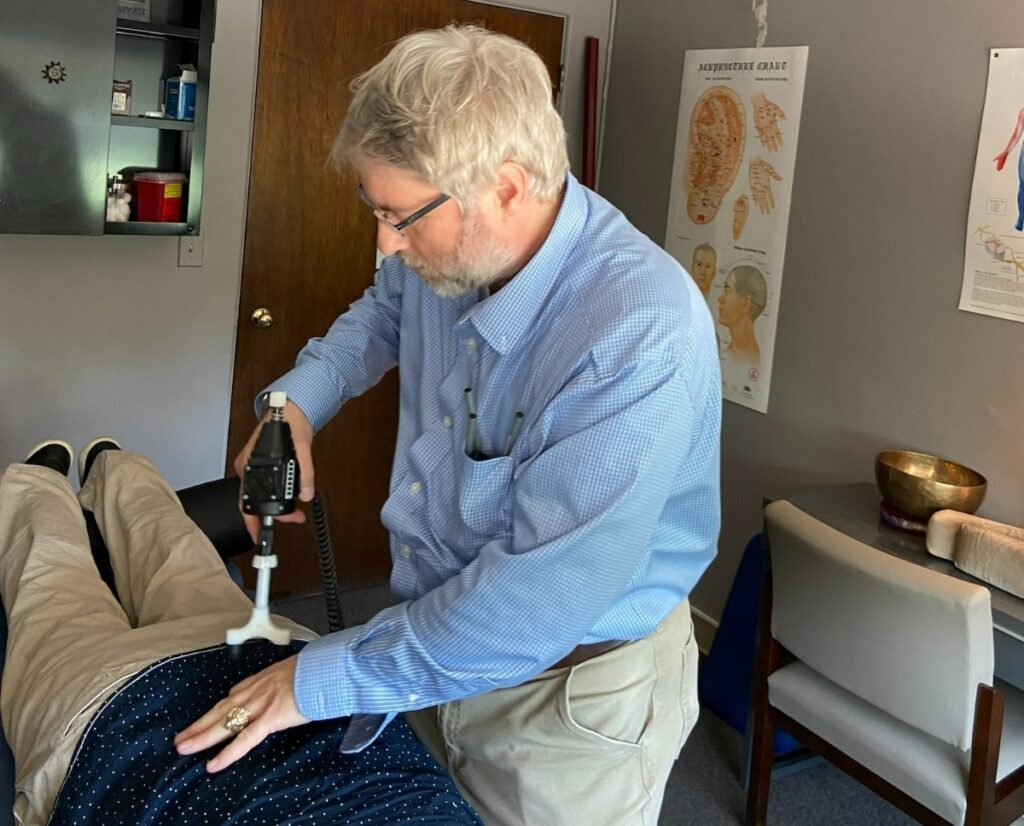
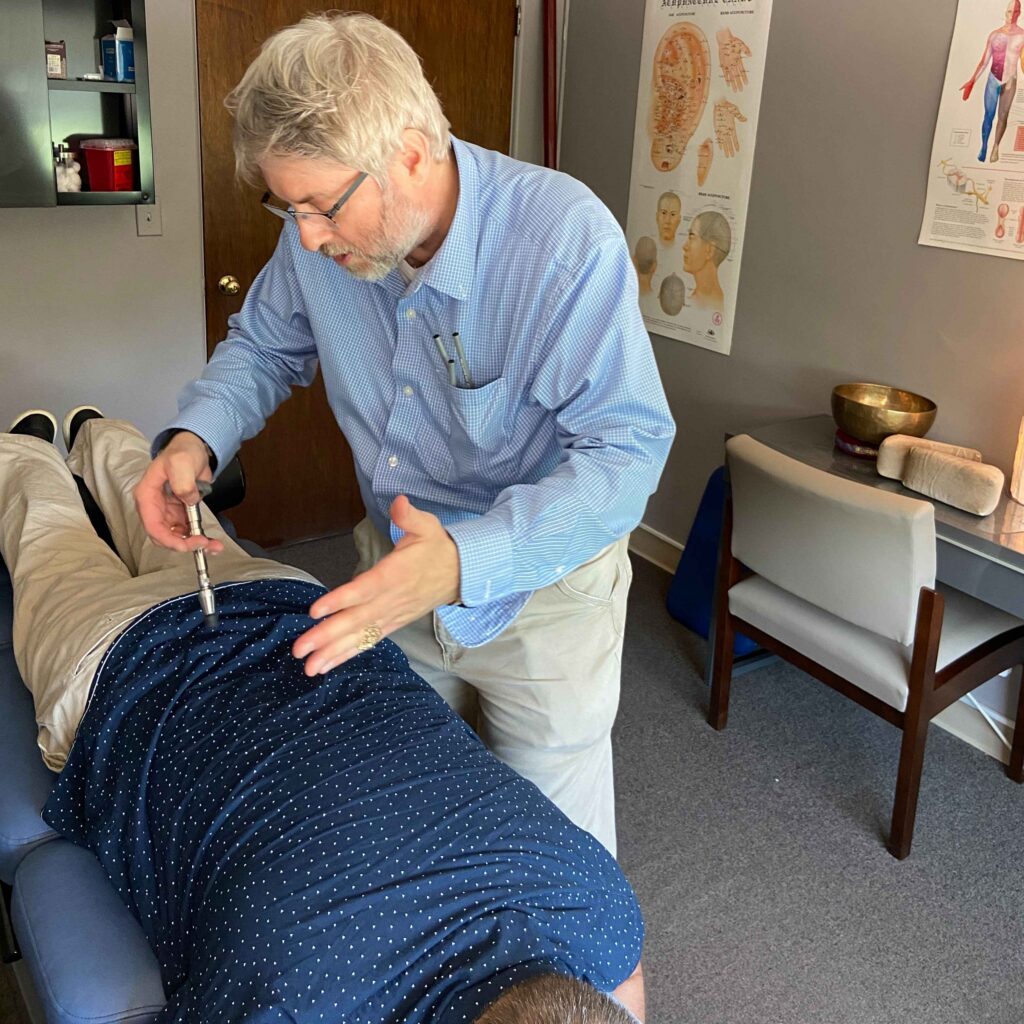
One of the best things you can do for your spine is to prioritize chiropractic care. Regular adjustments from a trained chiropractor can help alleviate pain, improve your posture, and enhance your overall health without the need for medications or surgery. Chiropractic care focuses on natural healing, ensuring your body functions at its best.
Here are some straightforward tips to incorporate into your daily routine for better spine health:
- Practice Good Posture: Whether sitting, standing, or walking, maintain a straight posture. This reduces strain on your spine and helps prevent discomfort.
- Stay Active: Engage in regular physical activity, such as walking, stretching, or yoga. Movement is essential for a healthy spine and can relieve tension.
- Strengthen Your Core: A strong core supports your spine. Include exercises that target your abdominal and back muscles.
- Ergonomic Workspace: If you work at a desk, ensure your chair and computer setup promote good posture. Your screen should be at eye level, and your feet should rest flat on the ground.
- Listen to Your Body: Don’t ignore pain. If you experience discomfort, consider visiting a chiropractor who can provide personalized care to address your specific needs.
By implementing these simple strategies and prioritizing chiropractic care, you can achieve optimal spine health and enhance your overall well-being. Remember, a healthy spine leads to a healthier, happier life!
Key Takeaways
A healthy spine is the foundation of a vibrant life, supporting your movement, posture, and overall well-being. Regular chiropractic care is essential for maintaining spinal functionality and comfort, allowing you to enjoy daily activities without pain.
One of the most common issues we see in our practice is poor posture, which can lead to chronic pain and spinal problems. That’s why it’s crucial to be proactive and aware of how you carry yourself throughout the day. Simple adjustments to your posture can make a significant difference in how you feel.
Incorporating regular exercise and stretching into your routine is a fantastic way to enhance spinal health. These activities strengthen the muscles that support your spine, improve flexibility, and help keep your spinal discs well-nourished. Consider activities like yoga or Pilates, which can be gentle yet effective for your back.
Mindful body awareness is another key aspect of spinal health. By focusing on proper alignment and engaging your core, you can reduce discomfort and lower the risk of injuries. Take a moment each day to check in with your body and make sure you’re standing tall and moving mindfully.
If you experience persistent pain or nerve issues, don’t hesitate to seek professional help. Chiropractic care can provide timely intervention, addressing the root causes of your discomfort and improving your overall spinal health. Remember, taking care of your spine naturally leads to better health and wellness.
As a takeaway, here are a few tips you can implement in your daily routine:
- Practice good posture: Keep your shoulders back and your head aligned over your spine.
- Stretch regularly: Incorporate stretches for your back and hips into your daily routine.
- Stay active: Engage in low-impact exercises that promote spinal health.
- Listen to your body: If something doesn’t feel right, consult with your chiropractor to find the best path to relief.
By prioritizing your spinal health through chiropractic care, you are choosing a natural path to wellness that can lead to a happier, pain-free life.
The Anatomy of the Spine: Understanding Its Structure and Function
The Spine: Your Body’s Backbone for Health and Wellness
The spine is truly the backbone of your body—providing essential support and stability while allowing for movement. It consists of 33 vertebrae stacked in a flexible column and is divided into five key regions: cervical, thoracic, lumbar, sacral, and coccygeal. Each of these sections plays a vital role in your daily activities and overall well-being.
Starting at the top, the cervical spine is made up of seven vertebrae that support your head and give you the ability to turn and tilt it in various directions. This flexibility is crucial for maintaining good posture and preventing tension in your neck.
Moving down, the twelve thoracic vertebrae form the upper and mid-back, anchoring your ribcage and protecting important organs like your heart and lungs. They also provide stability, allowing for a strong foundation for your upper body.
The lumbar region, with its five larger vertebrae, is designed to bear weight and promote flexibility. This area is particularly important for activities like bending and lifting. When this part of your spine is healthy, it supports your mobility and helps prevent discomfort.
The sacral and coccygeal regions consist of fused vertebrae that connect the spine to the pelvis, playing a key role in your posture and balance.
Intervertebral discs are located between each vertebra and act as shock absorbers, ensuring smooth and pain-free movement. These discs are essential for maintaining flexibility and preventing wear and tear on your spine.
Understanding the intricate structure of your spine is the first step toward appreciating how it influences your overall health and mobility.
Here are some general tips to help you care for your spine:
- Practice Good Posture: Whether sitting, standing, or walking, maintaining good posture helps reduce strain on your spine.
- Stay Active: Regular physical activity strengthens the muscles that support your spine, improving flexibility and reducing the risk of injury.
- Listen to Your Body: Pay attention to any discomfort or pain. Early intervention, such as chiropractic care, can help prevent more serious issues down the line.
- Stay Hydrated: Drinking plenty of water helps keep your intervertebral discs hydrated and functioning properly.
- Consider Chiropractic Care: Regular visits to a chiropractor can help ensure your spine is aligned and functioning optimally, providing natural relief from pain and discomfort.
The Impact of Poor Posture on Spinal Health
Poor posture can have significant consequences for your spinal health, leading to chronic pain and discomfort that can affect your daily life. When you slouch, you place extra strain on your spine and the surrounding muscles, which can result in ongoing issues.
As a chiropractor, I want to emphasize the importance of maintaining a healthy posture to protect your spine and promote overall well-being.
Understanding ergonomics is crucial for achieving better posture. Simple adjustments to your workspace, such as ensuring your chair supports your lower back and keeping your computer screen at eye level, can make a big difference.
Remember to take frequent breaks to stand, stretch, and move around to relieve tension in your muscles.
Chiropractic care is an excellent way to address posture-related issues and support your spinal health. Regular chiropractic adjustments can help realign your spine, relieve pain, and improve your overall function.
By working with a chiropractor, you can develop a personalized plan that includes exercises and stretches to strengthen your muscles and enhance your posture.
Here are some general tips to help you maintain a healthier posture:
- Sit Up Straight: Keep your back straight and shoulders back while sitting. Use a chair with good lumbar support.
- Stand Tall: When standing, distribute your weight evenly on both feet and avoid locking your knees.
- Stretch Regularly: Incorporate stretches into your daily routine to keep your muscles flexible and relaxed.
- Strengthen Your Core: A strong core supports your spine and helps maintain proper posture. Engage in exercises that strengthen your abdominal and back muscles.
- Be Mindful: Pay attention to your posture throughout the day, whether you’re working at a desk or doing household chores.
By prioritizing good posture and seeking chiropractic care, you can take proactive steps toward achieving optimal health and wellness.
Let’s work together to ensure your spine stays healthy and pain-free!
Consequences of Slouching
While many people may not be fully aware, slouching can have serious consequences for your spinal health. Poor posture doesn’t just affect your appearance; it can lead to various issues that impact your daily life in significant ways.
Here are three important consequences of slouching that you should keep in mind, along with some tips on how chiropractic care can help:
1. Increased Pain: Slouching adds extra pressure to your spine, which can result in chronic back and neck pain. This discomfort can be more than just an annoyance; it can interfere with your daily activities.
Regular chiropractic adjustments help alleviate this pain by realigning your spine and improving its function.
2. Reduced Mobility: Over time, poor posture can limit your range of motion, making everyday activities more challenging.
When your spine is properly aligned, thanks to chiropractic care, you may find it easier to move freely and comfortably. Incorporating stretches and exercises recommended by your chiropractor can also enhance your mobility.
3. Nerve Compression: Slouching can lead to nerve compression, causing discomfort and tingling sensations in your limbs.
Chiropractic care focuses on relieving pressure on these nerves, promoting better communication between your brain and body. This can result in reduced symptoms and improved overall well-being.
Tips for Maintaining Good Posture:
- Be Mindful: Regularly check in with your posture throughout the day. Whether you’re sitting, standing, or walking, aim to keep your shoulders back and your spine straight.
- Strengthen Your Core: Engaging in exercises that strengthen your core muscles can help support your spine and improve your posture.
- Take Breaks: If you spend long hours sitting, make sure to take breaks. Stand up, stretch, and move around to keep your spine healthy.
Importance of Ergonomics
Maintaining good posture is crucial for your spinal health and overall well-being, especially in a world where many of us spend hours sitting at desks or glued to screens. Poor posture can lead to chronic pain, muscle fatigue, and long-term spinal issues.
When you slouch or hunch over, you put unnecessary pressure on your spine and the muscles that support it.
As a chiropractor, I can’t stress enough the importance of ergonomics in your workspace. By creating an environment that encourages good posture, you can significantly reduce strain on your body and prevent discomfort.
Here are some simple tips to help you improve your workspace:
- Adjust Your Chair Height: Make sure your chair allows your feet to rest flat on the floor. This will help support your lower back and maintain proper spinal alignment.
- Screen Positioning: Your computer screen should be at eye level. This prevents you from leaning forward or looking down, which can strain your neck and upper back.
- Take Breaks: Remember to stand up, stretch, and move around regularly. This not only helps relieve tension but also promotes circulation, which is essential for spinal health.
- Use Supportive Cushions: Consider using lumbar support cushions to maintain the natural curve of your spine while seated.
- Practice Mindfulness: Regularly check in with your posture throughout the day. Adjust yourself if you notice any slouching or hunching.
By prioritizing these ergonomic practices, you can enhance your comfort and protect your spinal health.
Chiropractic care is an excellent choice for achieving optimal health and natural pain relief. Regular adjustments can help align your spine, relieve tension, and improve your overall well-being, allowing you to enjoy life to the fullest.
Common Spinal Issues and Their Causes
Spinal issues are a common concern for many individuals, affecting millions and often stemming from a mix of lifestyle choices and physical stressors. It’s easy to overlook how our everyday habits can impact our spine health.
As your local chiropractor, I’m here to share valuable insights into three prevalent spinal issues and how chiropractic care can help you find relief and maintain wellness:
1. Herniated Discs: This condition often arises from poor posture and improper lifting techniques, which can cause the discs in your spine to bulge or rupture. The good news is that chiropractic adjustments can help realign your spine, relieve pressure, and promote healing.
Additionally, practicing good posture and using proper lifting methods can greatly reduce your risk of developing this issue.
2. Scoliosis: Scoliosis is characterized by an abnormal curvature of the spine, typically developing during childhood or adolescence. While this condition can be genetic, certain factors like carrying heavy backpacks can worsen it.
Regular chiropractic care can help improve spinal alignment and may alleviate discomfort. Encourage your children to practice good posture and carry their backpacks correctly to support their spine health.
3. Sciatica: This painful condition results from compression of the sciatic nerve, often due to prolonged sitting or a sedentary lifestyle. Chiropractic adjustments can relieve pressure on the nerve, helping to alleviate pain that radiates down the leg.
Incorporating regular movement into your day, such as stretching or walking, can also help prevent sciatica from developing.
Incorporating these tips into your daily routine can help you maintain a healthy spine and overall wellness.
The Role of Exercise in Spine Care
To maintain a healthy spine, it’s vital to incorporate regular exercise into your daily routine. Exercise not only strengthens the muscles that support your spine but also enhances stability, which can significantly reduce the risk of injury. Gentle activities like walking, swimming, and yoga are excellent choices—they promote flexibility and encourage better alignment of your spine.
When you focus on strength training, you’re engaging your core muscles, which are essential for maintaining good posture and balance. Remember, a strong core can alleviate stress on your spine and help prevent pain.
Additionally, consistent movement is key; it keeps your spinal discs well-hydrated and nourished, which is crucial for preventing degeneration over time.
It’s important to be consistent with your exercise regimen. Aim for a balanced mix of aerobic, strength, and flexibility exercises throughout the week. Listen to your body; if something doesn’t feel right, don’t hesitate to adjust your routine.
As a chiropractor, I want to emphasize that chiropractic care can significantly enhance your overall wellness journey. Regular chiropractic adjustments can help align your spine, improve your posture, and relieve pain, allowing you to enjoy the full benefits of your exercise routine.
Practical Tips for Maintaining Good Posture
To maintain good posture, it’s essential to create an ergonomic workspace that supports your body in a way that encourages proper alignment. This means adjusting your chair, desk, and computer screen to fit your individual needs.
As a chiropractor, I also recommend incorporating regular stretching exercises into your daily routine. These stretches can help keep your muscles flexible and strong, reducing the risk of discomfort and promoting better alignment.
Additionally, staying mindful of your body’s positioning throughout the day is vital for your spine health. Simple checkpoints can include sitting up straight, keeping your feet flat on the floor, and taking breaks to move around.
Remember, consistent attention to your posture can lead to significant improvements in how you feel.
Chiropractic care is a natural approach that can help you achieve and maintain optimal health. Regular visits to your chiropractor can assist in correcting misalignments, relieving pain, and enhancing your overall well-being.
Ergonomic Workspace Setup
Creating an ergonomic workspace is essential for promoting good posture and overall spinal health. As a chiropractor, I believe that a well-structured environment can significantly reduce discomfort and enhance your well-being.
Here’s how to set up your workspace to support your spine and maintain a healthy posture.
Start by adjusting your chair and desk height. Your feet should rest flat on the floor, with your knees bent at a comfortable 90-degree angle. This position helps support the natural curve of your spine and prevents unnecessary strain.
If your feet don’t reach the floor, consider using a footrest to provide stability and support.
Next, position your computer screen at eye level, about an arm’s length away. This alignment helps reduce neck strain and encourages proper head posture.
If your screen is too low, you may find yourself leaning forward, which can lead to discomfort over time. Try to align the top of your screen with your eyes to minimize any bending of your neck.
It’s also crucial to keep your keyboard and mouse close enough so you don’t have to reach for them. This ensures your wrists stay in a straight position, which can help prevent repetitive strain injuries.
Here are three practical tips to help you set up your workspace for better spinal health:
- Chair support: Choose a chair that offers lumbar support to maintain the natural curve of your spine. This will help reduce back pain and improve your posture throughout the day.
- Monitor alignment: Ensure that the top of your screen is in line with your eyes to minimize neck bending. This simple adjustment can make a significant difference in how you feel during and after work.
- Footrest: If your feet don’t comfortably reach the ground, using a footrest can enhance your stability and support your lower back.
Remember, a well-designed workspace not only helps you feel better while you work but also contributes to your overall health and wellness.
Regular chiropractic care can further support your spine and help you achieve optimal health, allowing you to live your life to the fullest.
Regular Stretching Exercises
Maintaining good posture at your workspace is crucial for your spinal health, but it’s equally important to incorporate regular stretching exercises into your daily routine. As a chiropractor, I encourage my patients to take a few minutes every hour to stretch their neck, shoulders, and back. Simple movements such as neck rolls and shoulder shrugs can do wonders in relieving tension.
Here’s a great tip: try standing up and reaching for the ceiling, then gently bending forward to touch your toes. This not only opens up your spine but also increases flexibility, which is vital for overall health. Don’t forget to focus on your breathing during these stretches; deep breaths can help you relax and enhance the benefits of your movements.
In addition to these stretches, consider integrating yoga or Pilates into your routine. These practices are excellent for strengthening your core, supporting your spine, and promoting better posture overall.
Remember, your spine is the foundation of your body, and taking care of it through regular stretching and chiropractic care can lead to a healthier, pain-free life.
Prioritize your stretching and consider visiting a chiropractor for personalized guidance on how to maintain optimal spinal health. Your spine will thank you for it!
Mindful Body Awareness
Good posture isn’t just about sitting up straight; it’s about being aware of your body’s alignment throughout the day. Mindful body awareness plays a crucial role in maintaining a healthy spine and preventing discomfort.
As a local chiropractor, I want to share some practical tips that can help you enhance your posture and overall well-being naturally, without the need for medications or surgeries.
- Check Your Alignment: Make it a habit to pause throughout your day and assess your posture. Are your shoulders relaxed and your head aligned over your spine? Regularly checking in with your body can prevent strain and promote a healthier alignment.
- Engage Your Core: A strong core is essential for providing better support to your spine. Incorporate simple core strengthening exercises into your routine, such as planks or bridges. This not only enhances your posture but also aids in overall spinal health.
- Use Reminders: Set up gentle reminders for yourself, like alarms or sticky notes, to check your posture during the day. These little nudges can help you stay mindful and make a big difference in how you carry yourself.
Remember, chiropractic care is a natural and effective way to improve your posture and alleviate pain. Regular visits to your chiropractor can help ensure that your spine is properly aligned and functioning optimally.
Prioritizing your spinal health through mindful body awareness and chiropractic care can lead to a healthier, more vibrant life.
Ergonomics: Creating a Spine-Friendly Workspace
Creating an ergonomic workspace is crucial for maintaining a healthy spine, particularly if you find yourself sitting at a desk for extended periods. As a chiropractor, I want to emphasize the importance of supporting your spine to prevent discomfort and promote natural healing.
Start by selecting a chair that provides excellent support for your lower back. This will help maintain the natural curve of your spine. Make sure your feet can rest flat on the floor, and adjust the chair height so that your knees are at or slightly below hip level. This position helps reduce strain on your spine.
Your desk should be at the right height to allow your elbows to rest comfortably at your sides while typing. Ideally, your computer screen should be at eye level, positioned about an arm’s length away. This setup helps prevent neck strain, which is a common issue for those who spend long hours in front of a computer.
If you frequently reference papers, consider using a document holder to keep them aligned with your screen, reducing the need to twist your neck.
Wrist support is also important while typing. Using a wrist pad can help keep your wrists straight, preventing discomfort and promoting better posture.
Additionally, it’s vital to incorporate regular breaks into your routine. Stand up, stretch, and move around to relieve tension and enhance circulation. These simple adjustments can make a significant difference in your spinal health and overall comfort throughout the day.
Remember, maintaining a spine-friendly workspace is just one piece of the puzzle for optimal health. Regular chiropractic care can further support your spine and overall wellness, helping you achieve a pain-free lifestyle naturally.
Stretching and Strengthening Exercises for a Healthy Spine
To keep your spine healthy and functioning at its best, it’s crucial to integrate stretching and strengthening exercises into your everyday routine.
These exercises not only improve your flexibility but also build the core muscles that provide essential support to your spine, reducing the risk of pain and injury.
As a local chiropractor, I want to share three simple yet effective exercises that you can easily incorporate into your daily life for optimal spinal health:
- Cat-Cow Stretch: Start on all fours, with your hands under your shoulders and knees under your hips. Gently arch your back upwards, tucking your chin towards your chest (this is the Cat position). Then, lower your belly towards the ground while lifting your head and tailbone up (this is the Cow position). Repeat this cycle for 5-10 times. This exercise helps improve spinal mobility and can relieve tension in your back.
- Plank: Lie face down on the floor. Push up onto your forearms and toes, keeping your body in a straight line from head to heels. Hold this position for 20-30 seconds. Planking strengthens your core and lower back, which are vital for supporting your spine and maintaining good posture.
- Child’s Pose: Kneel on the floor and gently sit back on your heels. Extend your arms forward, placing them on the ground in front of you. Hold this stretch for about 30 seconds. This pose helps to stretch the spine and relieve tension, promoting relaxation and comfort.
Incorporating these exercises into your routine can significantly enhance your spinal health and overall well-being.
Remember, regular chiropractic care complements these exercises by ensuring that your spine is properly aligned, helping to alleviate pain and improve your quality of life.
Prioritize your spine health, and embrace a lifestyle of natural wellness through chiropractic care!
When to Seek Professional Help for Spinal Problems
Recognizing when to seek professional help for spinal problems is crucial for your long-term health and wellness. If you’re dealing with persistent pain that doesn’t get better with rest or simple home remedies, it’s time to reach out to a chiropractor. Our approach focuses on natural healing methods that can help restore balance and alleviate discomfort in your spine.
Pay attention to any numbness, tingling, or weakness in your arms or legs. These sensations shouldn’t be ignored, as they may indicate nerve compression or other underlying issues that chiropractic care can address effectively.
Another important sign to consider is a noticeable decrease in your range of motion or difficulty with everyday activities, like bending or lifting. If you’ve recently experienced an injury impacting your back, consulting a chiropractor promptly can help prevent further complications and encourage quicker recovery through natural techniques.
Additionally, if you find yourself experiencing unexplained weight loss, fever, or night sweats, it’s crucial to seek medical attention. However, for common spinal issues, chiropractic care often provides effective relief without the need for invasive procedures or medications.
Remember, early intervention with chiropractic care can lead to better outcomes and a healthier spine. Trust your instincts, prioritize your spinal health, and consider incorporating regular chiropractic visits into your wellness routine for optimal health and vitality.
Also, don’t forget some simple tips: maintain good posture, stay active with gentle exercises, and ensure you’re using proper lifting techniques in your daily life to protect your spine.
Conclusion
Taking care of your spine is crucial for maintaining a healthy and active lifestyle. As a chiropractor, I want to emphasize the importance of being mindful of your posture, engaging in regular exercise, and making ergonomic adjustments in your workspace. These simple steps can help prevent discomfort and boost your mobility, allowing you to enjoy your daily activities.
Remember, your spine deserves the same attention and care as any other part of your body. Regular chiropractic adjustments can help ensure that your spine is aligned properly, which is essential for overall well-being. If you experience persistent pain or discomfort, seeking the expertise of a chiropractor can provide natural relief and support your journey to optimal health.
Here are a few tips to keep your spine in top shape:
- Practice Good Posture: Whether you’re sitting at a desk or standing, be aware of your posture. Keep your shoulders back, and your head aligned with your spine to reduce strain.
- Stay Active: Incorporate gentle exercises like walking, stretching, or yoga into your routine. These activities can strengthen your muscles and improve flexibility, supporting your spine’s health.
- Ergonomic Workspace: If you work at a desk, ensure that your chair and computer setup promote good posture. Your screen should be at eye level, and your chair should provide adequate support.
- Regular Chiropractic Care: Schedule routine visits with a chiropractor to maintain spinal alignment and address any issues before they become painful.
By prioritizing your spinal health and choosing chiropractic care, you can pave the way for a vibrant, pain-free life. Remember, your spine is the foundation of your overall health—give it the TLC it deserves!