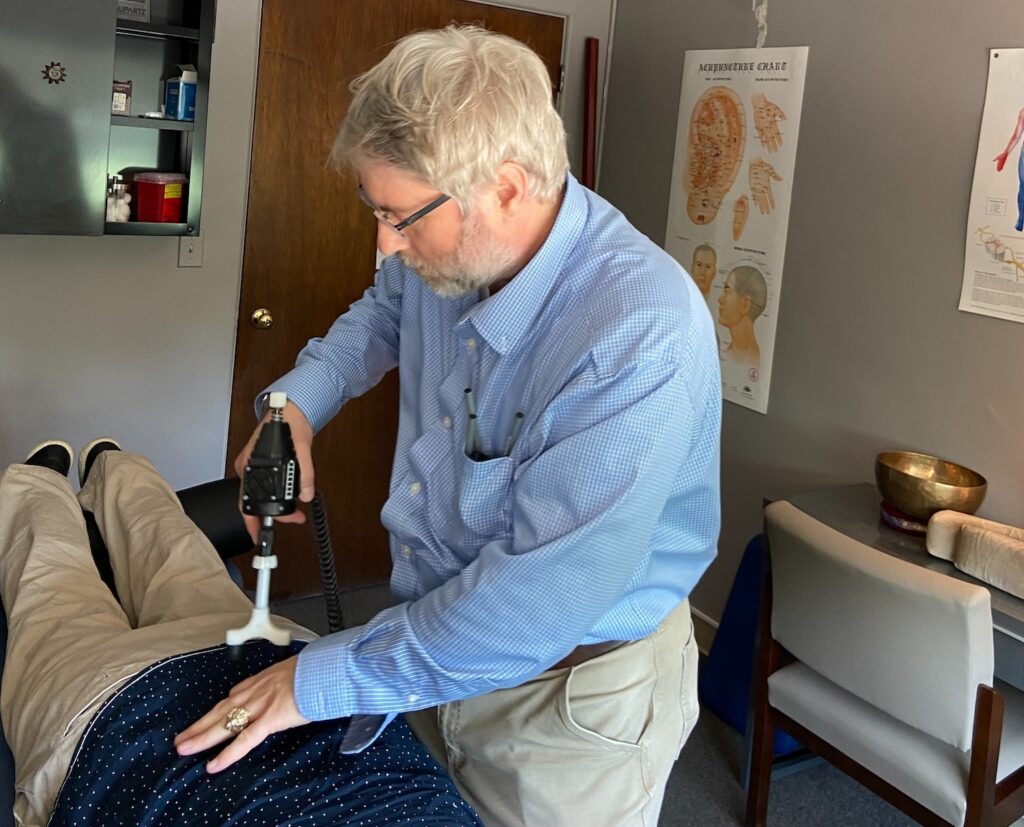

Chronic migraines can be a challenging condition to manage, but there are effective relief strategies that can help ease your symptoms naturally. One of the best approaches is to understand your triggers and make lifestyle modifications that support your overall well-being. Chiropractic care is a powerful tool in this process, focusing on spinal health and its impact on your nervous system.
By visiting a chiropractor, you can receive personalized adjustments that may help reduce the frequency and intensity of your migraines. These adjustments not only improve spinal alignment but also enhance blood flow and reduce tension in the body, which can be key in alleviating migraine symptoms.
In addition to chiropractic care, incorporating stress management techniques into your daily routine can significantly enhance your quality of life. Practices such as deep breathing, yoga, and meditation can help you cope with stress, which is a common trigger for migraines. Staying hydrated, maintaining a balanced diet, and ensuring you get enough sleep are also crucial components of a migraine management plan.
Curious about which methods might work best for you? Here are some practical tips to consider:
- Keep a Migraine Diary: Track your migraine episodes, including potential triggers, to identify patterns and make informed adjustments.
- Stay Active: Regular physical activity can help reduce stress and improve overall health, which may lessen migraine occurrences.
- Practice Good Posture: Maintaining proper posture while sitting, especially at a desk, can alleviate tension in your neck and upper back.
- Avoid Overstimulation: Create a calm environment by reducing noise and bright lights, which can help manage migraine symptoms when they occur.
By exploring these strategies and prioritizing chiropractic care, you can take proactive steps toward achieving optimal health and reducing chronic migraines. Remember, your journey to wellness is unique, and embracing natural healing can lead to lasting relief.
Key Takeaways
- Start by keeping a migraine diary. This simple tool can help you pinpoint your triggers and patterns, allowing you to take charge of your migraine management with proactive strategies.
- Regular chiropractic adjustments can work wonders for alleviating spinal tension, which may be contributing to your migraines. By optimizing your spinal health, you could potentially reduce the frequency and severity of your headaches.
- Focus on maintaining a balanced diet. Avoid known triggers and consider incorporating magnesium-rich foods, which can help stabilize your blood sugar levels and support overall wellness.
- Embrace stress management techniques such as yoga and meditation. These practices not only promote relaxation but can also help ease tension that may lead to migraines.
- Don’t underestimate the power of hydration! Staying well-hydrated and prioritizing good sleep hygiene can prevent dehydration and enhance your overall well-being, which is essential for managing migraines effectively.
Chiropractic care is a natural and holistic approach to achieving optimal health. By focusing on spinal health and incorporating these simple lifestyle tips, you are on your way to a healthier, migraine-free life!
Understanding Chronic Migraines
When you experience chronic migraines, it can feel like an unending struggle. These severe headaches often come on suddenly and can last anywhere from hours to days. You may notice a throbbing pain on one side of your head, along with symptoms like nausea and heightened sensitivity to light and sound.
Unlike typical headaches, chronic migraines can occur frequently—more than 15 days a month—disrupting your daily life and affecting your work, relationships, and overall well-being. It’s important to recognize that chronic migraines aren’t just “bad headaches.” They’re a neurological condition influenced by various factors, including changes in brain chemistry and nerve pathways.
If you’re dealing with these migraines, you might feel isolated or unsure of how to find relief. Remember, you aren’t alone in this journey, and understanding your condition can empower you to seek effective solutions.
One natural approach to managing chronic migraines is through chiropractic care. Chiropractic adjustments can help alleviate tension in the spine and improve overall nervous system function, which may contribute to reducing the frequency and severity of migraines.
By ensuring proper alignment of the spine, chiropractic care can promote better blood flow and nerve function, helping your body heal naturally.
In addition to chiropractic care, here are some general tips that may help manage your migraines:
- Stay Hydrated: Dehydration can trigger migraines, so make sure to drink plenty of water throughout the day.
- Maintain a Regular Sleep Schedule: Aim for consistent sleep patterns, as irregular sleep can lead to migraines.
- Practice Relaxation Techniques: Consider yoga, meditation, or deep-breathing exercises to reduce stress, which is often a migraine trigger.
- Keep a Migraine Diary: Track your migraine occurrences, including potential triggers, to help identify patterns and avoid them in the future.
- Incorporate Healthy Eating Habits: A well-balanced diet can support your overall health and may help reduce migraine frequency.
By focusing on these natural methods and incorporating chiropractic care into your wellness routine, you can take significant steps toward achieving optimal health and potentially finding relief from chronic migraines.
Identifying Triggers
Identifying triggers for chronic migraines is a crucial step toward managing your headaches effectively, and as a chiropractor, I want to help you find natural solutions to alleviate your discomfort. By recognizing what causes your migraines, you can take proactive measures to avoid or minimize these triggers, leading to a healthier and more balanced life. Common triggers include stress, certain foods, hormonal changes, and environmental factors.
One effective way to identify your specific triggers is by keeping a migraine diary. This journal should include details about when your migraines occur, what you’ve eaten, your stress levels, and any other potential contributing factors. By tracking this information, you may uncover patterns that can guide you toward effective management strategies.
Here’s a quick reference table for common migraine triggers and natural ways to address them:
| Trigger Type | Examples | Natural Solutions |
|---|---|---|
| Food | Aged cheese, chocolate | Work with a nutritionist to find alternatives |
| Stress | Work deadlines | Explore chiropractic care, which can help reduce stress and tension in your body |
| Weather | High humidity, pressure changes | Maintain a calm indoor environment and stay hydrated |
| Hormonal Changes | Menstrual cycle | Consult with a chiropractor for holistic approaches to balance your body |
Understanding these triggers can empower you in your journey toward relief. Alongside keeping your diary, consider incorporating regular chiropractic care into your routine. Not only can chiropractic adjustments improve spinal health and reduce tension, but they can also enhance overall well-being, making it easier for your body to manage stress and respond to triggers.
Lifestyle Modifications
Making lifestyle modifications can significantly enhance your experience with chronic migraines, and chiropractic care is a key component in this journey. By emphasizing natural healing through spinal health, you can find relief and improve your overall well-being.
Let’s delve into some effective strategies that can help alleviate your migraine symptoms and support a healthier lifestyle.
First and foremost, consider dietary adjustments. Certain foods may trigger migraines, so it’s beneficial to keep a food diary and identify any culprits. Incorporating more whole, unprocessed foods can be advantageous. Staying hydrated is also crucial, as dehydration can lead to headaches.
Stress management techniques are essential for those dealing with chronic migraines. Regular chiropractic adjustments can help alleviate tension in the body and promote relaxation. Additionally, practices such as deep breathing exercises, yoga, or meditation can help you manage stress levels effectively.
Sleep hygiene plays a vital role in your overall health and can have a direct impact on migraine frequency. Establishing a consistent sleep schedule and creating a calming bedtime routine can improve your sleep quality. Chiropractic care can also enhance sleep by addressing any spinal misalignments that may be contributing to discomfort.
Incorporating these lifestyle modifications, alongside regular chiropractic adjustments, can create a powerful path toward relief from chronic migraines.
Dietary Adjustments
Chronic migraines can be incredibly challenging, but making some dietary adjustments can be a practical way to help manage them while also promoting overall wellness. As a chiropractor, I believe in the power of natural healing, and addressing your diet can play a key role in your overall health and pain relief.
A great first step is to keep a food diary. This can help you pinpoint potential migraine triggers, such as aged cheeses, processed meats, or artificial sweeteners. If you notice these foods cause you discomfort, consider eliminating them from your meals.
Incorporating magnesium-rich foods into your diet can also be beneficial. Foods like spinach, nuts, and whole grains are excellent sources of magnesium and may help reduce the frequency of migraines. Staying well-hydrated is essential too, so make sure to drink plenty of water throughout the day.
Regular meals can help stabilize your blood sugar levels, which is important for preventing migraines. It’s best not to skip meals; instead, aim for balanced meals that include a variety of fruits, vegetables, lean proteins, and healthy fats. This balanced approach not only supports your overall health but may also lessen the impact of chronic migraines.
Remember, chiropractic care is a wonderful complement to these dietary adjustments. Regular chiropractic adjustments can help improve your spinal alignment, which may alleviate tension and promote better overall health.
Stress Management Techniques
Managing chronic migraines goes beyond just making dietary changes; it’s essential to incorporate effective stress management techniques to enhance your overall wellness and quality of life.
As a chiropractor, I believe that understanding your stress triggers—whether they stem from work, relationships, or daily responsibilities—is crucial in addressing migraine pain.
Once you identify what causes your stress, you can explore various techniques to help you find relief. Deep breathing exercises, meditation, and yoga are excellent ways to promote relaxation and can be easily integrated into your daily routine.
These practices not only help calm the mind but also support spinal health by reducing tension throughout the body.
Regular physical activity is another powerful stress reliever. Engaging in simple movements, such as a short walk, can significantly lower stress levels and improve your overall health.
Movement helps maintain proper spinal alignment, which is essential for optimal function and pain management.
In addition to physical activity, setting aside time for hobbies or interests that you enjoy can greatly reduce stress. Whether it’s painting, gardening, or reading, nurturing your passions contributes to a balanced lifestyle.
Lastly, don’t hesitate to seek support from friends, family, or professionals. Building a support network can help you navigate stress more effectively.
Remember, chiropractic care is a fantastic option for managing pain and promoting natural healing. Regular adjustments not only alleviate discomfort but also enhance your body’s ability to cope with stress.
By integrating these stress management strategies into your life, you can achieve a more balanced and healthier lifestyle, potentially reducing the frequency and intensity of your migraines.
Prioritize your spinal health through chiropractic care, and embrace a natural approach to wellness.
Sleep Hygiene Practices
To enhance your sleep hygiene and support your overall health, it’s essential to establish a consistent bedtime routine that signals to your body that it’s time to relax. Aim to go to bed and wake up at the same time every day, including weekends, to regulate your body’s internal clock.
Creating a calming environment is key—dim the lights and minimize noise to promote relaxation.
One important aspect to consider is the impact of screens on your sleep. The blue light emitted by devices can disrupt your sleep cycle, so try to avoid screens for at least an hour before bed. Instead, you might enjoy reading a book or practicing gentle stretches, which can help ease tension in your body and prepare you for restful sleep.
Be mindful of your evening intake, too. Limiting caffeine and heavy meals can prevent discomfort that might disrupt your sleep.
And don’t forget to ensure that your sleeping area is cool and comfortable—this can greatly enhance your sleep quality.
By incorporating these practices into your life, you can improve your sleep quality, which may also help reduce the frequency and severity of migraines.
Remember, chiropractic care can be a fantastic way to support your body’s natural healing processes, helping you achieve optimal health and wellness.
Prioritizing good sleep hygiene is an important step in your journey towards better health!
Medication Options
When it comes to managing chronic migraines, understanding your health options is essential. As a chiropractor, I believe that exploring natural healing methods can provide significant relief and improve your overall quality of life.
Instead of turning to medications, which often come with unwanted side effects, consider the many benefits of chiropractic care. Chiropractic adjustments can help align your spine and improve the function of your nervous system, which may reduce the frequency and intensity of migraines.
Additionally, incorporating lifestyle changes such as regular exercise, staying hydrated, practicing good posture, and managing stress can further enhance your well-being.
Don’t forget to explore alternative therapies like massage, acupuncture, or yoga, as they can complement chiropractic care and promote relaxation.
Preventive Medications Overview
As a local chiropractor, I want to share valuable insights into managing chronic migraines through natural healing and healthier living. While medications can play a role in alleviating symptoms, chiropractic care focuses on addressing the root causes of pain and promoting overall wellness without the use of drugs or invasive procedures.
Chiropractors utilize spinal adjustments and other techniques to enhance nervous system function, which can help reduce the frequency and intensity of migraine episodes. By ensuring that your spine is properly aligned, we can improve blood flow and nerve communication, potentially decreasing migraine triggers.
Here are some tips for managing migraines naturally:
- Stay Hydrated: Dehydration can be a significant trigger for migraines. Make sure you drink plenty of water throughout the day.
- Maintain a Healthy Diet: Eating regular, balanced meals can help stabilize blood sugar levels and prevent migraines. Incorporate whole foods, fruits, vegetables, and lean proteins into your diet.
- Practice Stress Management: Stress is a common trigger for migraines. Engage in relaxation techniques such as yoga, meditation, or deep-breathing exercises to help manage stress levels.
- Get Regular Exercise: Physical activity can boost your overall wellness and help reduce migraine frequency. Aim for at least 30 minutes of moderate exercise most days of the week.
- Prioritize Sleep: Establishing a regular sleep schedule can help regulate your body’s internal clock and reduce migraine occurrences.
- Consider Chiropractic Care: Regular chiropractic adjustments can improve spinal alignment, enhance nervous system function, and provide relief from tension that may contribute to migraines.
If you’re struggling with chronic migraines, I encourage you to explore chiropractic care as a holistic approach to achieving optimal health. Consult with a chiropractor to discuss how natural healing methods can support you in managing your symptoms and enhancing your quality of life.
Acute Treatment Options
While natural approaches to health and wellness can be incredibly beneficial, there are times when acute treatment options may seem necessary for managing migraines effectively.
However, I want to emphasize that chiropractic care can be an excellent first step towards alleviating migraine pain without the use of medications.
Chiropractic adjustments focus on the alignment of the spine, which can help reduce tension and improve overall nervous system function. Many patients report significant relief from migraine symptoms after receiving chiropractic care.
By addressing the root cause of your migraines—often related to spinal misalignments or tension in the neck—chiropractic care aims to promote natural healing and restore balance to your body.
In addition to chiropractic adjustments, there are several other natural strategies you can incorporate into your routine to help manage migraines. Here are a few tips:
- Stay Hydrated: Dehydration can trigger migraines, so make sure you’re drinking enough water throughout the day.
- Practice Relaxation Techniques: Stress is a common migraine trigger. Techniques such as deep breathing, meditation, or yoga can help reduce stress and tension.
- Maintain a Consistent Sleep Schedule: Aim for regular sleep patterns to help prevent migraines. Try to go to bed and wake up at the same time every day.
- Monitor Your Diet: Certain foods can trigger migraines in some individuals. Keep a food diary to identify any patterns and avoid those triggers.
- Regular Exercise: Engaging in regular physical activity can help reduce the frequency and intensity of migraines by improving blood flow and reducing stress.
Remember, everyone’s body is different, and what works for one person may not work for another.
If you’re struggling with migraines, consider visiting a chiropractor who can help you explore natural, effective treatment options tailored to your needs.
Always prioritize your health and well-being by seeking out holistic approaches to pain relief and wellness.
Alternative Therapies Considerations
Managing chronic migraines can be challenging, but exploring natural approaches, particularly chiropractic care, can lead to significant improvements in your quality of life. Chiropractic adjustments focus on aligning your spine, which can help alleviate tension and pressure that may trigger migraines. Regular visits to a chiropractor can also enhance your overall nervous system function, potentially reducing the frequency and intensity of your migraine episodes.
In addition to chiropractic care, consider incorporating mindfulness techniques and yoga into your routine. These practices can help lower stress levels, which is a common migraine trigger.
Paying attention to your posture and ergonomics at work and home can also play a crucial role in preventing migraines. Staying hydrated, maintaining a balanced diet, and getting regular exercise are essential for overall wellness and can help keep migraines at bay.
If you’re interested in natural supplements, always consult with your chiropractor to ensure they align with your care plan.
Every individual is unique, so it’s important to communicate openly with your chiropractor about your symptoms and progress. By taking an active role in your health and exploring these natural therapies, you can find a path that works best for you in managing migraines effectively.
Alternative Therapies
If you’re struggling with chronic migraines, chiropractic care may be the most effective way to find relief and achieve overall wellness. As a chiropractor, I’ve seen firsthand how spinal alignment can play a crucial role in alleviating headache pain. Misalignments in the spine can contribute to tension and discomfort, which may lead to migraines. By focusing on spinal adjustments, we can help restore proper alignment and reduce the frequency and intensity of your headaches.
In addition to chiropractic adjustments, you might also consider incorporating some natural remedies into your routine. For example, essential oils like peppermint and lavender can provide soothing relief when applied to the temples or used in a diffuser. Staying hydrated and maintaining a balanced diet rich in anti-inflammatory foods can also make a significant difference in managing your migraine symptoms.
Another valuable tool is biofeedback, a technique that allows you to become more aware of your body’s responses to stress and tension. It can help you learn how to control these physiological functions, leading to better management of your headaches.
Remember, before starting any new therapy, it’s important to consult with a healthcare professional to ensure it aligns with your health goals.
Relaxation Techniques
To effectively manage chronic migraines, incorporating relaxation techniques into your daily routine can make a significant difference, especially when paired with chiropractic care. As a local chiropractor, I want to emphasize that finding natural ways to reduce tension and promote overall wellness is key to achieving optimal health.
Start by practicing deep breathing exercises. Find a quiet spot, close your eyes, and take slow, deep breaths. This simple act can help reduce tension in both your body and mind, promoting relaxation. Deep, intentional breathing can also support spinal health by improving oxygen flow to your muscles and tissues.
Consider trying progressive muscle relaxation, where you tense and then relax each muscle group. This technique can help alleviate physical stress that might contribute to migraine onset. By releasing tension in your muscles, you may also find relief from discomfort in your neck and shoulders—common areas impacted by spinal misalignments that chiropractic care can address.
Mindfulness meditation is another powerful tool. Focusing on the present moment can decrease anxiety and enhance your overall well-being. It’s a great way to clear your mind and reduce stress, which can be beneficial for migraine management.
Don’t overlook the benefits of gentle yoga or stretching exercises. These practices can release tension in your neck and shoulders, which are often sources of pain for migraine sufferers. Maintaining flexibility and strength in your spine through these movements can support your overall health and reduce the frequency of migraines.
Incorporating these techniques into your routine can help you manage stress and promote natural healing.
Dietary Considerations
When it comes to managing chronic migraines, dietary considerations are key in not only alleviating symptoms but also supporting your overall health. As a chiropractor, I encourage you to pay attention to what you eat and drink, since certain foods can trigger those painful migraine episodes. Common triggers include aged cheeses, processed meats, chocolate, and alcohol.
To help identify your personal triggers, keeping a food diary can be incredibly beneficial. This simple practice allows you to track what you consume and notice any patterns that may lead to migraines.
Adopting a balanced diet filled with fruits, vegetables, whole grains, and lean proteins can enhance your overall well-being and potentially reduce the frequency of migraines. Staying well-hydrated is equally important—dehydration can lead to headaches, so make sure you’re drinking enough water throughout the day.
Maintaining regular meal times is another helpful tip, as it can help stabilize your blood sugar levels. Fluctuations in blood sugar can provoke migraines, so consistent eating can be a natural way to help minimize the risk.
Additionally, incorporating magnesium-rich foods, such as nuts and leafy greens, into your meals may provide some relief. Magnesium is known to have a calming effect on the nervous system, which can be beneficial for migraine sufferers.
Remember, these dietary changes are just part of a holistic approach to health. Regular chiropractic care can also support your body’s natural healing processes and help manage pain.
Always consult with a healthcare professional before making significant dietary changes to ensure your plan is tailored to your individual needs. Embracing a healthier lifestyle, along with the benefits of chiropractic care, can pave the way toward optimal health and wellness.
The Role of Exercise
Exercise plays a crucial role in managing chronic migraines and works beautifully alongside chiropractic care for a holistic approach to relief. Regular physical activity can help decrease the frequency and severity of your migraines. When you engage in exercise, your body releases endorphins—natural painkillers that also boost your mood. This combination can lead to fewer headaches and an overall sense of well-being.
Activities like walking, swimming, or yoga are particularly beneficial. They not only promote physical health but also help reduce stress, a common trigger for migraines. Finding an exercise routine that you truly enjoy is essential, as consistency is key to reaping the benefits. Aim for at least 30 minutes of moderate activity most days of the week.
It’s important to listen to your body. If you notice that certain exercises seem to trigger your migraines, don’t hesitate to adjust your routine. Staying hydrated and incorporating gentle stretching can also enhance your exercise experience and support your spinal health.
Chiropractic care can further support your journey to managing migraines effectively. Regular adjustments can help ensure your spine is aligned, which may reduce nerve irritation and improve overall function.
Seeking Professional Help
When chronic migraines disrupt your life, reaching out for professional help is a vital step toward finding relief. As a chiropractor, I believe that understanding your body and its needs is essential for achieving optimal health and wellness. While it’s important to address your symptoms, we can also look into the underlying causes that might be contributing to your migraines.
Start by sharing your experiences with a qualified chiropractor. They can evaluate your posture, spinal alignment, and overall health to identify any issues that may be triggering your migraines. It’s crucial to communicate the frequency and intensity of your migraines, as this information can help in creating a personalized approach to your care.
Chiropractic care focuses on the relationship between the spine and the nervous system, which can play a significant role in migraine management. Regular adjustments can help restore balance to your body, alleviate tension, and improve overall function. Many patients have found that chiropractic adjustments not only reduce the frequency of their migraines but also enhance their overall well-being.
In addition to chiropractic care, consider incorporating some lifestyle changes to help manage stress – a common migraine trigger. Simple practices like regular exercise, staying hydrated, and maintaining a balanced diet can make a big difference. Techniques such as yoga or meditation can also support relaxation and stress relief.
Keeping a diary of your migraine patterns can be very helpful. Track when they occur, what you were doing, and any potential triggers you notice. This record can provide valuable insights that you can discuss with your chiropractor to fine-tune your treatment plan.
Conclusion
When it comes to managing chronic migraines, a comprehensive approach is key. One of the most effective ways to find relief is through chiropractic care. By focusing on spinal health and alignment, chiropractic adjustments can help reduce the frequency and intensity of migraines.
Understanding your triggers is also crucial. Common triggers can include stress, poor posture, and tension in the neck and shoulders. By addressing these issues through chiropractic adjustments, you can help alleviate the strain that often leads to migraines.
In addition to regular chiropractic visits, making healthy lifestyle changes can significantly contribute to your well-being. Staying active with gentle exercises, practicing relaxation techniques like deep breathing or yoga, and ensuring you maintain good posture throughout your daily activities can all support your journey to relief.
Remember, if you’re struggling with chronic migraines, seeking the guidance of a chiropractor can provide you with personalized strategies and support. With commitment and the right approach, you can take control of your migraines and enhance your overall quality of life naturally. Embrace chiropractic care as a cornerstone of your health and wellness journey!