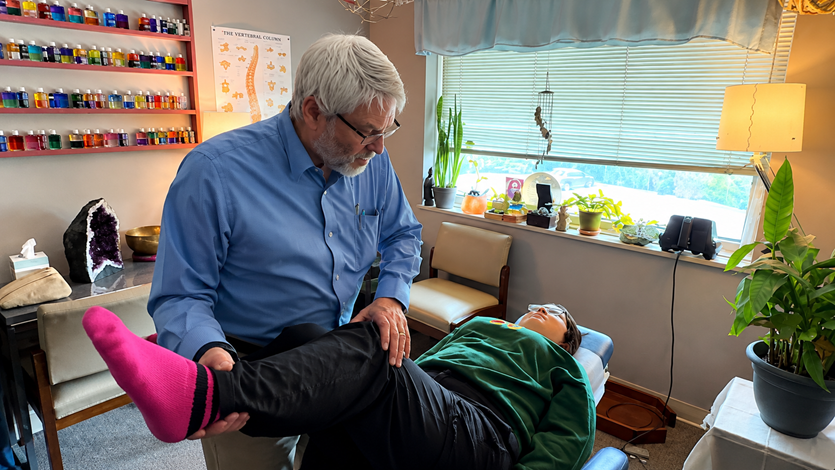

When stress begins to take a toll on your body and mind, incorporating relaxation techniques can be an excellent way to reclaim your sense of well-being. As a chiropractor, I always emphasize the importance of a holistic approach to health, and these techniques can complement your chiropractic care in achieving optimal wellness. Practices like deep breathing, mindfulness meditation, and progressive muscle relaxation can help you manage stress, promote a sense of calm, and even enhance your physical health.
Deep breathing exercises are a simple yet powerful way to reduce tension. By focusing on your breath, you can lower your heart rate and decrease anxiety. Mindfulness meditation encourages you to stay present, helping you to clear your mind of clutter and foster a peaceful state of being. Meanwhile, progressive muscle relaxation involves tensing and then relaxing different muscle groups, which can relieve tension and create a greater sense of relaxation throughout your body.
Incorporating these practices into your daily routine can enhance not only your emotional well-being but also support your spinal health. Stress can lead to muscle tightness and misalignments in the spine, which is where chiropractic care comes in. Regular chiropractic adjustments can help align your spine, alleviate pain, and keep your body functioning optimally.
So, if you’re feeling overwhelmed by stress, consider weaving these relaxation techniques into your life. They can provide a natural, effective way to help you cope with daily challenges. Remember, the combination of relaxation practices and chiropractic care is a powerful partnership for achieving a healthier, pain-free life. Take the time to nurture your body and mind – your spine will thank you!
Key Takeaways
- Deep breathing exercises can help you lower your heart rate and reduce anxiety. By focusing on your breath and visualizing tension leaving your body, you create a calming effect that complements chiropractic care in promoting overall wellness.
- Mindfulness meditation is a powerful tool to enhance emotional regulation and improve focus. When practiced regularly, it helps manage anxious thoughts and discomfort, making it a great addition to your chiropractic routine for holistic health.
- Progressive Muscle Relaxation (PMR) is another technique that can complement your chiropractic treatments. By systematically releasing tension in different muscle groups, PMR promotes relaxation and increases your awareness of physical sensations, which is vital for understanding how your body feels.
- Guided imagery can encourage natural healing. By visualizing peaceful places, you can improve oxygen flow to your muscles, supporting stress management. This mental exercise works hand in hand with chiropractic care to enhance your body’s natural healing abilities.
- Incorporating yoga and stretching techniques into your daily routine can promote spinal health and alleviate physical symptoms of stress. These practices foster mindfulness through body awareness and are excellent complements to chiropractic adjustments for maintaining a healthy spine.
Overall, integrating these relaxation techniques with chiropractic care can lead to a more balanced and healthier lifestyle. Remember, a well-aligned spine can significantly enhance your body’s ability to manage stress effectively.
Deep Breathing Exercises
When you’re feeling overwhelmed, deep breathing exercises can be a simple yet powerful way to regain your calm and promote overall wellness. By focusing on your breath, you shift your attention away from stressors and allow your body to relax, which is essential for maintaining a healthy spine and nervous system.
Start by finding a comfortable position, either sitting in a supportive chair or lying down on a firm surface. Take a slow, deep breath in through your nose, filling your lungs completely. Hold that breath for a moment, then exhale gently through your mouth. Repeat this process for several minutes, and notice how each breath brings a sense of tranquility.
As you breathe, visualize tension leaving your body with each exhale. This technique not only helps lower your heart rate but also reduces anxiety, which can contribute to physical discomfort and misalignments in your spine. By managing stress through deep breathing, you create a better environment for your body to heal naturally.
Incorporating deep breathing into your daily routine can be an effective tool for managing stress and enhancing your overall well-being. Pairing these exercises with regular chiropractic care will further support your journey to optimal health. Chiropractic adjustments can help ensure that your spine is aligned, which promotes better nerve function and overall vitality.
Mindfulness Meditation
In our fast-paced lives, it’s easy to feel overwhelmed and stressed. One effective way to find balance is through mindfulness meditation. This practice not only helps you stay present but can also support your overall health and wellness, particularly when combined with chiropractic care.
By focusing your thoughts and sensations, you can create a sense of calm that complements the benefits of spinal health. Here are some ways mindfulness meditation can enhance your well-being:
- Reduced anxiety: Practicing mindfulness can help manage anxious thoughts, which can contribute to tension in your body. When you’re less anxious, it can positively affect your spinal health and overall well-being.
- Improved focus: Regular mindfulness practice sharpens your concentration, which can enhance your experience during chiropractic adjustments. A clear mind allows for better awareness of your body and its needs.
- Enhanced emotional regulation: Mindfulness can help you navigate your emotions more effectively, making it easier to cope with physical discomfort or stress, which often manifest as tension in the spine.
- Better sleep: By calming your mind, mindfulness can lead to improved sleep quality. Quality rest is crucial for recovery and maintaining a healthy spine.
- Increased self-awareness: Becoming more attuned to your thoughts and feelings helps you recognize when you might need chiropractic care to address physical discomfort or misalignments.
To integrate mindfulness into your daily routine, consider setting aside just a few minutes each day to focus on your breath and be present.
Pairing this practice with regular chiropractic adjustments can help you achieve optimal health and live a more balanced life. Remember, taking care of your spine is essential for overall wellness, and combining it with mindfulness can enhance your journey to natural healing and healthier living.
Progressive Muscle Relaxation
Progressive Muscle Relaxation (PMR) is an effective technique that can significantly help in releasing tension and alleviating stress, which is essential for maintaining optimal health and wellness. By systematically tensing and relaxing different muscle groups, you enhance your awareness of physical sensations and learn to recognize the difference between tension and relaxation.
To practice PMR, find a quiet place where you can sit or lie down comfortably. Begin with your feet, tensing the muscles for a few seconds, then release and notice the difference in how your muscles feel. Gradually move up your body, focusing on your calves, thighs, abdomen, arms, and face. As you progress, pay attention to your breath—inhale deeply while tensing your muscles and exhale fully as you relax.
Incorporating PMR into your routine not only promotes relaxation but also supports your overall well-being. Regular practice can enhance your ability to manage stress and improve your sleep, which is vital for spinal health and overall vitality.
As a local chiropractor, I encourage you to consider combining PMR with chiropractic care. While PMR helps in managing tension, chiropractic adjustments can address any underlying spinal misalignments that contribute to discomfort and stress in the body. Together, they provide a holistic approach to achieving optimal health.
Guided Imagery
Guided imagery is an excellent technique that can complement your overall wellness routine, particularly when it comes to enhancing relaxation and reducing stress. As a chiropractor, I understand the importance of both physical and mental well-being in achieving optimal health.
By incorporating guided imagery into your life, you can support your body’s natural healing processes and promote a sense of well-being without relying on medications or surgeries.
Here’s how to practice guided imagery effectively to enhance your journey towards better health:
- Find a quiet space: Choose a comfortable spot in your home or office where you won’t be disturbed. This can be a peaceful corner or even your treatment room after an adjustment.
- Close your eyes: This helps you focus and tune out distractions, allowing your mind to relax.
- Breathe deeply: Take slow, deep breaths in through your nose and out through your mouth. Deep breathing not only calms your mind but also helps improve oxygen flow to your muscles and spine, which is essential for recovery and overall health.
- Visualize a scene: Imagine a calm and peaceful place, such as a serene beach or a tranquil forest. Engage all your senses—feel the warmth of the sun, hear the gentle waves, or smell the fresh pine of the forest. This sensory engagement helps to deepen your relaxation.
- Stay in the moment: Allow yourself to fully immerse in the tranquility of your visualization. This practice can help you release tension in your body and promote a sense of inner peace.
Incorporating guided imagery into your daily routine can be a powerful tool for managing stress and enhancing the benefits of chiropractic care.
Yoga and Stretching Techniques
Yoga and stretching techniques serve as excellent complementary practices to chiropractic care, helping to manage stress and enhance overall wellness. When you engage in yoga, you not only focus on your breath—which calms your mind and reduces anxiety—but you also promote spinal health through various postures. Simple poses like Child’s Pose or Downward Facing Dog can relieve tension in your muscles and improve flexibility, setting the stage for a healthier spine.
Incorporating stretching into your daily routine can further support your chiropractic treatments. Gentle stretches for your neck, shoulders, and back can alleviate physical symptoms of stress and tension that may contribute to discomfort. As you stretch, pay attention to your body’s signals and breathe deeply. This mindfulness practice connects your mind and body, fostering a sense of peace and relaxation that complements the benefits of chiropractic care.
Whether you join a class or practice stretching at home, consistency is crucial. Aim for a few minutes each day to maximize the benefits. Remember, routine stretching can be a fantastic way to maintain the alignment and health of your spine, which is vital for optimal overall health.
Conclusion
Incorporating relaxation techniques into your daily routine can significantly enhance your overall well-being, especially when paired with chiropractic care. Practices like deep breathing exercises, mindfulness meditation, and progressive muscle relaxation not only help reduce stress but also support your emotional health and improve sleep quality.
Chiropractic care plays a crucial role in this journey. By ensuring proper alignment of your spine, you can enhance your body’s ability to relax and recover from daily stressors. Techniques like guided imagery and yoga can further complement your chiropractic treatment, promoting a sense of calm while also supporting your spinal health.
Here are some simple tips to help you integrate these relaxation techniques into your daily life:
- Deep Breathing: Take a few minutes each day to practice deep breathing. Inhale deeply through your nose, hold for a moment, and exhale slowly through your mouth. This can help lower your stress levels and improve oxygen flow to your body.
- Mindfulness Meditation: Set aside a few minutes each day to sit quietly and focus on your breath. Allow your thoughts to pass by without judgment. This practice can help you gain perspective on stressors and promote a sense of inner peace.
- Progressive Muscle Relaxation: Lie down comfortably and tense each muscle group for a few seconds before relaxing them. This technique can help relieve tension and promote relaxation throughout your body.
- Incorporate Yoga: Gentle yoga can be a wonderful way to relieve tension and improve flexibility, especially when guided by a qualified instructor. It complements chiropractic adjustments by promoting spinal health.
- Stay Hydrated and Nourished: Drink plenty of water and eat a balanced diet rich in whole foods. Proper nutrition supports your body’s healing processes and overall well-being.
By embracing these relaxation practices alongside your chiropractic care, you will find it easier to cope with life’s challenges and enjoy a healthier, more balanced life. Remember, chiropractic care is a natural and effective way to achieve optimal health and wellness, providing you with the support your body needs to thrive.