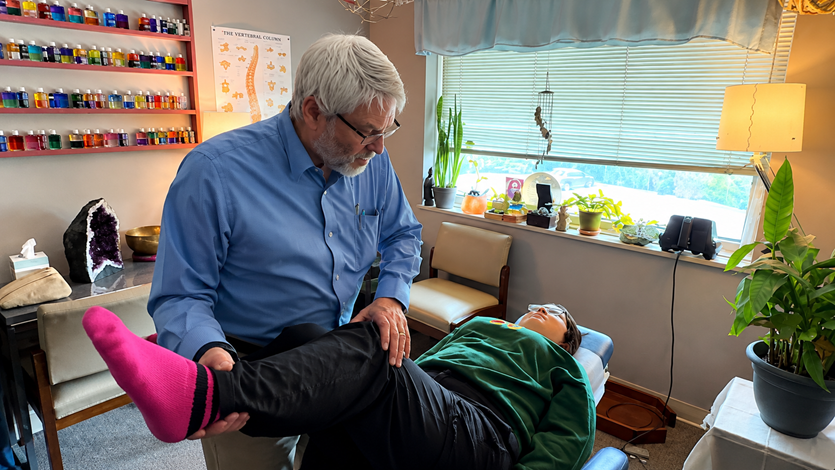

In today’s fast-paced world, finding natural ways to relax is essential for your overall well-being, especially when it comes to maintaining a healthy spine. As a chiropractor, I believe that incorporating therapy techniques like mindfulness meditation, deep breathing, and progressive muscle relaxation can effectively help reduce stress and enhance your sense of calm. These practices not only promote relaxation but also support your spinal health by reducing tension in your body.
Additionally, you can harness the benefits of nature, journaling, and creative arts to further enhance your relaxation techniques. Spending time outdoors, for instance, can have a profound impact on your mood and stress levels. The fresh air and natural surroundings can help clear your mind and promote a sense of peace, which is vital for maintaining a healthy spine and overall well-being.
Journaling your thoughts and feelings can also be a therapeutic way to process your emotions and alleviate stress. When you write, you create a space for self-reflection, which can help you identify areas of tension in your life—both mentally and physically. This awareness can guide you in seeking chiropractic care to address any underlying issues.
Creative arts, such as painting or crafting, can provide an excellent outlet for relaxation and stress relief. Engaging in these activities can take your mind off daily pressures and allow your body to unwind, which is key to keeping your spine healthy.
Remember, chiropractic care is always here to support you on your journey to optimal health. Regular adjustments can help alleviate pain, improve your mobility, and enhance your overall quality of life. By incorporating these natural relaxation techniques alongside chiropractic care, you can achieve a more balanced and healthier lifestyle. Prioritize your spine and well-being by exploring these methods today!
Key Takeaways
- Embrace mindfulness meditation as a powerful tool for enhancing your overall wellness. By focusing on the present moment, you can reduce stress and promote a healthier spine, making it easier to maintain your body’s natural alignment.
- Incorporate deep breathing exercises into your daily routine for instant calm and natural healing. Not only do these practices help to reduce tension, but they also support spinal health by encouraging proper posture and relaxation of the surrounding muscles.
- Try progressive muscle relaxation (PMR) as a method to systematically release tension throughout your body. This technique can significantly improve your sleep quality, allowing your body to heal and rejuvenate, which is essential for optimal spinal health.
- Spend quality time in nature through activities like hiking or gardening. These outdoor experiences not only lower stress levels but also enhance mental clarity, which can positively impact your overall health and well-being, including your spinal condition.
- Explore creative outlets such as journaling or guided visualization to promote emotional release and relaxation. These practices can help you connect with your mind and body, reinforcing the benefits of chiropractic care in achieving a balanced and pain-free life.
By integrating these natural techniques into your daily routine alongside chiropractic care, you can enhance your journey toward optimal health and wellness. Remember, chiropractic care is a holistic approach that focuses on the root causes of discomfort, ensuring you find relief and maintain a healthy spine for years to come.
The Power of Mindfulness Meditation
Although life can be hectic, taking a few minutes to practice mindfulness meditation can significantly enhance your overall wellness, especially when paired with chiropractic care. By focusing on the present moment, you create a space to step away from stress and distractions, which can often contribute to tension in your spine and overall discomfort.
To start, find a quiet spot where you can sit comfortably. Close your eyes and begin to observe your breath. Each inhale and exhale serves as a natural grounding technique, helping to release any built-up tension in your body.
As thoughts come to mind, acknowledge them without judgment, and gently guide your focus back to your breath. This practice not only cultivates awareness and clarity, but it can also complement your chiropractic adjustments by promoting relaxation and easing muscle tightness, making it easier to maintain the benefits of your care.
Incorporating mindfulness meditation into your daily routine doesn’t have to take hours; just a few minutes can lead to profound improvements in your physical and mental well-being. Prioritize this time for yourself, and you’ll likely notice a greater sense of calm and focus, which can enhance your body’s ability to heal naturally.
Remember, chiropractic care is an excellent choice for achieving optimal health and pain relief. By combining regular adjustments with mindfulness practices, you can foster resilience and tranquility, empowering you to respond to life’s challenges with grace and ease.
Focus on these simple techniques to support your journey toward a healthier, more balanced life.
Deep Breathing Exercises for Instant Calm
Mindfulness meditation is a great starting point for relaxation, but adding deep breathing exercises can bring you instant calm, especially when stress hits hard. As a chiropractor, I often see how tension in the body can affect overall health. When you feel overwhelmed, taking a moment to focus on your breath can help release that tension and promote natural healing.
To practice deep breathing, find a comfortable position—whether sitting or lying down. Close your eyes if you feel comfortable, and take a deep breath in through your nose for a count of four. Hold that breath for another count of four, then gently exhale through your mouth for a count of four. Repeat this cycle a few times, allowing each breath to ground you in the present moment and promote spinal alignment and relaxation.
As you breathe deeply, visualize the stress leaving your body with each exhale. You may notice that your mind begins to clear, and your body feels lighter. This simple technique can be practiced anywhere—at your desk, in your car, or even while waiting in line.
Integrating deep breathing into your daily routine can enhance your chiropractic care by helping you manage stress and maintain a healthier spine.
Remember, deep breathing is a powerful tool for regaining control and finding peace amid chaos. When combined with regular chiropractic adjustments, it can support your journey toward optimal health and wellness without the need for medications or surgeries.
Prioritize these practices, and you’ll be on your way to a healthier, more balanced life.
Progressive Muscle Relaxation Explained
Progressive Muscle Relaxation (PMR) is a straightforward technique that can significantly help in reducing stress and tension, particularly in the muscles surrounding your spine. As a chiropractor, I understand how vital it’s for your overall well-being to maintain a healthy spine and muscle harmony.
By practicing PMR, you can experience not only enhanced relaxation but also better sleep quality, which is essential for healing and optimal health.
The beauty of PMR lies in its simplicity: it involves tensing and then relaxing different muscle groups throughout your body. This process can help release built-up tension, especially in areas that may be contributing to back pain or discomfort.
Integrating PMR into your daily routine may also complement your chiropractic care, as it promotes a balanced state of relaxation that can aid in the healing process.
Here’s how you can effectively practice PMR:
- Find a Comfortable Space: Choose a quiet place where you can sit or lie down without distractions. This will help you focus on your body and breathing.
- Breathe Deeply: Begin with a few deep breaths. Inhale through your nose, allowing your belly to rise, and then exhale slowly through your mouth. Deep breathing is essential for relaxation and helps prepare your body for the exercise.
- Tense and Relax: Start with your feet. Tense the muscles in your feet for about five seconds, then release the tension and notice the difference. Move upward through your body—calves, thighs, abdomen, arms, and face—tensing each muscle group before relaxing.
- Focus on Sensations: As you relax each muscle group, pay attention to the sensations in your body. This mindfulness can help you become more aware of where you hold tension and how you can release it.
- Practice Regularly: To reap the full benefits of PMR, try to practice it daily. Just a few minutes can make a significant difference in how you feel.
Incorporating PMR into your wellness routine can enhance the benefits of chiropractic care by promoting relaxation and reducing muscle tension.
Remember, a healthy spine is crucial for overall health, and managing stress is an essential part of that equation. If you’re dealing with chronic pain or tension, chiropractic care can provide targeted relief and support your journey to better health.
Always prioritize natural healing methods like PMR and chiropractic adjustments for a holistic approach to wellness.
What Is PMR?
Imagine feeling the tension melt away from your body—this is the essence of Progressive Muscle Relaxation (PMR). PMR is a technique that can complement your chiropractic care by helping you recognize and release tension in your muscles, which is essential for maintaining a healthy spine and overall well-being.
During PMR, you’ll systematically tense and then relax different muscle groups, starting from your toes and working your way up to your head. This practice not only enhances your awareness of what tension feels like but also helps you appreciate the relief that comes with relaxation. By focusing on each area, you can develop a deeper connection with your body, which can be beneficial in conjunction with the adjustments and care you receive from your chiropractor.
Incorporating PMR into your routine can be a wonderful way to manage stress and discomfort. It encourages mindfulness, allowing you to tune into your body and recognize areas that may need extra attention. When you learn to identify tension, you can better communicate with your chiropractor about specific issues you may be experiencing.
Here are some tips to get started with PMR:
- Find a Quiet Space: Choose a comfortable and quiet place where you can relax without distractions.
- Breathe Deeply: Begin with a few deep breaths to center yourself and prepare for the session.
- Tense and Relax: Start with your toes, tensing them for a few seconds before releasing. Move slowly up through your body—feet, legs, abdomen, arms, and face—tensing and then relaxing each muscle group.
- Focus on the Contrast: Pay attention to how your muscles feel when they’re tense versus when they’re relaxed. This awareness can help you identify tension in your daily life.
- Practice Regularly: Try to incorporate PMR into your daily routine. Just a few minutes each day can make a significant difference in how you feel.
By integrating PMR into your wellness routine along with regular chiropractic care, you can enhance your body’s natural healing processes, reduce stress, and foster a greater sense of calm and balance in your life.
Benefits of PMR
Practicing Progressive Muscle Relaxation (PMR) can provide numerous benefits that significantly enhance your overall well-being, especially when integrated with chiropractic care. By systematically tensing and relaxing different muscle groups, you help reduce physical tension throughout your body, promoting a deep sense of calm. This technique is particularly effective in lowering stress and anxiety levels, making it easier to handle the daily challenges life throws your way.
As a chiropractor, I often emphasize the connection between stress, muscle tension, and spinal health. PMR can increase your body awareness, allowing you to identify areas where you hold tension. This awareness is crucial for effective stress management and can complement your chiropractic adjustments, which aim to relieve pressure on your nerves and improve overall function.
Additionally, practicing PMR may enhance the quality of your sleep. Good sleep is vital for your body to heal and regenerate, and when combined with regular chiropractic care, you can wake up feeling refreshed and ready to tackle the day.
With consistent practice, you may notice an increase in emotional resilience and a more positive outlook on life. This makes PMR a valuable tool for your mental health as well.
Here are a few tips to incorporate PMR into your routine:
- Find a Quiet Space: Set aside a few minutes in a comfortable, quiet area where you can focus on your relaxation.
- Start with Deep Breathing: Before beginning PMR, take a few deep breaths to center yourself and prepare your mind and body for relaxation.
- Work through Muscle Groups: Start from your toes and work your way up to your head, tensing each muscle group for a few seconds before letting go and relaxing.
- Combine with Chiropractic Care: Consider scheduling regular chiropractic appointments to address any physical tension, which can enhance the benefits of PMR.
- Make it a Habit: Try to practice PMR daily or several times a week to see the best results.
How to Practice
To effectively practice Progressive Muscle Relaxation (PMR), which can complement your chiropractic care and enhance your overall wellness, follow this structured approach to help your body and mind unwind.
First, find a quiet space where you can relax without interruptions. Choose to sit or lie down comfortably, and close your eyes. Take a few deep breaths to help center yourself and prepare for relaxation.
Start with your feet; gently tense the muscles for five seconds, then release and focus on the feeling of relaxation. Gradually work your way up through your body—calves, thighs, abdomen, arms, and face—tensing and releasing each muscle group.
Pay close attention to the contrast between tension and relaxation. This practice not only helps reduce stress but also promotes better spinal health by allowing your muscles to relax, which can alleviate tension that may affect your spine.
After you finish, take a moment to enjoy the calmness you’ve created. Regular practice of PMR can enhance its benefits and make it a valuable part of your daily routine, alongside your chiropractic visits.
By incorporating PMR into your wellness journey, you can achieve a greater sense of relaxation and support your body’s natural healing processes.
Utilizing Nature for Therapeutic Benefits
Spending time in nature can do wonders for your mental well-being and spinal health. Whether you’re hiking, gardening, or simply soaking in the scenery, these outdoor experiences not only help reduce stress but also promote mindfulness, which is essential for a healthy spine.
Engaging in physical activities outdoors, like walking on uneven terrain or practicing yoga in the park, can improve your posture and strengthen the muscles that support your spine.
As a chiropractor, I encourage you to connect with the natural world as part of your journey to optimal health. Here are some practical tips to enhance your relaxation and spinal wellness while enjoying the great outdoors:
- Practice Mindful Walking: When you’re out in nature, pay attention to your posture as you walk. Keep your head up, shoulders back, and engage your core. This can help prevent strain on your back and improve your overall posture.
- Stretch Among the Trees: Incorporate gentle stretches or yoga poses while you’re outside. This not only enhances flexibility but also allows you to connect your body with the calming energy of nature.
- Create a Gardening Routine: Gardening is a fantastic way to stay active while enjoying the outdoors. Remember to maintain proper body mechanics while bending or lifting to protect your spine. Use your legs for strength rather than your back.
- Take Breaks to Breathe: While enjoying the beauty of your surroundings, take moments to breathe deeply. This can help reduce tension in your body and mind, contributing to healthier spinal alignment.
- Listen to Your Body: Pay attention to how your body feels while engaging in outdoor activities. If you notice any discomfort, consider visiting your chiropractor to address any spinal issues before they escalate.
By integrating these simple practices into your outdoor experiences, you can support your spinal health and overall well-being.
Benefits of Nature Exposure
While you mightn’t realize it, stepping outside into nature can significantly enhance your well-being and support your spinal health. The sights, sounds, and smells of the outdoors provide a refreshing break from daily stressors, allowing your body and mind to relax. Breathing in fresh air can elevate your mood and sharpen your mental clarity, both of which are essential for maintaining a healthy spine.
Research indicates that spending time in natural settings lowers cortisol levels, which can help reduce stress and anxiety. For those experiencing back pain or discomfort, alleviating stress is crucial, as tension can exacerbate spinal issues. Engaging in physical activities, such as walking in the park or hiking through the woods, not only promotes overall fitness but also encourages proper posture and movement, which are vital for spinal health.
Nature also allows you to disconnect from technology, giving you a chance to reconnect with yourself and your body. This mindful awareness can lead to better body mechanics and a greater understanding of how to care for your spine. By immersing yourself in natural environments, you cultivate a sense of peace and rejuvenation that can greatly improve your overall quality of life.
Incorporating nature into your routine can be a simple yet effective way to support your health and wellness journey. Remember to practice good posture while you enjoy your outdoor activities, and consider regular chiropractic care to keep your spine aligned and functioning optimally.
Mindfulness in Natural Settings
Experiencing nature isn’t only about engaging in physical activity; it’s also a wonderful opportunity to practice mindfulness, which can greatly enhance your overall well-being.
When you immerse yourself in a natural setting, you can focus on the present moment, allowing you to release distractions and stress. This mindfulness practice can complement your chiropractic care, promoting a holistic approach to health.
Here are some simple ways to engage your senses while outdoors, which can also aid in your spinal health and overall wellness:
- Listen to the sounds of rustling leaves and chirping birds. This auditory experience can help ground you and reduce tension, which is vital for maintaining a healthy spine.
- Breathe in the fresh air, taking a moment to savor the earthy scents of grass and flowers. Deep breathing not only calms the mind but also promotes oxygen flow to your body, supporting muscle and joint health.
- Observe the vibrant colors of your surroundings, from the lush greens of trees to the bright blues of the sky. This visual engagement can improve your mood and reduce stress, contributing to a healthier lifestyle.
- Feel the texture of the ground beneath your feet as you walk. This connection with the earth can enhance your body awareness, which is essential for maintaining proper posture and spinal alignment.
Incorporating these simple practices into your time outdoors can transform your experience into a therapeutic one, reinforcing the benefits of chiropractic care.
Remember, prioritizing your health naturally, through mindfulness and engagement with nature, is a powerful way to achieve optimal well-being.
Always consider chiropractic care as a vital part of your journey toward pain relief and a healthier life.
Outdoor Activities for Stress Relief
Engaging in outdoor activities can be an excellent way to alleviate stress and promote overall wellness, especially when combined with chiropractic care. Nature has a unique ability to ground us, offering a soothing environment that can help calm the mind and restore balance to the body. Whether you prefer hiking, biking, or simply taking a leisurely walk in a park, these activities not only enhance your mood but also support your spinal health.
Here’s a helpful guide to choosing the right outdoor activity for stress relief while keeping your spine in mind:
| Activity | Benefits | Tips |
|---|---|---|
| Hiking | Improves mood, strengthens core | Start with easy trails to avoid strain on your back |
| Biking | Builds endurance, calms the mind | Ensure your bike is properly fitted to support your spine |
| Walking | Low impact, connects you to nature | Focus on good posture to protect your back |
| Gardening | Reduces tension, promotes focus | Use ergonomic tools to prevent strain |
| Picnicking | Encourages relaxation and social interaction | Choose a comfortable spot to sit and maintain good posture |
Incorporating these activities into your routine can significantly contribute to stress relief and overall health. Remember that maintaining a healthy spine is crucial for optimal functioning, so consider regular chiropractic check-ups to ensure your body is aligned and functioning at its best.
Get outside, enjoy nature, and take proactive steps towards a healthier, stress-free life!
Journaling as a Tool for Emotional Release
Journaling can be a fantastic way to enhance your emotional well-being, and it can also complement your journey towards optimal health through chiropractic care. When you express your thoughts and feelings on paper, you create a safe space that allows for emotional release, which is essential for overall wellness.
Here are four ways journaling can support your health and wellness journey:
- Unload your worries – Writing down your concerns can help lighten the emotional load you carry, reducing stress that may affect your spine and overall health. When you release these worries, you may find it easier to maintain good posture and stay relaxed.
- Celebrate your victories – Documenting your achievements, no matter how small, can boost your self-esteem and motivate you to continue your wellness journey. Recognizing the positive changes in your life can encourage you to stay committed to your chiropractic care and healthy habits.
- Explore your feelings – Journaling allows you to dive deep into your emotions, which can help you understand the connection between your mental state and physical health. By processing your feelings, you may be able to alleviate tension that could otherwise lead to discomfort or pain.
- Visualize your future – Write about your dreams and aspirations for a healthier life. This practice can help you set goals related to your chiropractic care and overall wellness, providing you with hope and motivation to take actionable steps towards achieving those goals.
Incorporating journaling into your routine can be a simple yet effective way to support your emotional and physical health.
Guided Visualization for Stress Relief
Guided visualization can be an excellent practice for relieving stress and supporting your overall wellness, especially when combined with chiropractic care. By envisioning calming scenes or positive outcomes, you can create a sense of peace that not only transforms your mindset but also complements the benefits of spinal health.
Stress can often lead to tension in the body, particularly in the spine, which is why chiropractic adjustments can play a crucial role in your journey to optimal health. Regular chiropractic care helps align your spine, relieve pain, and improve your body’s natural healing abilities. This holistic approach can enhance the effectiveness of guided visualization by ensuring that your body is in a balanced state.
Here are some steps to practice guided visualization effectively, along with tips on how chiropractic care can support your wellness journey:
- Find Your Space: Choose a quiet, comfortable place where you can sit or lie down without distractions. This can be enhanced further by visiting your chiropractor for routine adjustments, which can help reduce physical discomfort that may distract you during your practice.
- Breathe Deeply: Begin with deep breathing exercises to calm your mind and body. This is a great opportunity to incorporate stretches or gentle movements recommended by your chiropractor, as they can enhance relaxation and prepare your body for visualization.
- Visualize Calm: Picture a serene scene that brings you joy or peace—like a tranquil beach or a lush forest. This technique works best when your spine is aligned and your body is free of tension, which is where chiropractic adjustments come in.
- Focus on Positive Outcomes: Imagine achieving your goals or overcoming stressors. Chiropractic care not only addresses physical symptoms but also promotes a positive mindset by relieving the stress and tension that may be holding you back.
- Practice Regularly: Just like chiropractic care, consistency is key. Make guided visualization a regular part of your wellness routine. Consider scheduling regular visits to your chiropractor to maintain spinal health and enhance your overall well-being.
By integrating guided visualization with chiropractic care, you’re taking a comprehensive approach to stress relief and natural wellness. Remember, chiropractic care isn’t just about pain relief; it’s about creating a foundation for a healthier, happier life.
Prioritize your spinal health, and let these techniques work together to help you achieve optimal wellness.
Benefits of Guided Visualization
Visualization techniques can be a powerful tool for stress relief, allowing you to tap into your imagination to create calming mental images. As a chiropractor, I believe that incorporating practices like guided visualization into your routine can support your overall well-being, especially when combined with chiropractic care.
Here are four key advantages of guided visualization that can complement your journey to optimal health:
- Enhanced Relaxation: Picture yourself in a serene landscape, like a beach or forest. This mental imagery can help lower your heart rate and reduce muscle tension, which is essential for maintaining a healthy spine.
- Improved Focus: Visualizing your health goals—like achieving better posture or living pain-free—can sharpen your concentration and clarity of mind. This focus can translate into better adherence to your chiropractic care plan.
- Reduced Anxiety: Imagining comforting scenarios can alleviate feelings of anxiety and tension, which often contribute to physical discomfort. Lower anxiety levels can lead to a more relaxed body, making chiropractic adjustments more effective.
- Increased Positivity: Creating uplifting mental images can boost your mood and foster a sense of hope. A positive mindset is crucial for healing, as it can influence your body’s ability to recover and maintain health.
Incorporating guided visualization into your daily routine, alongside regular chiropractic visits, can pave the way for a more peaceful mind and body.
Steps to Practice Effectively
Many individuals discover that practicing guided visualization can be a powerful technique for reducing stress and promoting overall well-being. As a chiropractor, I believe in the importance of natural healing and wellness, and incorporating visualization can enhance the benefits of chiropractic care. To practice effectively, consider these straightforward steps:
- Find a quiet space: Select a comfortable area where you can relax without interruptions. This will help you focus on your body and mind.
- Close your eyes: Take a few deep breaths, inhaling through your nose and exhaling through your mouth. This helps to release tension and center your thoughts.
- Visualize: Imagine a peaceful and serene place, paying attention to the details such as vibrant colors and soothing sounds. This mental imagery can complement your chiropractic adjustments by promoting relaxation and enhancing the healing process.
Here’s a table to summarize the steps:
| Step | Action | Purpose |
|---|---|---|
| Find a quiet space | Choose a comfortable spot | Minimize distractions |
| Close your eyes | Take deep breaths | Center your mind |
| Visualize | Picture a serene place | Enhance relaxation |
Incorporating guided visualization into your daily routine can be an excellent complement to your chiropractic care, helping to promote relaxation, reduce stress, and support your journey toward optimal health. Remember, natural healing methods like chiropractic care and visualization work together to create a balanced approach to wellness.
Aromatherapy: Scents That Soothe
As you inhale the soothing scents of essential oils, you may find that stress starts to dissipate, creating a calm environment that supports your overall well-being.
While chiropractic care plays a crucial role in achieving optimal health, incorporating aromatherapy into your routine can complement your journey toward relaxation and natural healing.
By choosing your favorite essential oils, you can harness their calming properties to enhance your wellness. Here are four scents to consider, along with tips on how they can benefit you:
- Lavender – This gentle scent is renowned for its ability to promote peace and restful sleep. Incorporating lavender oil into your bedtime routine, perhaps through a diffuser, can help relax your mind and body, contributing to better spinal health by encouraging restorative sleep.
- Peppermint – An invigorating aroma, peppermint can help clear your mind and boost your energy levels. If you experience tension headaches or muscle tightness, consider using peppermint oil to relieve discomfort naturally. A simple neck and shoulder massage with diluted peppermint oil can work wonders.
- Bergamot – The refreshing, citrusy scent of bergamot is known to uplift your mood and reduce feelings of anxiety. This can be particularly helpful when you’re experiencing stress that may lead to physical tension in your back and neck. A few drops in a warm bath can help you unwind after a long day.
- Sandalwood – With its earthy and warm scent, sandalwood promotes a sense of grounding and calm. It’s a great addition to your relaxation routine, helping to ease the tension that might build up in your spine throughout the day.
Remember, while these scents can enhance your well-being, regular visits to your chiropractor are essential for maintaining spinal health and overall wellness.
By addressing any misalignments in your spine, chiropractic care can alleviate pain and support your body’s natural healing processes.
Consider integrating aromatherapy into your self-care routine, alongside chiropractic adjustments, for a holistic approach to health.
The Benefits of Yoga and Stretching
While you may view yoga and stretching as merely physical activities, they provide significant benefits for both your body and mind, particularly when integrated with chiropractic care. Regular practice of these techniques can enhance your flexibility, strength, and balance, all of which are crucial for maintaining proper spinal alignment and overall health. Additionally, yoga and stretching can effectively reduce stress, calm your mind, and improve your overall mood, complementing the holistic benefits of chiropractic adjustments.
Here’s a quick look at some key benefits that can be enhanced through chiropractic care:
| Benefit | Description |
|---|---|
| Increased Flexibility | Enhances your body’s ability to move freely, supporting spinal health. |
| Stress Reduction | Promotes relaxation and lowers cortisol levels, which can lead to a more aligned body. |
| Improved Posture | Encourages proper alignment and reduces discomfort, making chiropractic adjustments more effective. |
| Enhanced Focus | Boosts concentration and mental clarity, allowing for better engagement in your wellness journey. |
| Better Sleep | Aids in falling asleep faster and improving sleep quality, which is essential for recovery and health. |
Incorporating yoga and stretching into your routine can lead to a healthier, more balanced life, especially when paired with regular chiropractic care. These practices not only help alleviate pain but also enhance your overall wellness. So, roll out that mat, visit your chiropractor, and start experiencing the combined benefits today!
Sound Therapy: Harnessing the Power of Music
Sound therapy, which harnesses the power of music and sound frequencies, can be a valuable tool in enhancing your well-being, especially when combined with chiropractic care. Engaging with sound can create a soothing atmosphere that promotes relaxation and supports the healing process.
Here are some ways sound therapy can enhance your overall experience and contribute to your journey towards optimal health:
- Calming Ambient Sounds: Incorporate gentle nature sounds, such as flowing water or rustling leaves, into your daily routine. These soothing sounds can ease tension and help ground you, making it easier to maintain a relaxed state, which is essential for spinal health.
- Harmonic Tuning Forks: Consider exploring the vibrational healing of tuning forks. These tools can help align your energy and promote a sense of inner peace, complementing the adjustments you receive from chiropractic care and enhancing your body’s natural healing abilities.
- Binaural Beats: Utilize specific sound frequencies known as binaural beats. These can stimulate brainwave activity, potentially improving focus and reducing anxiety. Lower anxiety levels can lead to better posture and decreased muscle tension, further supporting your spinal health.
- Guided Meditation Music: Incorporate soft musical backgrounds during your meditation sessions. This can deepen your relaxation and enhance mindfulness, making it easier to connect with your body and recognize areas that may need attention, such as tension in the back or neck.
By integrating sound therapy into your wellness routine alongside chiropractic care, you can create a holistic approach to health that promotes relaxation, reduces pain, and supports your overall well-being.
Engaging in Creative Arts for Relaxation
Engaging in creative arts can be a wonderful way to promote relaxation and enhance your overall well-being. When you immerse yourself in activities like painting, drawing, or crafting, you allow your mind to step away from daily stresses and focus on the present moment. This creative process not only encourages self-expression but can also help you release built-up emotions, which is essential for maintaining a healthy spine and body.
You don’t have to be a professional artist to benefit from these activities; simply pick up a paintbrush or some clay and let your creativity flow. As you create, you may notice a calming sensation that helps alleviate tension in your body. This relaxation can be particularly beneficial for your spine, as stress often contributes to discomfort and misalignments.
Consider incorporating soothing music into your art sessions. Music can enhance your experience and further promote relaxation, which is vital for maintaining a healthy lifestyle. Remember, the goal is to engage in something that brings you joy and helps you unwind.
Setting aside time for creative activities not only boosts your mood but can also support your journey towards optimal health. It’s important to prioritize these moments of self-care. So, gather your supplies, find a comfortable space, and let your creativity guide you. Embrace the joy of creating, and notice how it contributes to a sense of peace in your life.
Additionally, as you explore these creative outlets, keep in mind the importance of regular chiropractic care. It can help maintain proper alignment, reduce stress, and enhance your overall wellness. By combining creative arts with chiropractic adjustments, you can support your body’s natural healing processes and achieve a healthier, more balanced life.
Conclusion
Incorporating natural relaxation techniques into your routine can significantly improve your overall well-being, especially when combined with chiropractic care. Practices like mindfulness meditation and deep breathing not only help calm the mind but also support spinal health by reducing tension in your body. Progressive muscle relaxation can alleviate stress, which is essential for maintaining a healthy spine.
Embracing nature, journaling, and engaging in creative arts can serve as powerful emotional outlets that also promote relaxation and wellness. Regular chiropractic adjustments can enhance these practices by ensuring your spine is aligned, allowing your body to function optimally and reducing pain.
Don’t overlook the soothing effects of aromatherapy and gentle activities like yoga, which can complement your chiropractic care by improving flexibility and reducing tension. Sound therapy can also create a peaceful environment that supports your relaxation efforts.
By blending these methods with regular chiropractic visits, you’ll not only find relief from pain but also cultivate a more balanced and joyful life. Remember, taking time for yourself is essential—you deserve to feel your best! Focus on incorporating these simple, natural techniques into your daily routine, and you’ll be on your way to optimal health and wellness.