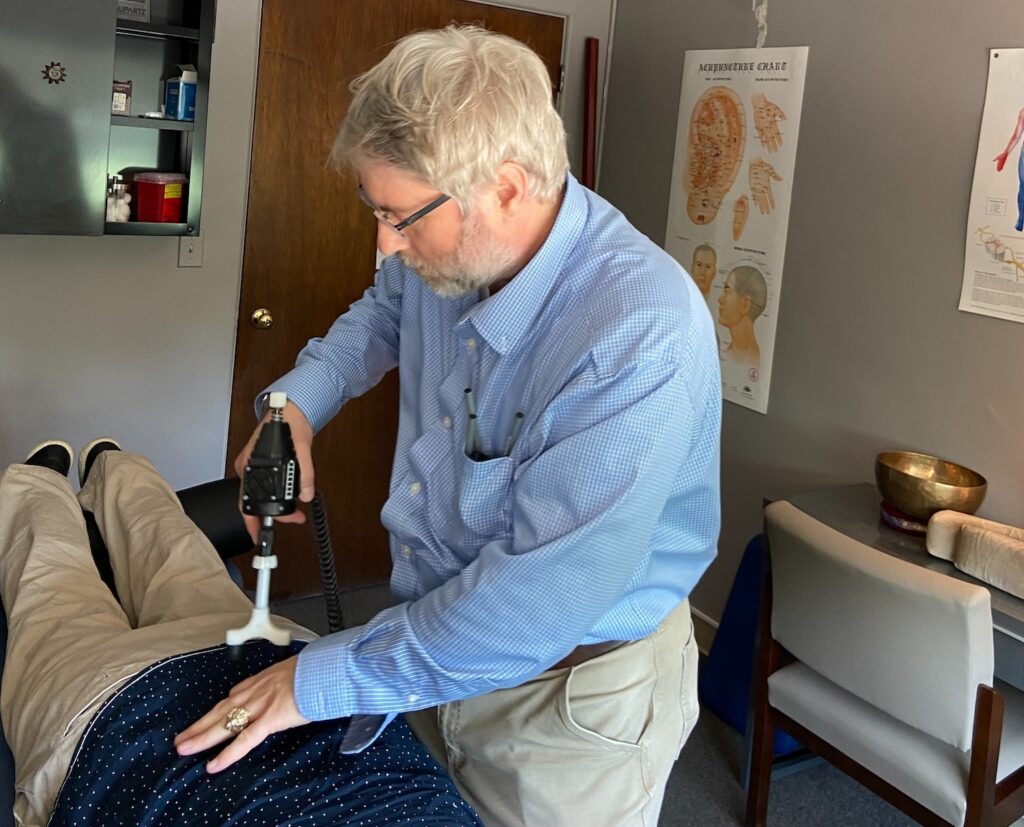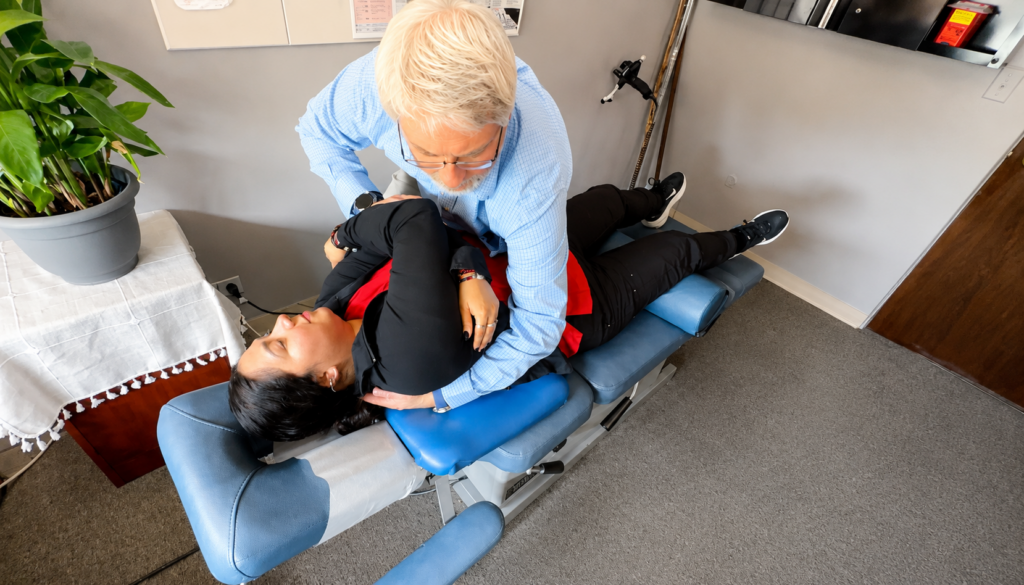

Managing chronic pain can feel overwhelming, but you have more control than you think. As a local chiropractor, I want to emphasize the importance of preventative care in your journey to pain relief and overall wellness. By focusing on natural healing methods, you can implement strategies that not only alleviate your symptoms but also promote long-term health.
Routine chiropractic visits are a cornerstone of effective pain management. Regular adjustments help align your spine, improve nerve function, and enhance your body’s natural ability to heal itself. Alongside chiropractic care, consider incorporating tailored exercise programs that focus on strengthening and stretching your muscles. These activities can help reduce tension and improve flexibility, which are key components in managing chronic pain.
As you explore these options, think about how small lifestyle changes can empower you on this journey. For instance, maintaining good posture while sitting and standing can significantly reduce strain on your spine. Additionally, incorporating mindfulness practices, such as deep breathing or meditation, can help manage stress, which is often a trigger for pain.
What’s the first change you might make? Perhaps it’s scheduling a chiropractic appointment, or starting a gentle exercise routine that suits your body’s needs. Remember, taking proactive steps towards your health can lead to lasting benefits. Embrace the power of chiropractic care and make it a vital part of your wellness journey!
Key Takeaways
- Regular chiropractic check-ups not only help you understand your pain better, but they also allow for early interventions that can lead to lasting relief from chronic pain. By visiting your chiropractor consistently, you can receive tailored advice and adjustments that address your specific needs.
- Customized exercise programs designed by your chiropractor can strengthen your muscles and improve your mobility. This, in turn, can help lessen the day-to-day impact of chronic pain, making your daily activities easier and more enjoyable.
- Keeping a daily pain journal is a simple yet effective tool. By noting when your pain flares up and what you were doing at the time, you can identify triggers and track the effectiveness of treatments. This information can be invaluable when discussing your care with your chiropractor, allowing for personalized management strategies that work best for you.
- Incorporating mindfulness and relaxation techniques, such as meditation and deep breathing exercises, can significantly help in managing pain. These practices not only reduce stress but also alter how your body perceives pain, making it a crucial part of your wellness routine.
- A balanced diet rich in anti-inflammatory foods can greatly support your overall health and complement your chiropractic care. Foods like leafy greens, berries, nuts, and fish can help reduce inflammation in your body, making it easier to manage chronic pain naturally.
By focusing on these chiropractic-friendly strategies, you can take proactive steps toward achieving optimal health and well-being. Remember, your chiropractor is here to guide you on this journey, providing the support and care you need to thrive without reliance on medications or surgeries.
Understanding Chronic Pain
Chronic pain can feel overwhelming and isolating, but it’s important to remember that you’re not alone in this journey. Many individuals experience similar challenges when pain persists long after injuries have healed or illnesses have resolved. Chronic pain is a complex condition influenced by physical, emotional, and psychological factors. Sometimes, your brain can become overly sensitive to pain signals, causing even minor discomfort to feel unbearable.
One key aspect of managing chronic pain is recognizing the patterns that may trigger your symptoms. You might find that stress, fatigue, or changes in your environment can influence your pain levels. By being aware of these triggers, you can take proactive steps to address them.
As a chiropractor, I believe in the power of natural healing and the body’s ability to recover with the right support. Chiropractic care focuses on aligning the spine and improving overall body function, which can significantly impact your pain levels. Regular chiropractic adjustments may help reduce inflammation, improve mobility, and support your body’s natural healing processes.
Here are some general tips to consider as you navigate chronic pain:
- Stay Active: Gentle movement can help keep your body flexible and strong. Activities like walking, swimming, or yoga can be beneficial.
- Practice Relaxation Techniques: Stress management is crucial. Techniques such as deep breathing, meditation, or mindfulness can help calm your mind and reduce pain perception.
- Maintain a Healthy Diet: Eating a balanced diet rich in anti-inflammatory foods can support your overall health. Consider incorporating plenty of fruits, vegetables, whole grains, and healthy fats.
- Establish a Routine: Creating a consistent daily routine can help you manage your energy levels and reduce the impact of fatigue on your pain.
- Seek Support: Connecting with others who understand what you’re going through can provide comfort. Consider joining a support group or talking to a friend or family member.
By acknowledging your pain and its impact on your life, you take an important step toward managing it. Gathering knowledge about your condition and exploring chiropractic care can empower you to find relief and regain control over your well-being.
The Importance of Preventative Care
Preventative care is crucial for effectively managing chronic pain, and chiropractic care stands out as a natural and holistic approach. By incorporating early intervention strategies and making simple lifestyle adjustments, you can significantly alleviate the burden of pain in your daily life.
Chiropractic care focuses on the spine and nervous system, helping to restore proper alignment and function, which can lead to improved overall health. Regular chiropractic adjustments can enhance your body’s natural ability to heal and maintain balance, reducing the likelihood of pain flare-ups.
Here are some practical tips to help you on your journey to a healthier, more manageable life:
- Stay Active: Gentle exercises like walking or stretching can help keep your body limber and promote spinal health. Consider incorporating activities like yoga or swimming, which are low-impact and beneficial for your overall wellness.
- Mind Your Posture: Be mindful of your posture, especially if you spend long hours sitting. Proper alignment can relieve unnecessary stress on your spine and reduce pain. Use ergonomic furniture when possible and take regular breaks to stretch.
- Practice Relaxation Techniques: Stress can exacerbate chronic pain. Try incorporating relaxation techniques such as deep breathing, meditation, or mindfulness into your daily routine to help manage stress levels.
- Stay Hydrated and Nourished: Proper nutrition and hydration play a vital role in overall health. Make sure to drink plenty of water and eat a balanced diet rich in fruits, vegetables, lean proteins, and whole grains to support your body’s healing processes.
- Regular Chiropractic Visits: Schedule regular visits with your chiropractor to maintain spinal health and prevent pain before it starts. Your chiropractor can tailor a wellness plan specifically for you, focusing on your unique needs.
By taking these proactive steps and embracing chiropractic care as a cornerstone of your health journey, you can pave the way for a future where pain is less of a burden, and wellness is within reach.
Early Intervention Strategies
Early intervention strategies are crucial in managing chronic pain, and as a chiropractor, I believe that natural healing through chiropractic care is one of the best ways to achieve optimal health.
By addressing issues before they escalate, you can significantly enhance your quality of life. Here are four key strategies to consider:
- Regular chiropractic check-ups: Make routine visits to your chiropractor to keep track of your spinal health and overall wellness. Regular adjustments can help maintain proper alignment and prevent pain from worsening.
- Understanding pain management through chiropractic: Educate yourself about various pain relief methods that involve chiropractic care. Techniques like spinal adjustments, soft tissue therapy, and lifestyle advice can effectively alleviate pain without the need for medications.
- Customized exercise plans: Work with your chiropractor to develop a personalized exercise program that strengthens your muscles and improves your mobility. Gentle exercises can complement your chiropractic treatments and enhance your overall well-being.
- Mindfulness and relaxation practices: Incorporate stress reduction techniques such as deep breathing, meditation, or yoga into your routine. These practices can help you manage pain perception and contribute to a healthier, more balanced life.
By implementing these strategies early on, you can take control of your health and minimize the impact of chronic pain.
Chiropractic care offers a natural, holistic approach to wellness, allowing you to regain your vitality and enjoy life to the fullest.
Lifestyle Modifications Impact
Making small lifestyle modifications can significantly enhance your ability to manage chronic pain and promote overall wellness. One of the best ways to support your body is by incorporating regular exercise into your daily routine. This doesn’t have to be intense; simple activities like walking or stretching can help strengthen your muscles and improve flexibility, which can reduce discomfort.
Eating a balanced diet is equally important. Focus on incorporating anti-inflammatory foods such as fruits, vegetables, whole grains, and healthy fats. These foods support your overall health and can help lower pain levels naturally.
Don’t underestimate the power of good sleep! Prioritizing restful sleep allows your body to recover and cope with pain more effectively. Aim for a consistent sleep schedule and create a calming bedtime routine to help your body unwind.
Additionally, practicing relaxation techniques like mindfulness or gentle yoga can greatly reduce stress, which often leads to a decrease in pain perception. When your mind is relaxed, your body tends to feel more at ease as well.
Staying hydrated is crucial too; make sure you’re drinking enough water throughout the day. Also, try to limit your intake of alcohol and caffeine, as these can exacerbate symptoms.
Remember, these lifestyle changes don’t need to be overwhelming. Small, consistent efforts can lead to remarkable improvements in your quality of life.
And when it comes to pain relief and natural wellness, consider incorporating chiropractic care into your routine. It’s a powerful way to support your body’s natural healing processes and maintain optimal health without the need for medications or invasive procedures.
Together, we can work towards a healthier, pain-free life!
Lifestyle Changes for Pain Management
When it comes to managing chronic pain, making lifestyle changes can significantly enhance your quality of life. You don’t have to depend solely on medication; simple adjustments can lead to substantial improvements.
As a chiropractor, I believe that chiropractic care is one of the best ways to achieve optimal health and pain relief. Here are four lifestyle changes you can adopt to support your journey toward wellness:
1. Stay Active with Gentle Exercises: Engaging in low-impact activities like walking or swimming can help strengthen your muscles and improve flexibility. Regular movement is essential not only for your body but also for your spine.
Incorporating chiropractic adjustments can further enhance your mobility and reduce pain over time.
2. Nourish Your Body with a Healthy Diet: Focus on consuming anti-inflammatory foods, such as colorful fruits, fresh vegetables, and whole grains. A balanced diet supports overall health and can help manage inflammation.
Consider discussing your nutritional choices with your chiropractor, who can provide personalized advice to complement your spinal health.
3. Manage Stress Effectively: High stress levels can exacerbate pain. Techniques like meditation, yoga, or deep breathing exercises can help lower stress, promoting a sense of calm.
Many patients find that regular chiropractic adjustments also alleviate stress by improving spinal function and promoting relaxation.
4. Prioritize Quality Sleep: Establishing a consistent sleep routine is vital for recovery and pain management. Good sleep enhances your body’s healing processes and can decrease sensitivity to pain.
If you struggle with sleep, consider consulting with your chiropractor, who can offer tips on how spinal health impacts your rest.
Early Interventions and Their Benefits
Early diagnosis and intervention can make a world of difference when it comes to managing chronic pain, especially through natural methods like chiropractic care. By embracing lifestyle modifications and regularly monitoring your progress, you can significantly improve your overall well-being.
Chiropractic care focuses on aligning your spine and promoting your body’s natural ability to heal itself. By addressing misalignments or subluxations in your spine, you can alleviate pain and enhance your body’s function, leading to better health outcomes.
Here are a few tips to help you on your journey to wellness:
- Stay Active: Gentle exercises, such as walking or stretching, can support spinal health and improve mobility.
- Posture Check: Be mindful of your posture throughout the day, whether sitting at a desk or standing. Good posture helps maintain spinal alignment and reduces strain.
- Hydration Matters: Drinking plenty of water supports overall health and can help keep your spinal discs hydrated, improving flexibility and reducing pain.
- Regular Chiropractic Visits: Consistent chiropractic adjustments can keep your spine aligned and help prevent pain from returning.
- Listen to Your Body: Pay attention to what your body is telling you. If you notice any discomfort, seek out chiropractic care to address issues early on.
By choosing chiropractic care as your primary approach for pain relief and wellness, you’re opting for a natural, holistic solution that empowers your body to function at its best.
Importance of Early Diagnosis
Recognizing the signs of chronic pain early on can greatly enhance your overall well-being. As a local chiropractor, I want to emphasize how crucial early diagnosis is for your health journey. Taking action early allows you to regain control of your body and can lead to significant benefits. Here’s why seeking chiropractic care promptly is essential:
- Timely Treatment: Early chiropractic adjustments can prevent pain from escalating. By addressing misalignments in your spine, we can help manage and alleviate discomfort before it becomes more severe.
- Better Outcomes: Research shows that early chiropractic interventions often lead to more effective pain relief. Many patients experience improved mobility and a higher quality of life when they start care sooner.
- Preventing Complications: Addressing pain and discomfort early can help prevent additional health issues from developing. Regular chiropractic care keeps your body aligned and functioning properly, reducing the risk of further complications.
- Empowerment: Understanding what’s going on with your body and how chiropractic care can help empowers you to take charge of your health. You’ll feel more confident advocating for your wellness needs.
General Tips for Wellness:
- Stay active: Gentle exercises like walking or stretching can keep your body moving and help prevent stiffness.
- Maintain good posture: Being mindful of your posture while sitting and standing can help alleviate strain on your spine.
- Hydrate: Drinking plenty of water supports overall health and helps keep your joints lubricated.
- Listen to your body: If you notice any unusual pain or tension, don’t hesitate to seek chiropractic care.
Lifestyle Modifications and Benefits
Making lifestyle modifications can significantly enhance your journey in managing chronic pain, and chiropractic care plays a key role in this process. By incorporating regular chiropractic adjustments into your routine, you can align your spine, improve your overall posture, and encourage proper movement patterns, all of which can help reduce pain levels.
Nutrition is equally important; a balanced diet rich in anti-inflammatory foods—like fruits, vegetables, and whole grains—can support your overall health and decrease discomfort. Remember, what you eat can directly affect the way your body feels, so consider incorporating more whole foods and limiting processed options.
Prioritizing quality sleep is another crucial factor in pain management. Restorative sleep helps your body heal and reduces sensitivity to pain. Creating a comfortable sleep environment and establishing a bedtime routine can make a big difference.
Furthermore, stress management techniques such as mindfulness, meditation, and gentle exercises like yoga can also help you cope better with chronic pain. These practices promote relaxation and a sense of well-being, enhancing the benefits of chiropractic care.
These changes may seem small, but they can lead to considerable improvements in your daily life. By focusing on these lifestyle modifications and incorporating chiropractic care, you can empower yourself to regain control and enhance your overall wellness.
Regular Monitoring Strategies
While focusing on lifestyle modifications to manage chronic pain, incorporating regular monitoring strategies can significantly enhance your progress towards optimal health. By closely observing your condition, you can spot potential flare-ups early and adjust your approach, particularly with the support of chiropractic care.
Here are four effective monitoring strategies that can help you on your journey:
- Daily Pain Journal: Keep a simple log of your pain levels, triggers, and the natural remedies or chiropractic techniques you use for relief. This can help identify patterns and show you how chiropractic adjustments impact your pain over time.
- Regular Check-Ins with Your Chiropractor: Schedule consistent appointments with your chiropractor to discuss your progress. They can help tailor your treatment plan, ensuring it aligns with your ongoing needs and enhances your overall well-being.
- Symptom Tracking Apps: Utilize technology to track your symptoms. Many apps allow you to record your pain levels and any activities or treatments you’ve tried. Sharing this information with your chiropractor can lead to more informed, personalized care.
- Physical Activity Logs: Keep a record of your exercise routines and how they affect your pain levels. Physical activity, especially when combined with chiropractic care, can be a powerful tool for managing pain and improving your overall health.
By implementing these strategies, you can take charge of your pain management and work towards a healthier, more vibrant life through the benefits of chiropractic care.
The Role of Nutrition in Pain Relief
When managing chronic pain, it’s important to consider how nutrition can play a significant role in your overall well-being. The foods you choose can either make your discomfort worse or help alleviate it. Incorporating anti-inflammatory foods, such as fatty fish, leafy greens, and nuts, can help reduce pain levels. For instance, the omega-3 fatty acids found in fish have been shown to fight inflammation, while the antioxidants in fruits and vegetables support a healthy immune system.
On the flip side, processed foods, refined sugars, and excessive alcohol can increase inflammation and worsen your pain. Staying hydrated is also crucial; drinking plenty of water helps your body function optimally and can assist in managing discomfort.
One practical tip is to keep a food diary to track which foods may be impacting your pain levels. By being mindful of your dietary choices, you can empower yourself to make changes that enhance your quality of life. Remember, nutrition isn’t just about what you eat; it’s a vital part of your pain management strategy.
As a chiropractor, I encourage you to explore how natural healing methods, including dietary adjustments and chiropractic care, can work together to support your journey toward optimal health.
Chiropractic care focuses on aligning your spine and improving your body’s function, which can further enhance your overall wellness. By integrating healthy eating habits with regular chiropractic adjustments, you can take significant steps toward reducing pain and improving your quality of life.
Incorporating Mindfulness and Stress Reduction
Incorporating mindfulness and stress reduction techniques can significantly enhance your ability to manage chronic pain, especially when combined with chiropractic care. These practices not only help you focus on the present moment, reducing anxiety and tension that can make your pain feel worse, but they also complement the natural healing benefits of chiropractic adjustments.
Here are four effective techniques to incorporate into your daily routine:
- Meditation: Dedicate a few minutes each day to meditate. Find a quiet space, close your eyes, and focus on your breath. When your mind wanders, gently bring your attention back to your breathing. This practice can help create a sense of calm that supports your chiropractic treatment.
- Deep Breathing: During pain flare-ups, take a moment to practice deep breathing exercises. Inhale deeply through your nose, hold for a count of four, and then exhale slowly through your mouth. This technique not only helps to ease tension but also promotes relaxation, making your chiropractic adjustments more effective.
- Gentle Yoga: Engaging in gentle yoga stretches can promote flexibility and relaxation. These movements can help alleviate muscle tension and improve your overall mood. Many patients find that yoga enhances the benefits they receive from their chiropractic care, leading to a more balanced body and mind.
- Progressive Muscle Relaxation: This technique involves tensing and then relaxing each muscle group in your body, starting from your toes and moving up to your head. It’s a great way to release physical stress and can enhance your overall well-being. Incorporating this practice regularly can help your body respond better to chiropractic adjustments.
Remember, chiropractic care focuses on the root cause of pain and promotes natural healing, making it an optimal choice for pain relief and overall wellness.
Building a Support Network for Chronic Pain Management
Building a support network can be a transformative step in managing chronic pain, and as a chiropractor, I believe it’s essential to surround yourself with people who understand your journey. Connecting with supportive friends, family, and health professionals creates an environment where you feel validated and encouraged. Sharing your experiences with those who care can provide both emotional support and practical help.
Consider joining local or online support groups tailored to those dealing with chronic pain. These groups are excellent for exchanging coping strategies, resources, and motivation. It’s comforting to know you’re not alone in your struggles, and these connections can lead to valuable insights.
Don’t overlook the importance of working with healthcare professionals who specialize in natural healing, like chiropractors. We focus on addressing the root causes of pain through spinal adjustments and holistic approaches. Open communication with your chiropractor is crucial; together, you can create a personalized treatment plan that aligns with your wellness goals.
Here are some general tips to enhance your journey to pain relief and better health:
- Stay Active: Gentle exercises, like stretching and low-impact activities, can help maintain mobility and reduce pain.
- Posture Awareness: Pay attention to your posture, especially when sitting for long periods. Good posture can alleviate unnecessary strain on your spine.
- Nutrition Matters: A balanced diet rich in anti-inflammatory foods can support healing and overall health.
- Stay Hydrated: Drinking enough water is vital for maintaining healthy spinal discs and overall well-being.
- Mindfulness and Relaxation: Practices like yoga and meditation can help manage stress and promote relaxation, which is beneficial for pain relief.
Conclusion
Managing chronic pain effectively can significantly enhance your quality of life, and one of the best approaches to consider is chiropractic care. By embracing a preventative care mindset, you can focus on natural healing methods that promote overall wellness and keep your spine in optimal condition.
Chiropractic care emphasizes the importance of early interventions, which can help address pain at its source. Regular adjustments not only relieve discomfort but also support your body’s natural ability to heal itself. Incorporating lifestyle changes such as proper posture, regular exercise, and a balanced diet can further bolster your spine’s health and reduce pain.
In addition, stress reduction techniques like deep breathing, meditation, or gentle yoga can complement your chiropractic treatments by promoting relaxation and reducing tension in your body. Remember, maintaining a strong support network of family and friends is also crucial for your journey toward wellness.
Stay committed to your chiropractic care, and prioritize your health with these proactive strategies. With the right approach, you’re not just managing pain—you’re enhancing your overall well-being and setting the stage for a healthier, happier future. Choose chiropractic care as your pathway to natural pain relief and wellness, and discover the benefits it can bring to your life.