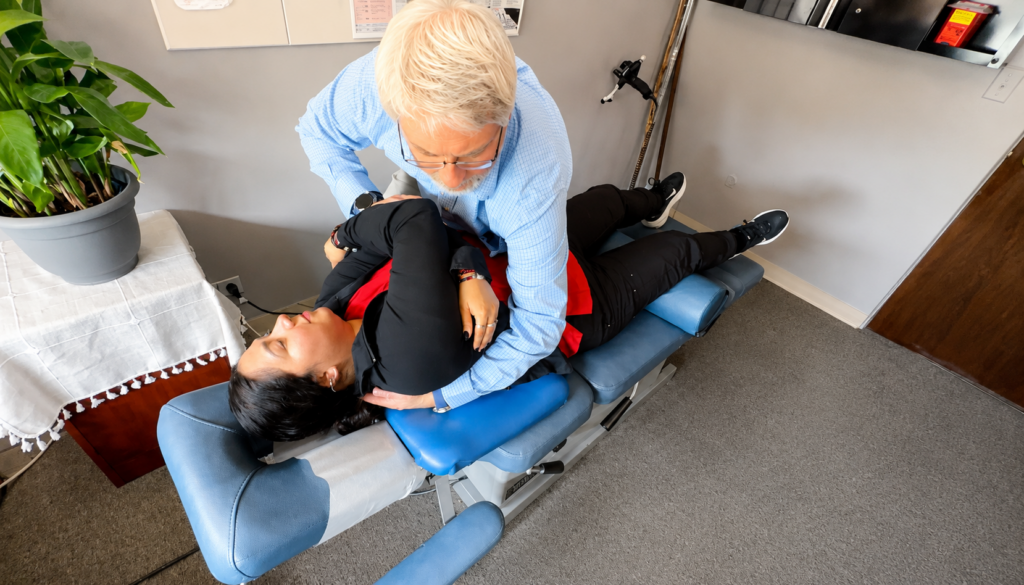

Improving your joint flexibility is essential for overall mobility and well-being, and chiropractic care is a powerful ally in this journey. By focusing on spinal health and proper alignment, chiropractic adjustments can enhance your range of motion, reduce discomfort, and promote natural healing.
In addition to regular chiropractic visits, you can incorporate gentle stretching, yoga, and Pilates into your routine to further support your flexibility goals. These practices work well alongside chiropractic care by helping to strengthen your muscles and improve balance, which are crucial for maintaining joint health.
Here are some specific methods you can try:
- Gentle Stretching: Start with simple stretches that target your major joints. For instance, neck rolls can relieve tension in your cervical spine, while ankle circles can help maintain mobility in your lower limbs.
- Yoga Poses: Incorporating poses like Downward Dog or Cat-Cow can open up your hips and spine, promoting better flexibility. Remember to listen to your body and avoid pushing into pain.
- Pilates Movements: Focus on core-strengthening exercises that emphasize controlled movements. This can help improve your overall stability and support your joints.
- Regular Chiropractic Care: Make regular appointments with your chiropractor to assess your spinal alignment and address any issues that may be affecting your flexibility. This proactive approach can help you maintain optimal health and prevent discomfort.
- Stay Hydrated: Drinking plenty of water throughout the day is vital for joint health, as adequate hydration helps keep your cartilage lubricated.
- Warm Up Before Activities: Always take a few minutes to warm up your muscles before engaging in any physical activities. This prepares your body and reduces the risk of injury.
By integrating these techniques into your routine and prioritizing chiropractic care, you can transform your flexibility and enhance your overall quality of life. Remember, maintaining healthy joints is key to supporting your daily activities and achieving optimal well-being.
Key Takeaways
- Integrate gentle stretching exercises into your daily routine to enhance joint flexibility and alleviate stiffness. These simple movements can be done at home and are effective in promoting better joint health.
- Participate in low-impact activities such as yoga and swimming, which are fantastic for encouraging joint movement while being easy on your body. These activities can help you maintain mobility and improve your overall wellness.
- Make chiropractic visits a regular part of your health routine. A chiropractor can help improve your joint alignment and relieve muscle tightness, which is essential for increasing flexibility and reducing pain naturally.
- Consistently practice good posture. This not only helps prevent stiffness but also enhances the range of motion in your joints. Being mindful of your posture throughout the day can lead to significant improvements in how you feel.
- Use dynamic stretching before engaging in physical activities to warm up your muscles, and follow up with static stretching afterward to promote relaxation and flexibility. This two-step process is vital for maintaining healthy joints and preventing injuries.
Remember, chiropractic care is a natural and effective option for achieving optimal health and well-being. By focusing on these simple tips, you can enhance your joint flexibility and enjoy a more active lifestyle.
Understanding Joint Flexibility and Its Importance
Joint flexibility is a crucial aspect of maintaining your overall movement and function. It enables your joints to move freely through their full range of motion, which is essential for everyday activities like walking, bending, and reaching. When your joints are flexible, you not only reduce the risk of injuries but also enhance your physical performance. Improved flexibility contributes to better posture and alignment, making daily tasks feel more manageable.
If you lack proper joint flexibility, you may experience stiffness, discomfort, or even chronic pain, which can limit your ability to enjoy physical activities. Understanding the significance of joint flexibility can help you prioritize it in your daily routine. Incorporating small movements throughout your day can lead to significant improvements in how your body feels and functions.
As a chiropractor, I emphasize the importance of natural healing methods to enhance joint flexibility. Regular chiropractic adjustments can help improve your joint mobility, relieve pain, and support your overall well-being. By focusing on enhancing your joint flexibility through chiropractic care, you’re making an investment in your health, mobility, and quality of life.
Here are some simple tips to improve your joint flexibility:
- Incorporate Gentle Stretching: Try to include stretching exercises into your daily routine. Stretching can help maintain and improve your flexibility over time.
- Stay Active: Engage in low-impact activities like walking, swimming, or yoga. These activities promote joint movement without putting too much strain on your body.
- Practice Good Posture: Being mindful of your posture can help prevent stiffness and discomfort in your joints. Make sure to sit and stand upright, aligning your spine properly.
- Stay Hydrated: Drinking plenty of water is essential for joint health. Proper hydration helps keep the cartilage in your joints lubricated.
- Schedule Regular Chiropractic Visits: Regular adjustments can help keep your joints flexible, relieve tension, and improve your overall health.
Make flexibility a key component of your wellness journey, and consider chiropractic care as a natural, effective approach to achieving optimal health and vitality.
Stretching Routines for Enhanced Mobility
When it comes to enhancing your mobility, incorporating both dynamic and static stretching routines is essential, especially for those seeking natural ways to improve their overall health. As a chiropractor, I believe that proper movement is key to spinal health and overall wellness.
Dynamic stretching is great because it prepares your muscles for activity, helping to warm them up and improve circulation. On the other hand, static stretching is beneficial post-workout, as it aids in improving flexibility and relaxation.
By focusing on these techniques, you can’t only enhance your joint flexibility but also support your spine’s health. Here are some tips to help you incorporate stretching into your routine:
- Start Slow: Begin with gentle dynamic stretches, such as arm circles or leg swings, to get your body moving and ready for activity.
- Listen to Your Body: Pay attention to how your body feels during stretches. If something hurts, ease off and try a gentler movement.
- Hold Your Static Stretches: After your workout, take time to hold each static stretch for 15-30 seconds. This can help reduce muscle tension and improve flexibility.
- Stay Consistent: Make stretching a regular part of your routine. Consistency is key to seeing improvements in your mobility.
- Consider Chiropractic Care: Regular visits to a chiropractor can enhance the benefits of your stretching routine. Chiropractic adjustments can help align your spine and improve overall body function, making your stretching efforts even more effective.
Incorporating these stretching techniques, along with regular chiropractic care, can lead to a healthier, more mobile lifestyle.
Dynamic Stretching Benefits
Dynamic stretching is an excellent way to boost your mobility and prepare your body for activity, especially when you’re aiming for a healthy lifestyle. This type of stretching involves controlled movements that not only increase blood flow but also enhance flexibility, making it a vital part of your warm-up routine.
As a chiropractor, I believe that incorporating dynamic stretching can complement your journey toward optimal health and wellness. Here are three key benefits of dynamic stretching that can help you feel your best:
- Increases Range of Motion: Dynamic stretching helps to improve the flexibility of your joints, which can lead to smoother, more fluid movements during your workouts. This is particularly important for maintaining a healthy spine and overall body alignment.
- Boosts Performance: Engaging in dynamic stretches activates your muscles, which can enhance your strength and power. This means you can perform better in your activities and sports, all while supporting your body’s natural biomechanics.
- Reduces Injury Risk: Warming up with dynamic stretches prepares your body for more intense activities, helping to minimize the risk of strains or sprains. By caring for your body this way, you also support your spine, reducing the likelihood of discomfort or pain.
As you incorporate dynamic stretching into your routine, remember that chiropractic care is a fantastic way to support your overall health and wellness. Regular chiropractic adjustments can help ensure that your spine is aligned and functioning well, which is crucial for achieving optimal mobility and preventing injuries.
Here are a few simple tips to get you started with dynamic stretching:
- Leg Swings: Stand next to a wall for support and swing one leg forward and backward, gradually increasing the range of motion.
- Arm Circles: Extend your arms out to the sides and make small circles, gradually increasing the size of the circles to warm up your shoulders.
- Torso Twists: Stand with your feet shoulder-width apart and gently twist your torso side to side to loosen up your spine.
Incorporating these dynamic stretches into your routine, along with regular chiropractic care, can significantly enhance your mobility, support your spinal health, and promote a more active, pain-free life.
Always listen to your body and consult with your chiropractor for personalized advice on the best practices for your health journey.
Static Stretching Techniques
After you’ve warmed up with dynamic stretches, incorporating static stretching techniques can significantly benefit your overall mobility and flexibility. Static stretching involves holding a stretch for 15 to 60 seconds, which allows your muscles to relax and elongate—essential for maintaining a healthy spine and reducing tension in your body.
As a chiropractor, I encourage you to focus on major muscle groups such as your hamstrings, quadriceps, and shoulders. For example, you can try the seated hamstring stretch: while sitting, extend one leg in front of you and gently reach toward your toes. This helps alleviate tension in the lower back and hamstrings, promoting better spinal alignment.
Remember to take deep breaths and avoid bouncing during your stretches, as this can lead to injury and tension rather than relief. You should feel a gentle pull without any pain.
Integrating these static stretches into your routine after workouts or on your rest days can enhance your overall wellness. Consistency is key! With regular practice, you’ll notice improved range of motion and reduced stiffness, making daily activities easier and more enjoyable.
Plus, these techniques complement chiropractic care, which focuses on natural healing and wellness. By prioritizing both chiropractic adjustments and effective stretching, you can achieve optimal health and a pain-free lifestyle.
Always listen to your body, and if you have any concerns, consider consulting with your chiropractor for personalized advice.
The Role of Manual Therapy in Flexibility
The Role of Chiropractic Care in Enhancing Flexibility
Chiropractic care plays a crucial role in improving joint flexibility by directly addressing the soft tissues and alignment surrounding the joints. By utilizing hands-on techniques, you can experience better mobility and reduced tension.
Here are three key benefits of chiropractic care for enhancing flexibility:
- Boosted Circulation: Chiropractic adjustments stimulate blood flow, delivering essential nutrients to your muscles and joints. This improved circulation helps in healing and promotes greater flexibility.
- Relief from Muscle Tightness: Through specialized techniques, chiropractors can effectively release tight muscles, allowing for a wider range of motion and better joint function. This not only helps with everyday activities but also enhances your overall physical performance.
- Optimal Joint Alignment: Chiropractors are trained to assess and correct misalignments in the spine and joints. By ensuring that your body is properly aligned, you can move more freely and efficiently, which significantly enhances your flexibility.
Incorporating chiropractic care into your wellness routine is a proactive step toward achieving better joint flexibility. It’s a natural approach that supports your body’s healing processes without the need for medications or surgeries.
Tips for Improving Flexibility at Home:
- Stay Active: Regular physical activity, such as walking, swimming, or yoga, can help maintain and improve flexibility.
- Stretch Regularly: Incorporate gentle stretching exercises into your daily routine to keep your muscles limber.
- Focus on Posture: Be mindful of your posture throughout the day, especially if you sit for long periods. Good posture can help reduce tension and improve joint alignment.
Exploring Yoga for Joint Health
Chiropractic care lays the groundwork for improving joint flexibility, and while yoga can complement this, it’s essential to understand that chiropractic is the premier choice for achieving optimal health and joint health.
Regular chiropractic adjustments can relieve pressure on your joints and help restore proper alignment, leading to enhanced flexibility and reduced discomfort.
Incorporating gentle stretching and strengthening exercises at home can further support your joint health. Focus on simple movements that promote range of motion without straining your body. Breathing deeply during these exercises can help alleviate tension in your muscles and joints, similar to the mindfulness practiced in yoga.
For those interested in gentle movements, consider poses like Downward Dog and Child’s Pose, which can be adapted to your comfort level. Remember, you don’t need to be an experienced yogi to enjoy the benefits of stretching; even basic movements can lead to significant improvements in flexibility.
As you explore different activities, keep in mind that regular chiropractic visits can empower your body to move more freely and comfortably.
Pilates: Strengthening and Stretching for Flexibility
When people think of Pilates, they often focus on building core strength. However, it’s also an excellent way to improve your flexibility, which is essential for overall health and wellness.
As a chiropractor, I want to emphasize the importance of integrating exercises like Pilates into your routine to enhance your flexibility and support your spinal health. Here’s how Pilates can benefit you:
- Controlled Movements: Pilates involves precise movements that not only strengthen your muscles but also help stretch them. This balanced approach promotes flexibility, which can relieve tension in your spine and improve your overall posture.
- Breath Awareness: Each Pilates exercise encourages deep, mindful breathing. This practice helps to relax your muscles and allows you to ease into stretches more effectively. Proper breathing is essential for reducing stress and enhancing your body’s natural healing processes.
- Focus on Alignment: Pilates teaches you about proper body alignment, which is crucial for preventing injuries and ensuring that your spine is in its optimal position. Maintaining good alignment can improve your movement patterns and contribute to greater flexibility, making daily activities much easier and more enjoyable.
By incorporating these Pilates principles into your routine, you can work towards a more flexible body while supporting your spine’s health.
Incorporating Foam Rolling Into Your Routine
To enhance your flexibility and overall mobility, incorporating foam rolling into your routine can truly transform your health. As a chiropractor, I see firsthand how this self-myofascial release technique can help alleviate muscle tightness and improve blood flow, which is essential for recovery and overall wellness.
By breaking up adhesions in your muscles, foam rolling supports your body’s natural healing processes, aligning perfectly with the principles of chiropractic care.
Start by focusing on major muscle groups like your quads, hamstrings, and calves. Gently roll over these areas, taking your time and pausing on any tender spots for 20 to 30 seconds. This mindful approach not only helps release tension but also enhances your body’s ability to move freely.
I recommend incorporating foam rolling into your routine both before and after workouts, as well as on rest days. This practice prepares your muscles for activity and aids in recovery afterward. You’ll likely notice an improvement in your range of motion and a reduction in soreness, which can complement the benefits you receive from chiropractic adjustments.
For best results, aim to spend 10 to 15 minutes each time you roll. Consistency is crucial—making foam rolling a regular part of your routine can lead to looser joints and improved flexibility.
Tips for Maintaining Flexibility as You Age
As you age, maintaining your flexibility is crucial for ensuring mobility and preventing injuries. Here are some practical tips to help you stay limber while highlighting the benefits of chiropractic care for optimal health:
- Incorporate Stretching into Your Routine: Dedicate at least 10-15 minutes each day to stretching. Focus on key muscle groups, such as hamstrings, hips, and shoulders. Regular stretching can enhance your range of motion and alleviate tension, making chiropractic adjustments more effective.
- Engage in Regular Low-Impact Activities: Consider activities like swimming, yoga, or tai chi. These exercises promote flexibility while being gentle on your joints. They also improve balance and coordination, which are essential as you age. Many patients find that combining these activities with chiropractic care leads to even better results in their overall mobility.
- Stay Hydrated and Eat Well: Proper hydration and nutrition play a vital role in muscle health. Drinking plenty of water and consuming foods rich in omega-3 fatty acids and antioxidants can help reduce inflammation and support recovery.
Remember, chiropractic care can also aid in optimizing your body’s natural healing processes, making it an excellent complement to a healthy diet and lifestyle.
By focusing on these tips and incorporating chiropractic care into your wellness routine, you can achieve and maintain the flexibility you need to enjoy life to the fullest as you age.
Conclusion
Incorporating chiropractic care into your routine can significantly enhance your joint flexibility and promote overall wellness. By working with a chiropractor, you can benefit from personalized stretching techniques and tailored exercises that are designed to improve your range of motion and alleviate discomfort.
In addition to chiropractic adjustments, consider exploring practices like yoga and Pilates, which can complement your treatment and help you maintain flexibility. These methods emphasize controlled movements and breathing, supporting your body’s natural alignment and improving your overall function.
Foam rolling is another excellent tool to include in your routine. It helps to release tension in your muscles and improve circulation, which can further aid in your flexibility journey. Remember, consistency is key! Regularly incorporating these practices into your life will help you maintain your flexibility as you age.
Always listen to your body and consult with your chiropractor for guidance on the best techniques for your individual needs. A little effort each day can lead to lasting benefits, and your joints will thank you for it! Keep moving, embrace the freedom of flexible joints, and prioritize your natural health through chiropractic care.