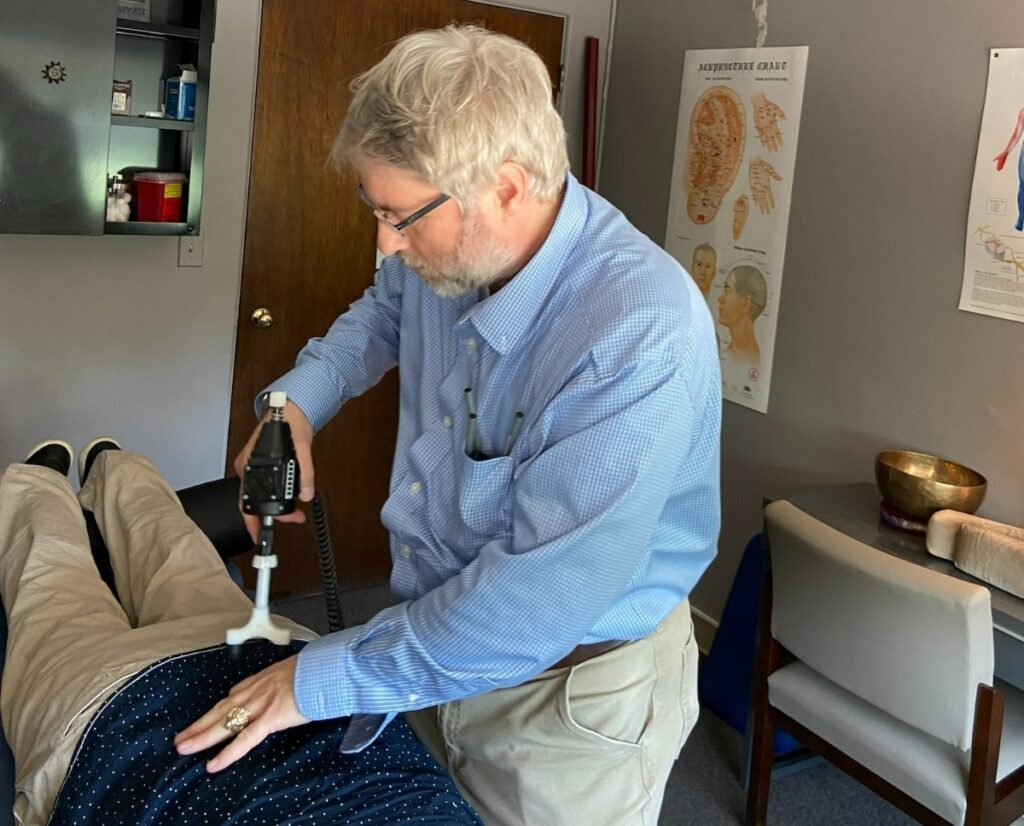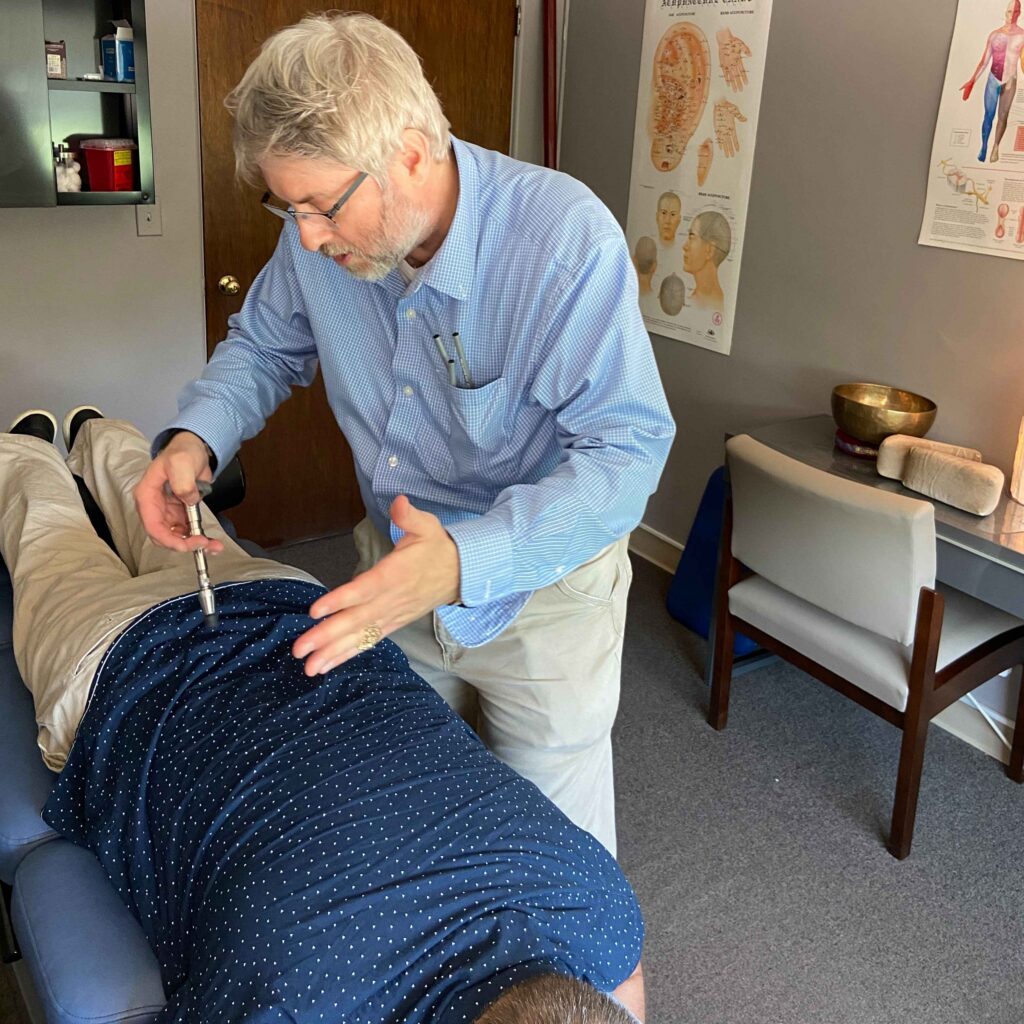

Healing the mind is essential for overall well-being, and understanding emotional wellness is a vital first step. It’s important to recognize how closely your emotions are linked to your physical health, particularly when it comes to spinal health. A healthy spine supports not only your body but also your mind. By prioritizing self-care, such as regular chiropractic adjustments, and fostering supportive relationships, you can build resilience against emotional distress.
When you face emotional challenges, it’s essential to explore strategies that promote natural healing. Chiropractic care can play a significant role in this journey. Adjustments help align your spine, which can reduce stress and tension, allowing you to feel more balanced emotionally. This natural approach can provide clarity and a sense of well-being without the need for medications or invasive procedures.
The journey to uncovering your emotional strengths can be enriched by understanding how your spinal health affects your overall wellness. Here are a few general tips to consider:
- Regular Chiropractic Visits: Keeping your spine aligned can help alleviate both physical discomfort and emotional stress.
- Practice Mindfulness: Incorporate mindfulness techniques, such as deep breathing or meditation, to enhance both mental and spinal health.
- Stay Active: Engage in regular physical activity to boost endorphins and improve both your mood and physical condition.
- Nutrition Matters: Eating a balanced diet supports not only your body but also your emotional health. Foods rich in omega-3 fatty acids, for example, can improve mood.
- Build Connections: Surround yourself with supportive friends and family who can help you navigate emotional difficulties.
By taking these steps and considering chiropractic care as a part of your wellness routine, you can pave the way for a healthier mind and body. Remember, the journey to emotional wellness starts with small, consistent actions that lead to profound insights about yourself.
Key Takeaways
Emotional wellness plays a vital role in our overall health, impacting not only our mental state but also our physical well-being and stress levels. As a chiropractor, I believe that achieving emotional balance is essential for optimal health, and chiropractic care can be a key player in this process.
Incorporating mindfulness practices, such as meditation and deep breathing, can significantly help reduce stress and improve emotional regulation. These techniques allow you to center yourself and promote relaxation, creating a positive mindset which is crucial for healing.
Building strong, supportive relationships through open communication is another important aspect of emotional wellness. When you feel connected to others, it enhances your emotional health and can alleviate feelings of isolation. Remember, chiropractic care can also help you feel more connected to your body by relieving tension and improving overall nervous system function.
It’s important to be aware of the signs of emotional distress, like mood swings or withdrawal. By recognizing these signs early, you can take steps to seek the support you need. Regular chiropractic adjustments can help alleviate physical tension that may be contributing to emotional stress, promoting a sense of calm and well-being.
Moreover, chiropractic care not only helps in relieving pain but also supports your emotional health by improving your body’s overall function. When your spine is aligned, your nervous system can operate more efficiently, which can lead to better stress management and emotional resilience.
Here are a few practical tips to enhance your emotional wellness:
- Incorporate Mindfulness: Set aside a few minutes each day for deep breathing or meditation to help center your thoughts and reduce stress.
- Stay Connected: Make time to nurture your relationships with family and friends. Open communication can foster emotional connections and support.
- Listen to Your Body: Pay attention to how your body feels. If you’re experiencing tension or discomfort, consider scheduling a chiropractic adjustment to help relieve that stress.
- Practice Gratitude: Take a moment each day to reflect on what you’re grateful for. This simple practice can shift your mindset and improve your emotional outlook.
By prioritizing emotional wellness through practices like chiropractic care, you can pave the way for a healthier, more balanced life. Remember, your journey to optimal health starts with taking care of your mind and body together.
Understanding Emotional Wellness
Understanding emotional wellness is important for your overall health, and it goes hand in hand with physical well-being, especially when considering the benefits of chiropractic care. When you’re emotionally well, you’re likely to experience less stress, which can lead to a healthier spine and body. Chiropractic adjustments can help relieve tension in your body, making it easier to manage your feelings and interact positively with others.
Being emotionally balanced means you can better recognize your feelings and express them in a healthy way. This awareness not only helps you navigate life’s challenges but also supports your physical health by reducing the strain on your spine caused by stress and anxiety.
Regular chiropractic care can assist in maintaining this balance by ensuring your nervous system is functioning optimally, which is vital for emotional regulation.
Emotional wellness also involves self-acceptance and a positive outlook. When you embrace your strengths and acknowledge areas where you want to grow, you’re more likely to take proactive steps towards your health. Chiropractic care encourages this growth by promoting a natural approach to wellness, helping your body heal itself and allowing you to feel your best.
Remember, achieving emotional wellness is about finding balance. It’s perfectly okay to seek help when you need it, and visiting a chiropractor can be a great step. They can provide you with tips on how to maintain your spinal health, reduce stress, and enhance your emotional well-being.
Here are a few simple tips to keep in mind:
- Stay Active: Regular physical activity can boost your mood and reduce stress. Consider incorporating gentle exercises or stretches recommended by your chiropractor.
- Practice Mindfulness: Taking a moment to breathe deeply and center yourself can help alleviate stress. Mindfulness practices can complement your chiropractic care.
- Prioritize Sleep: Quality sleep is crucial for both emotional and physical health. Ensure your sleeping position supports your spine, which can be discussed with your chiropractor.
- Stay Hydrated: Drinking enough water supports overall health, including the health of your spine and nervous system.
The Importance of Self-Care
Self-care isn’t just a luxury; it’s a vital part of maintaining your emotional and physical health, especially when it comes to spinal wellness. By prioritizing self-care, you empower yourself to navigate life’s challenges more effectively and maintain a healthy spine.
Here are three key self-care practices that can enhance your well-being and complement chiropractic care:
1. Mindfulness and Meditation: Take a few moments each day to focus on your breath. This practice not only helps reduce stress but also promotes relaxation, which can alleviate tension in your back and neck.
A calm mind can lead to a healthier body and support the adjustments made during chiropractic care.
2. Physical Activity: Regular exercise is essential for a healthy spine. Activities such as walking, yoga, or dancing not only boost your mood but also strengthen your muscles, improving your posture and spinal alignment.
Incorporating these activities into your routine can support the work your chiropractor does to relieve pain and enhance mobility.
3. Healthy Eating: Fuel your body with balanced meals rich in nutrients. A well-nourished body supports overall health, including the health of your spine.
Foods that reduce inflammation, such as fruits, vegetables, lean proteins, and healthy fats, can complement the natural healing process facilitated by chiropractic adjustments.
Remember, incorporating these self-care practices into your daily routine can significantly enhance your journey toward optimal health and wellness.
Chiropractic care, combined with mindful living, can be the key to a pain-free and vibrant life.
Building Supportive Relationships
Building supportive relationships is essential not just for emotional wellness, but also for your overall health. It all starts with trust and effective communication. When you openly share your thoughts and actively listen to others, you create a safe space that fosters connection. This supportive environment is crucial, particularly when considering your wellness journey.
As a chiropractor, I want to emphasize that the relationships we build with ourselves and others can greatly influence our physical health. When you feel supported and understood, it reduces stress and tension, which can often manifest as pain or discomfort in the body.
Here are some practical tips to help you strengthen these relationships while also promoting your health:
- Practice Open Communication: Just as you’d with your chiropractor during your visits, be honest about your feelings and concerns with loved ones. This helps build trust and understanding.
- Active Listening: When someone is speaking to you, give them your full attention. This not only strengthens your bond but can also help you identify any areas of stress or discomfort in your body that may need addressing.
- Encourage Healthy Activities Together: Engage in activities that promote wellness, such as walking, yoga, or even a visit to the chiropractor. These shared experiences can enhance relationships and improve your physical health at the same time.
- Express Gratitude: Taking time to acknowledge and appreciate the support you receive can deepen your connections. Plus, practicing gratitude has been shown to improve mental and emotional well-being, which is closely tied to physical health.
- Stay Connected: Regular check-ins with friends and family can make a significant difference. Just like regular chiropractic adjustments keep your spine healthy, maintaining relationships keeps your emotional well-being in check.
By nurturing these supportive relationships and focusing on communication, you not only enhance your emotional wellness but also contribute to your physical health.
Importance of Trust
When you build trust in your relationships, you foster a strong foundation for emotional wellness, much like how chiropractic care lays the groundwork for physical health. Trust creates a sense of security and support, which enhances your overall well-being.
Just as regular chiropractic adjustments can improve your spinal health, nurturing trust can enhance your relationships. Here are three key benefits of trust that can also apply to your health journey:
- Enhanced Vulnerability: Trust allows you to express your true feelings, just like how visiting a chiropractor can help you communicate your body’s needs without fear of judgment. This openness can lead to better understanding and healing in both emotional and physical aspects.
- Increased Support: When trust is present, you can rely on others to support you through tough times, similar to how a chiropractor supports you on your path to recovery. Knowing you have a strong network, whether it’s friends, family, or a chiropractor, can make a significant difference in your health journey.
- Improved Conflict Resolution: Just as a chiropractor helps you address pain and discomfort in a constructive way, trust encourages open conversations about issues in your relationships. This leads to healthier interactions, whether you’re discussing emotional concerns or physical health challenges.
Incorporating trust into your life can be as beneficial as regular chiropractic care. By prioritizing trust in your relationships, you not only enhance your emotional wellness but also support your journey towards optimal health.
Effective Communication Skills
Trust is the foundation for effective communication, which is essential for fostering supportive relationships in our journey toward health and wellness. Building this trust starts with practicing active listening. When you engage with others, focus on what they say without interrupting. Show empathy by acknowledging their feelings and experiences, as this can strengthen your connection.
Using open body language and maintaining eye contact are powerful ways to demonstrate your attentiveness. These non-verbal cues signal that you value the conversation and care about the other person’s perspective.
When it’s your turn to share thoughts, clarity and honesty are key. Avoid vague statements; instead, express your specific feelings and needs. This honesty helps build trust and opens the door to deeper conversations. Ask open-ended questions to encourage dialogue and show that you’re genuinely interested in the other person’s viewpoint.
As a chiropractor, I believe that effective communication is just as important as the adjustments and care we provide. It helps us work together toward optimal health. Remember, chiropractic care is a natural and effective way to relieve pain and promote overall wellness. By focusing on clear communication, we can create a supportive environment that enhances your healing journey.
Here are some general tips to enhance your communication skills and support your health:
- Practice Active Listening: Give your full attention when others speak, and respond thoughtfully. This builds trust and encourages open dialogue.
- Use Open Body Language: Your posture and eye contact convey interest and engagement. Make sure you’re approachable during conversations.
- Be Honest and Clear: When discussing your health concerns, express your feelings and needs openly. This helps your chiropractor understand your situation better.
- Ask Questions: Don’t hesitate to ask your chiropractor questions about your treatment or any concerns you may have. This not only clarifies your understanding but also fosters a collaborative relationship.
- Take Notes: If you receive advice or information during your visits, jot it down. This helps reinforce your understanding and shows your commitment to your health journey.
Recognizing Signs of Emotional Distress
Recognizing signs of emotional distress is crucial for maintaining your overall health and well-being, especially when life gets busy.
As a chiropractor, I want to emphasize how emotional health can impact your physical health, and how chiropractic care can play a role in achieving balance.
Here are three key indicators of emotional distress to be aware of, along with how chiropractic care can help:
1. Mood Swings: Experiencing sudden mood changes, such as irritability or anxiety, can indicate that something deeper may be affecting you.
Chiropractic care can help by aligning your spine, which may enhance your nervous system function and improve your mood. Regular adjustments can contribute to a better emotional state by reducing tension and promoting relaxation.
2. Physical Symptoms: If you’re dealing with unexplained headaches, fatigue, or changes in appetite, it’s important to recognize that your body often reflects your emotional health.
Chiropractic adjustments can alleviate physical symptoms related to stress by improving spinal alignment and reducing nerve interference. This holistic approach can help you feel better both physically and emotionally.
3. Withdrawal: If you find yourself pulling away from friends or activities you once loved, it may be a sign of emotional struggle.
Maintaining social connections is vital for mental health, and chiropractic care can support this by helping you feel more energized and comfortable in your own body. When you feel good physically, you’re more likely to engage with others and enjoy life.
In summary, being aware of these signs of emotional distress is essential for your well-being.
Chiropractic care offers a natural and effective way to address both physical and emotional health, helping you achieve optimal wellness.
Remember to listen to your body, and don’t hesitate to seek chiropractic care for support on your journey to better health!
Strategies for Emotional Resilience
Building emotional resilience is crucial for managing life’s ups and downs, especially when facing challenges. One effective way to enhance your emotional strength is by cultivating self-awareness. Pay attention to your feelings and how they influence your thoughts and actions. This understanding can help you navigate stress more effectively.
Incorporating mindfulness practices, such as meditation or deep breathing exercises, can also be beneficial. These techniques can help ground you and alleviate stress, ultimately contributing to your overall well-being.
Creating a robust support network is another key strategy. Surround yourself with positive, encouraging individuals who lift you up during tough times. Don’t hesitate to reach out for support when you need it; having a strong community can make a significant difference in your emotional health.
Improving your problem-solving skills is vital too. When faced with difficulties, break down challenges into smaller, manageable steps. This approach can help you tackle problems one at a time, making them feel less overwhelming.
Lastly, fostering a positive mindset is essential. Challenge any negative thoughts and replace them with constructive ones. This shift in perspective can greatly enhance your resilience.
Remember, chiropractic care can play a significant role in achieving optimal health and wellness. By ensuring that your spine is aligned and functioning well, you can support your body’s natural ability to heal and maintain emotional balance.
With these strategies and the benefits of chiropractic care, you can build the emotional resilience needed to navigate life’s challenges with confidence and ease.
The Role of Professional Guidance
Having a strong support network is crucial for overall wellness, but it’s also important to consider how professional guidance can further enhance your health journey.
As a chiropractor, I want to emphasize the benefits of seeking help in the realm of spinal health and natural healing. Here are three key advantages of consulting a chiropractic professional:
- Holistic Perspective: A chiropractor looks at the body as a whole, helping you understand how spinal alignment affects not just your back but your entire well-being. This objective viewpoint can reveal patterns in your health that might go unnoticed, allowing for a more thorough understanding of your body.
- Skill Development: Chiropractic care equips you with practical tools and techniques to maintain a healthy spine. This includes exercises, posture tips, and lifestyle changes that can help you manage pain and reduce stress naturally, without the need for medications or invasive procedures.
- Safe Space: Chiropractic appointments provide a confidential and supportive environment where you can discuss your health concerns openly. This fosters deeper self-awareness and encourages you to take an active role in your health journey.
Engaging with a chiropractor not only complements your existing support system but also empowers you to navigate life’s physical challenges with greater resilience and clarity.
Mindfulness and Emotional Health
Mindfulness practices can significantly enhance your emotional health by helping you stay present and in tune with your feelings.
As a chiropractor, I want to emphasize how maintaining a healthy spine can also support your emotional well-being. When your spine is aligned, your nervous system functions optimally, which can improve your mood and reduce stress.
Incorporating mindful living techniques into your daily routine not only aids in emotional regulation but also complements the benefits of chiropractic care.
Simple practices like deep breathing, meditation, or gentle stretching can help you connect with your body and mind. These techniques, paired with regular chiropractic adjustments, can boost your resilience and overall sense of well-being.
Remember, taking care of your spine is a crucial aspect of achieving optimal health.
By focusing on natural healing through chiropractic care, you can enhance both your physical and emotional health.
Consider scheduling regular chiropractic visits and integrating mindfulness practices into your life for a holistic approach to wellness.
Benefits of Mindfulness Practices
Daily stressors can take a toll on your emotional and physical health, but incorporating mindfulness practices into your routine can significantly enhance your well-being. By focusing on the present moment, you can experience a variety of benefits that improve not just your emotional resilience but also your overall health.
Here are three key advantages of mindfulness, especially when combined with chiropractic care:
- Reduced Stress: Mindfulness techniques can help you manage anxiety and promote relaxation. When you practice mindfulness, you may find that your body feels more at ease, which can complement chiropractic adjustments that relieve tension in your spine and improve your overall sense of well-being.
- Improved Focus: Just like chiropractic care helps align your spine and improve your body’s function, regular mindfulness practice sharpens your mental clarity. This increased focus can make it easier to complete daily tasks and make sound decisions, ultimately leading to a more productive and fulfilling life.
- Enhanced Self-Awareness: Mindfulness encourages you to reflect on your emotions and reactions. This self-awareness can be particularly beneficial when working with your chiropractor to understand how physical pain may be connected to emotional stress. By recognizing these patterns, you can cultivate healthier habits and relationships.
Embracing mindfulness alongside chiropractic care not only nurtures your emotional health but also empowers you to navigate life’s challenges more effectively.
Simple mindfulness practices, like deep breathing or short meditations, can be easily integrated into your day-to-day life. Remember, the journey to optimal health is a holistic one, and combining mindfulness with chiropractic care positions you for success in achieving better health and wellness naturally.
Techniques for Mindful Living
Life can sometimes feel overwhelming, but incorporating mindful living techniques can help you achieve a more balanced emotional state and support your overall health. As a chiropractor, I believe that a holistic approach to wellness is essential for optimal health. Here are some simple practices that can enhance your well-being and complement your chiropractic care.
Start by focusing on your breath. Taking a few moments each day to inhale deeply and exhale slowly can ground you in the present moment. This practice not only calms your mind but also helps reduce tension in your body, which is vital for maintaining a healthy spine.
Engaging in mindful observation is another excellent technique. Take time to notice the sights, sounds, and smells around you without judgment. This practice can help you become more aware of your body and its needs, which is crucial for spinal health.
Incorporating gratitude into your daily routine is also beneficial. Jotting down three things you appreciate each day can shift your focus from stress to positivity, which is great for your emotional health. When you feel good mentally, it often translates to better physical health.
You might also consider mindful walking. As you walk, pay attention to each step and the sensations in your body. This practice not only promotes physical activity, which is essential for spinal health, but it also helps to clear your mind.
Finally, when it comes to meals, try to limit distractions and savor each bite. This not only enhances your eating experience but can also prevent overeating and promote better digestion, both of which contribute to your overall wellness.
Incorporating these mindfulness techniques into your daily routine can enhance your awareness and improve your emotional health. Alongside regular chiropractic care, these practices can help you navigate life with greater ease and clarity, allowing you to achieve optimal health naturally.
Mindfulness and Emotional Regulation
Embracing mindfulness can significantly enhance your emotional well-being and support your journey to optimal health, especially when combined with chiropractic care. By being mindful, you can better understand and manage your emotions, which is essential for maintaining a balanced lifestyle.
Here are three key benefits of mindfulness for emotional regulation that can complement your chiropractic treatments:
- Increased Awareness: Mindfulness helps you recognize what triggers your emotions. When you know your triggers, you’re less likely to react impulsively. This awareness can also support your chiropractic care by helping you identify physical stressors that may be contributing to discomfort.
- Enhanced Focus: Practicing mindfulness improves your ability to concentrate on the present moment. This can be especially beneficial after a chiropractic adjustment, as staying focused on how your body feels can help you appreciate the benefits of your treatment and make it easier to follow through with healthy choices.
- Stress Reduction: Regular mindfulness practice can help lower stress levels, which is crucial for both emotional and physical health. Lowering your stress can enhance the effectiveness of your chiropractic care, allowing your body to heal naturally and feel more balanced.
Incorporating mindfulness into your daily routine, alongside regular chiropractic visits, can lead to profound improvements in your emotional and physical health.
Simple practices like deep breathing, meditation, or even a mindful walk can make a significant difference.
Creating a Personal Care Plan
Creating a personal care plan that supports your emotional wellness is essential for achieving optimal health, including spinal health. As a chiropractor, I believe that a holistic approach to well-being can significantly enhance your quality of life. Here’s how you can create a personal care plan that not only nurtures your emotional wellness but also complements your chiropractic care.
Start by identifying your unique needs and preferences. Think about activities that help you feel balanced and recharged, such as gentle stretching, yoga, or spending time in nature—activities that can also promote spinal health. Next, set realistic goals for incorporating these activities into your daily routine.
Here’s a simple table to help you outline your personal care plan:
| Activity | Frequency |
|---|---|
| Gentle Stretching | Daily (5-10 minutes) |
| Chiropractic Adjustments | As needed (consult your chiropractor) |
| Mindfulness Practices | 3 times a week |
| Outdoor Activities | Weekly |
Make sure to regularly review and adjust your plan. Flexibility is key, as your emotional and physical needs may change over time. Emphasizing natural wellness through chiropractic care not only helps with pain relief but also supports a healthier mindset, allowing you to better prioritize your emotional wellness.
Cultivating Compassion and Empathy
Integrating a personal care plan into your daily routine not only benefits your physical health but also enhances your overall sense of well-being, which is essential for optimal health.
By prioritizing self-care, you not only support your body but also create opportunities to connect with others more compassionately.
Here are three simple ways to cultivate compassion and empathy through a focus on your health:
- Practice Active Listening: When a friend or family member shares their thoughts, give them your full attention. This means listening without interrupting or planning your response. By valuing their feelings, you build stronger connections, which can contribute to a healthier emotional state.
- Engage in Community Wellness Activities: Participating in local health events or wellness workshops can help you meet new people and foster a sense of community. This shared experience can enhance your understanding of others, reinforcing the importance of caring for both yourself and those around you.
- Reflect on Your Health Journey: Take time to journal about your health experiences, including your feelings and interactions with others. Understanding your own health journey can deepen your empathy for others who may be facing similar struggles. This reflective practice can enhance your commitment to maintaining a healthy spine and overall wellness.
Remember, chiropractic care is a natural and effective way to achieve pain relief and promote a healthier lifestyle.
Conclusion
In your journey to healing the mind, it’s important to remember that emotional wellness goes hand in hand with physical health. As a chiropractor, I believe that a healthy spine contributes to overall well-being, including emotional health. By prioritizing self-care, nurturing relationships, and staying mindful, you can build resilience against life’s challenges.
Chiropractic care is a natural and effective way to improve both your physical and emotional health. Regular adjustments can help alleviate pain, reduce stress, and enhance your overall mood. This holistic approach not only addresses the underlying issues of discomfort but also promotes a sense of balance and wellness throughout your body.
Don’t hesitate to seek professional guidance from a chiropractor who can help you create a personalized care plan tailored to your needs. Embrace compassion and empathy for yourself as you explore the benefits of chiropractic care. By taking care of your spine and overall health, you reveal your emotional strengths and work towards achieving optimal well-being.
Here are some simple tips to incorporate into your daily routine:
- Stay Active: Regular movement helps keep your spine healthy. Consider low-impact exercises like walking, swimming, or yoga.
- Practice Good Posture: Pay attention to your sitting and standing posture to reduce strain on your spine.
- Manage Stress: Incorporate mindfulness practices such as meditation or deep breathing exercises to help manage stress levels.
- Stay Hydrated: Proper hydration supports your overall health, including spinal health.
- Prioritize Sleep: Ensure you’re getting enough restorative sleep to help your body heal and recharge.
You’ve got this! Embrace chiropractic care as a vital part of your journey towards pain relief and natural wellness.