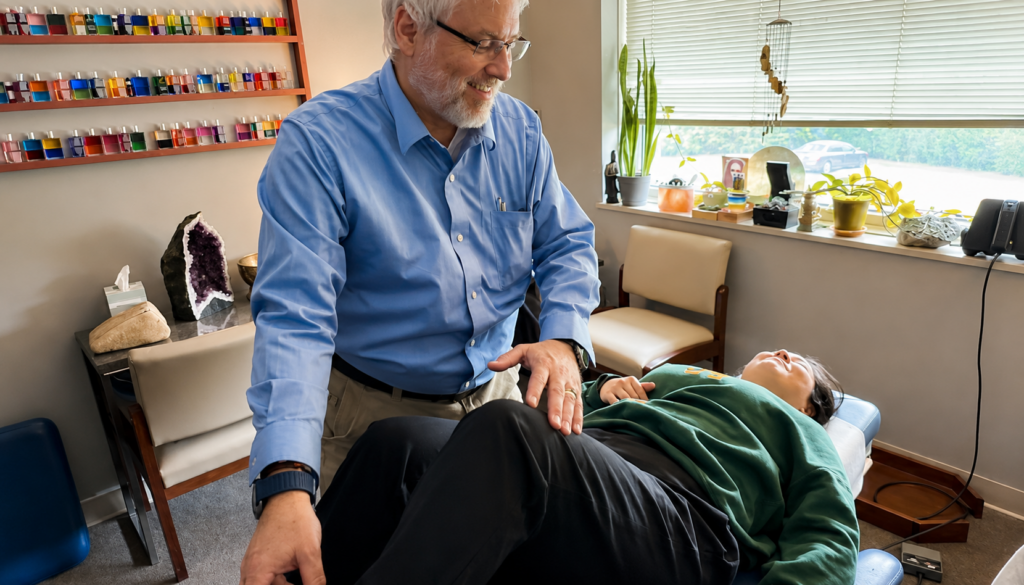

If you’re among the 80% experiencing lower back pain, you understand how much it can disrupt your daily life. Fortunately, there are effective, natural techniques that can provide relief and enhance your overall well-being. As a chiropractor, I believe in the power of chiropractic care to help you achieve optimal health and alleviate pain without the need for medications or surgeries.
One of the first steps in managing lower back pain is to focus on your posture. Maintaining good posture while sitting, standing, and moving can significantly reduce strain on your spine. Make a habit of keeping your back straight and your shoulders relaxed, whether you’re at your desk or on the go.
Incorporating targeted exercises into your routine is another excellent way to strengthen your back and improve flexibility. Simple stretches, like the cat-cow or child’s pose, can help relieve tension and promote spinal health. Additionally, core-strengthening exercises such as planks or pelvic tilts can provide the support your lower back needs.
Chiropractic adjustments are a powerful tool in addressing lower back pain. By realigning the spine, we can relieve pressure on nerves and improve your body’s natural ability to heal itself. Regular adjustments can also prevent future pain and promote better overall health.
It’s also essential to listen to your body. If a certain activity exacerbates your pain, consider modifying it or taking breaks. Incorporating regular movement into your day, such as walking or gentle yoga, can keep your spine healthy and prevent stiffness.
Lastly, don’t underestimate the power of rest and relaxation. Ensuring you get enough sleep and managing stress through techniques like deep breathing or meditation can contribute to your recovery and overall wellness.
By embracing these natural techniques and prioritizing chiropractic care, you can take significant strides toward finding relief from lower back pain and improving your quality of life. Remember, you don’t have to navigate this journey alone—your chiropractor is here to help you every step of the way.
Key Takeaways
- Be mindful of your posture while sitting, standing, and walking. Good posture helps to reduce strain on your lower back and is essential for overall spinal health.
- Incorporate gentle stretching and simple exercises, like Cat-Cow and Bird-Dog, into your daily routine. These movements can help relieve pain and improve your mobility, making it easier for you to stay active.
- Make sure your workspace is set up to support your spine. An ergonomically designed workstation can provide proper lumbar support, which is crucial for maintaining a healthy back while you work.
- Regular chiropractic visits can be incredibly beneficial. As a chiropractor, I can identify and address underlying issues that may be contributing to your pain, helping you achieve lasting relief and maintain optimal spinal health.
- Consider practicing mindfulness techniques, such as deep breathing and yoga, as they can help you manage stress and improve your overall pain control. These practices, combined with chiropractic care, can lead to a more balanced and healthier lifestyle.
By focusing on these tips and incorporating chiropractic care into your wellness routine, you can take proactive steps toward relieving lower back pain and enhancing your overall health.
Understanding Lower Back Pain: Causes and Symptoms
Lower back pain can feel like a heavy weight, making even the simplest tasks feel daunting. This discomfort may arise from various causes, such as muscle strain, ligament sprain, or herniated discs. Often, factors like poor posture or prolonged sitting can contribute to this issue, resulting in tight muscles and imbalances in your body.
Symptoms may range from a dull ache to sharp, shooting pain that can radiate down your legs. You might find it difficult to bend, lift, or stand up straight. Additionally, lower back pain can come with stiffness or a limited range of motion, which can make daily activities feel overwhelming.
As a chiropractor, I believe understanding these causes and symptoms is crucial for addressing your pain effectively. By identifying what triggers your discomfort, you can take meaningful steps toward relief.
Here are some practical tips to help manage your lower back pain naturally:
- Posture Awareness: Pay attention to your posture, whether sitting or standing. Try to keep your back straight and shoulders relaxed to help prevent strain.
- Movement Matters: Incorporate gentle stretching and movement into your daily routine. Simple exercises can strengthen your back and improve flexibility, reducing the risk of pain.
- Ergonomic Adjustments: Make sure your workspace is set up to support your spine. Use chairs that provide good lumbar support and adjust your computer screen to eye level.
- Listen to Your Body: If you feel discomfort while performing certain activities, it’s essential to stop and reassess. Pushing through pain can lead to further injury.
- Chiropractic Care: Regular visits to a chiropractor can help align your spine, relieve tension, and promote overall wellness. Chiropractic adjustments can be a natural and effective way to manage lower back pain.
By being mindful of your posture, incorporating movement, and considering chiropractic care, you can take proactive steps toward a healthier, pain-free life.
The Importance of Physical Therapy
Addressing lower back pain effectively often requires more than just self-care techniques; chiropractic care plays an essential role in recovery and long-term management.
When you visit a chiropractor, you’re not just treating the symptoms; you’re working to understand the underlying issues contributing to your pain. A skilled chiropractor can create a personalized treatment plan specifically for you, focusing on spinal alignment, improving strength, and enhancing flexibility, all of which are vital for preventing future flare-ups.
Chiropractic care also teaches you proper body mechanics, enabling you to perform everyday activities without straining your back. You’ll gain insights into your movement patterns, allowing you to make necessary adjustments that promote a healthier lifestyle.
By choosing chiropractic care, you’re investing in a proactive approach to your health, empowering you to take control of your recovery journey and improve your overall well-being.
Here are some general tips you can incorporate into your daily routine to support your back health:
- Stay Active: Engage in regular physical activity, such as walking, swimming, or yoga, to keep your back muscles strong and flexible.
- Practice Good Posture: Whether sitting, standing, or lifting, maintaining proper posture can significantly reduce strain on your back.
- Listen to Your Body: If you feel discomfort, take a break and adjust your position or activity. Ignoring pain can lead to further injury.
- Stretch Regularly: Incorporate gentle stretching into your daily routine to improve flexibility and relieve tension in your back.
- Stay Hydrated: Drinking plenty of water supports spinal health by keeping the discs in your spine hydrated and healthy.
Remember, consistency and dedication to your chiropractic care are key to fully reaping the benefits of this natural treatment approach.
Embrace a healthier lifestyle and let chiropractic care guide you on your journey to optimal health!
Effective Exercises for Lower Back Relief
Finding relief from lower back pain often involves incorporating effective exercises into your routine, but it’s essential to remember that chiropractic care can play a crucial role in your journey to wellness.
By focusing on spinal alignment and overall health, chiropractic adjustments can provide natural relief from pain and support your body’s healing process.
In addition to chiropractic care, here are three effective exercises you can easily incorporate into your daily routine to strengthen your core and improve flexibility, offering vital support for your lower back:
- Cat-Cow Stretch: This gentle yoga move is excellent for increasing flexibility in your spine. Start on all fours, arch your back upwards like a cat, and then lower it while lifting your head and tailbone like a cow. This exercise not only helps in stretching your back but also promotes better spinal alignment.
- Pelvic Tilts: Lie on your back with your knees bent. Tighten your abdominal muscles and gently flatten your lower back against the floor. Hold for a few seconds and then relax. Repeat several times. This exercise helps strengthen your core and stabilize your spine, which can alleviate lower back pain.
- Bird-Dog: Start on all fours and extend one arm forward while extending the opposite leg back. Keep your body straight and hold for a moment before switching sides. This exercise helps improve balance and engages your core, further supporting your lower back.
Incorporating these exercises into your daily routine can make a significant difference in relieving lower back pain.
However, remember that regular chiropractic adjustments can enhance the effectiveness of these exercises by ensuring your spine is properly aligned and functioning optimally.
The Role of Chiropractic Care
Chiropractic care plays a vital role in managing lower back pain and can be your best ally in achieving optimal health. By providing gentle adjustments that align your spine, chiropractic care not only alleviates pain but also enhances your overall bodily function.
When you come to see me, I’ll carefully assess your condition and create a personalized treatment plan that fits your unique needs. Many of my patients experience immediate relief after their first visit, but the real magic happens with consistent care.
Regular chiropractic adjustments help maintain proper spinal alignment, reduce inflammation, and prevent future discomfort. Over time, you may notice improvements in your mobility and posture, leading to a more active and enjoyable lifestyle.
Incorporating chiropractic care into your routine empowers you to take charge of your back pain and overall well-being. Here are some simple tips to help you along the way:
- Stay Active: Engage in low-impact exercises like walking or swimming to keep your body moving and support spine health.
- Practice Good Posture: Be mindful of how you sit, stand, and lift. Good posture can significantly reduce strain on your back.
- Stretch Regularly: Incorporate gentle stretches into your daily routine to improve flexibility and prevent stiffness.
- Stay Hydrated: Drink plenty of water to keep your muscles and joints hydrated.
- Listen to Your Body: Pay attention to any discomfort and don’t hesitate to reach out for help.
With the right chiropractic approach, you can experience significant improvements in your quality of life. Let’s work together to help you feel your best and enjoy a healthier, pain-free lifestyle!
Utilizing Massage Therapy for Pain Relief
When dealing with lower back pain, it’s important to explore natural methods for relief that contribute to your overall wellness. One effective approach is chiropractic care, which focuses on spinal health and natural healing.
While massage therapy can provide temporary relief, chiropractic adjustments can address the root cause of your pain and improve your body’s function. Here are three key benefits of chiropractic care for pain relief:
- Improved Spinal Alignment: Chiropractic adjustments help align your spine, which can relieve pressure on nerves and reduce pain. This realignment promotes better overall health and function.
- Enhanced Mobility: Through targeted adjustments and spinal manipulation, chiropractic care can increase your range of motion. This improvement not only alleviates discomfort but also helps you engage in daily activities more freely.
- Whole-Body Wellness: Chiropractic care emphasizes a holistic approach to health. By improving your spinal health, you may also experience reduced stress levels, better sleep, and an overall sense of well-being, all of which are essential for effective pain management.
As you consider your options for pain relief, remember that chiropractic care offers a safe, non-invasive alternative that can support your body’s natural healing processes.
For those living with back pain, regular adjustments and a commitment to a healthier lifestyle can lead to lasting improvements. Incorporate stretching, proper posture, and regular physical activity to complement your chiropractic treatments and enhance your journey toward optimal health.
Mindfulness and Stress Reduction Techniques
As you face the challenges of lower back pain, incorporating mindfulness and stress reduction techniques can significantly improve your overall well-being. Practicing mindfulness helps you stay present, which can reduce anxiety and tension that often worsen pain. Simple practices like deep breathing or guided meditation can help calm your mind, allowing your body to relax and prepare for healing.
Dedicate a few minutes each day to focus on your breath; this simple act can help clear your mind of distractions and ease tension in your body. Visualization techniques can also be beneficial; try imagining a peaceful scene, which can help divert your attention away from discomfort and promote relaxation.
Additionally, consider incorporating activities like yoga or tai chi into your routine. These practices combine gentle movement with mindfulness, promoting flexibility and strength while also reducing stress. Regular engagement in these activities can empower you to take control of your pain, fostering a positive mindset.
Chiropractic care plays a crucial role in enhancing your pain management journey. By addressing the underlying spinal issues contributing to your discomfort, chiropractic adjustments can help restore balance and function to your body.
Prioritizing mindfulness alongside chiropractic care can create a more harmonious relationship with your body, paving the way for natural healing and improved pain relief. Remember, taking small steps towards mindfulness and regular chiropractic visits can lead to substantial changes in your health and wellness.
The Impact of Proper Posture
Proper posture is crucial for maintaining spine alignment and alleviating lower back pain, which is something I see often in my practice. By prioritizing ergonomics in your daily activities, you can significantly reduce your risk of discomfort and improve your overall well-being.
Simple changes, like adjusting your chair height or being mindful of how you sit and stand, can make a world of difference.
Incorporating specific exercises into your routine can also enhance your posture, leading to better spinal health. I often recommend gentle stretches and strengthening exercises that focus on core stability, as a strong core supports your spine and promotes proper alignment.
Chiropractic care is an excellent way to achieve and maintain optimal health. Regular adjustments can help correct misalignments, relieve pain, and improve your posture.
If you’re experiencing discomfort, visiting a chiropractor can provide you with the natural healing approach your body needs without the risks associated with medications or surgeries.
Remember, small adjustments in your posture and lifestyle can lead to significant improvements in your health. Pay attention to how you sit, stand, and move throughout your day, and consider making an appointment with a chiropractor to support your journey toward better health and wellness.
Your spine will thank you!
Importance of Spine Alignment
Spine alignment is crucial for your overall health, especially when it comes to preventing and alleviating lower back pain. When your spine is in proper alignment, it can significantly enhance your daily life.
Here are three key benefits of maintaining good spinal alignment and how chiropractic care can help:
- Reduced Pain: When your spine is aligned, it reduces strain on your muscles and ligaments. This means less discomfort and a greater ability to enjoy your daily activities. Regular chiropractic adjustments can help keep your spine in alignment, providing you with natural pain relief without the need for medications.
- Improved Mobility: A well-aligned spine allows for easier movement, bending, and twisting without discomfort. With the help of chiropractic care, you can enhance your flexibility and mobility, which is vital for staying active and enjoying life to the fullest.
- Enhanced Energy Levels: Proper posture and spine alignment enable your body to function more effectively. This can lead to reduced fatigue and increased energy throughout the day. Chiropractic adjustments help to optimize your body’s biomechanics, allowing you to feel more energized and ready to tackle whatever comes your way.
Prioritizing spine alignment isn’t just about aesthetics; it’s a vital part of your health journey. By choosing chiropractic care, you’re taking an essential step toward a pain-free and vibrant life.
For additional tips on maintaining spine health, consider these simple practices:
- Practice Good Posture: Be mindful of your posture when sitting, standing, or walking. Keeping your spine straight and shoulders back can make a significant difference.
- Stay Active: Engage in regular physical activity to strengthen your core muscles, which support your spine.
- Use Ergonomic Furniture: If you work at a desk, ensure your chair and workstation are set up to promote proper spine alignment.
Ergonomics in Daily Activities
When you prioritize ergonomics in your daily activities, you can significantly lower the risk of developing lower back pain—an issue many of my patients face. As a chiropractor, I want to share some practical tips that can help you maintain a healthy spine and promote overall wellness without relying on medications or surgeries.
First, let’s talk about your workspace. Ensure your chair provides adequate support for your lower back, allowing your spine to maintain its natural curve. Your computer screen should be at eye level; this prevents you from leaning forward, which can lead to unnecessary strain on your back and neck.
When lifting objects, remember to bend your knees and keep your back straight. This technique helps distribute the weight properly and minimizes the risk of injury. In addition, pay attention to your posture while sitting, standing, or walking. Keeping your shoulders back and aligning your head with your spine can do wonders for your back health.
Don’t forget to take frequent breaks! Stretching and moving around every so often helps maintain flexibility and reduces muscle tension.
Even everyday tasks, like using your phone or cooking, can be made more ergonomic. Try to hold your phone at eye level instead of bending your neck down, and use a counter height that allows you to keep your back straight while cooking.
By adopting these simple ergonomic practices, you can promote better posture and reduce the likelihood of discomfort in your lower back.
Exercises for Posture Improvement
Improving your posture isn’t just about looking good; it’s crucial for your overall health and can significantly help in preventing lower back pain.
As a chiropractor, I believe that incorporating specific exercises into your daily routine can enhance your spine alignment and strengthen your core, which is vital for maintaining a healthy body.
Here are three effective exercises that can support your posture improvement:
- Plank: Start by holding a plank position for 20-30 seconds. This exercise engages your core and back muscles, providing stability to your spine. Remember, a strong core is key to good posture!
- Chest Stretch: Stand up tall and clasp your hands behind your back. Gently pull your shoulders back to open up your chest. This stretch counteracts the forward hunch that often comes from prolonged sitting and helps in maintaining a balanced spine.
- Cat-Cow Stretch: Get on all fours and alternate between arching your back (the cat position) and lowering your belly (the cow position). This movement enhances spinal flexibility and promotes a healthy range of motion.
By consistently practicing these exercises, you can achieve better posture and reduce the risk of back pain.
Alongside these exercises, consider visiting a chiropractor to receive personalized care that focuses on spinal alignment and overall wellness. Chiropractic adjustments can further enhance your body’s ability to heal naturally and maintain optimal health.
Lifestyle Changes for Long-Term Relief
Making simple lifestyle changes can significantly enhance your long-term relief from lower back pain, and one of the best ways to support your journey to wellness is through chiropractic care.
By creating an ergonomic work environment and incorporating regular physical activity into your daily routine, you can’t only support your back but also improve your overall health.
Here are some practical tips to help you make these adjustments:
1. Ergonomic Workspace: Ensure your workspace is set up to promote good posture. Your chair should support your lower back, and your computer screen should be at eye level to prevent neck strain.
Remember, a well-aligned spine can make a world of difference!
2. Stay Active: Regular movement is crucial for spinal health. Aim for at least 30 minutes of moderate exercise most days of the week.
Activities like walking, swimming, or yoga can strengthen your back muscles and improve flexibility.
3. Chiropractic Care: Consider regular visits to a chiropractor. Chiropractic adjustments can help realign your spine, relieve pain, and enhance your body’s natural ability to heal.
Your chiropractor can also provide personalized advice on exercises and stretches to support your back.
4. Mind Your Posture: Be mindful of your posture throughout the day. When sitting, keep your feet flat on the floor and avoid slumping.
When lifting heavy objects, use your legs instead of your back to minimize strain.
5. Listen to Your Body: Pay attention to how your back feels as you go about your day. If you notice any discomfort, take a break, stretch, or consult with your chiropractor for guidance.
By adopting these lifestyle changes and prioritizing chiropractic care, you can pave the way for long-term relief from lower back pain and enjoy a healthier, happier life.
Ergonomic Work Environment
Creating an ergonomic work environment is key to preventing and alleviating lower back pain, especially if you find yourself spending long hours at a desk. As a chiropractor, I understand the importance of maintaining a healthy spine and posture.
By making a few simple adjustments, you can significantly enhance your comfort, productivity, and overall wellness. Here are three essential changes to consider:
- Chair Selection: Opt for a chair that offers proper lumbar support, which is crucial for encouraging good posture. Look for one that’s adjustable to fit your specific height and body type. A well-chosen chair can help maintain the natural curve of your spine, reducing the risk of discomfort.
- Desk Height: Your desk should be set up so that your elbows are at a 90-degree angle while you’re typing. This position minimizes strain on your back and shoulders, allowing you to work without the risk of aggravating pain. If your desk is too high or too low, it can lead to poor posture and potentially long-term issues.
- Monitor Position: Ensure your monitor is positioned at eye level. This adjustment prevents you from leaning forward, which can contribute to lower back discomfort over time. Keeping your monitor at the right height helps maintain a neutral spine, further supporting your overall health.
By implementing these ergonomic tips, you can make a significant difference in your daily comfort and well-being.
Remember, chiropractic care is an excellent option for relieving pain and promoting a healthier lifestyle. Regular adjustments can help keep your spine aligned and functioning optimally, allowing you to work and live without discomfort.
Prioritize your health by creating a supportive work environment and consulting a chiropractor for personalized care!
Regular Physical Activity
Engaging in regular physical activity is one of the most effective lifestyle changes you can make for long-term relief from lower back pain, and it perfectly complements the benefits of chiropractic care. By incorporating simple exercises like walking, swimming, or yoga into your daily routine, you can strengthen your core and improve your flexibility.
These activities not only support your spine but also help alleviate tension in your back muscles, making them a great addition to your journey toward wellness.
Aim for at least 150 minutes of moderate exercise each week. This doesn’t have to be daunting! You can break it down into manageable sessions, like a 30-minute walk five times a week.
Don’t forget to include stretching exercises, as they can enhance your range of motion and prevent stiffness, promoting overall spinal health.
Listening to your body is crucial; if something doesn’t feel right, it’s important to modify your routine. Remember, consistency is key! Find activities you genuinely enjoy, as this will make it easier to stick with them over time.
In addition to exercise, consider regular chiropractic adjustments to ensure your spine is aligned and functioning optimally. Chiropractic care is a natural and effective way to enhance your well-being and manage pain without relying on medications or invasive procedures.
With time, you’ll likely experience less pain and improved overall health, empowering you to live life more freely. Embrace these tips, and take a proactive approach to your health!
Alternative Therapies: Acupuncture and More
Have you ever thought about how alternative therapies can help ease your lower back pain? Many people are turning to natural methods for relief, and among these, chiropractic care stands out as one of the best options. Here’s why you might consider it, along with a few helpful tips:
1. Chiropractic Care: As a chiropractor, I focus on hands-on spinal manipulation to align your body’s musculoskeletal structure. This method can relieve pressure on nerves and improve your mobility.
By addressing the root cause of your pain, chiropractic care not only helps alleviate discomfort but also supports your body’s natural healing processes.
2. Acupuncture: While chiropractic care is my primary focus, acupuncture can also be beneficial. This ancient practice uses thin needles to stimulate specific points on your body.
Some find it useful for reducing pain and promoting healing, but I always recommend starting with chiropractic care for a comprehensive approach to your health.
3. Massage Therapy: Therapeutic massage can be a great complementary practice. It works to relax tight muscles, improve circulation, and enhance overall well-being.
Incorporating massage therapy into your regular routine, alongside chiropractic adjustments, can further support your recovery and help maintain your health.
General Tips for Back Pain Relief:
- Stay Active: Gentle exercises, like walking or stretching, can keep your back muscles strong and flexible.
- Maintain Good Posture: Pay attention to your posture while sitting, standing, and sleeping. Proper alignment can prevent strain on your back.
- Use Heat or Cold Therapy: Applying heat or cold to the affected area can also help reduce pain and inflammation.
By choosing chiropractic care as your primary method for managing lower back pain, you’re opting for a holistic approach that prioritizes your body’s natural ability to heal.
When to Seek Professional Help
If your lower back pain lingers for more than a few days, it’s a good idea to consider seeking professional help, particularly from a chiropractor.
Pay attention to any additional symptoms such as numbness or weakness, as these could suggest a more serious issue that chiropractic care can address.
Chiropractic care focuses on aligning your spine and improving your overall function, which can lead to significant pain relief and enhance your quality of life.
If your pain is disrupting your daily routine, don’t hesitate to reach out for assistance. A chiropractor can provide natural, non-invasive treatments tailored to your specific needs.
In the meantime, here are a few general tips to help manage your lower back pain:
- Stay Active: Gentle movements and stretches can help keep your back flexible.
- Maintain Good Posture: Be mindful of how you sit and stand throughout the day.
- Use Heat or Cold Therapy: Applying a heating pad or cold pack can relieve discomfort.
- Practice Mindfulness: Techniques like deep breathing can help reduce stress, which may contribute to your pain.
Persistent Pain Duration
When lower back pain sticks around for more than a few weeks, it’s important to consider reaching out to a chiropractor. Ignoring ongoing pain can lead to more serious issues down the road. Here are three signs that it’s time to get professional help:
- Increased Intensity: If your pain gets worse instead of better, it’s a clear signal that you should seek chiropractic care. Chiropractors specialize in diagnosing and treating the root causes of pain, helping you find relief naturally.
- Impact on Daily Life: If your pain is making it hard to enjoy daily activities, go to work, or get a good night’s sleep, it’s time to take action. Chiropractic adjustments can help restore your spinal alignment, reduce pain, and improve your overall quality of life.
- No Relief from Home Remedies: If over-the-counter medications or at-home treatments aren’t helping, consider visiting a chiropractor. They can provide personalized treatment plans that focus on your specific needs using natural methods, promoting healing without the need for drugs or invasive procedures.
Remember, seeking chiropractic care not only addresses your current pain, but also supports your long-term health and wellness.
Here are a few general tips to help manage your back pain at home:
- Stay Active: Gentle exercises and stretches can keep your back flexible and strong.
- Practice Good Posture: Be mindful of your posture while sitting, standing, and lifting to prevent strain on your back.
- Use Heat and Ice: Applying heat or ice can help soothe discomfort and reduce inflammation.
Associated Symptoms Present
Experiencing additional symptoms alongside lower back pain can be a strong signal that it’s time to consult a professional, particularly a chiropractor who specializes in natural healing.
If you notice sensations like numbness, tingling, or weakness in your legs, don’t overlook them. These signs may indicate nerve involvement, which is best addressed through chiropractic care.
It’s also important to be aware of any changes in bowel or bladder control, as these can signify more serious conditions that require prompt evaluation.
Additionally, if you’re experiencing fever or unexplained weight loss with your pain, it’s essential to seek professional advice, as these could point to underlying concerns that chiropractic care can help address holistically.
If your lower back pain worsens or doesn’t improve with basic home treatments like gentle stretches or heat therapy, a consultation with a chiropractor can provide relief and support.
Chiropractors focus on aligning the spine and improving overall function, which can often lead to significant pain reduction and enhanced well-being.
Remember, addressing these associated symptoms early can lead to a more effective treatment plan tailored to your needs.
By choosing chiropractic care, you’re opting for a natural, non-invasive approach to achieving optimal health and wellness.
Always listen to your body and don’t hesitate to seek professional guidance to find the best path to recovery.
Impact on Daily Activities
Lower back pain can significantly interfere with your daily activities, turning even the simplest tasks into daunting challenges. If you’re struggling with lower back discomfort, understanding when to seek professional help is crucial. Here are some important signs to keep an eye on:
- Persistent Pain: If your pain lingers for more than a few weeks despite trying home remedies, it’s a good idea to consult a chiropractor. Chiropractic care focuses on natural healing and can help address the root cause of your discomfort.
- Limited Mobility: If you find it difficult to bend, lift, or walk without pain, this could indicate a more serious issue. A chiropractor can assess your condition and create a personalized plan to restore your mobility safely.
- Numbness or Weakness: Experiencing tingling, numbness, or weakness in your legs may point to nerve involvement. This is a sign that you should seek an evaluation from a chiropractor, who can provide targeted treatments to help relieve pressure on the nerves.
Don’t let lower back pain dictate your life. By recognizing these warning signs and reaching out for chiropractic care, you can take the first step towards regaining your health and daily functionality.
General Tips for Managing Lower Back Pain at Home:
- Maintain Good Posture: Keep your back straight while sitting or standing. Use ergonomic chairs and supports when possible.
- Stay Active: Gentle exercises and stretches can help keep your back muscles strong and flexible. Consider activities like walking, swimming, or yoga.
- Apply Heat or Cold: Using a heating pad or ice pack can provide temporary relief and reduce inflammation.
- Practice Mindfulness: Techniques like deep breathing or meditation can help reduce stress, which may contribute to muscle tension.
Embrace chiropractic care as a natural and effective way to promote your overall wellness and alleviate pain. Your journey to a healthier, pain-free life starts here!
Conclusion
Finding relief from lower back pain is not only possible but can be effectively achieved through chiropractic care and complementary techniques. As a chiropractor, I believe that focusing on proper posture is essential; it helps to maintain the natural curves of your spine and prevents unnecessary strain.
Incorporating gentle exercises, like stretches and strengthening routines, can also enhance your comfort and mobility. These movements promote flexibility and support the muscles that stabilize your spine. Remember to listen to your body and start slow, gradually increasing intensity as you gain strength.
Chiropractic adjustments are a key component in managing lower back pain. They help realign the spine, improve mobility, and reduce discomfort, making it a natural and effective option for pain relief. Regular visits to your chiropractor can provide ongoing support in your journey toward wellness.
Mindfulness practices, such as deep breathing or meditation, can further assist in managing pain and stress. They encourage a mind-body connection that can enhance your overall health. Additionally, consider alternative therapies like acupuncture, which can complement chiropractic care and provide a holistic approach to pain management.
It’s important to remember that if your pain persists, consulting with a chiropractor is crucial. They will help you determine the best path forward, ensuring you receive the care you need for lasting relief. Embrace these techniques, and you’re on your way to achieving optimal health and a pain-free lifestyle.