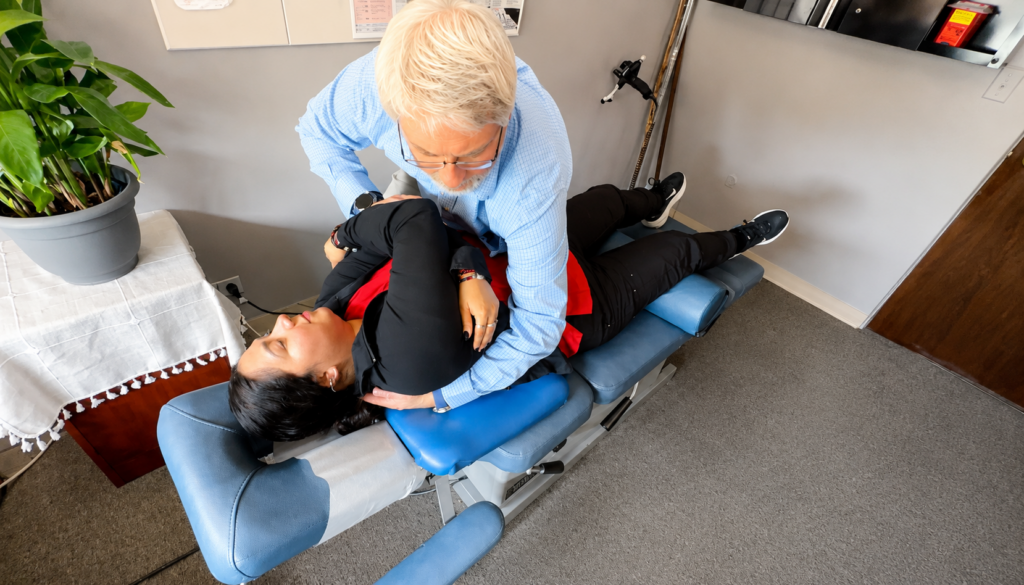

Enhancing your joint flexibility and movement is crucial for maintaining overall health and preventing injuries, and chiropractic care plays a key role in this process. Understanding the benefits of flexibility can motivate you to incorporate it into your daily routine. But how much do you really know about flexibility and its connection to spinal health? This quiz will help you assess your knowledge and discover effective strategies for improving your flexibility through natural healing methods.
As a chiropractor, I believe that achieving optimal health starts with the spine. A healthy spine supports flexibility and movement, allowing you to live your life to the fullest without pain. Regular chiropractic adjustments can help align your spine, which can enhance your body’s overall function and flexibility.
To support your wellness journey, here are some general tips and tricks you can easily incorporate into your daily routine:
- Gentle Stretching: Incorporate simple stretches into your day. Focus on areas that feel tight, and remember to breathe deeply. Stretching regularly can help improve circulation and flexibility.
- Stay Active: Engage in low-impact exercises like walking, swimming, or yoga. These activities promote joint health and enhance flexibility without putting too much strain on your body.
- Hydrate: Drink plenty of water to keep your joints lubricated. Proper hydration is essential for maintaining flexibility and overall health.
- Posture Awareness: Be mindful of your posture throughout the day. Good posture helps prevent misalignments in your spine, which can improve flexibility and reduce discomfort.
- Regular Chiropractic Visits: Make chiropractic care a regular part of your health routine. Chiropractic adjustments can help maintain proper alignment and support your body’s natural ability to move freely.
Let’s explore what you need to know to enhance your wellness journey and achieve a healthier, more flexible you through the power of chiropractic care.
Key Takeaways
- Joint flexibility plays a vital role in enhancing your range of motion, reducing the risk of injuries, and supporting your overall health. By incorporating proper stretching and mobility exercises, you can promote better movement in your daily life.
- Regular visits to a chiropractor can significantly improve your joint flexibility. Chiropractic care not only helps relieve tension in your body but also enhances your overall movement efficiency, allowing you to engage in activities with greater ease and comfort.
- It’s essential to include dynamic stretches before your exercise routine and static stretches afterward. This practice not only boosts your flexibility but also serves as a powerful preventive measure against injuries, ensuring you stay active and healthy.
- Consider establishing a daily stretching routine and conducting flexibility assessments to track your progress over time. This can help you see the improvements you’re making and allow for personalized adjustments to your training strategy.
- Always pay attention to what your body is telling you. If you’re experiencing persistent joint pain or notice a limited range of motion, don’t hesitate to seek professional chiropractic guidance. A chiropractor can provide the support you need to address these issues naturally and effectively, promoting a healthier, pain-free lifestyle.
Understanding Joint Flexibility
Joint flexibility is a vital aspect of your overall mobility and health. It refers to how far your joints can move, and maintaining good flexibility is essential for performing daily activities with ease. Several factors influence your joint flexibility, including age, genetics, and how active you are. If you’ve ever experienced stiffness after sitting for a while, you understand just how important it’s to keep your joints flexible.
One of the best ways to improve your joint flexibility and support your overall wellness is through chiropractic care. A chiropractor can help assess your joint health and provide targeted treatments that enhance your flexibility, relieve tension, and promote natural healing. Regular chiropractic adjustments can align your spine and joints, improving your range of motion and reducing discomfort.
In addition to chiropractic care, incorporating stretching exercises into your routine can greatly benefit your flexibility. Dynamic stretches before physical activity and static stretches afterward are great practices to adopt. Gentle movements like yoga and Pilates can also be beneficial, as they focus on both strengthening and stretching your muscles, which supports joint health.
It’s important to listen to your body during these activities. If you feel tightness or discomfort, it may be a sign to adjust your approach.
The Importance of Flexibility for Overall Health
Flexibility is crucial for maintaining overall health, and it offers many benefits that go beyond just improving muscle elasticity. As a chiropractor, I want to emphasize that increasing your flexibility not only enhances your range of motion but also significantly reduces your risk of injuries, which can be a common source of pain and discomfort.
When you prioritize flexibility training, you’re taking an important step toward a more active and pain-free lifestyle. Incorporating simple stretches and mobility exercises into your daily routine can help you feel better and move with ease.
Here are a few tips to improve your flexibility:
- Warm Up First: Always start with a light warm-up to get your blood flowing before you stretch. This can include walking or gentle movements that prepare your muscles.
- Consistency is Key: Aim to stretch regularly, ideally every day. Short sessions of 10-15 minutes can make a big difference over time.
- Listen to Your Body: Pay attention to how your body feels during stretches. You should feel a gentle pull, but never pain. If something doesn’t feel right, stop and consult with your chiropractor.
- Include Chiropractic Care: Regular visits to your chiropractor can enhance your flexibility and overall wellness. Chiropractic adjustments can help align your spine and joints, which supports better movement and reduces tension in your muscles.
- Stay Hydrated: Drinking enough water is important for muscle function and recovery. Hydration helps to keep your tissues pliable and can improve your overall flexibility.
- Incorporate Balance Training: Exercises that challenge your balance can help improve flexibility and stability, further reducing the risk of injuries.
Remember, flexibility is a vital component of your overall well-being, and by embracing it, you’re paving the way for a healthier, more active life.
Consider making chiropractic care part of your routine to support your journey to optimal health and natural wellness.
Benefits of Increased Flexibility
When you embrace increased flexibility, you’re not just enhancing your range of motion; you’re also taking significant steps toward better overall health. Flexibility plays a vital role in your daily life and contributes to your well-being in many ways.
As a chiropractor, I’m here to guide you on how to achieve optimal health through natural methods, including chiropractic care. Here are some key benefits of improved flexibility:
- Improved Posture – Better flexibility helps align your body, reducing unnecessary strain on your muscles and joints. This can lead to less discomfort and pain in your back and neck, which chiropractic adjustments can further support.
- Enhanced Circulation – Flexible muscles promote efficient blood flow, which means your body can deliver nutrients and oxygen where they’re needed most. Regular chiropractic care can help maintain proper alignment, enhancing this circulation even further.
- Increased Energy Levels – With improved flexibility and movement efficiency, you’ll find yourself feeling less fatigued during daily activities. By incorporating stretching into your routine and visiting your chiropractor, you can boost your energy and vitality.
- Better Stress Management – Stretching and flexibility exercises are excellent for releasing tension, promoting relaxation and mental clarity. Chiropractic adjustments also play a role in reducing stress by alleviating pain and tension in the body.
Tips for Improving Flexibility:
- Incorporate Stretching into Your Routine: Spend a few minutes each day stretching major muscle groups. Focus on areas that feel tight or tense.
- Stay Hydrated: Proper hydration helps your muscles stay flexible and can aid in recovery after chiropractic adjustments.
- Practice Mindfulness: Activities such as yoga or tai chi can enhance flexibility while also promoting relaxation and mental clarity.
- Regular Chiropractic Visits: Consider scheduling regular appointments with your chiropractor. They can provide personalized exercises and adjustments tailored to improve your flexibility and overall health.
By focusing on increasing your flexibility and utilizing chiropractic care, you can pave the way for a healthier, more active life.
Flexibility and Injury Prevention
Maintaining good flexibility is essential for preventing injuries, especially when engaging in physical activities. As a chiropractor, I emphasize the importance of keeping your muscles and joints moving freely to help you avoid strains and sprains. Regular stretching not only maintains but can also improve your range of motion, allowing your body to adapt more effectively to various movements.
Whether you’re running, lifting weights, or participating in sports, good flexibility plays a crucial role in reducing the risk of injury. It enables your body to absorb impact better and navigate sudden changes in direction smoothly. Additionally, flexibility contributes to better posture and balance, which are vital for overall stability and health.
Incorporating flexibility exercises into your routine can significantly enhance your physical performance while protecting you from potential injuries. Here are some simple tips for you to consider:
- Daily Stretching: Take a few minutes each day to stretch major muscle groups. Focus on areas that feel tight or sore.
- Warm Up Before Activities: Always warm up your muscles with light activity before engaging in more intense workouts. This prepares your body for movement.
- Listen to Your Body: Pay attention to how your body feels during stretching. Never push into pain; gentle stretching is most effective.
- Stay Hydrated: Proper hydration supports muscle function and flexibility, so drink plenty of water throughout the day.
- Chiropractic Care: Regular visits to your chiropractor can help maintain your spinal health, improve your flexibility, and support your overall wellness journey.
By integrating these practices into your lifestyle, you’ll not only improve your flexibility but also enhance your overall health and well-being.
Assessing Your Current Flexibility Levels
Understanding your flexibility is crucial for recognizing how well your body moves and where it might need some extra attention. As a local chiropractor, I believe that assessing your flexibility can provide valuable insights into your spinal health and overall wellness. There are several simple methods to evaluate your flexibility, each focusing on different joints and muscle groups.
By testing your flexibility, you can better understand your body’s capabilities, which can help in creating a personalized plan to enhance your mobility and well-being. Remember, improved flexibility can lead to reduced pain and discomfort, especially in the back and neck areas, which are often affected by tight muscles and stiff joints.
Here are a few easy ways to assess your flexibility at home:
- Sit and Reach Test: Sit on the floor with your legs extended straight in front of you. Reach toward your toes and see how far you can go. This is a great way to check the flexibility of your lower back and hamstrings.
- Shoulder Flexibility Test: Reach one arm over your shoulder and down your back while the other arm reaches up the middle of your back. See if you can touch your fingers. This test helps assess shoulder flexibility, which is essential for many daily activities.
- Hip Flexor Stretch: Stand and take a step forward with one foot. Bend your front knee while keeping the back leg straight. This stretch helps evaluate the flexibility of your hip flexors.
If you find that you have limited flexibility in certain areas, chiropractic care can be a natural and effective solution. Regular chiropractic adjustments can help improve your spinal alignment, which in turn can enhance your overall flexibility.
Additionally, incorporating stretching exercises into your daily routine can further promote mobility and reduce tension in your muscles.
Always remember, achieving optimal health is a journey, and chiropractic care is here to support you every step of the way. If you have any questions or need guidance on your flexibility journey, don’t hesitate to reach out. Together, we can work towards a healthier, more flexible you!
Importance of Flexibility Testing
To enhance your physical performance and prevent injuries, understanding your current flexibility levels is crucial. Regularly testing your flexibility allows you to pinpoint areas that may need improvement and adjust your exercise routine accordingly.
Here are four reasons why flexibility testing is important, especially when considering the benefits of chiropractic care:
- Injury Prevention: By knowing your flexibility limits, you can significantly reduce the risk of strains and sprains. Chiropractic adjustments can help improve your range of motion, making it easier for you to stay within safe limits during physical activities.
- Performance Enhancement: Increased flexibility can lead to better athletic performance. Chiropractic care can help align your spine and joints, allowing for more effective movement and improved overall function.
- Progress Tracking: Regular flexibility assessments enable you to monitor your progress over time. This self-awareness can motivate you to stick with your chiropractic care and exercise programs, knowing you’re making strides toward better health.
- Personalized Training: Flexibility tests can guide you in creating a workout routine that meets your specific needs. By incorporating chiropractic care, you can ensure that your body is properly aligned, which supports your flexibility goals and overall wellness.
Incorporating flexibility testing into your routine is a simple yet effective way to enhance your health and wellness journey.
Remember to consult with your chiropractor for personalized advice and adjustments that can help you achieve optimal flexibility and prevent injuries naturally.
Common Flexibility Assessment Methods
Understanding your current flexibility levels is important for your overall health and wellness, especially when it comes to maintaining a healthy spine. As a chiropractor, I want to emphasize that flexibility plays a vital role in preventing pain and ensuring your body moves efficiently.
There are several simple ways to assess your flexibility at home, which can help you make informed decisions about your fitness routine and enhance your natural healing journey.
One common method is the sit-and-reach test. To perform this, sit on the floor with your legs stretched out in front of you. Gently reach forward toward your toes, keeping your knees straight. This stretch helps identify how flexible your lower back and hamstrings are.
Another easy assessment is the shoulder flexibility test. Raise one arm and bend it behind your head, while reaching the other arm behind your back. See if your fingers can touch or overlap. This test can reveal the flexibility of your shoulders, which is crucial for maintaining good posture and spinal health.
You can also evaluate your hip flexibility with a simple lunge. Step forward into a lunge position, keeping your front knee aligned with your ankle. Pay attention to your range of motion; this will help you understand how well your hips are functioning.
Regularly testing your flexibility is a great way to track your progress and make adjustments to your workouts. By prioritizing flexibility training, you can support your joints, improve your range of motion, and enhance your overall wellness.
Common Factors Affecting Flexibility
Flexibility isn’t just about how far you can stretch; several common factors influence your ability to bend and move freely. By understanding these factors, you can take steps to improve your flexibility naturally and effectively.
As a chiropractor, I believe that optimal health and wellness can often be achieved through nurturing your body without relying on medications or surgeries. Here are four key elements to consider:
- Muscle Temperature: Warm muscles are more adaptable and less prone to injury. Before stretching, try engaging in light activities such as walking or gentle movements to increase your muscle temperature. This can help make your stretches more effective and enjoyable.
- Joint Structure: Everyone’s joints are unique, and their shapes can affect flexibility. While you can’t change the structure of your joints, chiropractic care can help ensure they’re functioning properly, which can enhance your overall range of motion and flexibility.
- Age: As we age, our muscles and tendons may naturally become stiffer, which can limit our movement. Regular chiropractic adjustments can help maintain the health of your spine and surrounding tissues, promoting flexibility regardless of age.
- Activity Level: Staying active is crucial for maintaining flexibility. Regular physical activity keeps your muscles and tendons engaged and less likely to become stiff. Incorporating activities like yoga or tai chi can also be beneficial for enhancing flexibility and promoting overall wellness.
By focusing on these elements and considering chiropractic care as a part of your journey to better flexibility, you can achieve a more comfortable and active lifestyle.
Flexibility Exercises You Can Try at Home
Improving your flexibility at home isn’t only accessible but also a rewarding step towards better health and wellness. You don’t need fancy equipment or a gym membership to get started; all you need is your body and a little commitment to enhancing your well-being.
To begin, try the standing quadriceps stretch—hold onto a wall for balance, grab your ankle, and gently pull it toward your glutes. This stretch helps to alleviate tension in your hips and can contribute to better spinal alignment, which is essential for overall health.
Next, practice the seated forward bend: sit on the floor with your legs extended and reach for your toes. This movement stretches your back and hamstrings, promoting a healthier spine.
Another excellent option is the butterfly stretch. Sit with the soles of your feet together and gently press your knees toward the floor. This can enhance hip flexibility and relieve lower back discomfort.
Additionally, incorporating the cat-cow pose from yoga can help improve spinal flexibility. Alternate between arching and rounding your back while on all fours—this simple exercise can greatly benefit your spine and overall posture.
By incorporating these exercises into your daily routine, you’ll not only see improvements in your flexibility but also experience a more comfortable, pain-free lifestyle.
Remember, maintaining flexibility is a crucial part of supporting your spine and preventing injuries. Keep at it, and enjoy the natural benefits of these movements!
If you’re looking for personalized guidance or have specific concerns, consider visiting a chiropractor to explore how spinal care can further enhance your flexibility and well-being.
Tips for Improving Your Joint Flexibility
Improving your joint flexibility is essential for overall health and wellness, and it doesn’t have to be overwhelming. By adopting some simple habits into your daily routine, you can significantly enhance your flexibility and support your body’s natural healing processes. Here are some effective tips to help you on your journey:
- Start with a Warm-Up: Before engaging in any stretching routine, always take a few minutes to warm up. This increases blood flow to your muscles and joints, preparing your body for movement and reducing the risk of injury. Gentle movements like walking or light aerobic exercises can work wonders.
- Incorporate Regular Stretching: Make stretching a part of your daily routine. Focus on your major muscle groups and dedicate a few minutes each day to gentle stretches. Consistency is crucial because regular stretching helps improve flexibility over time and supports spinal alignment, which is vital for overall health.
- Stay Hydrated: Drinking plenty of water throughout the day is crucial for joint health. Proper hydration helps keep your joints lubricated, which is essential for maintaining flexibility and reducing stiffness. Aim to drink water regularly to support your body’s natural functions.
- Practice Good Posture: Maintaining proper posture while sitting or standing can greatly alleviate stress on your joints and spine. Good posture not only promotes better flexibility but also helps prevent pain and discomfort. Be mindful of your body alignment throughout your daily activities.
- Consider Chiropractic Care: Regular visits to a chiropractor can be a game-changer for improving joint flexibility and overall wellness. Chiropractic adjustments help align the spine and enhance joint function, allowing your body to move more freely. A chiropractor can also provide personalized stretches and exercises tailored to your needs, supporting your journey to optimal health.
Incorporating these tips into your daily life can lead to significant improvements in your joint flexibility and overall well-being.
Incorporating Flexibility Training Into Your Routine
Incorporating flexibility training into your weekly routine is essential for maintaining mobility and enhancing your overall physical performance. As a chiropractor, I emphasize the importance of good habits for joint flexibility and how they can lead to a healthier spine and body.
To get started, dedicate specific times for stretching sessions, particularly after your workouts when your muscles are warm. It’s beneficial to include dynamic stretches before exercise to prepare your body and static stretches afterward to help cool down. These practices not only aid in flexibility but also support spinal health.
You can also weave flexibility exercises into your daily life. For example, consider taking a few moments to stretch during breaks at work or even while you’re relaxing at home watching TV. Activities like yoga and Pilates are fantastic for promoting flexibility while also boosting strength and balance, which are crucial for a well-aligned spine.
Remember, consistency is key! Aim for at least three sessions of flexibility training each week. Always listen to your body; stretching should feel good and not painful. Pushing too hard can lead to injuries, which might necessitate chiropractic care.
By prioritizing flexibility training, you’ll likely experience an increased range of motion and less stiffness, making daily movements easier and more enjoyable.
By integrating these flexibility practices into your routine, you’re not only supporting your physical health but also setting the foundation for natural healing and wellness. Chiropractic care can complement your flexibility efforts by ensuring your spine is properly aligned, which can help alleviate pain and promote overall wellness.
Prioritize your flexibility and spinal health for a more vibrant, active life!
Recognizing When to Seek Professional Help
Recognizing when to seek professional help is crucial for maintaining joint health and overall well-being. Ignoring persistent pain or discomfort can lead to more significant issues down the road. As a local chiropractor, I want to share some signs that indicate it’s time to consult a healthcare professional, along with how chiropractic care can help you achieve optimal health naturally:
- Persistent Pain: If you’re experiencing joint pain that doesn’t improve with rest or basic home remedies, it’s essential to get checked out. Chiropractic care can help identify the root cause of your pain and provide natural relief through adjustments and therapies tailored to your needs.
- Swelling or Inflammation: Noticeable swelling or redness around a joint can signal an underlying issue. Chiropractic adjustments can help restore proper alignment and function, potentially reducing inflammation and promoting healing without the need for medications.
- Limited Range of Motion: Struggling to move a joint freely can indicate an injury or condition that requires professional evaluation. A chiropractor can assess your situation, provide gentle adjustments, and offer exercises to improve your flexibility and mobility.
- Recurring Injuries: If you find yourself frequently injuring the same joint, it’s vital to seek advice on strengthening and rehabilitation strategies. Chiropractic care not only addresses the immediate concerns but also focuses on strengthening supporting muscles and improving overall joint function to prevent future injuries.
General Tips for Joint Health:
- Stay active with low-impact exercises, like swimming or walking, to keep your joints moving and healthy.
- Maintain a balanced diet rich in anti-inflammatory foods, such as fruits, vegetables, and omega-3 fatty acids.
- Stay hydrated to help maintain joint lubrication.
- Consider regular chiropractic check-ups to ensure your spine and joints are functioning optimally.
Benefits of Enhanced Joint Flexibility
Enhanced joint flexibility is a key aspect of achieving optimal health and wellness, and it can significantly enhance your quality of life. When your joints are flexible and move smoothly, everyday tasks become much easier, allowing you to engage in your favorite activities without pain or discomfort. Moreover, improved flexibility can help prevent injuries, enabling your body to move more efficiently during physical activities.
As a chiropractor, I believe that enhancing joint flexibility is crucial for everyone, and chiropractic care plays a vital role in this process. Here’s a quick overview of the benefits you can expect from improved joint flexibility and how chiropractic care supports it:
| Benefit | Description |
|---|---|
| Improved Range of Motion | Experience full movement without discomfort. |
| Enhanced Performance | Boost your athletic abilities with better flexibility. |
| Injury Prevention | Lower the risk of strains and sprains through increased flexibility. |
| Better Posture | Maintain proper alignment, reducing back pain and discomfort. |
| Increased Relaxation | Alleviate stress and muscle tension with enhanced flexibility. |
To promote joint flexibility, consider incorporating regular chiropractic adjustments into your wellness routine. These adjustments can help realign your spine and joints, improving your overall mobility. Additionally, here are some simple tips you can practice at home:
- Stretch Regularly: Incorporate gentle stretches into your daily routine to maintain flexibility.
- Stay Active: Engage in low-impact activities like walking, swimming, or yoga to keep your joints moving.
- Warm Up Before Exercise: Always warm up your muscles and joints before any physical activity to prevent injuries.
- Listen to Your Body: Pay attention to any discomfort or pain and consult with a chiropractor for guidance.
Conclusion
Enhancing your joint flexibility is crucial for maintaining overall health and preventing injuries. As a chiropractor, I want to emphasize the importance of flexibility in your daily life. By assessing your current flexibility levels, you can start incorporating simple yet effective exercises tailored to your needs.
Remember, even small, consistent efforts can lead to significant improvements over time. Stretching and mobility exercises are fantastic ways to promote joint health and enhance your body’s natural movement. Incorporating these into your routine can help alleviate pain and improve your overall well-being.
If you’re finding it difficult to see progress or have any concerns about your flexibility, consider consulting with a chiropractic professional. We specialize in promoting natural healing and can guide you on the best exercises and techniques to improve your flexibility safely.
Embrace flexibility training as part of your wellness journey. It can lead to a more active, pain-free lifestyle, allowing you to enjoy your daily activities fully. Remember, chiropractic care is an excellent choice for achieving optimal health and wellness without the need for surgeries or medications. Stay proactive about your health, and take small steps towards a more flexible and healthier you!