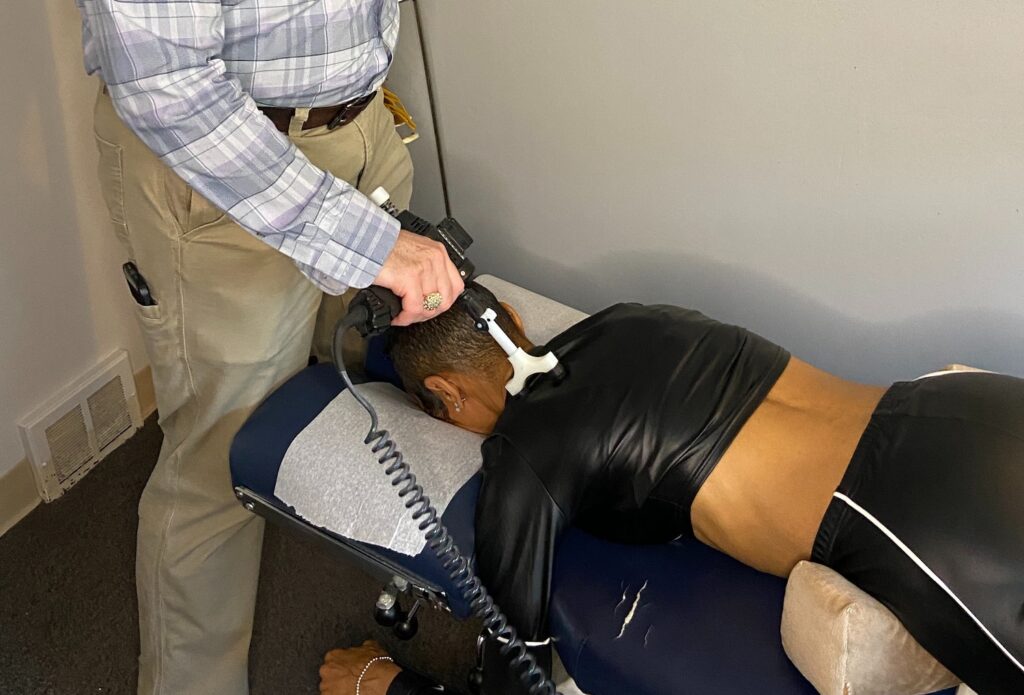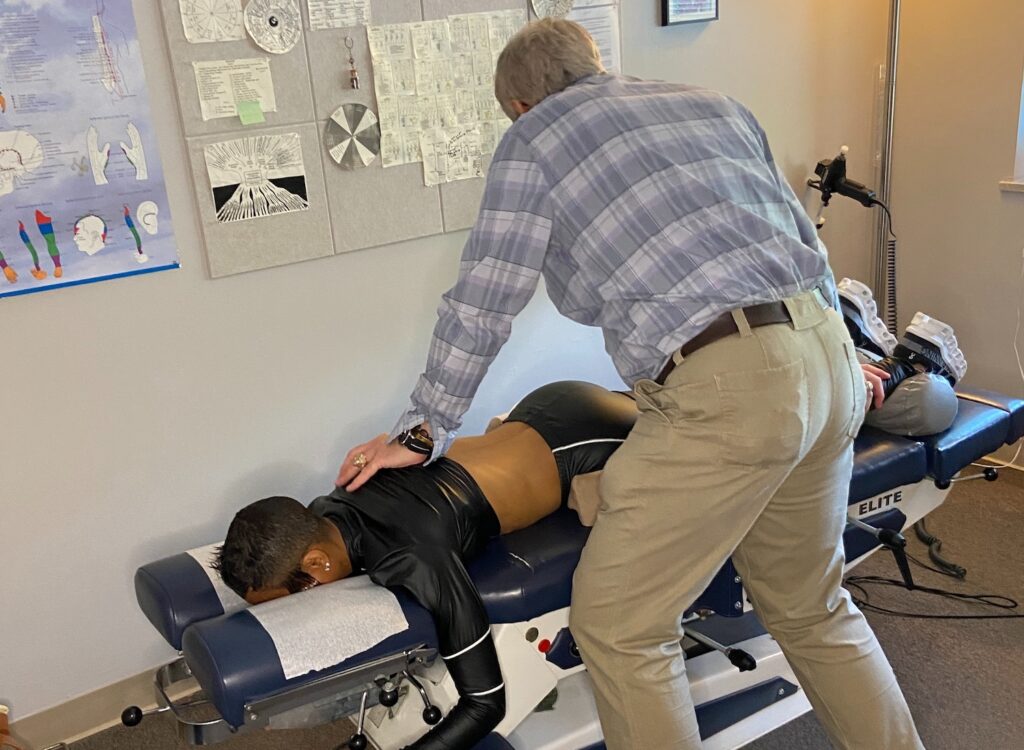

Improving your flexibility isn’t just about stretching; it’s a comprehensive approach that incorporates various care solutions, with chiropractic care being one of the most effective. As a chiropractor, I believe that enhancing your mobility and overall well-being requires a holistic strategy. By integrating techniques like chiropractic adjustments, yoga, and proper nutrition, you can significantly improve your flexibility and relieve pain naturally.
Chiropractic care focuses on aligning your spine, which plays a crucial role in your body’s overall function. When your spine is aligned, your nervous system operates more efficiently, allowing for better movement and flexibility. Here are some specific strategies you can implement to see real results on your flexibility journey:
- Regular Chiropractic Adjustments: Schedule routine visits to your chiropractor. Adjustments can help realign your spine, reduce tension, and improve your range of motion.
- Incorporate Yoga: Yoga is an excellent way to enhance flexibility. It promotes stretching and strengthening your muscles while encouraging mindful breathing, which can further help reduce stress and tension in your body.
- Focus on Nutrition: Eating a well-balanced diet rich in vitamins and minerals supports muscle health. Foods high in omega-3 fatty acids, like fish, can help reduce inflammation, while antioxidants found in fruits and vegetables can promote recovery and overall wellness.
- Stay Hydrated: Drinking plenty of water keeps your muscles and joints lubricated, which is essential for maintaining flexibility.
- Practice Gentle Stretching: Incorporate gentle stretching into your daily routine. Focus on stretches that target major muscle groups, but be sure to listen to your body and avoid overstretching.
- Mind Your Posture: Good posture plays a vital role in flexibility. Be aware of your posture throughout the day, especially if you spend long hours sitting. Consider ergonomic furniture or adjustments to your workspace to support better alignment.
By focusing on these strategies, you can enhance your flexibility and overall health without the need for medications or surgery. Remember, chiropractic care is designed to support your body’s natural healing processes, helping you achieve optimal wellness. Start your journey towards improved flexibility today by considering the benefits of chiropractic care and how it can transform your life.
Key Takeaways
- To enhance your flexibility, consider incorporating both dynamic and static stretching techniques. These methods help improve muscle elasticity, making movement easier and more fluid.
- Regular yoga practice is beneficial for flexibility, especially poses that promote spinal health. These gentle stretches can help alleviate tension and improve your overall well-being.
- A balanced diet plays a crucial role in maintaining optimal muscle and joint function. Focus on consuming lean proteins, healthy fats, and a variety of colorful fruits and vegetables to support your body’s needs.
- Staying hydrated is essential for keeping your tissues elastic and preventing stiffness. Proper hydration can significantly enhance your range of motion and overall flexibility.
- Foam rollers can be an excellent tool for self-care, helping to relieve tension and improve posture. Additionally, chiropractic care offers targeted relief for pain and discomfort, allowing your body to function at its best.
By integrating these practices into your routine, along with regular chiropractic visits, you can achieve a healthier, more flexible body naturally. Remember, taking care of your spine is key to overall wellness!
Understanding the Importance of Flexibility
Understanding the importance of flexibility is essential, especially in today’s fast-paced world. Many people don’t realize how much flexibility impacts their daily lives, from bending down to tie their shoes to reaching for something on a high shelf. By improving your flexibility, you can enhance your overall physical performance, allowing you to engage in activities you love without discomfort.
Flexibility isn’t just about feeling good; it also plays a crucial role in injury prevention. When your muscles and joints are flexible, they can move more freely, absorbing stress better during physical activity. This is especially important as we age, as stiffness can increase and mobility may decline. By prioritizing flexibility in your routine, you can experience better posture and reduced muscle tension, which helps keep you feeling energized throughout the day.
Chiropractic care is an excellent way to support your flexibility and overall wellness. A chiropractor can help identify areas of tightness and misalignment in your spine, which can hinder your flexibility. Through gentle adjustments and tailored exercises, we can work together to improve your range of motion and promote natural healing.
Here are some simple tips to help you incorporate flexibility into your daily life:
- Stretch Daily: Set aside a few minutes each day for gentle stretching exercises. Focus on major muscle groups, such as your back, legs, and shoulders.
- Stay Hydrated: Drinking plenty of water helps keep your muscles hydrated and functioning properly.
- Warm-Up Before Activities: Always warm up before engaging in physical activities. This prepares your muscles and joints, reducing the risk of injury.
- Listen to Your Body: Pay attention to your body’s signals. If you feel tightness or discomfort, it might be time to incorporate more stretching or seek chiropractic care.
- Incorporate Movement: Try to integrate more movement into your day, whether it’s taking the stairs or doing light yoga at home.
Stretching Techniques for Improved Mobility
While you may already appreciate the benefits of flexibility, incorporating specific stretching techniques into your routine can significantly enhance your mobility and overall well-being. As a chiropractor, I want to share how these methods can’t only improve your flexibility but also support your spinal health.
Start your routine with dynamic stretches, such as leg swings and arm circles. These movements are excellent for warming up your muscles and getting your blood flowing. They prepare your body for more intense activities while promoting spinal alignment and reducing the risk of injury.
Next, practice static stretches by holding each position for 15-30 seconds. Focus on major muscle groups like your hamstrings, quadriceps, and shoulders. This helps to lengthen your muscles and improve flexibility, which can alleviate tension and support your spine.
Incorporate PNF (proprioceptive neuromuscular facilitation) stretching into your routine. This technique involves contracting and relaxing your muscles while stretching, and it can lead to significant improvements in flexibility. It’s a great way to enhance your mobility while also supporting your body’s natural healing processes.
Always listen to your body during these stretches. Remember, stretching should never be painful. Ease into each position and gradually increase your range of motion. By regularly including these techniques in your routine, you’ll not only improve your mobility but also promote a healthier, more flexible lifestyle.
In addition to stretching, consider regular chiropractic care to help maintain your spinal health and enhance your overall wellness. Chiropractic adjustments can aid in relieving tension, improving your posture, and getting your body back into alignment, which is essential for optimal function and mobility.
Together, these practices can lead you toward a healthier, pain-free life.
Incorporating Yoga Into Your Routine
Incorporating yoga into your daily routine can significantly enhance your flexibility and overall well-being, particularly when used in conjunction with chiropractic care. As a chiropractor, I often recommend yoga as a natural way to support spinal health and improve your body’s function. Yoga not only stretches your muscles but also encourages mindfulness, which can help alleviate stress—a common contributor to spinal discomfort.
Start small by dedicating just a few minutes each day to yoga, focusing on poses that promote flexibility and support your spine. Here’s a simple guide to some effective yoga poses that can benefit your overall health:
| Pose | Benefits | Duration |
|---|---|---|
| Downward Dog | Stretches hamstrings and calves, relieving tension in the back | 30 seconds |
| Cobra Pose | Opens up the chest and spine, promoting better posture | 30 seconds |
| Seated Forward Bend | Stretches the back and legs, enhancing spinal flexibility | 30 seconds |
| Butterfly Stretch | Increases hip flexibility, which can alleviate lower back pain | 30 seconds |
Integrating these poses into your daily routine not only promotes flexibility but can also complement the care you receive from your chiropractor. Remember to listen to your body and adjust poses as needed. By practicing yoga, you may notice improvements not only in your mobility but also in your relaxation and stress levels, making it an excellent addition to your path toward optimal health.
If you’re looking for a natural way to enhance your wellness, consider complementing your chiropractic care with these gentle yoga practices. Together, they can help you achieve a healthier, more balanced lifestyle!
Utilizing Foam Rollers for Muscle Recovery
Foam rollers are an excellent addition to your muscle recovery routine, providing a natural way to relieve tension and enhance flexibility. By incorporating foam rolling, you can promote better blood flow and reduce soreness after your workouts, all while supporting your body’s natural healing processes.
To begin, find a comfortable, flat surface and sit on the foam roller, positioning it under the muscle group you wish to target. Gently roll back and forth, applying pressure to any tight spots you feel. Focus on key areas such as your calves, quads, and back, dedicating about 30 seconds to each muscle group.
It’s important to take your time during this process. Rushing through foam rolling can diminish its benefits. As you roll, pay attention to any areas of discomfort; if you find a particularly sore spot, pause and apply gentle pressure for a few seconds to help release the tension.
Regularly incorporating foam rolling into your routine can help improve flexibility and reduce the risk of injuries, complementing the benefits of chiropractic care.
To maximize your muscle recovery, aim for at least a few minutes of foam rolling after your workouts. This practice not only promotes quicker recovery but also aligns beautifully with the principles of chiropractic care, which focuses on maintaining a healthy, well-functioning body.
Remember, your body is designed to heal itself, and tools like foam rollers can support that process effectively.
For optimal health and wellness, consider combining foam rolling with regular chiropractic adjustments. This holistic approach won’t only aid in pain relief but also enhance your overall well-being, allowing you to lead a healthier, more active lifestyle.
The Role of Nutrition in Flexibility Enhancement
Nutrition plays a vital role in enhancing flexibility, and as a local chiropractor, I want to emphasize how the right foods can support not only muscle function and joint health but also your overall wellness. When you nourish your body with nutrient-dense options, you’re providing it the tools it needs to perform at its best, which can complement the benefits of chiropractic care.
Incorporating lean proteins, such as chicken or fish, is essential as these foods help repair and build muscle tissues, promoting better movement. Healthy fats from sources like avocados and nuts can reduce inflammation, which is crucial for maintaining joint mobility and comfort.
Hydration is another key factor; drinking enough water is vital for keeping your tissues elastic and supple. Including a variety of fruits and vegetables that are rich in antioxidants—like berries and spinach—can help combat oxidative stress and support your flexibility, making it easier to move freely.
Don’t overlook omega-3 fatty acids found in foods like salmon; these can be excellent for reducing stiffness and enhancing joint health. By prioritizing a balanced diet, you not only work towards improving your flexibility but also support your overall physical health.
As you incorporate these dietary adjustments, remember that regular chiropractic care can further enhance your flexibility and overall wellness. Chiropractic adjustments can help realign your spine, reduce pain, and improve your body’s function, making it easier to reach your health goals.
Conclusion
By embracing effective care solutions, you’ll be on your path to boosting your flexibility and enhancing your overall well-being. One of the best ways to achieve this is through chiropractic care, which focuses on aligning your spine and optimizing your body’s function. Regular chiropractic adjustments can help relieve pain and improve mobility, making it easier to incorporate stretching techniques and yoga into your routine.
In addition to chiropractic care, consider complementing your health journey with proper nutrition to fuel your body and support recovery. Foam rolling is another excellent tool; it helps release tension in your muscles and can enhance your flexibility. Remember, the key is consistency. With dedication to your chiropractic adjustments and a balanced approach to your wellness routine, you’ll notice significant improvements not only in your flexibility but also in your overall quality of life.
Start prioritizing your health today, and experience the natural benefits of chiropractic care and a holistic approach to wellness. Feel the difference as you embrace a healthier, more flexible you!