
Home Exercises for Back Pain: A Chiropractor-Approved Guide from Our Lisle Team
If back pain has you moving slower than you’d like, you’re not alone. Here in Lisle, we see busy parents, active adults, and desk workers all share a similar goal: get relief and get back to life. The good news is that the right home exercises, done consistently and safely, can reduce stiffness, calm irritated tissues, and build strength that protects your spine. In this guide from Northstar Integrated Health & Physical Medicine Center, I’ll walk you through simple, chiropractor-approved exercises and habits to help your back feel and function better.
What do we cover? You’ll learn why home exercises matter, common mistakes to avoid, a step-by-step starter routine, when chiropractic fits in, and clear signs it’s time to seek professional help.
Quick definition: Home exercises for back pain are gentle movements and strengthening drills you can do on your own to ease discomfort, improve flexibility, and support the spine. They work best when matched to your needs and done regularly with good form.
Table of Contents
- Why Home Exercises Matter For Back Pain
- The Back-Pain Basics: Simple Biomechanics
- Common Mistakes People Make
- A Safe, At-Home Routine You Can Start Today
- How Chiropractic Care at Northstar Integrated Health Fits In
- Ergonomics and Daily Habits That Support Healing
- When To See a Chiropractor in Lisle
- When To Seek Medical Care First (Red Flags)
- Myths and Facts About Back Pain and Exercise
- Final Thoughts From Our Lisle Team
Why Home Exercises Matter For Back Pain
Movement is medicine for most common, non-emergency back pain. Gentle exercise helps lubricate joints, pump nutrients into discs, relax overworked muscles, and “wake up” supportive core muscles. Over time, this creates a spine that moves more freely and a body that tolerates daily life with less pain.
Major guidelines encourage staying active and using exercise as a first-line approach for mechanical low back pain. For example, the American College of Physicians notes that exercise and spinal manipulation can be helpful for many people with acute or chronic low back pain, alongside simple self-care strategies. The UK’s NICE guideline also emphasizes staying active and using movement-based care when safe to do so.
What does this mean for you? Small, consistent steps at home can make a meaningful difference. When combined with a personalized plan from a licensed chiropractor, the path to recovery often becomes smoother and faster.
The Back-Pain Basics: Simple Biomechanics
Your spine is built to move. Vertebrae stack like building blocks with discs between them acting as cushions. Ligaments guide motion. Muscles around your hips, abdomen, and back provide support and control.
When those parts get out of balance—like tight hip flexors from sitting, weak glutes from inactivity, or stiff spinal joints from stress—your back can become irritated. You might feel a dull ache after long meetings, a sharp twinge when you bend, or morning stiffness that eases as you get going.
A smart home routine targets three buckets: mobility to reduce stiffness, activation to switch on supportive muscles, and strength to build resilience. Think of it as oiling the hinges, rewiring the control system, and then reinforcing the frame.
Common Mistakes People Make
Back pain is frustrating, and it’s easy to push too hard or miss key details. Here are frequent errors and simple course-corrections we coach our Lisle patients on each day:
| Common Mistake | Better Choice |
|---|---|
| Powering through sharp pain | Move into a mild stretch only; stop if symptoms intensify or spread |
| Only stretching, no strengthening | Balance mobility work with core and hip strengthening |
| Doing too much, too soon | Start with short, daily sessions; gradually add time or reps |
| Holding breath during effort | Use slow, steady breathing to reduce tension and protect the spine |
| Ignoring desk or lifting habits | Pair exercises with ergonomic fixes and smarter movement patterns |
A Safe, At-Home Routine You Can Start Today
Below is a simple, well-rounded plan many people with common, non-emergency back pain find helpful. If an exercise increases pain, especially if it’s sharp, radiating, or causes numbness or weakness, stop and get evaluated.
General guidelines: Move slowly, stay within a comfortable range, and breathe. Aim for daily mobility and 2–3 days per week of strengthening. Consistency beats intensity.
- Diaphragmatic Breathing (2 minutes): Lie on your back with knees bent and feet flat. One hand on your belly, one on your chest. Inhale through the nose to gently expand the belly; exhale slowly through pursed lips. This calms the nervous system and helps your core work with your breath.
- Pelvic Tilts (8–12 reps): Same starting position. Gently flatten your low back toward the floor by tucking the tailbone, then return to neutral. Think: small, smooth motion. This “wakes up” deep stabilizers and eases stiffness.
- Lower Trunk Rotations (8–10 reps each way): Knees bent, feet on the floor. Gently let knees sway side to side without forcing. Keep shoulders relaxed. You should feel a mild stretch, not a twisty strain.
- Cat–Camel (6–10 slow cycles): On all fours, round your back up toward the ceiling, then gently arc it down into a comfortable extension. Keep the motion smooth, pain-free, and easy.
- Child’s Pose/Prayer Stretch (3–4 breaths): From all fours, sit your hips back toward your heels, arms reaching forward. Breathe into the back of your ribs. This reduces tension through the lower back.
- Hamstring Stretch (2 x 20–30 seconds each leg): On your back, loop a towel behind one thigh. Gently straighten the knee until a mild stretch is felt in the back of the leg. Avoid bouncing and keep the back relaxed.
- Figure-4 Hip Stretch (2 x 20–30 seconds each side): Cross one ankle over the opposite knee and gently pull the thigh toward you. You should feel a stretch in the buttock/hip. This can ease tension that often feeds low back discomfort.
- Bridge (8–12 reps): Knees bent, feet hip-width apart. Squeeze your glutes and lift your hips until your body forms a straight line from shoulders to knees. Pause for a breath, then lower with control. Focus on glute strength rather than arching the back.
- Dead Bug (6–10 reps each side): On your back, knees and hips at 90 degrees, arms pointed to the ceiling. Gently brace your core (think: tighten a belt one notch). Lower opposite arm and leg toward the floor without letting the back arch, then return. Slow and controlled wins.
- Bird Dog (6–10 reps each side): On all fours, extend opposite arm and leg. Keep your hips level and ribs tucked. Reach long, not high. Hold for a breath, then switch. This builds coordination and spinal stability.
- Optional: Gentle Press-Ups (5–8 reps): Lie on your stomach. Prop on your elbows and, if tolerated, press up partway onto your hands to extend the low back. Only do this if it feels relieving. Stop if it worsens symptoms, especially if you have leg pain that increases.
- Cool Down: Relaxed Breathing (1–2 minutes): Finish with easy belly breathing on your back or side. Let tension fall away.
Frequency and progression: Start with 10–15 minutes most days. As you improve, add a few reps or an extra set of the strengthening moves. We can tailor progressions at our clinic so you build capacity without flare-ups.
Tip for desk days: Sprinkle in motion breaks. Every 30–45 minutes, stand, walk for a minute, or do 5 pelvic tilts and 5 cat–camels. Small “movement snacks” prevent stiffness from taking root.
How Chiropractic Care at Northstar Integrated Health Fits In
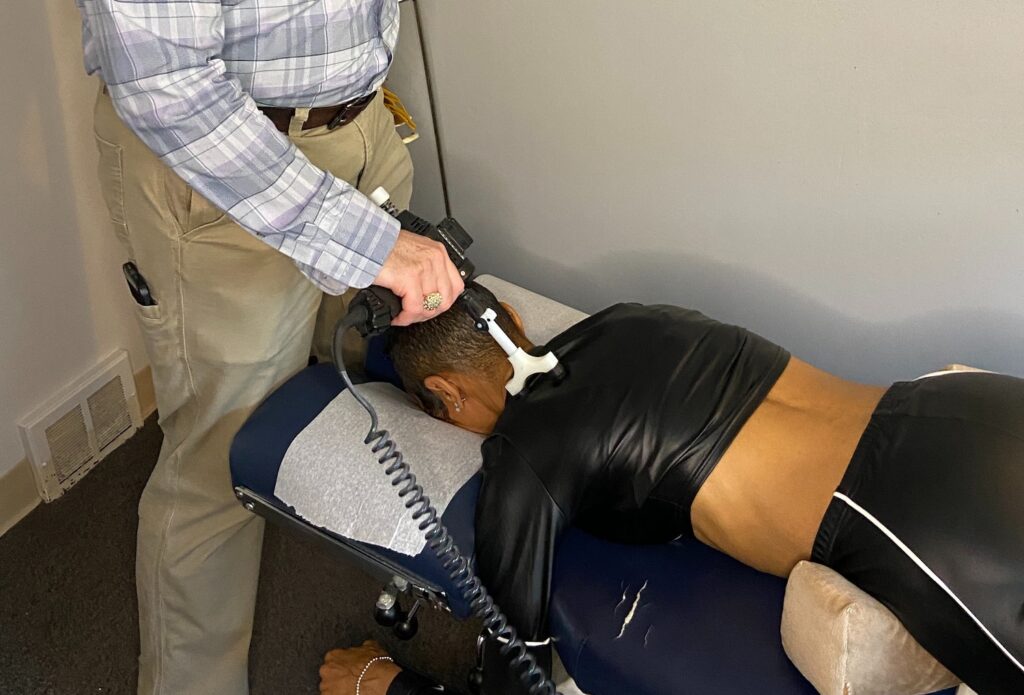
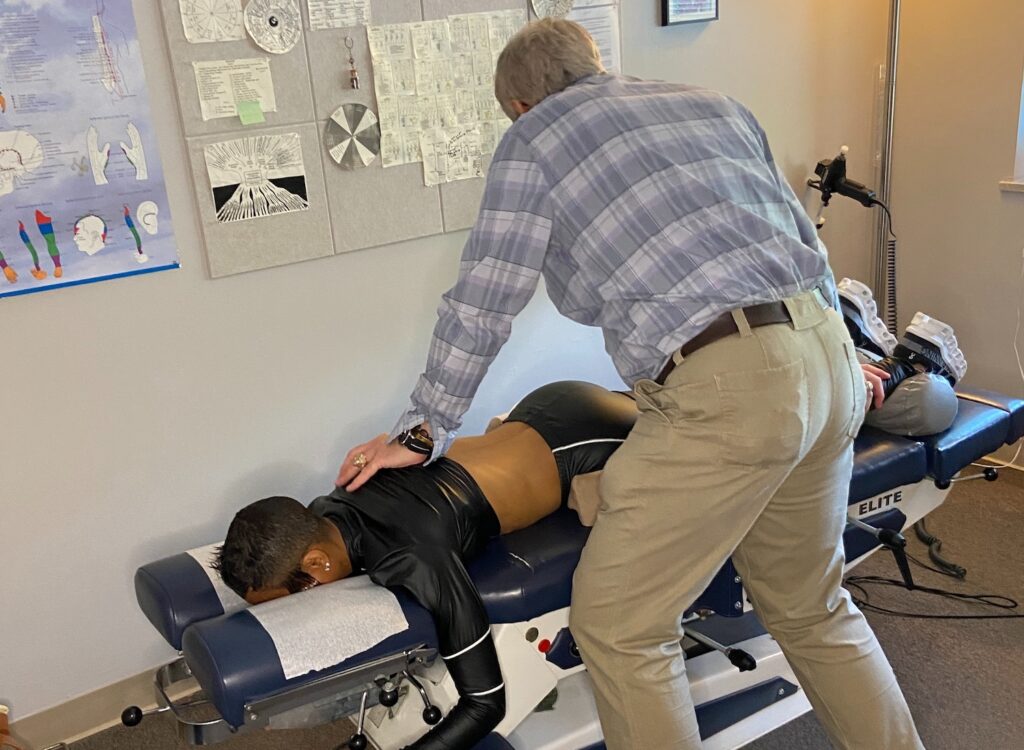
Chiropractic is often a strong partner to home exercise. When joints don’t move well, muscles work overtime and pain lingers. Gentle, evidence-informed spinal adjustments can improve mobility, reduce muscle guarding, and help your exercises feel better and work better.
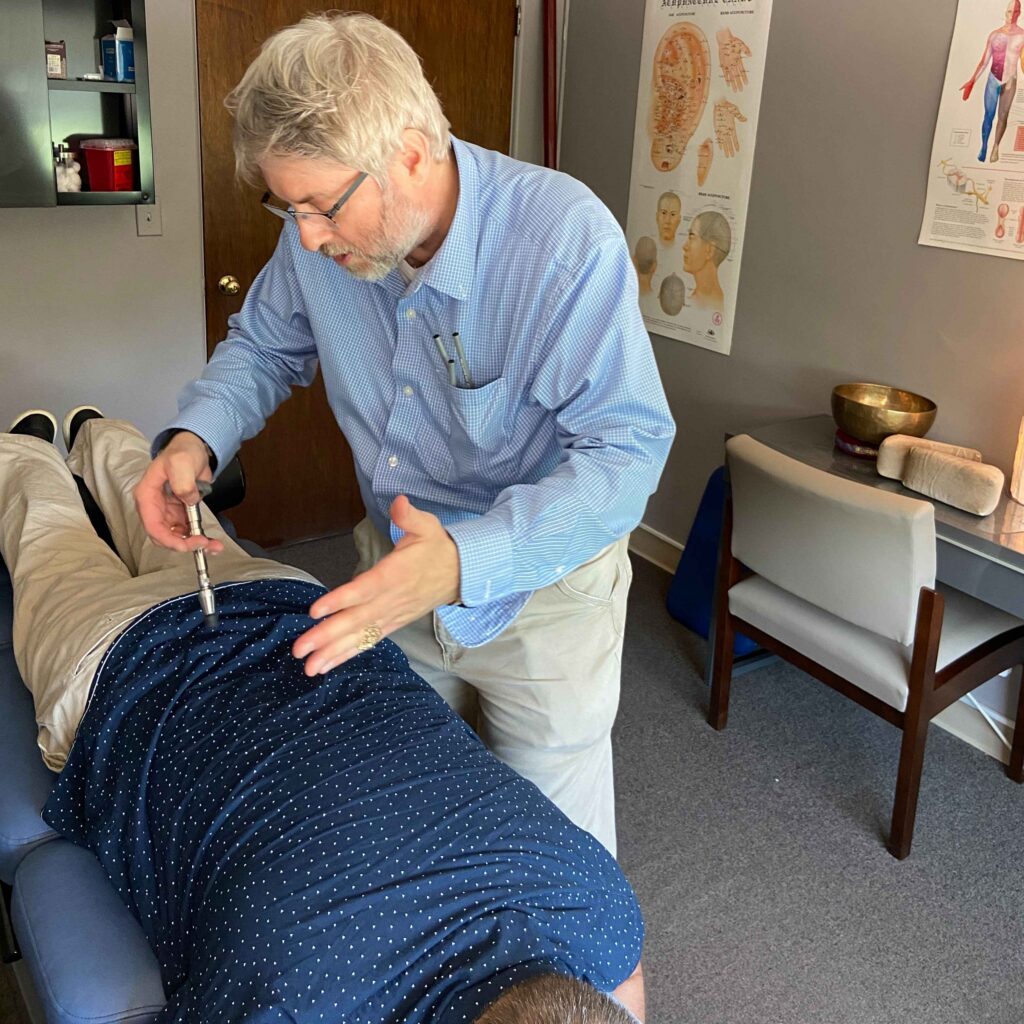
At Northstar Integrated Health & Physical Medicine Center in Lisle, we take an integrated approach. Chiropractic care stays at the forefront, and we complement it with rehab exercises, soft-tissue methods, posture and ergonomic coaching, and when appropriate, other disciplines within our team. This well-rounded strategy aims to calm the flare, restore motion, and build long-term resilience.
Research suggests that a combination of patient education, exercise, and manual therapies like spinal manipulation can be helpful for many people with back pain, especially when matched to the person. Our goal is to individualize—not guess—so you have a clear plan and a coach in your corner.
Ergonomics and Daily Habits That Support Healing
Good form isn’t just for the gym. The way you sit, lift, and sleep adds up over time. Here are practical, low-tech changes that reduce strain on your back.
Sitting
Keep feet flat, hips slightly higher than knees, and your lower back supported. Slide your hips to the back of the chair and keep the screen at eye level. Set a timer to stand and move every 30–45 minutes, even if just for a lap around the office.
Standing
Shift weight often. If you stand at a counter, place one foot on a small box or footrest and switch sides frequently. This takes pressure off the low back.
Lifting
Get close to the object. Hinge at the hips, keep your chest open, and use your legs. Exhale on effort and avoid twisting with a heavy load. When in doubt, ask for help or split the load.
Sleep
Side sleepers: a pillow between the knees can align the hips. Back sleepers: a small pillow under the knees can ease low back tension. Choose a pillow height that keeps your neck neutral, not propped high or sagging low.
When To See a Chiropractor in Lisle
Back pain is common, but you shouldn’t have to guess your way out of it. Consider scheduling a chiropractic evaluation if:
- You’ve had pain for more than 1–2 weeks without improvement
- You have recurring episodes that keep coming back
- Pain limits work, sleep, parenting, or workouts
- You notice stiffness that doesn’t ease with light movement
- You’re unsure which exercises are right for your specific pattern
- You’d like an integrated plan that blends hands-on care with targeted rehab
We’ll assess your movement, discuss your goals, and design a plan that fits your life. If something needs medical co-management, we’ll guide you there promptly.
When To Seek Medical Care First (Red Flags)
Most back pain is not an emergency. Still, some symptoms need prompt medical attention. Seek urgent care or emergency evaluation if you have:
- New bowel or bladder control problems, numbness in the “saddle” area, or significant, progressive leg weakness
- Unexplained fever, chills, or weight loss with back pain
- Back pain after a major fall, accident, or trauma
- A history of cancer with new, persistent back pain
- Severe, unrelenting pain that doesn’t improve with rest or gentle movement
If you’re unsure, call us. We’ll help you decide the safest next step.
Myths and Facts About Back Pain and Exercise
Myth: “Bed rest is the best cure.” Fact: Short rest can help during a severe flare, but prolonged inactivity often worsens stiffness and delays recovery. Gentle movement is usually better once serious causes are ruled out.
Myth: “If it hurts, it must be causing damage.” Fact: Pain and tissue damage aren’t always equal. Sore but safe is common with deconditioned or tight tissues. Sharp, worsening, or radiating pain is your cue to stop and get guidance.
Myth: “A strong core means endless sit-ups.” Fact: Quality beats quantity. Smart, spine-friendly core work (like dead bugs, bird dogs, and bridges) builds stability without excessive strain.
Myth: “Chiropractic is only for people in pain.” Fact: Many use chiropractic for mobility, performance, and prevention. It’s also a helpful partner to rehab and lifestyle changes during recovery.
Final Thoughts From Our Lisle Team
Home exercises for back pain don’t have to be complicated. A few targeted moves, consistent practice, and one or two ergonomic tweaks can make everyday life more comfortable. If you’re here in Lisle and want help personalizing a plan, our team at Northstar Integrated Health & Physical Medicine Center is ready to support you with a thoughtful, integrated approach that keeps chiropractic care at the core.
Evidence note: Recommendations in this article are consistent with guidance from well-regarded organizations that support exercise, patient education, and manual therapies for many cases of low back pain. For more reading, see References below.
FAQs
How often should I do home exercises for back pain?
Most people do best with daily mobility work and 2–3 days per week of strengthening. Short, consistent sessions are more effective than occasional long ones.
Is it normal to be a little sore after starting these exercises?
Mild, short-lived muscle soreness can be normal when you begin new routines. Sharp, worsening, or radiating pain is not normal—stop and get evaluated.
Which exercise should I start with if I’m very stiff?
Begin with diaphragmatic breathing, pelvic tilts, lower trunk rotations, and cat–camel. These are gentle and often reduce stiffness without aggravation.
Can I walk instead of doing stretches?
Walking is great for general back health, but targeted mobility and core activation add benefits that walking alone may not provide. Combining both is ideal.
Are sit-ups good for back pain?
Traditional sit-ups can strain the back. Safer core options include dead bugs, bird dogs, and bridges, which build stability without compressing the spine.
When will I feel results?
Some people feel easier motion within days. Strength and lasting change usually build over weeks with steady practice and good form.
TL;DR
- Gentle, consistent home exercises can ease back pain by improving mobility, core control, and strength.
- Start with breathing, pelvic tilts, rotations, cat–camel, bridges, dead bug, and bird dog; stop if pain sharpens or spreads.
- Pair exercise with smart ergonomics: move often, adjust your chair and screen, and lift with your legs.
- Chiropractic care can enhance results by improving joint motion and guiding a tailored plan.
- Seek medical care urgently for red flags like new bowel/bladder loss, saddle numbness, major weakness, fever, or trauma.