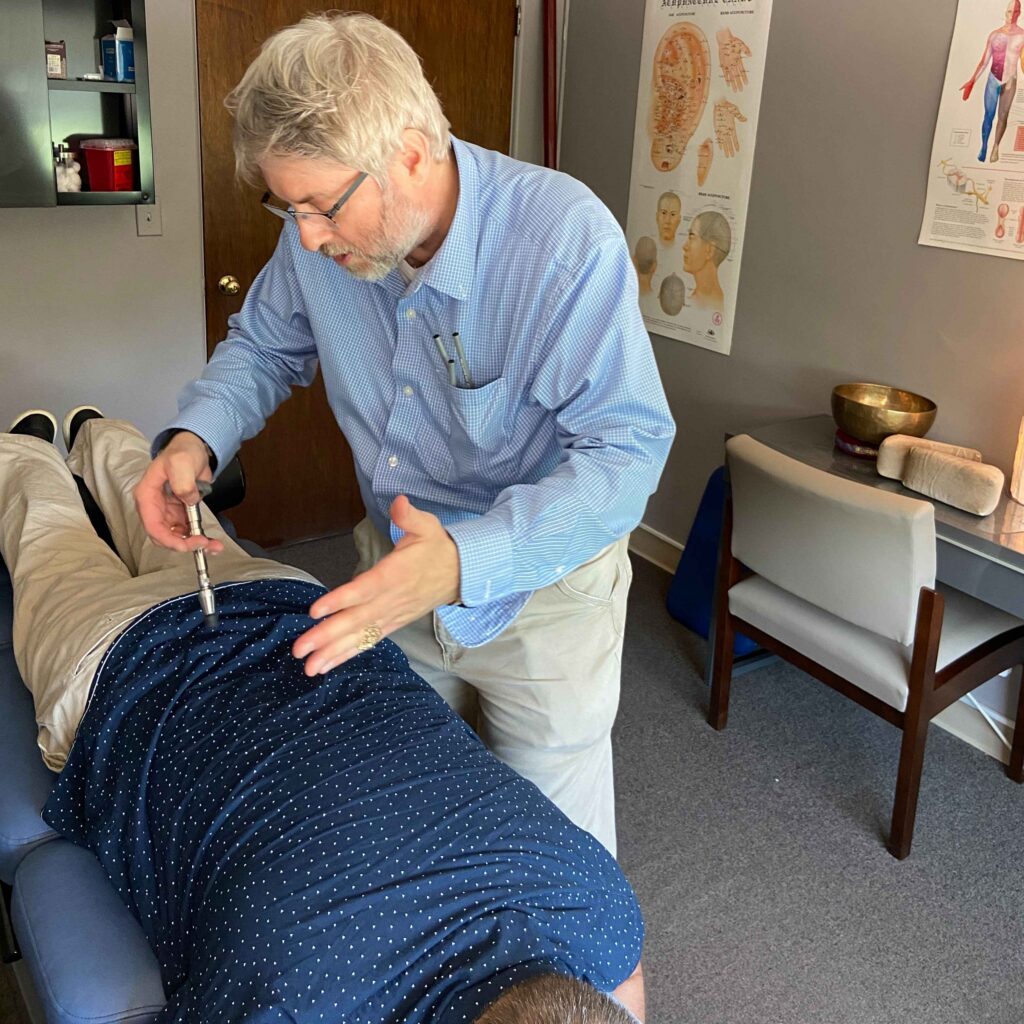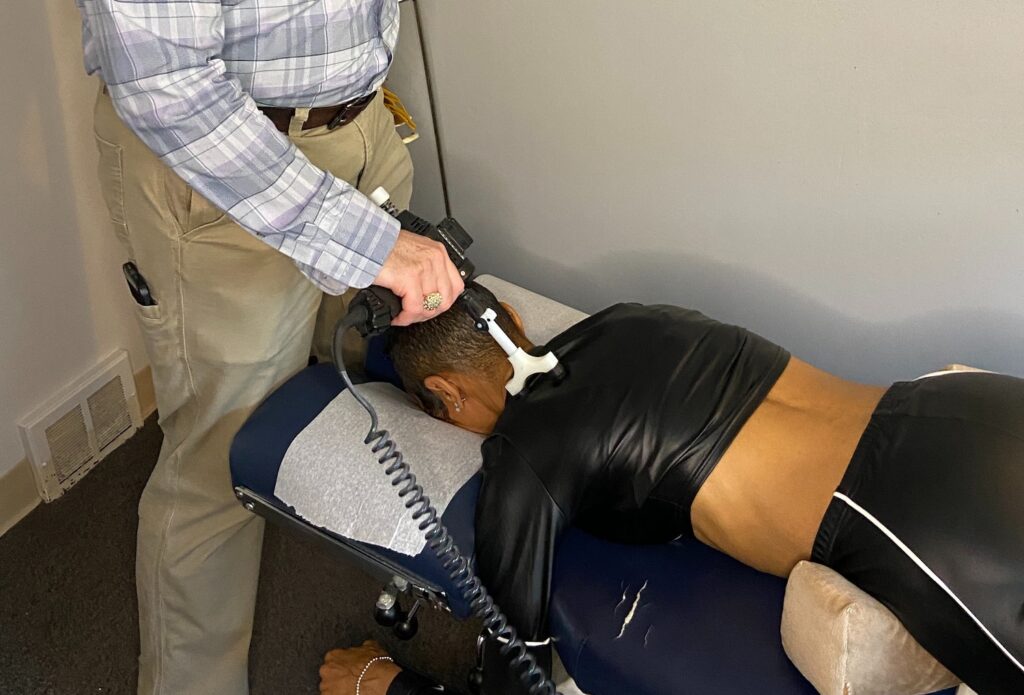

If you’re dealing with fibromyalgia, you know how challenging the symptoms can be. Finding relief is crucial, and there are natural strategies you can adopt to help ease your discomfort. As a chiropractor, I believe that prioritizing spinal health plays a vital role in managing fibromyalgia symptoms. Here are three effective approaches that can make a significant difference in your journey toward better health.
- Prioritize Sleep and Rest: Quality sleep is essential for anyone, especially for those with fibromyalgia. A well-aligned spine can improve sleep quality by reducing pain and promoting relaxation. Consider establishing a calming bedtime routine and ensuring your sleeping environment is conducive to rest. Chiropractic adjustments can also help relieve tension and discomfort, allowing you to achieve restorative sleep.
- Incorporate Gentle Exercise: Movement is key to managing fibromyalgia symptoms, and gentle exercises like walking, stretching, or yoga can be incredibly beneficial. Regular physical activity helps improve circulation, reduce stiffness, and boost your mood. As a chiropractor, I encourage you to focus on low-impact exercises that are easy on the joints. Proper spinal alignment through chiropractic care can enhance your mobility and make it easier to engage in physical activities.
- Explore Dietary Adjustments: Nutrition plays a significant role in overall health and can impact how you feel. While specific dietary changes may vary from person to person, incorporating whole, nutritious foods can support your body’s healing processes. Staying hydrated and reducing processed foods can also help manage inflammation. Consider consulting with a nutritionist who understands the interplay between diet and spinal health to find the best approach for you.
By focusing on these natural methods, you can take proactive steps toward alleviating fibromyalgia symptoms. Chiropractic care stands out as a holistic approach to achieving optimal health, providing relief from pain while promoting overall wellness. Remember, small changes can lead to significant improvements in your quality of life, so take it one step at a time. Your journey to better health starts with understanding your body and prioritizing your well-being.
Key Takeaways
- Prioritize quality sleep by aiming for 7-9 hours each night and establishing a calming bedtime routine. Good sleep is essential for your overall well-being and can significantly enhance your body’s ability to heal and recover, especially when combined with regular chiropractic care.
- Incorporate gentle exercises like walking or yoga into your daily routine. These activities can help improve mood, increase flexibility, and reduce muscle tension without putting too much strain on your body. Remember, maintaining proper spinal alignment through chiropractic adjustments can further enhance your physical activity and overall comfort.
- Explore dietary adjustments by focusing on anti-inflammatory foods and staying well-hydrated. Eating a diet rich in whole, natural foods can support your health and help alleviate symptoms. Pair these dietary changes with chiropractic care for the best results, as a well-aligned spine can improve your body’s ability to absorb nutrients and function optimally.
- Consider chiropractic care to improve spinal alignment, reduce pain, and promote relaxation. Regular adjustments can lead to better sleep quality and overall wellness, making it easier to manage fibromyalgia symptoms naturally.
- Utilize short daytime naps to combat fatigue and support recovery, but be mindful that they don’t disrupt your nighttime sleep patterns. Naps can help recharge your body, and when combined with chiropractic care, they can enhance your recovery and well-being.
By integrating these practices into your lifestyle, along with the benefits of chiropractic care, you can take significant steps toward alleviating fibromyalgia symptoms and achieving optimal health.
Prioritize Sleep and Rest
Prioritizing sleep and rest is essential for managing fibromyalgia symptoms and is a key aspect of achieving overall wellness. Quality sleep allows your body to heal and recharge, which can significantly reduce pain and fatigue. Aim for seven to nine hours of sleep each night, and establish a consistent sleep schedule. This regularity helps regulate your body’s internal clock, making it easier to fall asleep and stay asleep.
To enhance your sleep quality, create a calming bedtime routine. Start by dimming the lights and turning off screens at least an hour before bed. Engage in relaxing activities such as reading or practicing meditation to help signal to your body that it’s time to wind down.
Your sleep environment is also crucial—keep your bedroom dark, cool, and quiet to promote deeper rest. If external noises are a problem, consider using white noise machines or earplugs to help you relax.
Don’t overlook the benefits of short daytime naps. These can provide a refreshing boost without disrupting your nighttime sleep. Prioritizing rest not only helps you cope with the challenges of fibromyalgia but also enhances your overall well-being.
Moreover, incorporating regular chiropractic care into your wellness routine can further aid in managing pain and improving sleep quality. Chiropractors focus on spinal health, which plays a vital role in your nervous system and overall body function.
By ensuring that your spine is aligned and functioning properly, chiropractic care can help reduce tension, improve circulation, and promote relaxation, all of which contribute to better sleep.
In summary, by prioritizing sleep, creating a restful environment, and considering chiropractic care, you can take significant steps toward managing fibromyalgia symptoms and enhancing your quality of life.
Incorporate Gentle Exercise
Getting enough rest lays a solid foundation for managing fibromyalgia, and incorporating gentle exercise can further enhance your well-being. While it may seem daunting at first, starting with low-impact activities can make a significant difference in how you feel.
Here are some gentle exercises to consider, all of which can be complemented by chiropractic care for optimal results:
- Walking: A simple stroll can boost your mood and energy levels. It’s a great way to get your body moving without too much strain.
- Yoga: This practice promotes flexibility and relaxation, helping to ease muscle tension. Many find that yoga not only improves physical health but also calms the mind.
- Swimming: The buoyancy of water reduces strain on your joints while providing a full-body workout. It’s gentle on the body and can be very soothing.
- Tai Chi: This mind-body practice enhances balance and reduces stress, making it ideal for those with fibromyalgia. The slow, flowing movements can be very therapeutic.
Consider starting with short sessions and gradually increasing the duration as you feel comfortable. It’s essential to listen to your body and avoid pushing too hard; the goal is to improve your strength and flexibility without triggering fatigue.
Incorporating chiropractic care into your routine can enhance the benefits of these gentle exercises. A chiropractor can help ensure your spine is aligned, which can alleviate pain and improve your overall mobility.
By integrating gentle exercise and chiropractic care into your lifestyle, you may find relief from some fibromyalgia symptoms and improve your overall quality of life.
Explore Dietary Adjustments
Managing fibromyalgia involves more than just physical activity; dietary adjustments can also significantly impact your overall well-being and help alleviate symptoms. As a chiropractor, I want to emphasize the importance of natural healing through lifestyle choices, including nutrition. By incorporating anti-inflammatory foods, reducing sugar intake, and staying adequately hydrated, you can support your body in minimizing pain and enhancing your quality of life.
Here’s a handy guide to help you make better dietary choices:
| Food Group | Recommended Foods | Foods to Avoid |
|---|---|---|
| Fruits & Vegetables | Berries, Leafy Greens | Processed Fruits |
| Whole Grains | Quinoa, Brown Rice | White Bread |
| Proteins | Salmon, Beans | Fried Foods |
| Healthy Fats | Avocados, Nuts | Trans Fats |
| Beverages | Water, Herbal Teas | Sugary Drinks |
By focusing on these natural food options, you can support your body’s healing process. Remember, staying hydrated is crucial for overall health, and choosing whole, unprocessed foods can make a significant difference in how you feel.
Incorporating these dietary adjustments, along with regular chiropractic care, can help you on your journey to optimal health. Chiropractic care focuses on aligning your spine and improving your body’s natural ability to heal itself, which can be particularly beneficial for managing pain associated with fibromyalgia. So, make these nutritional changes and consider how chiropractic can complement your wellness journey.
Conclusion
By prioritizing sleep, incorporating gentle exercise, and making dietary adjustments, you can significantly alleviate fibromyalgia symptoms while supporting your overall health. As a chiropractor, I believe that a holistic approach that includes spinal health is essential for managing pain and improving your quality of life.
Start by establishing a calming bedtime routine to enhance your sleep quality. Quality sleep is crucial for your body’s healing processes, and it helps reduce pain perception. Gentle exercises such as yoga or walking not only improve your flexibility but also promote the release of endorphins, which can naturally elevate your mood.
Diet plays a vital role in your overall well-being. Consider incorporating anti-inflammatory foods—like leafy greens, berries, and fatty fish—into your meals. Limiting sugar and processed foods can also help decrease inflammation and enhance your energy levels.
Don’t forget that chiropractic care can be a valuable part of your wellness journey. Regular adjustments can help improve spinal alignment, reduce tension, and enhance your body’s natural ability to heal. By prioritizing these simple yet effective strategies, you can take control of your fibromyalgia symptoms and live a healthier, more vibrant life. Remember, small changes can lead to significant improvements!