
Maintaining good posture at work is crucial for your overall health and productivity, and as a chiropractor, I can’t stress enough how important it is to be mindful of how you sit and move throughout your day. When we spend long hours at our desks, our posture often takes a backseat, leading to discomfort and potential long-term issues. However, with a few simple adjustments, you can significantly improve your posture and, in turn, your well-being.
Here are some practical tips that can transform your daily routine and help support a healthy spine:
- Chair Setup: Choose an ergonomic chair that supports your lower back. Your feet should rest flat on the floor, and your knees should be at or slightly below hip level. This alignment helps reduce strain on your spine and promotes better posture.
- Screen Placement: Position your computer screen at eye level, about an arm’s length away. This prevents you from leaning forward or looking down, which can lead to neck and back strain. If your screen is too low, consider using a monitor stand.
- Take Breaks: Remember to stand, stretch, and move around every 30 to 60 minutes. This not only helps reset your posture but also encourages circulation and reduces the risk of stiffness.
- Mind Your Posture: Be conscious of your sitting posture. Keep your back straight, shoulders relaxed, and avoid slouching. Engaging your core muscles can also help support your spine throughout the day.
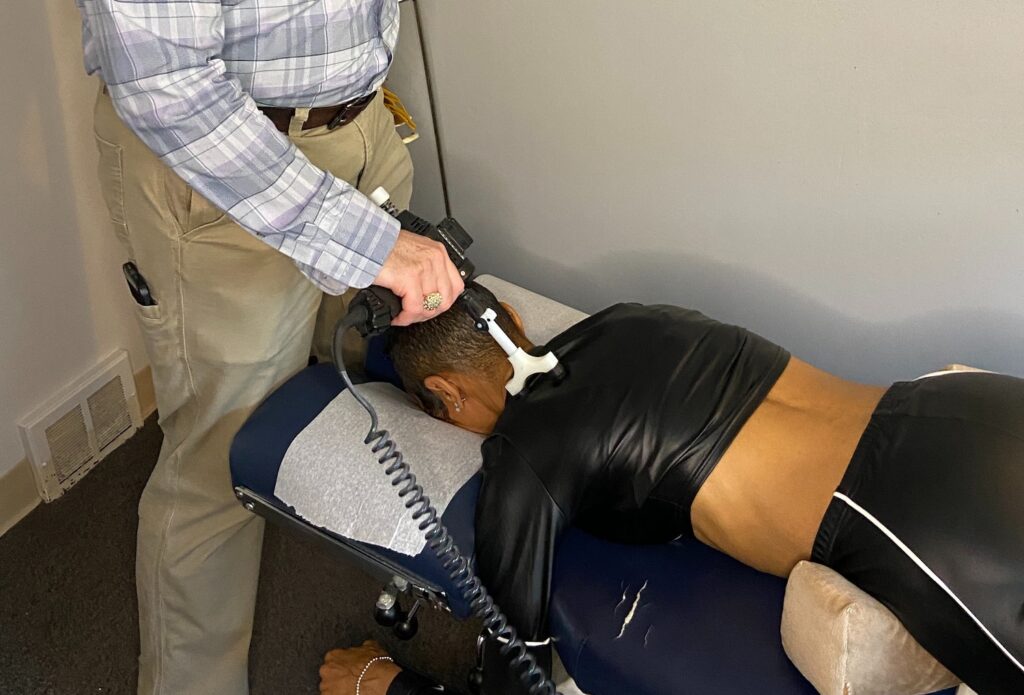
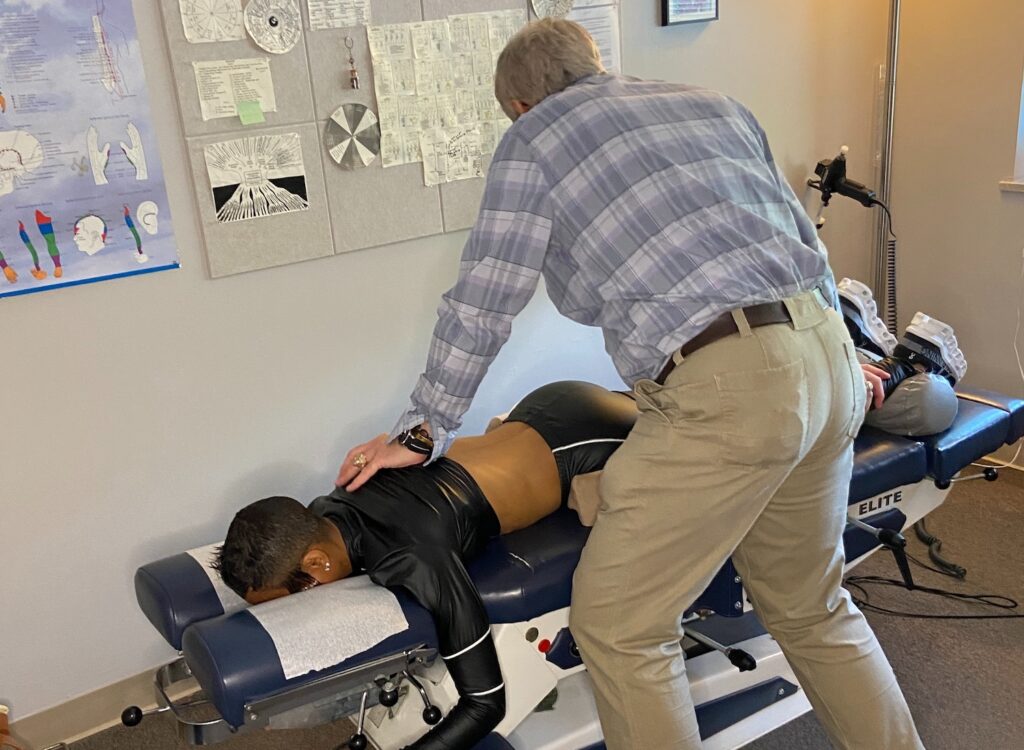
- Incorporate Chiropractic Care: Regular chiropractic adjustments can help maintain spinal health and prevent pain related to poor posture. A chiropractor can provide personalized advice and treatment that aligns with your body’s specific needs, promoting natural healing and overall wellness.
By implementing these tips and considering chiropractic care as a proactive approach to your health, you can enhance your workspace and support your spine. Remember, a healthy posture not only improves your comfort but also enhances your productivity and quality of life. Make these adjustments today for a healthier tomorrow!
Key Takeaways
5 Tips for Improved Posture at Work for Optimal Health
As a chiropractor, I believe that maintaining good posture at work is essential for your overall health and wellness. Here are five simple tips to help you improve your posture and support your spine while you work:
- Optimize Your Chair: Adjust your chair to provide the best support for your body. Make sure your feet are flat on the floor, and the backrest aligns with the natural curve of your spine. This can help reduce strain on your back and prevent discomfort.
- Screen Placement Matters: Position your computer screen about an arm’s length away and at eye level or just below it. This helps keep your neck in a neutral position, reducing the risk of stiffness and pain. Your eyes will thank you, too!
- Take Regular Breaks: Every hour, take a moment to stand up, walk around, and stretch. This simple practice can relieve muscle tightness and improve blood circulation. Remember, movement is key to maintaining a healthy spine.
- Incorporate Stretching: Make stretching a part of your daily routine. Gentle stretches can enhance your flexibility and counteract the negative effects of sitting for long periods. This not only feels good but also supports your spine’s health.
- Mind Your Posture: Throughout the day, take a moment to check in with your posture. Relax any tension in your shoulders and back. Being mindful of your body can help you maintain alignment and reduce the risk of pain.
Remember, chiropractic care is a natural and effective way to support your spine and overall well-being. If you’re experiencing discomfort or want to learn more about how to achieve optimal health, consider visiting a chiropractor for personalized guidance and support. Your spine will thank you!
Adjust Your Chair for Optimal Support
To maintain good posture while working, adjusting your chair for optimal support is crucial for your spinal health. Start by making sure your feet are flat on the ground or on a footrest. This simple adjustment helps distribute your weight evenly and reduces strain on your lower back.
Next, position your chair so that your knees are at a 90-degree angle, aligning them with your hips. This alignment is important for maintaining a healthy spine and preventing discomfort. Adjust the backrest to provide support for your lower back, encouraging a natural curve in your spine that chiropractic care promotes for overall wellness.
If your chair has armrests, set them at a height that allows your shoulders to relax. This reduces tension and prevents stiffness, which can lead to pain.
Check that the seat depth allows you to sit back comfortably while keeping a few inches between the edge of the seat and the back of your knees. This small detail can make a big difference in your comfort and spinal alignment.
Remember to make small adjustments throughout the day, especially if you start feeling uncomfortable. These tweaks aren’t just about comfort; they play a vital role in reducing fatigue and enhancing your productivity.
Ultimately, prioritizing your posture and chair adjustments is a proactive step towards better spinal health. Embracing chiropractic care can further enhance your well-being, offering natural solutions for pain relief and promoting a healthier lifestyle.
Position Your Computer Screen Correctly
Positioning your computer screen correctly is vital for preventing eye strain, supporting good posture, and maintaining overall spinal health. As a chiropractor, I want to share some simple tips to help you create a workspace that promotes wellness and comfort.
Start by placing your screen an arm’s length away from your eyes. This distance is key in reducing strain on your eyes and keeping your neck in a neutral position, which is essential for spinal alignment.
Ideally, the top of your monitor should be at or just below eye level. This way, you’ll be able to look slightly downward when viewing the screen, which helps keep your spine straight and reduces the risk of slouching.
It’s also helpful to tilt your screen slightly backward, about 10 to 20 degrees. This angle not only minimizes glare but also contributes to a more comfortable viewing experience, allowing your body to stay relaxed.
If you work with multiple monitors, ensure they’re at the same height and distance to avoid unnecessary twisting of your neck, which can lead to discomfort over time.
If your monitor is too low or too high, consider using a monitor stand. Adjusting the height of your screen can make a significant difference in your posture and overall comfort while working.
Remember, a well-aligned workspace not only enhances your productivity but also supports your spinal health.
By following these straightforward guidelines, you’re taking proactive steps toward better posture and natural wellness.
And as always, if you’re experiencing any discomfort or pain, don’t hesitate to seek the guidance of a chiropractor, who can provide tailored care to help you achieve optimal health through natural healing.
Take Regular Breaks to Move
Taking regular breaks to move is crucial for your physical and mental well-being, especially if you spend long hours working at a desk. When you remain seated for extended periods, your muscles can become tight, which may lead to discomfort and a dip in your energy levels.
To combat this, I recommend setting a timer to remind yourself to stand up and walk around every hour. A quick stroll around your office or just a few minutes of light movement can do wonders for rejuvenating your body and mind.
During these breaks, take a moment to focus on your breathing. Deep, mindful breaths can help clear your thoughts and significantly reduce stress. You can even incorporate some simple movements, such as leg lifts or shoulder rolls, to promote circulation and keep your spine aligned.
These little actions not only feel good but are also essential for maintaining a healthy spine and preventing discomfort.
By making it a habit to take movement breaks throughout your workday, you’ll find it easier to maintain focus, improve your overall posture, and reduce the risk of developing chronic pain.
Incorporate Stretching Into Your Routine
As a local chiropractor, I want to emphasize the importance of incorporating stretching into your daily routine. While it may be tempting to jump right back into your tasks after taking a movement break, taking a few moments to stretch can significantly enhance your posture and alleviate tension throughout your body.
Stretching isn’t just a luxury; it’s a vital part of maintaining a healthy spine and overall wellness. Many of us hold tension in our neck, shoulders, and back, especially after long hours of sitting. By focusing on these areas, you can promote better spinal health and improve your overall comfort.
Consider simple yet effective stretches like neck tilts to relieve stiffness, shoulder rolls to ease tension, and seated twists to enhance spinal mobility. Standing up to reach for the ceiling can help elongate your spine and counteract the effects of prolonged sitting.
To ensure you make stretching a regular part of your day, set reminders on your phone or computer. These small but consistent actions can lead to significant improvements in your well-being.
Practice Mindfulness for Better Awareness
Incorporating stretching into your daily routine is a fantastic way to enhance your physical well-being, but let’s not forget the significant role mindfulness plays in improving your posture and overall body awareness. Mindfulness allows you to be more in tune with your body’s position and tension levels throughout the day. By regularly checking in with yourself, you can catch slouching or hunching before it becomes a bad habit.
To start, consider setting reminders to pause and take a deep breath. Focus on how your body feels, making adjustments to your posture as needed. Whether you’re sitting or standing, it’s crucial to be aware of your alignment and how you distribute your weight on your feet.
You can also create mindful moments during your work tasks. As you type or attend meetings, consciously relax your shoulders and keep your back straight. Remember, good posture is essential for spinal health, and maintaining proper alignment can prevent unnecessary strain and discomfort.
If you find yourself experiencing pain or discomfort, chiropractic care is an excellent choice for natural healing and pain relief. Chiropractors are trained to help you develop better posture and alignment, which can lead to a healthier, more active lifestyle.
With regular chiropractic adjustments and a commitment to mindfulness, you can achieve lasting improvements in your posture and overall well-being. By prioritizing these practices, you empower yourself to take control of your health in a natural way.
Conclusion
By incorporating these five essential tips, you can significantly enhance your posture at work, leading to better spinal health and overall well-being. First, ensure your chair is ergonomically designed and properly adjusted to support your lower back. Next, position your computer screen at eye level to reduce strain on your neck and spine. Remember to take regular breaks to stand and move around, as this helps alleviate tension and promotes circulation. Incorporating simple stretches throughout your day can also help maintain flexibility and reduce discomfort. Lastly, practicing mindfulness can keep you aware of your posture and encourage a more relaxed state of mind.
These small adjustments can lead to reduced pain, increased productivity, and a healthier work environment. As a chiropractor, I encourage you to start implementing these strategies today. Not only will your body feel better, but you will also experience the natural benefits of improved spinal health. Your body will thank you, and chiropractic care can further support your journey to optimal wellness!