

Pinched Nerves: Causes, Symptoms, and Chiropractic Care in Lisle
If you’ve noticed numbness, tingling, burning, or a “pins and needles” sensation, you’re not alone. Here in Lisle, we see many neighbors come into Northstar Integrated Health & Physical Medicine Center with these exact concerns. These sensations can be unsettling, but they’re often connected to something very treatable: a “pinched” or irritated nerve. In this article, I’ll explain what that means, common causes, how to recognize concerning symptoms, and how chiropractic and our integrated team can help you feel and function better.
My goal is to give you clear, practical guidance in plain language, so you can make confident decisions about your health.
Table of Contents
What Is a “Pinched Nerve”?
A pinched nerve isn’t always literally “pinched” like a wire in a door. More often, it’s a nerve that’s being crowded or irritated by surrounding structures—like an inflamed joint, a bulging disc, tight muscles, or thickened ligaments. In the spine, this can create radiating pain down an arm or leg (often called cervical or lumbar radiculopathy). In the limbs, it can happen where nerves pass through narrow tunnels, like the wrist (carpal tunnel) or elbow (cubital tunnel).
Because nerves are like communication cables, when they’re irritated you might feel symptoms where the nerve travels—not just where the problem started. That’s why neck issues can affect the hand, and lower back issues can affect the foot.
Common Causes of Nerve Irritation
There isn’t one single cause of nerve irritation. For many people in Lisle, it’s a mix of posture, repetitive tasks, and age-related changes. Some of the most common contributors include:
- Disc changes in the spine: Bulging or herniated discs can press on nearby nerve roots. This is a frequent cause of sciatica (leg pain from the low back) or arm pain from the neck.
- Arthritis and bone spurs: As joints age, they can develop thickening or bony overgrowth that narrows the spaces where nerves travel (spinal stenosis or foraminal narrowing).
- Muscle and soft tissue tension: Tight muscles or fascia can compress nerves. A classic example is the piriformis muscle in the hip area irritating the sciatic nerve.
- Repetitive use and workplace strain: Prolonged typing, poor desk setup, frequent overhead reaching, or tool vibration can irritate nerves at the wrist, elbow, or shoulder.
- Inflammation and swelling: Even without a large structural change, localized swelling can aggravate a nerve.
- Less common factors: Acute injuries, metabolic conditions, or systemic illnesses can play a role. If your history suggests this, we coordinate care with your medical providers to ensure you’re fully evaluated.
Signs and Symptoms to Watch For
Nerve-related symptoms often have a “traveling” quality. You might notice tingling in the fingers with certain neck positions, or a burning line down the back of the leg when you sit too long. Common patterns include:
- Numbness or tingling: Feels like your limb is “asleep” or buzzing.
- Burning or electric pain: Sharp, shooting, or zapping sensations—sometimes sudden.
- Weakness or clumsiness: Trouble gripping, lifting the foot, or maintaining balance.
- Position sensitivity: Worsens when you tilt your head, sit for long periods, or sleep in certain positions; improves when you change posture or move.
- Neck vs. wrist clues: Symptoms that run from the neck into the shoulder/arm/hand may point to the neck, while symptoms isolated to the hand—especially the thumb, index, and middle fingers—may point to the wrist.
Pinched Nerve Locations: Neck vs. Low Back vs. Extremities
Different locations tend to create recognizable symptom patterns. Here’s a simple overview:
| Location | Common Sensations | Typical Triggers | Everyday Clue |
|---|---|---|---|
| Neck (Cervical) | Tingling or burning into shoulder, arm, or hand; possible grip weakness | Looking down at devices, prolonged driving, sleeping with multiple pillows | Symptoms change with neck position or when turning the head |
| Low Back (Lumbar) | Shooting pain, numbness, or tingling into buttock, thigh, calf, or foot | Sitting too long, bending and lifting, coughing/sneezing with disc irritation | Leg symptoms follow a line below the knee (commonly called sciatica) |
| Wrist (Carpal Tunnel) | Numbness/tingling in thumb, index, middle fingers; night waking | Typing, flexed wrists, tool vibration | Shaking the hand out provides temporary relief |
| Elbow (Cubital Tunnel) | Tingling in ring and pinky fingers | Prolonged bent elbows (phone use, sleeping with elbows bent) | Symptoms worsen when leaning on the elbow |
| Hip/Buttock (Piriformis-related) | Buttock pain with tingling down back of leg | Prolonged sitting, long drives, wallet in back pocket | Sitting stretches worsen, gentle walking eases |
How Chiropractic Care Fits In at Northstar Integrated Health
Chiropractic care focuses on restoring healthy motion in joints and reducing irritation around nerves. For many people with neck or low back–related nerve symptoms, a conservative plan that includes chiropractic adjustments, specific exercise, and ergonomic coaching can be very effective.
What This Often Looks Like in Our Lisle Clinic
- Thorough evaluation: We start with a detailed history and exam, including orthopedic and neurologic tests. If needed, we can order imaging or coordinate referrals.
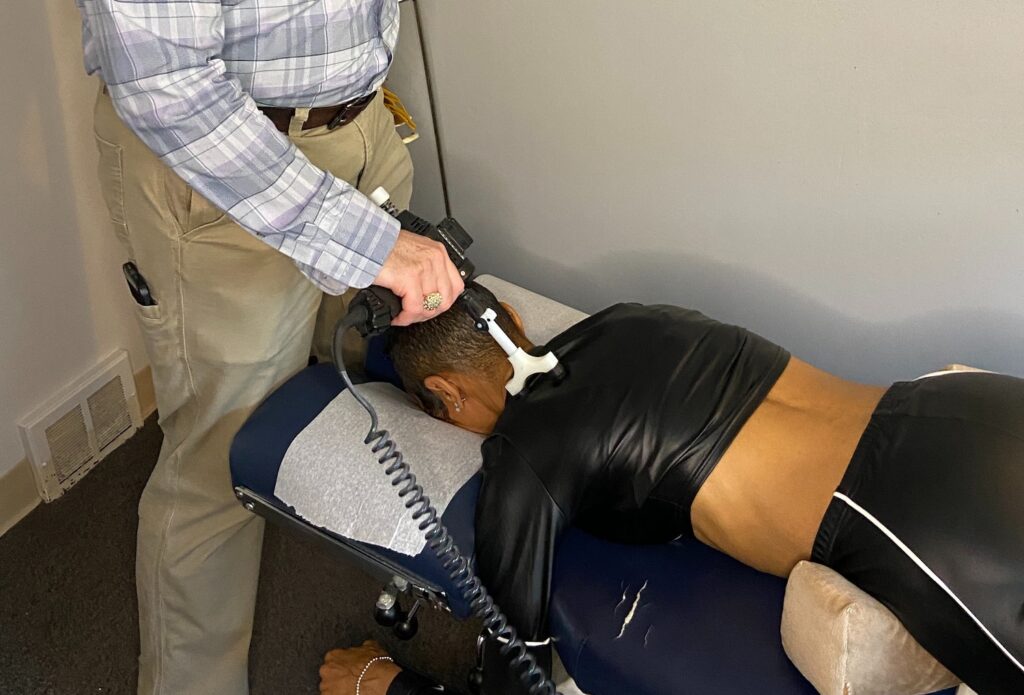
- Gentle, targeted adjustments: Restoring motion to restricted joints can reduce local inflammation and mechanical stress on nerves. We tailor techniques to your comfort, using hands-on or instrument-assisted methods.
- Soft tissue therapy: Addressing tight muscles and fascia can relieve pressure around nerve pathways (for example, the piriformis muscle around the sciatic nerve).
- Spinal decompression or traction, when appropriate: Select cases may benefit from traction-based methods to reduce pressure on irritated nerve roots. We determine suitability after a careful assessment.
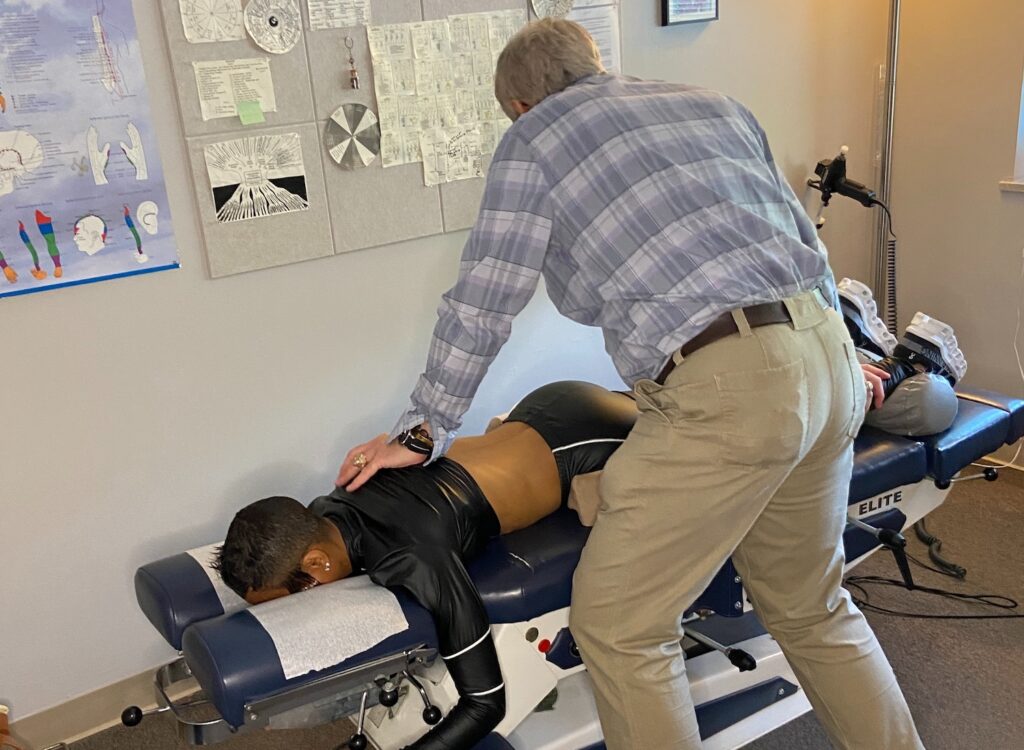
- Flexion-distraction and mobilization: These gentle, rhythmical approaches can help people who find traditional thrust adjustments too intense, especially with disc-related low back symptoms.
- Corrective and nerve gliding exercises: Specific movements, posture training, and nerve “flossing” can help calm symptoms and prevent recurrence.
- Ergonomics and activity coaching: Small changes at your desk, in your car, or during workouts can make a big difference in how your nerves feel day to day.
Evidence-Based Perspective
Major guidelines encourage non-drug, conservative care for spine-related pain. For example, the American College of Physicians lists spinal manipulation and exercise among recommended options for low back pain: ACP Low Back Pain Guideline. The National Center for Complementary and Integrative Health provides an overview here: NCCIH: Spinal Manipulation. UK guidance also supports a combined approach of manual therapy with exercise for some people with low back pain and sciatica: NICE NG59.
While no single therapy is right for everyone, many patients find that a personalized, conservative plan helps reduce pain, restore function, and support long-term spinal health.
Our Integrated, Evidence-Informed Approach in Lisle
At Northstar Integrated Health & Physical Medicine Center, we take a team-based approach. Chiropractic care is at the core, and we collaborate with our physical medicine and rehabilitation providers when needed. That might include therapeutic exercise progressions, activity modification, and coordinated care with your primary care physician or a specialist if your case calls for it.
We Emphasize
- Clarity: You’ll understand the likely source of your symptoms and how we plan to address it.
- Function first: We track practical goals—like sitting comfortably, sleeping better, and lifting without pain.
- Home strategies: You’ll leave with simple tools to manage flare-ups and protect progress.
- Communication: If your condition doesn’t respond as expected, we adjust the plan and, when appropriate, coordinate additional evaluation.
Simple Self-Care and Prevention Tips
- Move often: Set a timer to stand, stretch, and change posture every 30–60 minutes—especially if you work at a desk or drive.
- Keep a neutral spine: Adjust monitor height to eye level, bring screens up to eye height instead of looking down, and relax your shoulders.
- Mind your wrists: Keep wrists straight when typing; consider an ergonomic mouse and keyboard.
- Sleep smart: Use one supportive pillow that keeps your neck in line; side sleepers often do well with a pillow between the knees to ease the low back.
- Walk daily: Gentle walking can calm irritated nerves and keep joints mobile.
- Ease into activity: Warm up before lifting or sports; avoid sudden increases in intensity or volume.
- Listen to symptoms: Numbness, tingling, or burning that increases with a specific posture or tool is a signal to adjust your setup or take breaks.
When to See a Chiropractor
If your numbness, tingling, or burning has lasted more than a few days, comes and goes repeatedly, or is starting to affect sleep, work, or workouts, it’s reasonable to schedule an evaluation.
Consider chiropractic care when symptoms travel from your neck into your arm or from your low back into your leg, especially if certain positions make it worse or better—these are classic signs of mechanical irritation we routinely assess and treat.
If you’ve already tried rest or simple changes at your desk and you’re still struggling, a focused exam can reveal the true driver and get you started on a plan tailored for you.
We’ll also let you know if imaging or a medical referral is appropriate. Not everyone needs an X-ray or MRI right away; those decisions are based on your history, red flags, and response to initial care.
When to Seek Medical Care Urgently
While most pinched nerves are not emergencies, certain signs require prompt medical attention. If you notice any of the following, seek urgent care or call 911:
- New or rapidly worsening weakness in an arm or leg (e.g., foot drop or sudden grip loss)
- Loss of bowel or bladder control, or numbness in the “saddle” area
- Severe, unrelenting pain that doesn’t change with position or wakes you from sleep regularly
- Fever, chills, or unexplained weight loss along with back or neck pain
- History of major trauma, cancer, or osteoporosis with new severe spine symptoms
If you’re unsure, call our office in Lisle—we’ll help you decide the best next step. Your safety always comes first.
Myths and Facts About Pinched Nerves
- Myth: “If I have numbness, I definitely need surgery.”
Fact: Many nerve irritations improve with conservative care like chiropractic, exercise, and ergonomic changes. Surgery is reserved for specific cases. - Myth: “If pain travels down my leg, it must be sciatica.”
Fact: Sciatica is one cause, but hip, SI joint, and muscular issues can mimic sciatica. A precise exam helps pinpoint the source. - Myth: “Adjustments are rough and risky for nerve problems.”
Fact: Chiropractic care offers a range of gentle techniques. Plans are individualized, and we use the least force needed to restore motion and comfort. - Myth: “Resting completely is the best fix.”
Fact: Short bouts of rest can help, but prolonged inactivity often makes stiffness and nerve sensitivity worse. Guided movement usually helps recovery.
Final Thoughts for Our Lisle Community
Numbness, tingling, or burning can be alarming, but they’re often signs your body is asking for a course correction—not a cause for panic. With the right evaluation and a personalized plan, most people make meaningful progress.
If you live in Lisle or the surrounding communities, our team at Northstar Integrated Health & Physical Medicine Center is here to help you understand what’s going on and map out a clear, conservative path forward. When you’re ready, we’ll meet you where you are and guide you step by step.
FAQs
How do I know if my symptoms are from my neck or my wrist?
Neck-related issues often send symptoms into the shoulder, arm, and hand and change with neck position. Wrist-related issues tend to stay in the hand and fingers (especially thumb, index, and middle fingers with carpal tunnel) and may wake you at night.
Can a pinched nerve heal on its own?
Yes, many cases improve with time, activity changes, and a conservative care plan. If symptoms persist, worsen, or affect function, get evaluated.
Are chiropractic adjustments safe for pinched nerves?
When performed by a trained chiropractor after a proper exam, adjustments and related manual therapies are generally considered safe for many patients. Care is individualized, and we choose gentle techniques as needed.
Do I need an MRI right away?
Not usually. Imaging is considered if red flags are present, if there’s progressive neurologic loss, or if symptoms don’t respond as expected to conservative care.
How long until I feel better?
Recovery varies. Some feel relief within a few visits; others progress gradually over several weeks. Consistency with home strategies and exercises helps.
What’s the difference between sciatica and piriformis syndrome?
Both can cause leg symptoms. Sciatica usually involves nerve root irritation in the spine; piriformis syndrome involves muscle-related compression near the hip. A focused exam helps tell them apart.
TL;DR
- Numbness, tingling, and burning often signal a nerve irritated in the neck, low back, or along its path (wrist/elbow/hip).
- Chiropractic care with targeted adjustments, soft tissue work, and specific exercises can help many people recover safely.
- Simple changes—better desk setup, posture breaks, and daily walks—protect your nerves and reduce flare-ups.
- See a chiropractor if symptoms persist or affect daily life; seek urgent care for red flags like severe weakness or bowel/bladder changes.
- In Lisle, our integrated team builds personalized, conservative plans and coordinates care when imaging or referral is needed.