
You might not realize how much poor posture can impact your health and productivity at work. Slouching or hunching over your desk can lead to chronic pain and fatigue, making it harder to focus. Fortunately, addressing these issues through simple posture corrections can significantly enhance your well-being.
As a chiropractor, I believe that proper spinal alignment is key to achieving optimal health and wellness. By prioritizing your posture, you not only alleviate discomfort but also improve your overall quality of life. So what specific steps can you take to enhance your posture and create a healthier work environment? Let’s explore some practical tips.
- Ergonomic Workspace: Start by adjusting your workspace. Ensure your chair supports your lower back and that your monitor is at eye level. This helps maintain a neutral spine position and reduces strain on your back and neck.
- Take Regular Breaks: It’s important to stand up, stretch, and move around every hour. This helps prevent stiffness and encourages better blood circulation, which is vital for overall health.
- Mind Your Posture: Be conscious of your posture throughout the day. Keep your feet flat on the floor, your shoulders back, and avoid leaning forward. Simple reminders to check your posture can make a big difference.
- Strengthen Your Core: Incorporate exercises that strengthen your core muscles. A strong core supports your spine and helps maintain good posture throughout the day.
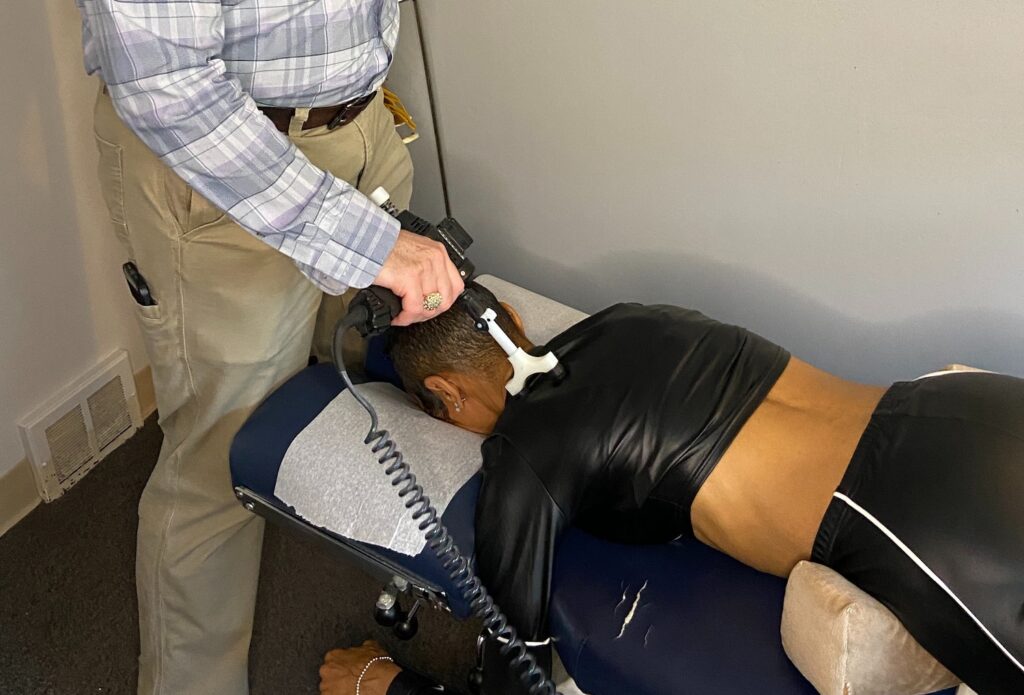
- Chiropractic Care: Regular visits to a chiropractor can provide significant benefits. Chiropractic adjustments help realign your spine, relieving tension and pain while promoting natural healing. This is a proactive approach to maintaining your health and enhancing your posture.
By integrating these tips into your daily routine, you can create a healthier work environment and improve your posture. Remember, taking care of your spine is essential for achieving optimal health. Embrace chiropractic care as a natural and effective way to enhance your wellness journey.
Key Takeaways
As a local chiropractor, I’m passionate about helping you achieve optimal health and wellness, starting with your posture. Here are some simple yet effective tips to enhance your workplace wellness and support your spine naturally:
- Invest in Ergonomic Furniture: Choose chairs and desks that promote proper alignment. Good ergonomic furniture can help reduce strain on your spine, muscles, and joints, paving the way for a more comfortable workday and less discomfort.
- Take Regular Breaks: Aim to step away from your desk every 30 minutes. This not only helps relieve tension but also gets your blood circulating, which is essential for overall wellness. Use this time to stretch or take a short walk, both of which can boost your energy and focus.
- Practice Good Posture: It’s important to maintain correct posture while sitting. Keep your feet flat on the ground, your back straight, and your shoulders back. This simple adjustment can significantly reduce the risk of back pain and discomfort.
- Incorporate Core-Strengthening Exercises: Strengthening your core can do wonders for your posture. Simple exercises like planks or bridges can be easily added to your daily routine, helping to support your spine and alleviate chronic pain.
- Consider Chiropractic Care: Regular chiropractic adjustments can provide long-term pain relief and improve your mental clarity, making you more productive at work. Chiropractic care focuses on natural healing, helping your body function at its best without the need for medications or invasive procedures.
Remember, making small changes today can lead to significant improvements in your health tomorrow. By prioritizing your posture and incorporating chiropractic care into your wellness routine, you’ll be taking important steps towards a healthier, pain-free life.
Understanding the Impact of Poor Posture on Health
Poor posture is a common issue that affects nearly 80% of people at some point in their lives, leading to a host of health concerns. When you slouch or hunch over, you’re not just changing how you look; you’re placing unnecessary strain on your spine, muscles, and joints. This can result in chronic pain, fatigue, and even headaches. Many people notice that sitting for long periods can make discomfort worse, making it difficult to concentrate and stay productive.
What’s more, poor posture can interfere with your breathing and digestion, restricting the oxygen and nutrients your body needs to operate at its peak. This can lead to feelings of stress and anxiety due to physical limitations. Understanding how your posture impacts your overall wellness is an essential step toward improvement.
As a chiropractor, I encourage you to make small adjustments to your alignment throughout your day. Here are some simple tips to help you improve your posture and enhance your health:
- Be Mindful of Your Sitting Position: When sitting, keep your feet flat on the floor, and avoid crossing your legs. Your back should be straight, and your shoulders should be relaxed but not slouched.
- Take Frequent Breaks: If you’re sitting for long periods, stand up, stretch, and walk around every 30 minutes. This helps relieve tension and improves circulation.
- Strengthen Your Core: A strong core supports your spine. Incorporate exercises that strengthen your abdominal and back muscles into your routine.
- Use Ergonomic Furniture: Consider using a chair that supports your lower back and allows you to maintain proper posture. Your workspace should be set up so that your computer screen is at eye level.
- Practice Good Posture While Standing: Stand tall with your shoulders back and your weight evenly distributed on both feet. Imagine a string pulling you up from the top of your head.
Chiropractic care can also play a vital role in achieving optimal health and relieving pain related to poor posture. Regular adjustments help realign your spine, restore proper function, and alleviate discomfort.
Common Posture Mistakes in the Workplace
You may not realize it, but slouched sitting habits and an improper desk setup can significantly impact your comfort and productivity. As a chiropractor, I’ve seen firsthand how these common posture mistakes can lead to discomfort and even chronic pain. In a busy work environment, it’s easy to overlook the importance of maintaining proper posture. However, by identifying and correcting these issues, you can experience substantial improvements in your overall well-being.
First, let’s talk about your workstation. Make sure your chair supports your lower back and encourages an upright posture. Your feet should be flat on the floor, and your knees should be at a right angle. This simple adjustment can help alleviate pressure on your spine and prevent discomfort.
When sitting at your desk, be mindful of your screen height. Ideally, your computer monitor should be at eye level to avoid straining your neck. Consider using a stand or an adjustable monitor arm to achieve the right height. This small change can make a big difference in how you feel throughout the day.
Don’t forget to take regular breaks! Standing up, stretching, and walking around every hour can help combat the effects of prolonged sitting. Simple stretches can relieve tension in your back and neck, promoting better spinal health.
Remember, chiropractic care is an excellent choice for achieving optimal health and wellness. Regular adjustments can help align your spine, improve your posture, and enhance your overall quality of life. By prioritizing your spinal health, you’re taking a proactive step toward pain relief and natural wellness.
Incorporating these tips into your daily routine can lead to a healthier, more comfortable work environment. Take charge of your posture today and experience the benefits of a well-aligned spine!
Slouched Sitting Habits
While it might feel comfortable to sink into your chair, slouched sitting habits can seriously affect your posture and overall health. Many people don’t realize that this common mistake can lead to chronic pain, fatigue, and decreased productivity.
As a chiropractor, I want to help you identify signs that you might be slouching:
- Are your shoulders rounded forward, causing tension in your upper back?
- Do you find yourself craning your neck forward to get a better view of your screen?
- Is your lower back feeling strained after sitting for extended periods?
These habits can take a toll on your spine and overall wellness. Thankfully, there are simple changes you can make to improve your posture. Here are a few tips:
- Sit Up Straight: Make a conscious effort to sit upright. Keep your back supported against the chair and avoid leaning forward.
- Feet Flat on the Ground: Ensure your feet are flat on the ground. If your chair is too high, consider using a footrest to maintain proper alignment.
- Adjust Your Chair: Make sure your chair is adjusted to provide proper lumbar support for your lower back.
- Take Breaks: Stand up and stretch regularly. This helps to relieve tension and re-align your spine.
- Mind Your Screen: Position your computer screen at eye level to prevent straining your neck.
By being mindful of your posture throughout the day and making these small adjustments, you can greatly improve your comfort and well-being.
Remember, chiropractic care is an excellent way to support your spinal health and alleviate pain naturally. If you’re experiencing discomfort, consider visiting a chiropractor who can provide personalized care and guidance.
Your journey to better health starts with a strong foundation—your spine!
Improper Desk Setup
An ergonomic workspace is vital for promoting good posture and preventing discomfort during long hours at your desk. If your desk setup is improper, you might find yourself leaning forward or straining your neck, which can lead to long-term spinal issues.
As a chiropractor, I encourage you to create a workspace that supports your body’s natural alignment, which can help alleviate pain and enhance your overall wellness.
Start by adjusting your chair so that your feet rest flat on the ground and your knees are at hip level. This alignment helps maintain the natural curve of your spine. Your monitor should be positioned at eye level, about an arm’s length away, to keep your neck aligned and reduce strain.
Remember, your keyboard and mouse should be close enough that your elbows remain at a 90-degree angle; this will help avoid unnecessary tension in your shoulders and arms.
In addition to these adjustments, take regular breaks to stand, stretch, and move around. This simple practice can help improve circulation and reduce the risk of stiffness.
Incorporating these ergonomic tips into your daily routine can create a supportive environment that not only promotes better posture but also boosts your productivity and enhances your overall well-being.
If you’re experiencing discomfort or pain, consider visiting a chiropractor. We specialize in natural healing and can help address any issues you may be facing, guiding you toward optimal health without the need for medications or surgeries.
The Benefits of Good Posture for Employees
Good posture isn’t just about looking confident; it plays a crucial role in enhancing your overall health and productivity at work. By maintaining proper alignment, you can support your body’s natural functions, which leads to a host of benefits that can significantly impact your work life.
– Reduced pain and discomfort: When your spine is properly aligned, it can help alleviate neck, back, and shoulder pain. This means you can focus on your tasks without the distraction of discomfort.
Regular chiropractic care can help ensure that your spine stays aligned, promoting long-term relief from pain.
– Improved concentration: Good posture encourages better blood flow and oxygen delivery to your brain, which can enhance your concentration and cognitive function.
By incorporating regular chiropractic adjustments into your routine, you can help keep your nervous system functioning optimally, contributing to sharper mental clarity.
– Enhanced mood: Standing or sitting tall can positively influence your mood and energy levels.
Feeling physically well can make it easier to tackle challenges throughout the day. Chiropractic care not only addresses spinal health but also supports your emotional well-being by reducing stress and promoting relaxation.
Tips for Maintaining Good Posture:
- Be Mindful of Your Setup: Ensure that your workspace is ergonomically designed. Your chair should support your lower back, and your computer screen should be at eye level to minimize strain.
- Take Breaks: Stand up and stretch every hour. Simple stretches can help relieve tension and reset your posture.
- Strengthen Your Core: A strong core supports your spine. Consider exercises like planks or bridges to build core strength, which can improve your posture.
- Stay Hydrated: Drinking enough water keeps your muscles hydrated and functioning properly, which can also contribute to better posture.
Incorporating these tips and seeking regular chiropractic care can help you achieve and maintain optimal posture, leading to a healthier, more productive work life.
Ergonomic Solutions for Posture Improvement
Choosing the right office chair and properly adjusting your desk height are crucial steps in supporting your spine and enhancing your posture. A well-designed chair can align your back and promote good posture, reducing the strain on your spine throughout your workday.
Additionally, monitor placement is key; your screen should be at eye level to help maintain a neutral neck position, further protecting your spinal health.
As a chiropractor, I can’t stress enough the importance of an ergonomically friendly workspace. Making these adjustments can significantly alleviate discomfort and prevent pain, allowing you to stay comfortable and productive.
Here are some simple tips you can implement today:
- Chair Height: Your feet should be flat on the ground, with your knees at a 90-degree angle. If your chair is too high, consider using a footrest.
- Desk Height: Ensure your elbows are at a 90-degree angle when typing. This can help reduce strain on your wrists and forearms.
- Monitor Position: The top of your monitor should be at or just below eye level, and about an arm’s length away from your face. This helps to prevent neck strain.
- Take Breaks: Stand up, stretch, and move around every hour. This not only helps with circulation but also gives your spine a much-needed break.
- Chiropractic Care: Regular chiropractic adjustments can help maintain spinal alignment and overall health. Incorporating chiropractic care into your routine can be an effective natural solution for pain relief and wellness.
By making these ergonomic changes and prioritizing your spinal health, you can create a more comfortable workspace that supports your journey toward optimal health.
Office Chair Selection
As a chiropractor, I want to emphasize the importance of selecting the right office chair for your health and wellness. Many people overlook how much an office chair can impact their posture, but the right choice can significantly enhance your comfort and support during those long hours spent at a desk.
A well-designed chair not only promotes good posture but also helps reduce the risk of discomfort or injury, allowing your body to function optimally.
Here are some key features to consider when choosing an office chair:
- Adjustable seat height: This feature is crucial as it ensures your feet are flat on the ground, which helps align your hips and knees properly. Proper alignment is vital for maintaining a healthy spine and avoiding strain.
- Lumbar support: Look for chairs that provide adequate support for your lower back. This support helps maintain the natural curve of your spine, which is essential for preventing back pain and promoting overall spinal health.
- Armrests: Armrests can be beneficial as they help keep your arms relaxed and reduce strain on your shoulders. This can prevent tension and discomfort that may lead to chronic pain over time.
Investing in a quality office chair that caters to your specific needs can significantly enhance your workspace experience and contribute to your overall well-being.
Remember, while an office chair is important, regular chiropractic care can also play a crucial role in maintaining spinal health and relieving discomfort. Incorporating both a supportive chair and chiropractic adjustments into your routine can lead you on the path to optimal health and natural healing.
In addition to selecting the right chair, here are some general tips to keep your spine healthy while working:
- Take breaks: Stand up, stretch, and walk around every hour to keep your body active and reduce stiffness.
- Practice good posture: Sit up straight, with your shoulders relaxed and your back supported to avoid slouching.
- Stay hydrated: Drinking plenty of water helps maintain the health of your spinal discs and overall body function.
Desk Height Adjustment
Selecting the right office chair is just one piece of the puzzle when it comes to maintaining proper posture at your workstation. Desk height adjustment plays a crucial role in ensuring you’re comfortable and supported while you work, which is vital for your spinal health.
Ideally, your desk should be set up so your elbows rest at a 90-degree angle when typing. If your desk is too high, you may find yourself hunching your shoulders, which can lead to discomfort and strain in your back and neck. Conversely, if your desk is too low, you could be putting unnecessary pressure on your wrists.
Adjust your desk or chair height accordingly to find that sweet spot. A height-adjustable desk can offer great flexibility to help you maintain proper posture throughout the day. Remember to keep your feet flat on the floor and your knees at hip level; this can greatly enhance your posture and reduce fatigue, making your workday much more comfortable.
As a chiropractor, I can’t emphasize enough the importance of maintaining a healthy workstation to support your spine. Incorporating regular breaks to stretch and move around can also be beneficial.
Consider simple movements like neck rolls and shoulder shrugs to alleviate tension. Taking these steps can help you avoid pain and discomfort, allowing your body to function optimally.
Monitor Placement Tips
Proper monitor placement is crucial not only for maintaining good posture but also for supporting your overall spinal health and preventing discomfort during long hours at your desk.
Here are some simple tips to optimize your workstation and promote natural wellness:
- Eye Level: Ensure the top of your monitor screen is at or just below eye level. This keeps your neck in a neutral position, reducing the risk of strain and encouraging a healthy spine alignment.
- Distance: Position your monitor about an arm’s length away from your eyes. This helps prevent eye strain and allows you to read comfortably, promoting a relaxed state that benefits your overall well-being.
- Tilt: Angle your monitor slightly back, around 10-20 degrees. This adjustment aligns your line of sight and helps you maintain a relaxed posture throughout the day, supporting spinal health.
By following these guidelines, you can create a more ergonomic workspace that not only enhances comfort but also contributes to your overall health.
Tips for Maintaining Good Posture Throughout the Day
As you go about your workday, prioritizing good posture isn’t only crucial for your comfort but also essential for your overall health and wellness. Proper alignment of your spine can prevent discomfort and enhance your productivity, making it easier to focus on your tasks at hand.
Start by ensuring your chair is adjusted so that your feet are flat on the floor and your knees form a right angle. This position helps support the natural curve of your spine. Position your computer screen at eye level to reduce the tendency to lean forward, which can lead to strain in your neck and back. Remember to keep your back straight and supported against the chair.
If you find yourself experiencing discomfort, consider using a lumbar support cushion. This simple tool can help maintain the natural curve of your lower back, which is vital for spinal health. While typing, keep your wrists straight and your elbows close to your body to avoid unnecessary strain.
Incorporating regular breaks into your routine is another effective way to maintain good posture. Aim to stand up, stretch, and walk around at least once every hour. This practice not only resets your posture but also promotes blood circulation, which is essential for your overall well-being.
Be mindful of your body alignment whether you’re sitting or standing. Keep your shoulders relaxed, your head aligned with your spine, and your hips positioned correctly. These small adjustments can significantly impact your comfort levels and prevent long-term issues.
Chiropractic care is an excellent choice for maintaining optimal health and preventing pain associated with poor posture. Regular adjustments can help ensure your spine is properly aligned, which supports not only your posture but your overall health.
If you’re feeling discomfort or want to enhance your wellness routine, consider consulting with a chiropractor who can guide you on your journey to better health. Remember, taking care of your spine is a key step towards a healthier, pain-free life!
Incorporating Stretching and Movement Into Your Routine
Good posture is just the beginning of maintaining your well-being at work, but it’s not enough on its own. To truly thrive and support your spinal health, it’s crucial to incorporate stretching and movement into your daily routine.
Regularly taking breaks to move not only helps reduce muscle tension but also enhances your focus—essential for a productive day. Here are some simple ways to integrate movement into your workday and promote optimal health:
- Set a Timer: Every hour, take a brief break to stand up, stretch, or walk around your workspace. This helps keep your spine flexible and reduces the risk of discomfort.
- Desk Stretches: Perform gentle stretches, such as neck rolls or shoulder shrugs, while seated. These movements can relieve tension and improve circulation, supporting your overall spinal alignment.
- Walk and Talk: If you have phone calls or meetings, consider walking around while you talk. This keeps your body engaged and provides a natural way to incorporate movement, benefiting your spinal health.
Remember, maintaining a healthy spine is essential for overall wellness.
Creating a Culture of Posture Awareness at Work
Creating a culture of posture awareness in the workplace can significantly enhance employees’ health and productivity, while also highlighting the benefits of chiropractic care. As a chiropractor, I encourage you to lead by example; when you maintain good posture, your colleagues will likely be inspired to do the same.
Start conversations about posture in meetings, underscoring its vital role in our overall well-being and how it can prevent pain and discomfort.
Consider organizing regular workshops or training sessions that focus on ergonomics and effective posture correction techniques. These sessions can simplify the complexities of spinal health, making it easier for everyone to understand how proper alignment can lead to a more comfortable workday.
Additionally, provide resources such as posture reminders or even simple ergonomic assessments to help employees adjust their workspaces to support their spine.
Cultivate an environment where taking breaks to stretch or move isn’t just accepted but actively promoted. Small changes, like reminding employees to stand up and stretch every hour, can make a significant difference.
Celebrate the progress of your team, whether it’s an employee sharing their improved posture or a group adopting healthier habits.
By fostering awareness and sharing valuable knowledge about spinal health, you create a supportive culture that values well-being.
Remember, chiropractic care is an excellent choice for achieving optimal health and pain relief, allowing both employees and the organization to thrive.
Together, we can create a healthier workplace that benefits everyone involved.
Conclusion
By prioritizing posture correction in your workplace, you can significantly enhance employee well-being and productivity while promoting natural health. As a chiropractor, I want to emphasize that maintaining proper posture is essential for spinal health and overall wellness. Simple ergonomic adjustments—like ensuring your chair supports your lower back and your computer screen is at eye level—can make a world of difference in reducing strain on your spine.
Encourage your team to be mindful of their posture throughout the day. Simple reminders to sit up straight or take short breaks to stand and stretch can alleviate discomfort and prevent long-term issues. Incorporating gentle stretches into the daily routine can also help keep the spine flexible and reduce tension.
Creating a culture of posture awareness not only enhances physical health but also fosters a positive, focused work environment. By prioritizing chiropractic care, employees can address any underlying issues related to posture and achieve optimal health. Regular chiropractic adjustments can help align the spine, relieve pain, and promote natural healing, leading to improved productivity and a more vibrant workplace.
Let’s commit to better posture together and consider chiropractic care as a valuable resource for achieving a healthier and more productive workplace! Remember, taking care of your spine is an essential step towards overall wellness.