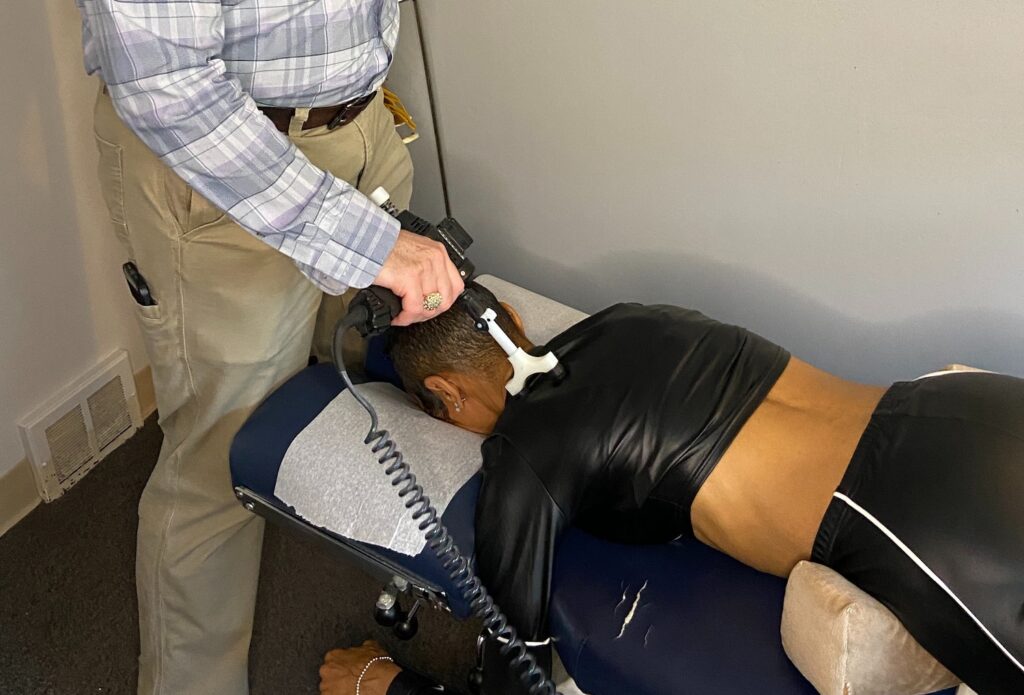

Enhancing your joint flexibility and movement naturally is essential for maintaining a healthy and active lifestyle. As a chiropractor, I believe that incorporating simple practices like regular stretching and mindful nutrition not only improves your mobility but also helps prevent injuries.
It’s important to recognize that your daily habits significantly influence your joint health. Chiropractic care plays a crucial role in achieving optimal health by addressing the underlying issues that affect your joints and spine. Through gentle adjustments and tailored care, we can help restore proper alignment, improving your overall movement and flexibility.
Here are some practical tips to support your joint health:
- Stay Active: Engage in low-impact activities like walking, swimming, or yoga to keep your joints moving without excessive strain.
- Incorporate Stretching: Simple stretching routines can enhance your flexibility. Focus on major muscle groups, holding each stretch for 15-30 seconds.
- Mind Your Posture: Good posture is key to spinal health. Be conscious of how you sit, stand, and move throughout the day.
- Stay Hydrated: Drinking plenty of water helps maintain joint lubrication, which is vital for smooth movement.
- Eat a Balanced Diet: Incorporate foods rich in omega-3 fatty acids, antioxidants, and vitamins to support joint health. Leafy greens, nuts, and fish are great choices.
- Consider Chiropractic Care: Regular visits to your chiropractor can help keep your spine and joints aligned, reducing pain and improving mobility.
By integrating these tips into your routine and prioritizing chiropractic care, you can make a significant difference in your joint health and overall well-being. Remember, your body is designed to move, and with the right support, you can enjoy a life full of vitality and flexibility.
Key Takeaways
- Engage in regular stretching exercises, holding each stretch for 20-30 seconds, and focus on major muscle groups 2-3 times a week. This practice not only helps improve flexibility but also supports the alignment of your spine, which is crucial for overall health.
- Consider adding yoga or Pilates to your routine. These gentle practices enhance flexibility and promote joint mobility through various poses and movements, helping to maintain a healthy spine and improve functional movement.
- Stay well-hydrated! Drinking plenty of water keeps your joints lubricated and supports tissue elasticity, which is essential for optimal joint function and spinal health.
- Incorporate anti-inflammatory foods into your diet, such as fatty fish and leafy greens. These foods can help promote joint health naturally and reduce inflammation, complementing the benefits of your chiropractic care.
- Utilize foam rolling and massage techniques to relieve muscle tension and improve blood flow. These methods can enhance your overall flexibility and support the adjustments made during your chiropractic visits, contributing to a healthier, more active lifestyle.
By integrating these natural practices into your daily routine, you can support your spinal health and overall well-being, making chiropractic care an essential part of your journey toward optimal health.
Understanding Joint Flexibility and Its Importance
Joint flexibility is crucial for your overall movement and physical performance. It allows you to move freely and efficiently, which is essential for both daily activities and exercise. When your joints are flexible, you can achieve a wider range of motion, greatly reducing the risk of injury during physical activities. This flexibility not only helps you maintain proper posture but also enhances your balance and stability.
As a chiropractor, I want to emphasize that good joint flexibility supports muscle function by allowing your muscles to work effectively through their full range of motion. It also plays a significant role in your body’s ability to absorb shock, protecting your joints during impact activities like running or jumping.
To enhance your joint flexibility naturally and support your overall wellness, consider incorporating these tips into your routine:
- Regular Stretching: Take time each day to stretch gently. Focus on areas that feel tight, and hold each stretch for at least 20-30 seconds.
- Stay Active: Engage in activities that promote flexibility, such as yoga or Pilates. These practices not only stretch your muscles but also encourage mindful movement.
- Maintain a Healthy Weight: Keeping your weight in check can reduce stress on your joints, making it easier for them to stay flexible.
- Hydration: Drink plenty of water to keep your joints lubricated. Proper hydration helps maintain the elasticity of joint tissues.
- Chiropractic Care: Regular chiropractic adjustments can help improve joint function and flexibility. A chiropractor can assess your unique needs and provide personalized care to support your joint health and overall wellness.
The Role of Stretching in Enhancing Flexibility
While many people view stretching as just a warm-up exercise, it actually plays a crucial role in enhancing flexibility and promoting overall wellness. By regularly incorporating stretching into your routine, you’re not only warming up your muscles but also improving their elasticity. This increased elasticity allows your muscles to extend further, leading to a greater range of motion in your joints, which is essential for maintaining a healthy spine and preventing discomfort.
Dynamic stretching, especially, is beneficial as it prepares your muscles for movement, making it easier to engage in daily activities without strain. On the other hand, static stretching can help relax your muscles after exercise, easing tension and promoting recovery. Remember, stretching also encourages blood flow, which is vital for delivering nutrients to your muscles and aiding in their recovery.
As you incorporate stretching into your routine, it’s important to listen to your body. Avoid pushing yourself too hard, as this can lead to injury and setbacks. Instead, aim to stretch major muscle groups at least two to three times a week. With consistent practice, you’ll notice improved flexibility, making everyday tasks easier and enhancing your physical performance.
In addition to stretching, consider how chiropractic care can further support your journey to optimal health. Regular adjustments can help align your spine, improve mobility, and reduce pain, allowing you to enjoy the benefits of flexibility without discomfort.
Yoga Practices for Improved Mobility
Incorporating yoga into your routine can significantly enhance your mobility and complement the benefits of chiropractic care. Practicing poses like Downward Dog, Warrior II, and Cat-Cow not only stretches your muscles but also improves joint flexibility, which is essential for maintaining a healthy spine.
These movements stimulate circulation, helping to lubricate your joints and reduce stiffness, making it easier to move freely. Balance-focused poses such as Tree Pose are particularly beneficial as they strengthen the stabilizing muscles around your joints, further supporting overall joint health.
With consistent practice, you’ll find that your body becomes more accustomed to deeper stretches, allowing for a greater range of motion over time. Remember, the breath plays a crucial role in your practice. Focusing on deep, mindful breathing helps release tension and enhances body awareness, making it easier for you to identify areas of tightness, especially around the spine.
To reap the benefits of yoga, aim to dedicate time several times a week to your practice. Many of my chiropractic patients have reported remarkable improvements in mobility as a result. Always listen to your body and feel free to modify poses to ensure that you’re practicing safely and effectively.
As a chiropractor, I encourage you to view yoga as a complementary practice to your chiropractic care. Together, they can work wonders for your overall well-being.
Remember to prioritize regular chiropractic adjustments to keep your spine aligned and functioning optimally, which will further enhance the benefits of your yoga practice. Prioritizing these natural approaches can lead you on a path to better health and wellness without the need for surgeries or medications.
Nutritional Choices for Joint Health
To keep your joints healthy, it’s essential to pay attention to your diet. As a chiropractor, I believe that what you eat can significantly impact your overall health, including your joint function and comfort. By incorporating anti-inflammatory foods and essential nutrients into your meals, you can enhance your joint health naturally.
Here are some tasty options that can support your joints and promote overall wellness:
- Fatty Fish: Salmon, mackerel, and sardines are loaded with omega-3 fatty acids, which are known to reduce inflammation and help alleviate joint pain. Try to include these fish in your meals a couple of times a week.
- Leafy Greens: Vegetables like spinach, kale, and broccoli are rich in antioxidants and nutrients that support joint health. They can help fight inflammation and support overall bodily functions, making them a great addition to your diet.
- Nuts and Seeds: Almonds, walnuts, and flaxseeds are excellent sources of healthy fats that can help reduce inflammation. A handful of these as a snack or added to your meals can be beneficial for joint support.
- Berries: Blueberries, strawberries, and cherries are packed with antioxidants that can help protect your joints from damage. Enjoy them as a snack or add them to your breakfast for a tasty, healthful boost.
- Turmeric: This spice contains curcumin, which has strong anti-inflammatory properties. Adding turmeric to your dishes can’t only enhance flavor but also support your joint health.
In addition to these foods, don’t forget the importance of staying hydrated and maintaining a balanced diet. Regular physical activity, along with a healthy diet, can greatly enhance your overall well-being and joint function.
Remember, chiropractic care is a powerful tool for maintaining optimal health and alleviating joint pain. Regular adjustments can help ensure your spine is aligned, which supports your nervous system and promotes healing throughout your body.
If you’re experiencing joint discomfort, consider visiting your chiropractor to explore how natural treatments can help you feel better and live a healthier life.
Anti-Inflammatory Foods
As a local chiropractor, I want to share how important it is to maintain joint health through the foods we eat. Choosing anti-inflammatory foods can significantly improve how you feel and move, making it easier for you to enjoy daily activities. By incorporating these foods into your diet, you can help reduce inflammation and support overall joint function, which is essential for optimal health. Here are some fantastic options to consider:
| Anti-Inflammatory Foods | Benefits |
|---|---|
| Fatty fish (like salmon) | Packed with omega-3 fatty acids that promote joint health |
| Leafy greens | Rich in antioxidants that help combat inflammation |
| Berries | Loaded with vitamins and nutrients that support your immune system |
In addition to these dietary choices, remember that chiropractic care is a vital part of a holistic approach to health. Regular chiropractic adjustments can help align your spine and improve your overall function, allowing your body to heal naturally.
Here are some practical tips to enhance your joint health:
- Incorporate Movement: Gentle exercises like walking or yoga can aid in maintaining joint mobility.
- Stay Hydrated: Drinking plenty of water helps keep your joints lubricated.
- Mind Your Posture: Good posture can alleviate unnecessary strain on your joints and spine.
Essential Nutrients for Joints
Understanding the essential nutrients for joint health is key to feeling good and moving freely. As a chiropractor, I believe that a holistic approach to wellness, including nutrition, can greatly enhance your overall health, especially when it comes to your joints.
Incorporating omega-3 fatty acids into your diet is a fantastic way to help reduce inflammation, which supports smooth joint function. You can find these beneficial fats in foods like flaxseeds, walnuts, and fatty fish, like salmon.
Vitamin C is another powerhouse nutrient for your joints. Foods rich in vitamin C, such as oranges, strawberries, and bell peppers, are excellent for supporting collagen production. Collagen acts as a cushion for your joints, helping to keep them healthy and mobile.
Don’t overlook the importance of vitamin D. This nutrient is crucial for calcium absorption, which is vital for strong bones. You can naturally boost your vitamin D levels by getting some sunlight and enjoying foods like fortified dairy products and fatty fish.
Magnesium is also important for joint health, as it helps with muscle and nerve function. You can find magnesium in foods such as nuts, seeds, and leafy greens—consider adding a handful of almonds to your snacks!
Finally, antioxidants found in berries and other colorful fruits and vegetables help combat oxidative stress, which can affect joint longevity.
By focusing on these essential nutrients, you can enhance your joint health and overall well-being.
Remember, proper spinal alignment through regular chiropractic care can also play a significant role in maintaining your mobility and reducing discomfort. Embracing a balanced diet and chiropractic adjustments can help you enjoy a more active and pain-free lifestyle.
Always listen to your body and consult with your chiropractor for personalized advice on maintaining your joint health and overall wellness.
The Benefits of Regular Physical Activity
Engaging in regular physical activity is essential for maintaining optimal joint mobility and enhancing muscle strength, both of which are key components of a healthy spine. As a chiropractor, I can’t stress enough how movement plays a pivotal role in boosting blood circulation, which is crucial for your overall health and well-being.
Incorporating physical activity into your daily routine can help alleviate pain and discomfort, especially in the back and joints. Simple activities like walking, stretching, or practicing yoga can make a world of difference. These movements not only keep your body active but also support your spinal health by promoting proper alignment and function.
Here are a few tips to get you started on a more active lifestyle:
- Start Slow: If you’re new to exercise, begin with short walks or gentle stretches. Gradually increase your activity level as your body adapts.
- Focus on Flexibility: Incorporating flexibility exercises can improve your range of motion and reduce the risk of injury. Stretching before and after physical activity is a great way to keep your muscles healthy.
- Incorporate Strength Training: Building muscle strength is vital for supporting your spine. You can use light weights, resistance bands, or even body weight exercises to get started.
- Stay Consistent: Aim to move your body regularly, even if it’s just for a few minutes each day. Consistency is key to reaping the benefits of an active lifestyle.
- Listen to Your Body: Pay attention to how your body feels during and after physical activity. If you experience pain, it may be a sign to modify your routine or consult with a chiropractor for personalized advice.
By making movement a priority and considering chiropractic care as part of your wellness journey, you can achieve a healthier, more active lifestyle while also addressing any discomfort you may be experiencing.
Improved Joint Mobility
Regular physical activity is essential for maintaining optimal joint mobility, and as your local chiropractor, I want to emphasize how chiropractic care complements this. Engaging in exercises like walking, swimming, or gentle yoga helps keep your joints moving freely and reduces stiffness.
However, to truly enhance your joint health, consider incorporating regular chiropractic adjustments into your routine. Chiropractic care focuses on aligning the spine and optimizing the nervous system, which can significantly improve joint function. When your spine is aligned, your body can communicate more effectively, allowing for better movement and flexibility.
This not only strengthens the tissues around your joints, enhancing their stability, but it also helps prevent discomfort and injuries. To support your joint mobility, here are some simple tips you can easily incorporate into your daily life:
- Stay Active: Aim for at least 30 minutes of moderate activity most days. This could be a brisk walk or a swim—whatever you enjoy!
- Incorporate Stretching: Gentle stretching can improve flexibility and range of motion. Consider adding a few stretches to your routine, especially after exercise.
- Visit Your Chiropractor: Regular adjustments can help maintain proper alignment and improve joint function, which is key to preventing stiffness.
- Listen to Your Body: Pay attention to any discomfort or pain in your joints. Early intervention with chiropractic care can help prevent more significant issues down the line.
- Stay Hydrated: Drinking plenty of water is crucial for joint lubrication. Aim to drink enough water throughout the day to keep your joints happy.
Enhanced Muscle Strength
Boosting your muscle strength is one of the greatest benefits of staying active, and it’s something that can greatly enhance your overall wellness. Regular physical activity not only challenges your muscles but also promotes their growth and adaptation. This increase in strength can make daily activities—like lifting groceries, climbing stairs, or playing sports—much easier.
As a chiropractor, I want to emphasize that stronger muscles also play a crucial role in supporting your joints. When your muscles are strong, they help reduce the risk of injury and improve stability, which is especially important for maintaining a healthy spine. Incorporating strength training exercises, such as bodyweight exercises, resistance bands, or light weights, into your routine can yield significant benefits.
However, it’s essential to approach these exercises mindfully. Here are some tips to help you enhance your muscle strength while keeping your spine healthy:
- Focus on Form: Always prioritize proper form over the amount of weight you lift. Good form helps prevent injuries and ensures you’re effectively targeting the right muscles.
- Start Slowly: If you’re new to strength training, start with lighter weights and gradually increase the resistance as your strength improves. This gradual approach helps your body adapt and minimizes the risk of strain.
- Incorporate Variety: Mix up your routine with different types of strength exercises to work various muscle groups. This not only keeps things interesting but also helps prevent overuse injuries.
- Stay Consistent: Consistency is key to seeing results. Find activities you enjoy and commit to a regular schedule. Whether it’s a few times a week or daily, make it a part of your lifestyle.
- Listen to Your Body: Pay attention to how your body feels during and after exercise. If you experience pain (especially in your back), it might be a signal to adjust your routine or consult with a chiropractor for guidance.
Incorporating these practices can help you build muscle strength naturally, enhancing not only your physical performance but also your overall health.
Increased Blood Circulation
One of the key benefits of staying active is increased blood circulation, which plays an essential role in your overall health and well-being. Regular physical activity can significantly enhance your heart’s efficiency, allowing more oxygen and nutrients to flow to your muscles and organs. This boost in circulation not only helps you feel more energized but also supports your body’s vital functions.
As a chiropractor, I want to emphasize how improved blood circulation can complement your chiropractic care, leading to better health outcomes. Here are some specific benefits of enhanced blood circulation that align with natural healing and wellness:
- Promotes Faster Recovery: After your chiropractic adjustments, staying active can help you recover more quickly. Improved circulation means your body can heal itself more effectively.
- Enhances Joint Health: Good circulation helps lubricate your joints, increasing flexibility and reducing stiffness, which is vital for maintaining an active lifestyle.
- Supports Heart Health: Regular movement combined with chiropractic care can lower your risk of cardiovascular diseases, as both promote a healthier heart.
- Improves Skin Health: Better blood flow nourishes your skin, giving it a healthier appearance and helping to flush out toxins.
- Aids Nutrient Absorption: Enhanced circulation helps your body absorb nutrients more efficiently, which is important for overall health and wellness.
To promote better blood circulation in your daily life, consider incorporating these simple tips:
- Stay Active: Aim for at least 30 minutes of physical activity most days, whether it’s walking, yoga, or any form of exercise that you enjoy.
- Hydrate: Drinking plenty of water supports circulation and overall health.
- Stretch Regularly: Incorporate stretching into your routine to keep your muscles and joints flexible.
- Maintain Good Posture: Good posture facilitates better blood flow and can be supported through chiropractic care.
- Get Regular Adjustments: Routine chiropractic adjustments can help ensure your spine is aligned, allowing for optimal nerve function and circulation.
By focusing on these natural approaches to health, you can enhance your blood circulation and overall wellness, supporting your journey toward a pain-free, healthier life.
Incorporating Foam Rolling and Massage Techniques
As you aim to improve your joint flexibility and overall movement, incorporating foam rolling and massage techniques can be an excellent complement to your chiropractic care.
Foam rolling is a simple yet effective way to release tension in your muscles and fascia. By rolling over major muscle groups, you can promote better blood flow, alleviate stiffness, and prepare your body for a healthy range of motion.
In addition to foam rolling, exploring massage techniques—whether you choose to do it yourself or seek the help of a professional—can further enhance your flexibility and well-being.
Applying pressure to specific areas helps break up adhesions and improves the elasticity of your tissues. Different methods, such as deep tissue or sports massage, can be beneficial, so feel free to experiment to find what feels right for you.
Integrating these practices into your routine not only aids in recovery but also sets the stage for more effective movement and overall health.
Regular foam rolling and massage sessions can help maintain your flexibility and mobility, complementing the adjustments you receive from your chiropractor.
Remember, consistency is key! Make foam rolling and massage a regular part of your wellness journey.
Together with chiropractic care, these practices can help you achieve optimal health and enjoy a pain-free lifestyle.
Mindfulness and Breathing Exercises for Flexibility
To enhance your joint flexibility, incorporating mindfulness and breathing exercises into your routine can be incredibly beneficial.
These practices not only help you connect with your body, but they also reduce tension and promote relaxation, all of which can improve your flexibility and overall wellness.
As a chiropractor, I believe that embracing these techniques can complement your spinal care, leading to optimal health.
Here are some key benefits to consider:
- Increased awareness: Mindfulness allows you to tune into your body’s signals. This awareness helps you move with intention, which can support your spinal alignment and overall joint health.
- Reduced stress: Deep breathing calms your nervous system, alleviating muscle tightness and tension. Stress can contribute to spinal misalignments, so managing it’s crucial for your overall well-being.
- Enhanced focus: Concentrating on your breath not only improves your mental clarity but also keeps you centered during movement. This focus can help ensure that your body is moving in a way that supports your spine.
- Improved posture: Mindfulness encourages proper alignment, which reduces strain on your joints and spine. Good posture is essential for maintaining a healthy back and preventing discomfort.
- Greater range of motion: Breathing exercises can help loosen tight muscles, making it easier to achieve deeper stretches. This increased flexibility can enhance your chiropractic adjustments and overall mobility.
Incorporating these practices into your daily routine can be a simple yet effective way to support your body’s natural healing processes and enhance your chiropractic care.
Conclusion
Incorporating these strategies into your daily routine can significantly improve your joint flexibility and overall movement, all while supporting your spine and enhancing your well-being. Regular stretching and practicing yoga can help maintain your flexibility, but don’t forget the vital role chiropractic care plays in optimizing your joint health. A skilled chiropractor can help align your spine and joints, ensuring they function properly and reducing discomfort.
Choosing anti-inflammatory foods is essential for supporting your joints, but remember that staying active is just as important. Engaging in gentle exercises and movements keeps your joints lubricated and functioning well. Foam rolling can also be beneficial to release tension in your muscles, further aiding your flexibility.
Mindfulness exercises, such as meditation or deep breathing, can help you manage stress, which is crucial for maintaining a healthy body and mind. Consistency is key to achieving and maintaining mobility, reducing the risk of injury, and enhancing your physical performance.
So, take a step towards better health today! Consider chiropractic care as a natural approach to pain relief and wellness. With the right support and practices, you can enjoy the many benefits of improved joint health and a more active lifestyle.